
Arctic Whalers’ Graves Reveal Scurvy and Brutal Labor
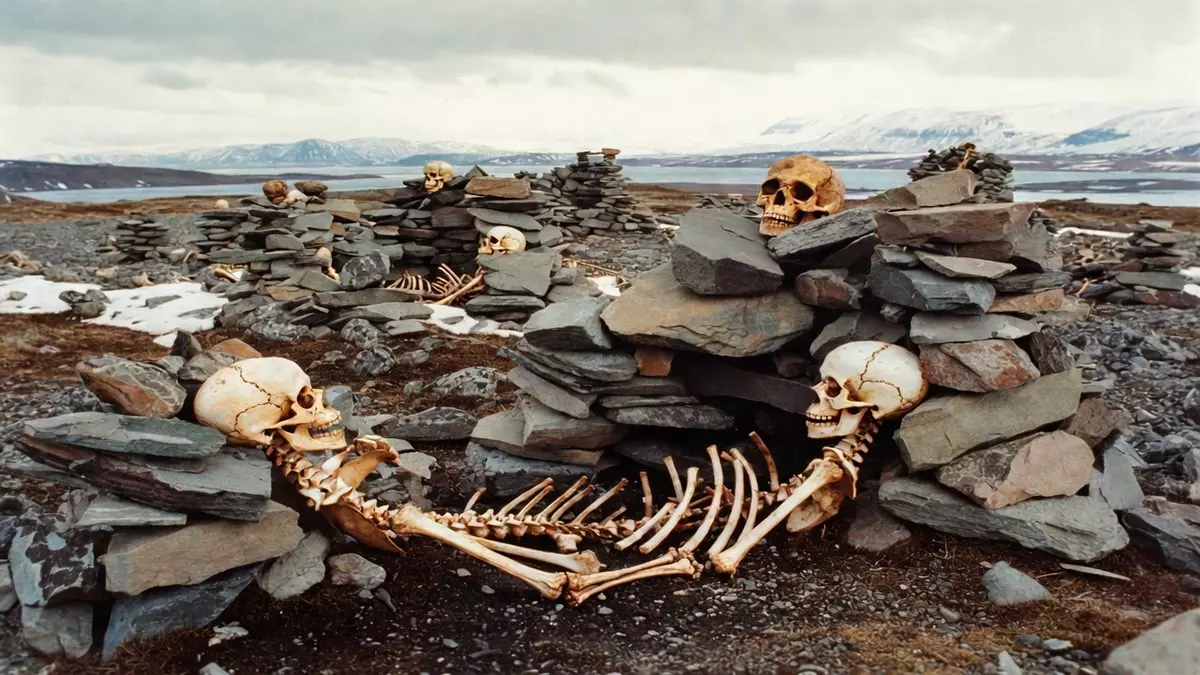
A new study of 17th-century whalers buried on Svalbard has exposed the brutal physical toll of early Arctic industry. Skeletons from the Likneset cemetery, known as “Corpse Point,” show widespread evidence of scurvy, extreme joint stress, and heavy labor in freezing conditions. At the same time, climate change is rapidly destroying this rare archaeological record, highlighting the urgent threat facing frozen heritage sites across the Arctic.
The research, published in *PLOS One*, examined 20 individuals from one of the largest early modern whaling cemeteries in the world. The findings paint a vivid picture of the harsh lives endured by multinational crews who hunted whales in the remote Arctic seas, while also serving as a stark warning about how quickly warming temperatures are erasing traces of the past.
Arctic Whalers’ Graves Reveal Scurvy and Brutal Labor
### The Likneset Cemetery and Early Arctic Whaling
Likneset lies on the shores of Smeerenburgfjorden in Svalbard, between mainland Norway and the North Pole. During the 17th and 18th centuries, this remote location became a major hub for European whaling operations. Whalers from the Netherlands, England, Denmark-Norway, and other countries established seasonal camps, processing massive whale carcasses for oil and baleen.
The cemetery contains hundreds of shallow graves marked by stone cairns. Because the ground is permafrost, many burials remained relatively well preserved until recent decades. However, accelerating climate change is now causing widespread thawing and coastal erosion, threatening the site’s fragile remains.
Researchers analyzed skeletons excavated across three phases from the late 1980s to 2019. This long-term dataset allowed them to observe how preservation conditions have deteriorated over time, with graves closer to the eroding shoreline showing significantly more damage.
### Physical Toll of Arctic Whaling
The men buried at Likneset were typically young adults, yet their skeletons tell stories of extreme physical hardship. Researchers documented widespread joint degeneration, healed fractures, and stress-related changes affecting the shoulders, spine, hips, knees, and feet. Many showed levels of skeletal wear more typical of much older individuals, reflecting years of intense manual labor.

Daily tasks included rowing heavy boats through icy waters, hauling massive whale carcasses, flensing blubber, and rendering oil in trying conditions. The uniform physical profile — tall, strongly built men — suggests selective recruitment for the demanding work. Isotope analysis indicates the workforce was multinational, with individuals coming from varied childhood backgrounds before converging on similar diets and labor routines as adults.
### Widespread Evidence of Scurvy
One of the most striking findings is the high prevalence of scurvy, caused by severe vitamin C deficiency. Nearly all examined individuals showed skeletal signs of the disease, including porous lesions, bone inflammation, and dental problems. Symptoms such as bleeding gums, loose teeth, muscle weakness, and poor wound healing would have been common among the crews.
Despite being surrounded by marine mammals, European whalers often failed to incorporate vitamin C-rich traditional foods like muktuk (whale skin and blubber) into their diets. Instead, they relied on preserved provisions that quickly lost nutritional value during long Arctic voyages. Chronic scurvy likely contributed to high mortality rates and reduced the workforce’s overall effectiveness.
### Signs of Pipe Smoking and Childhood Stress
Another notable detail emerged from dental analysis. Many individuals displayed characteristic notches and heavy wear on their front teeth, consistent with habitual clay pipe smoking. Tobacco use was widespread among sailors, but in this already nutritionally stressed population, it may have further depleted vitamin C levels and added to overall health burdens.
Developmental markers in the bones also revealed that some men experienced nutritional hardship during childhood but showed partial catch-up growth before entering the whaling industry. Once in the Arctic, however, their bodies faced relentless physical demands and poor nutrition that accelerated aging and health decline.
Most injuries observed in the skeletons had healed before death, suggesting that while accidents occurred, the primary causes of mortality were likely cumulative effects of malnutrition, disease, and exhaustion rather than single traumatic events.
### Climate Change Threatens the Cemetery
Beyond the human stories, the study documents a troubling trend: the rapid degradation of the Likneset site due to climate change. Graves in erosion-prone coastal areas have suffered significant disturbance, with organic materials like textiles and coffin wood deteriorating at an alarming rate. Even bones, traditionally more resilient, are now at greater risk as permafrost thaws and coastal erosion intensifies.
This pattern serves as a broader warning for Arctic archaeology. Sites long protected by frozen ground are becoming increasingly vulnerable. As temperatures rise, irreplaceable evidence of early modern industry, human adaptation, and cultural history is being lost before it can be fully documented.
### Life and Death in the Arctic Whaling Industry
Early Arctic whaling represented one of Europe’s first major extractive industries in the far north. It required coordinated multinational efforts, advanced ship technology, and enormous physical labor. The men at Likneset were part of this demanding system, living and dying far from home in one of the harshest environments on Earth.
Their remains offer a rare biological archive of occupational health in the early modern period. The skeletons reveal not only the physical costs of whaling but also the social dynamics of a diverse, mobile workforce operating under dangerous conditions with limited medical support.
### Broader Implications for Heritage Preservation
The Likneset study highlights the intersection of climate science, archaeology, and history. As global temperatures continue to rise, frozen archaeological sites across the Arctic face similar threats. Researchers and heritage managers must develop new strategies for documenting and protecting these vulnerable locations before critical information disappears.
At the same time, the human stories emerging from Likneset remind us of the real people behind historical industries. These whalers endured extreme conditions to fuel Europe’s growing demand for whale oil, used in lighting, soap, and manufacturing. Their sacrifices helped power the early modern economy, yet their lives and burials are now at risk from the very climate changes partly driven by industrial activity.
### Future Research and Conservation Needs
The authors call for continued monitoring of the Likneset cemetery and similar sites. Additional excavations, combined with advanced digital documentation techniques, could preserve data before further loss occurs. Isotope and genetic studies on more individuals may reveal even greater detail about the workforce’s origins, health, and daily lives.
International cooperation will be essential. Svalbard’s unique governance under the Spitsbergen Treaty makes it an important testing ground for Arctic heritage management in the face of climate change. Lessons learned here could help protect other threatened sites across the polar regions.
### Conclusion
The skeletons from Likneset offer a powerful window into the lives of 17th-century Arctic whalers. Their bones tell of brutal labor, widespread scurvy, and the heavy human cost of early modern industry. At the same time, the rapid degradation of the cemetery itself serves as a sobering reminder of how climate change is erasing irreplaceable chapters of human history in the Arctic.
This research not only deepens our understanding of occupational health and nutrition in the past but also underscores the urgent need to document and protect vulnerable heritage sites before they are lost forever. As the permafrost thaws, the stories preserved in these frozen graves are disappearing — making scientific studies like this one more important than ever.
The men buried at “Corpse Point” endured one of the harshest industries in history. Today, their remains face a new threat from a warming world, calling attention to the fragile nature of our shared archaeological heritage in the far north.
**FAQ**
**Q: What is Likneset cemetery?**
A: Likneset, or “Corpse Point,” is a 17th–18th century whaling burial ground on Svalbard containing hundreds of graves from European Arctic whaling operations.
**Q: What health problems did the whalers suffer?**
A: The study found widespread scurvy due to vitamin C deficiency, along with severe joint degeneration and stress injuries from heavy manual labor.
**Q: How is climate change affecting the site?**
A: Thawing permafrost and coastal erosion are rapidly degrading graves, destroying organic materials and disturbing skeletal remains.
**Q: Where did the whalers come from?**
A: Isotope analysis suggests a multinational workforce with men from varied European backgrounds who shared similar diets and working conditions in the Arctic.
**Q: What does pipe smoking evidence show?**
A: Many individuals had dental wear from habitual clay pipe use, which may have further worsened their vitamin C deficiency and overall health.
**Q: Why is this study important?**
A: It provides rare insight into the human cost of early modern Arctic industry while highlighting the urgent threat climate change poses to polar archaeological sites.
**Q: When were the Likneset graves excavated?**
A: The 20 individuals studied came from excavations spanning the late 1980s to 2019, allowing researchers to track preservation changes over decades.