
Table of Contents
**Drone Survey Uncovers Medieval Well Secrets Beneath Sheffield Castle**
Archaeologists have used cutting-edge drone technology to explore a hidden medieval well deep beneath the ruins of Sheffield Castle, revealing fresh details about daily life and survival strategies in one of England’s historic fortresses. The remarkable survey provides a rare look inside a vital water source that once sustained castle residents through peaceful times and intense sieges alike.
This discovery forms part of Sheffield City Council’s ambitious Castlegate Regeneration Project, which aims to transform the historic district into a vibrant public green space while preserving and showcasing the city’s medieval heritage. The well’s detailed 3D documentation marks another milestone in uncovering the buried story of Sheffield Castle.
Drone Survey Uncovers Medieval Well Secrets Beneath Sheffield Castle

### The Medieval Well and Its Critical Role in Castle Life
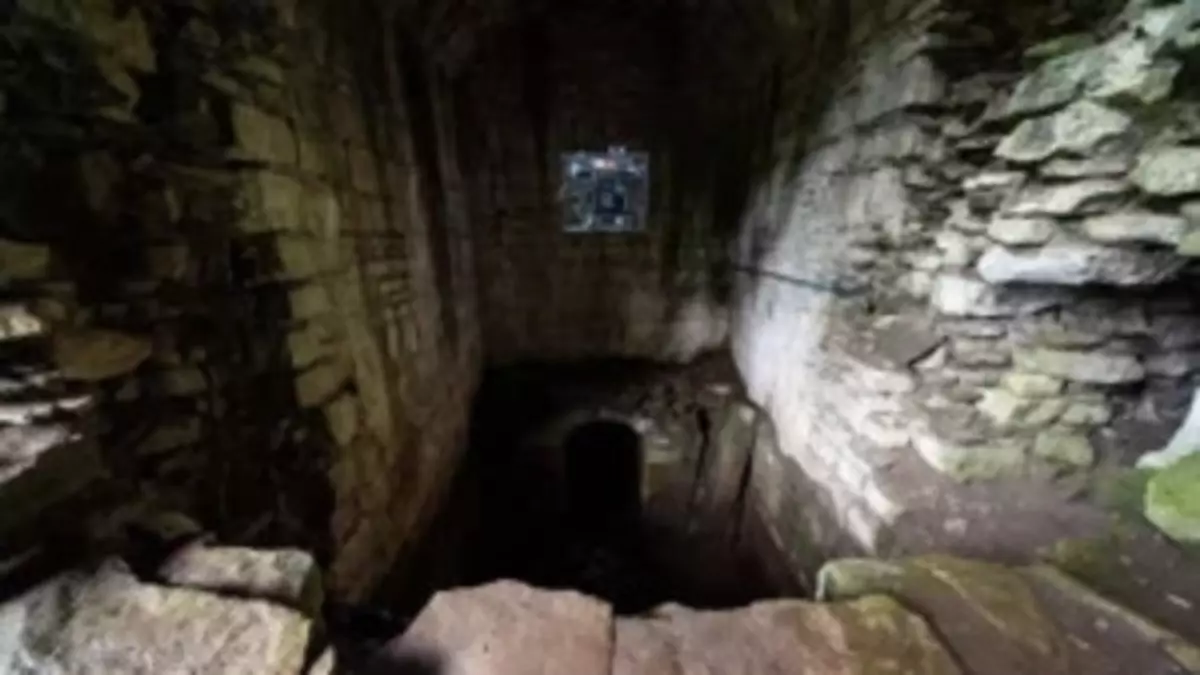
Located inside the Norman motte — the large artificial mound at the heart of the castle complex — the well descends approximately 12.5 meters (about 41 feet). The upper section features carefully constructed stone lining, while the lower portion cuts directly into solid bedrock. Centuries later, water still pools at the bottom, a testament to the engineering skill of medieval builders who chose the location wisely.
For people living and working within Sheffield Castle’s walls, this well represented far more than a simple water supply. It provided fresh drinking water, supported cooking, cleaning, and hygiene needs, and served as a lifeline during times of conflict. Ashley Tuck, Research Manager at Wessex Archaeology, emphasized its importance: the well would have been essential every single day, but especially during sieges when external water sources were cut off or contaminated.

**Engineering Ingenuity in Medieval Water Systems**
Medieval castle wells were remarkable feats of construction. Builders often had to dig through challenging geology to reach reliable groundwater. At Sheffield, the transition from stone lining to bedrock shows how engineers adapted to the local terrain for stability and longevity. Such wells frequently reached depths of 10 to 30 meters, balancing accessibility with protection from surface pollution.
The presence of standing water today confirms the well’s connection to a sustainable aquifer, highlighting the strategic planning that went into castle design across Norman and later medieval England.

### How Drone Technology Transformed the Survey
Traditional methods for exploring narrow, deep shafts can be dangerous and limited in scope. To overcome these challenges, Wessex Archaeology partnered with FlyThru to deploy a specialized drone protected by a metal cage. Lowered carefully into the well, the drone captured hundreds of high-resolution photographs that were stitched together into a comprehensive 3D model of the interior.
This innovative approach allowed researchers to document fine construction details, structural conditions, and subtle features that would be nearly impossible to observe from the surface. The resulting digital record creates a permanent archive for future study and public education while minimizing any risk to the fragile historic structure.
**Advancements in Archaeological Drone Use**
Drones have revolutionized archaeology in recent years, offering safe, non-invasive ways to investigate confined or hazardous spaces. From mapping large landscapes to exploring underground features like wells, tombs, and mine shafts, this technology provides unprecedented detail. The Sheffield project demonstrates how combining drones with photogrammetry can produce accurate 3D reconstructions that enhance both research and visitor experiences.
### Sheffield Castle: A Fortress at the Heart of English History
Sheffield Castle stood near the confluence of the Rivers Don and Sheaf, a strategically important location that controlled key routes through northern England. Originally built shortly after the Norman Conquest of 1066, the fortress evolved over centuries into a major regional power center. It served as a residence for noble families, a military stronghold, and an administrative hub.
During the English Civil War in the 1640s, the castle endured a significant siege by Parliamentarian forces. Its eventual surrender and subsequent dismantling left most surface structures gone, but substantial remains survived underground. Modern excavations continue to reveal walls, buildings, and features that bring the castle’s daily operations back to life.
The well adds valuable context to these findings. Secure internal water sources often determined how long defenders could resist during prolonged sieges. In an era before reliable piped water, such wells were literally life-saving infrastructure.
**Life Inside a Medieval Castle**
Castles were bustling communities, not just military outposts. Residents included knights, soldiers, servants, craftspeople, and noble families. Daily routines revolved around water collection, food preparation, and waste management. During peacetime, the well supported blacksmithing, brewing, and gardening. In wartime, it enabled prolonged resistance, sometimes for months.
The Sheffield well’s location within the motte provided extra protection and symbolized the castle’s self-sufficiency — a key psychological as well as practical advantage.
### The Castlegate Regeneration Project: Connecting Past and Future
Sheffield City Council’s Castlegate project seeks to revitalize the historic district by creating new public green spaces while integrating archaeological discoveries into the urban landscape. Plans include exposing parts of the medieval well so visitors can view this remarkable feature firsthand.
This approach balances development with heritage preservation, allowing residents and tourists to experience Sheffield’s rich history in an engaging way. Similar projects across the UK have successfully turned archaeological sites into educational attractions that boost local economies and community pride.
**Public Access to Hidden History**
Making the well visible represents an exciting opportunity for heritage tourism. Interpretive displays, guided tours, and digital reconstructions could help visitors understand medieval engineering, the importance of water resources, and the castle’s role in English history. Families, students, and history enthusiasts will gain a tangible connection to the past.
### Broader Significance for British Archaeology
This drone survey contributes to a growing body of knowledge about medieval infrastructure. Wells, though common in their time, rarely survive intact or receive detailed modern study. The Sheffield example provides valuable data on construction techniques, material choices, and long-term functionality.
It also highlights how conflict shaped settlement patterns and resource management. The English Civil War, a divisive conflict between Royalists and Parliamentarians, left lasting marks across Britain. Castles like Sheffield played key roles in these struggles, and their surviving features help historians reconstruct those dramatic events.
**Environmental and Engineering Lessons**
Studying historic water systems offers insights relevant to modern challenges. Medieval engineers understood local hydrology and built resilient structures adapted to their environments. As climate change affects water resources today, lessons from the past about sustainable access and storage remain valuable.
### Future Excavations and Discoveries at Sheffield
Ongoing work at the Castlegate site continues to uncover more of the castle’s story. Previous excavations have revealed building foundations, defensive walls, and artifacts of daily life. The well survey adds another layer, encouraging further investigation into how the fortress operated across different historical periods.
Researchers hope additional finds will illuminate everything from diet and trade to social hierarchy and military tactics. Public involvement through volunteering or educational programs could expand community connection to the project.
### Why This Matters for Modern Audiences
For many people in the United States and beyond, British castles evoke romantic images of knights and kings. Discoveries like the Sheffield well ground those stories in reality, showing the practical engineering and human effort behind the legends. They remind us that history is not just about grand battles but also about everyday necessities like access to clean water.
This project also showcases how technology bridges past and present. Drones — tools often associated with modern innovation — help us better understand medieval ingenuity. Such stories inspire appreciation for heritage preservation and encourage support for archaeological work worldwide.
### Conclusion: Bringing Sheffield’s Medieval Past to Light
The detailed drone survey of the medieval well beneath Sheffield Castle represents an impressive blend of technology, archaeology, and urban planning. By documenting this vital water source, researchers have enhanced our understanding of daily life, siege warfare, and engineering in medieval England.
As the Castlegate Regeneration Project moves forward, the well will transition from a hidden underground feature to a visible part of Sheffield’s public heritage. This discovery not only enriches historical knowledge but also creates opportunities for education, tourism, and community pride.
In an increasingly digital world, physical connections to the past — like standing near a centuries-old well — remain powerfully meaningful. Sheffield’s efforts to preserve and share its medieval legacy set a strong example for cities everywhere balancing growth with history. The well, once essential for survival, now helps keep the castle’s story alive for future generations.
## FAQ
**How deep is the medieval well at Sheffield Castle?**
The well shaft reaches approximately 12.5 meters (41 feet) deep, with stone lining in the upper section and bedrock below.
**What technology was used to survey the well?**
A specially caged drone captured hundreds of photographs that were combined into a detailed 3D model of the interior.
**Why was the well so important to the castle?**
It provided a secure, internal water supply essential for daily life and critical during sieges when external access was blocked.
**When was Sheffield Castle built and what happened to it?**
Constructed shortly after the Norman Conquest, the castle served as a major power center until it was besieged and dismantled during the English Civil War in the 1640s.
**Will visitors be able to see the well?**
Yes. Plans for the Castlegate Regeneration Project include exposing part of the well as a feature in the new public green space.
**Who carried out the well survey?**
Wessex Archaeology worked in partnership with FlyThru for the drone survey, as part of excavations for Sheffield City Council.
**What else has been discovered at the site?**
Excavations have uncovered walls, building foundations, and other features that reveal details of medieval life inside the fortress.