
Table of Contents
**Nondestructive DNA Unlocks 1,300 Years of History in Ancient Parchments**
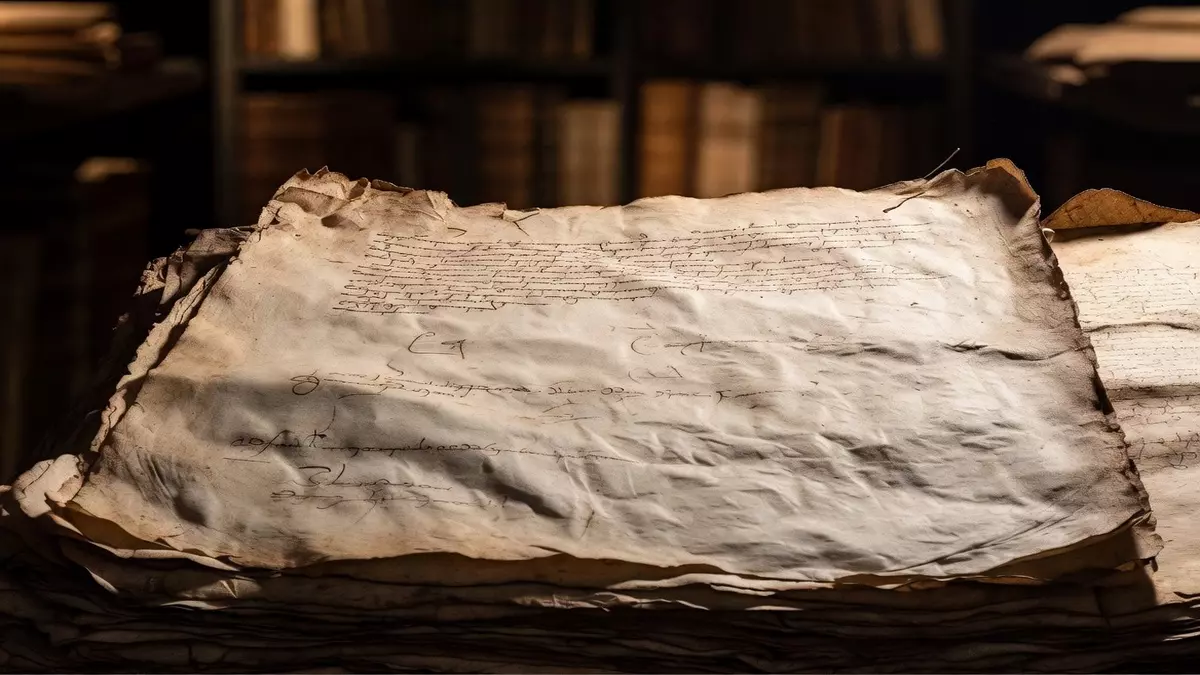
Scientists have pioneered a groundbreaking method to extract DNA from priceless ancient manuscripts without causing any visible damage. This innovative approach is revealing centuries of hidden stories about livestock farming, regional trade, and manuscript production across Europe, the Middle East, and Africa. By analyzing genetic material preserved in animal-skin parchments, researchers are treating these fragile documents as vast biological archives spanning from the eighth century to the early 1900s.
The study, published in the journal *Manuscript Studies*, examined 91 historical parchments housed at Duke University’s David M. Rubenstein Rare Book & Manuscript Library. These included religious texts, legal documents, scrolls, and fragments written in multiple languages. The collection represents diverse regions, offering a unique window into how animals shaped human culture and knowledge preservation for over a millennium.
Nondestructive DNA Unlocks 1,300 Years of History in Ancient Parchments

### The Challenge of Studying Ancient Parchment
For more than 1,000 years, parchment served as the dominant writing material across Europe and the Mediterranean. Made from the skins of sheep, goats, cattle, and occasionally other animals, it proved far more durable than paper in many environments. Today, millions of parchment documents survive in libraries and museums worldwide, forming an untapped treasure trove of biological information.
Traditional DNA analysis typically requires cutting, scraping, or drilling samples from artifacts. Such invasive techniques are rarely permitted on rare cultural heritage items. Archivists and conservators prioritize preservation, creating a significant barrier for researchers interested in the biological stories these manuscripts could tell.

To overcome this challenge, the research team developed a gentle, nondestructive sampling technique using small cytology brushes — the same soft tools commonly employed in medical diagnostics. By lightly rubbing the parchment surface, the brushes collect microscopic traces of cells without leaving any marks or causing structural harm.
### How the DNA Analysis Worked
The team collected 351 samples from the Duke University manuscripts. After extraction, they applied next-generation sequencing technology optimized for working with ancient, fragmented DNA. Approximately 58% of the samples met strict quality standards for reliable species identification.
The results were fascinating:
– 129 samples came from sheep
– 42 from cattle
– 32 from goats
– 1 from pig
These findings align closely with known historical patterns of animal husbandry in different regions, providing concrete genetic evidence to support earlier historical and archaeological interpretations.
### Regional Differences in Parchment Production
**England’s Sheepskin Tradition**
English manuscripts showed a strong preference for sheep parchment, with about 80% of authenticated samples identified as sheepskin. This reflects England’s long-standing dominance in wool production and sheep farming during the medieval and early modern periods. One 12th-century English manuscript received particularly close scrutiny. Every bifolium (folded sheet) tested came from sheep, consistent with patterns observed in other high-quality English books where scribes sometimes deliberately mixed animal types for symbolic or practical reasons.
**Southern Europe and Africa**
Manuscripts from southern Europe displayed a more diverse mix of sheep, goat, and cattle skins. Ethiopian documents primarily used goatskin, while samples linked to West Asia relied almost exclusively on sheep in the successfully analyzed group. These variations highlight how local farming practices and available livestock influenced manuscript production across different cultures and climates.
**Insights into Animal Relationships**
Genetic data also revealed intriguing connections. Some pages within the same manuscript showed similar maternal DNA markers, suggesting that related animals from the same herd or region supplied the skins. This raises compelling questions about whether medieval workshops sourced materials locally or through broader trade networks.
### The Emerging Field of Biocodicology
This research represents an important advancement in biocodicology — the study of biological traces preserved within books and manuscripts. Earlier work in the field has uncovered surprising patterns, such as a medieval manuscript that included a single goatskin page deliberately placed after a biblical passage referencing a young goat.
Parchment acts like a time capsule. Beyond animal DNA, it can preserve traces of bacteria, viruses, insects, rodents, and even human handlers who touched the documents over centuries. Future studies could explore historical livestock diseases, breeding practices, and the movement of animal populations across continents.
**Why Parchment Survived So Well**
Unlike paper, parchment is remarkably resilient. Its collagen-based structure resists decay better in many environments, allowing millions of fragments and complete documents to survive worldwide. Researchers estimate that between one and three billion parchment items still exist, representing an enormous but largely unexplored biological dataset.
### Historical and Cultural Significance
Manuscripts were central to religious, legal, and intellectual life for centuries. Religious texts, in particular, required high-quality materials that would endure. The choice of animal skin often carried economic, cultural, and sometimes symbolic weight. A single large book might require the skins of dozens of animals, making parchment production a significant industry tied to agriculture and trade.
The Duke University collection spans critical historical transitions: from the early medieval period through the rise of universities, the Renaissance, and into the age when paper gradually replaced parchment in many contexts. By analyzing these documents nondestructively, researchers can now connect material science with cultural history in unprecedented ways.
**A 14th-Century Example**
Miniatures like those in the Psalter of Bonne of Luxemburg (1348–49) illustrate the care and artistry involved in creating illuminated manuscripts on parchment. The new DNA techniques allow scholars to understand not just the artistic choices but also the practical agricultural foundations behind such masterpieces.
### Technological Breakthroughs Enabling the Research
Next-generation sequencing has revolutionized ancient DNA studies by working effectively with highly degraded genetic material. Combined with the gentle brushing technique, this creates a powerful new toolkit for manuscript studies. The method opens doors for analyzing countless other collections while respecting conservation priorities.
The research team hopes their approach will encourage broader collaboration between geneticists, historians, archivists, and conservators. As more institutions adopt similar nondestructive protocols, our understanding of medieval economies, animal husbandry, and knowledge transmission will continue to deepen.
### Implications for Future Research
This study demonstrates that parchment collections worldwide represent far more than textual records. They are biological archives containing information about:
– Livestock breeding and diversity
– Regional trade networks
– Manuscript workshop practices
– Environmental conditions over time
– Human-animal interactions across centuries
Ongoing projects aim to expand sampling to other major libraries and explore additional layers of biological data, such as microbial communities or protein residues.
### Why This Discovery Matters Today
For modern audiences, these findings connect us to the hands that created and used these documents centuries ago. They remind us that the books preserving our shared history were themselves products of living animals, skilled artisans, and complex supply chains. In an age of digital archives, this research highlights the enduring value of physical artifacts and the new stories they can tell through science.
The work also underscores the importance of preserving cultural heritage collections. By developing respectful, nondestructive methods, researchers ensure these treasures remain available for future generations while yielding remarkable new insights.
### Conclusion: Parchment as a Living Archive
The successful nondestructive DNA sampling of ancient parchments marks a major step forward in how we study the past. By gently extracting genetic material from 91 manuscripts spanning 1,300 years, researchers have illuminated livestock practices, trade routes, and manuscript traditions across multiple continents.
This pioneering technique transforms fragile documents into rich sources of biological and historical data. As biocodicology expands, we can expect many more discoveries that deepen our appreciation for the intertwined stories of humans, animals, and the written word.
From English sheepskin traditions to Ethiopian goatskin preferences, these parchments preserve not just text but the DNA of civilizations. Thanks to innovative science, their silent biological record is finally being heard.
## FAQ
**What is parchment and why was it important?**
Parchment is a writing material made from animal skins, primarily sheep, goats, and cattle. It served as the main medium for manuscripts across Europe and the Mediterranean for over a thousand years due to its durability.
**How did researchers extract DNA without damaging the manuscripts?**
They used soft cytology brushes to gently collect microscopic cell traces from the surface. This nondestructive method leaves no visible marks on the documents.
**What were the main animals used for parchment?**
Sheep were most common in English manuscripts, while southern Europe showed a mix of sheep, goats, and cattle. Ethiopian manuscripts primarily used goatskin.
**What is biocodicology?**
Biocodicology is the study of biological traces preserved in books and manuscripts, including DNA from animal skins and other microscopic evidence.
**Which institution housed the studied manuscripts?**
The manuscripts came from Duke University’s David M. Rubenstein Rare Book & Manuscript Library.
**What can future DNA studies from parchment reveal?**
Future research may uncover information about livestock diseases, breeding practices, trade networks, and even traces of human handling or environmental conditions over centuries.
**Where was the study published?**
The research appeared in the journal *Manuscript Studies* in 2026.