
Table of Contents
**500-Year-Old Gold Dental Bridge Found in Scotland**
Archaeologists have uncovered the earliest known example of advanced oral care in Scotland — a sophisticated gold dental bridge from around 500 years ago. The remarkable find, made in a medieval church in Aberdeen, reveals that a middle-aged man received a custom prosthetic treatment long before dentistry became a formal profession.
This rare discovery offers a fascinating glimpse into medieval healthcare, personal appearance, and the surprising skills of craftsmen during Scotland’s late medieval period.
500-Year-Old Gold Dental Bridge Found in Scotland
### Rare Medieval Dental Work Discovered in Aberdeen
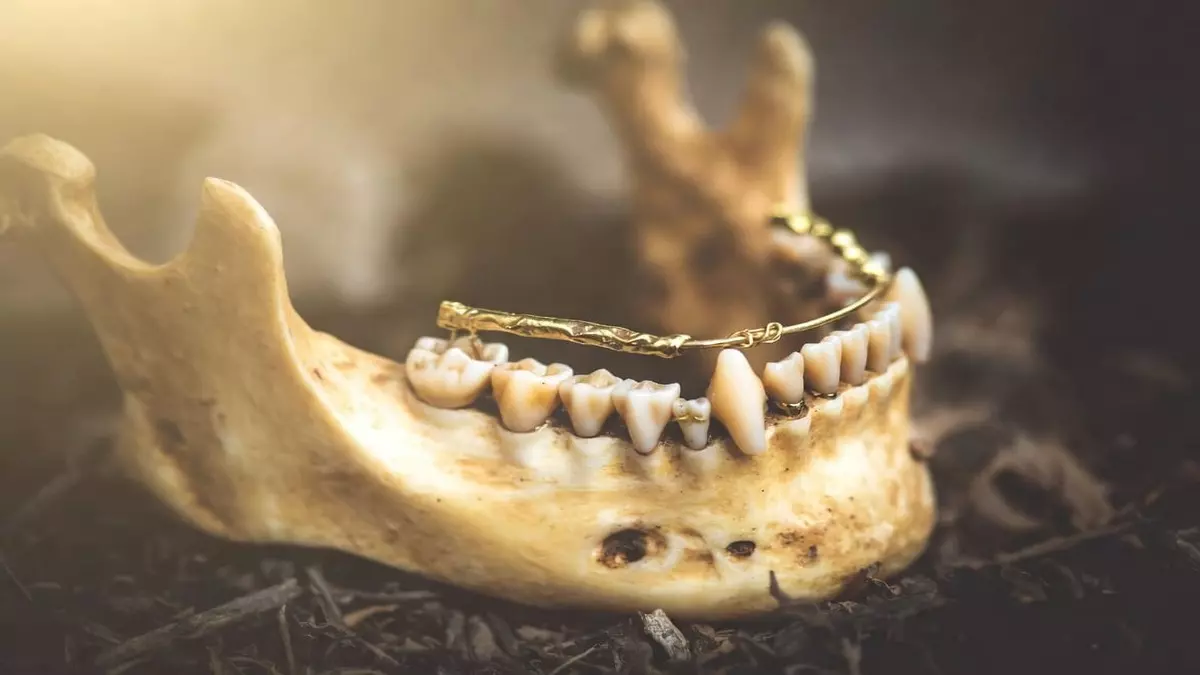
The gold wire dental bridge was found in a lower jawbone recovered from the historic St. Nicholas East Kirk in Aberdeen. The church, built around the 11th century and used until the Protestant Reformation, contained hundreds of burials. Although the jawbone was not part of a complete skeleton, researchers determined it belonged to a middle-aged man who lived between 1460 and 1670.
The jaw preserved nine teeth and showed clear evidence that the lower right central incisor had been lost during his lifetime. To fill the gap, someone carefully installed a 20-karat gold wire ligature around the adjacent teeth. This delicate procedure spanned the missing tooth space, likely holding either the original tooth (if it was loose) or a prosthetic replacement.

“The application of the ligature would likely have caused some discomfort during the procedure,” said Rebecca Crozier, a bioarchaeologist at the University of Aberdeen. However, the man would have adapted to the wire over time.
The study, published in the *British Dental Journal*, highlights how this find pushes back the timeline for sophisticated dental interventions in Scotland.
### Evidence of Poor Oral Health and Skilled Intervention
 Ancient Shamanic Mask Unveils Hidden Dynamic Between Europe’s First Farmers and Hunter-Gatherers
The man’s teeth told a story of typical medieval dental challenges. He had significant hardened plaque buildup, cavities in three teeth, and periodontal disease causing receding gums. These issues were common in an era before modern dental hygiene, when diets were often coarse and dental care was limited.
Despite these problems, the gold bridge represents a deliberate and skilled attempt to address tooth loss. The wire was looped around one tooth root and secured with a twisted knot around the other. Over time, the wire rubbed against one root, showing it remained in place for an extended period.
Researchers believe the device may have held a fake tooth — possibly made of bone, wood, or another material — to restore both function and appearance. This level of craftsmanship points to a skilled practitioner, likely a jeweler or barber-surgeon experienced in working with fine metals.
### Why Medieval People Sought Dental Treatment
In late medieval Europe, dental issues weren’t just painful — they affected social standing. A complete, healthy-looking smile was linked to moral character and social status. Those who could afford treatment often sought it for both practical and cosmetic reasons.
“The underlying reasons for undergoing this procedure were likely multifaceted,” the researchers noted. While the bridge may have improved chewing ability, appearance was probably a major motivation. Losing visible front teeth would have been noticeable and potentially embarrassing.
This Aberdeen case fits with broader European practices. Medical texts from the period describe wiring loose teeth, and a 17th-century aristocratic woman in France had similar gold ligatures. However, the Scottish example stands out as the earliest confirmed dental bridge of its kind in Scotland.
### Who Performed Medieval Dental Work?
Organized dentistry didn’t emerge until the 19th century. Before that, a range of skilled tradespeople handled oral care. Barbers, healers, and jewelers often performed extractions, fillings, and basic prosthetics. The high-quality gold work in this case strongly suggests a jeweler crafted and installed the bridge.
Gold was an ideal material — durable, non-toxic, and workable into fine wires. The 20-karat purity indicates access to quality metal, suggesting the patient had some financial means.
The procedure itself would have been uncomfortable. Installing the wire required precise manipulation around the tooth roots. Yet the man lived with it for some time, showing tolerance for the device despite potential irritation.
### Life in Medieval Aberdeen
The man lived during a dynamic period in Scottish history. Aberdeen was a prosperous trading town with strong links to Europe. The St. Nicholas Kirk served as a major religious center, and its burial grounds reflected the community’s social mix.
Daily life involved coarse foods that wore down teeth quickly. Sugar was becoming more available among wealthier classes, contributing to decay. Without modern tools, even basic dental maintenance was difficult.
This individual’s decision to get a gold bridge shows that some people were willing to invest in solutions for personal comfort and social presentation. It humanizes medieval people, showing they faced similar concerns about appearance and health that we do today.
### Comparison With Other Ancient Dental Discoveries
Dental interventions have deep roots in human history. Evidence of tooth filling dates back 13,000 years, and various cultures developed creative solutions for tooth loss. However, gold wire bridges remain relatively rare in the archaeological record.
The Aberdeen find is particularly valuable because it comes from a well-documented medieval context. Most earlier examples are isolated finds without clear dating or social background.
This Scottish bridge adds to a small but growing collection of evidence showing that medieval Europeans sometimes had access to surprisingly advanced care when they could afford it.
### The Excavation and Research Process
The jawbone was recovered during excavations at St. Nicholas East Kirk, which yielded over 900 burials and thousands of bones. Bioarchaeologists carefully analyzed the remains, noting the wire’s position and the surrounding dental conditions.
Advanced imaging and microscopic examination helped confirm how the ligature was installed and how long it likely remained in use. The wire’s twisted knot and contact wear provided crucial clues about its function and duration.
The research team’s detailed study, published April 24 in the *British Dental Journal*, combines osteological analysis with historical context to bring this man’s story to life.
### What the Discovery Reveals About Medieval Society
This find challenges assumptions about healthcare in the past. While advanced medical care was not widely available, certain skilled trades offered specialized services to those who could pay. It also shows that personal appearance mattered deeply, even in everyday medieval life.
The man’s willingness to undergo a painful procedure for a gold bridge reflects universal human desires — to look presentable, maintain dignity, and address physical limitations.
In a broader sense, it highlights the ingenuity of pre-modern craftspeople. Jewelers, working with precious metals for rings and ornaments, could adapt their skills to medical needs when called upon.
### Ongoing Research and Future Implications
Researchers continue to study the Aberdeen remains and similar finds across Europe. New techniques, including ancient DNA analysis and advanced imaging, may reveal more about the man’s diet, health conditions, and possible occupation.
The discovery also encourages re-examination of other medieval skeletons for signs of dental work that might have been overlooked. As more examples emerge, scholars can build a clearer picture of how oral care evolved across different social classes and regions.
This case adds valuable data to the history of dentistry, showing that creative solutions for tooth loss existed centuries before modern braces, implants, and bridges.
### Connecting Past and Present Dental Care
Today, dental bridges and implants are common solutions for missing teeth. Seeing a 500-year-old predecessor reminds us how long humans have grappled with dental problems and sought effective fixes.
The discomfort this medieval Scotsman endured — and his adaptation to the gold wire — highlights human resilience. It also underscores how far dental science has advanced, making procedures safer and more comfortable.
For historians and archaeologists, such intimate finds humanize the past. Behind every skeleton lies a person who laughed, ate, spoke, and cared about how they looked to others.
### Conclusion
The 500-year-old gold dental bridge discovered in Aberdeen represents a landmark find in Scottish archaeological history. It proves that sophisticated oral care existed in medieval Scotland, performed by skilled craftspeople using precious materials and careful technique.
This middle-aged man’s story — his dental struggles, his decision to seek treatment, and his life with a gold wire bridge — offers a touching connection across centuries. It shows that concerns about health, appearance, and well-being are timeless.
As researchers continue studying the remains from St. Nicholas Kirk, more insights will likely emerge about daily life, healthcare, and social values in late medieval Scotland. Discoveries like this one remind us that the past is full of surprising sophistication and deeply human experiences.
The gold ligature, carefully placed half a millennium ago, now stands as powerful evidence of our ancestors’ ingenuity and determination to overcome life’s challenges — one tooth at a time.
## FAQ
**How old is the gold dental bridge found in Scotland?**
The bridge dates to approximately 500 years ago, between 1460 and 1670, making it the earliest known example of its kind in Scotland.
**What was the gold wire used for?**
It served as a dental bridge, spanning the gap from a lost incisor and likely holding either the original tooth or a prosthetic replacement.
**Who probably installed the medieval dental bridge?**
A jeweler or barber-surgeon with metalworking skills likely created and fitted the 20-karat gold wire.
**Did the procedure cause pain?**
Yes, installing the wire would have been uncomfortable, though the man likely adapted to it over time despite some ongoing irritation.
**Where was the jawbone with the dental bridge discovered?**
It was recovered from excavations at St. Nicholas East Kirk, a medieval church in Aberdeen, Scotland.
**Why did people seek dental treatment in medieval times?**
Treatment helped restore chewing function and improve appearance, which was closely tied to social status and perceived moral character.
**Will this discovery change our understanding of medieval medicine?**
Yes. It shows that creative and skilled dental interventions existed centuries before dentistry became a formal profession.