
Table of Contents
**Study Reveals Cave Burials Common Throughout Great Basin**
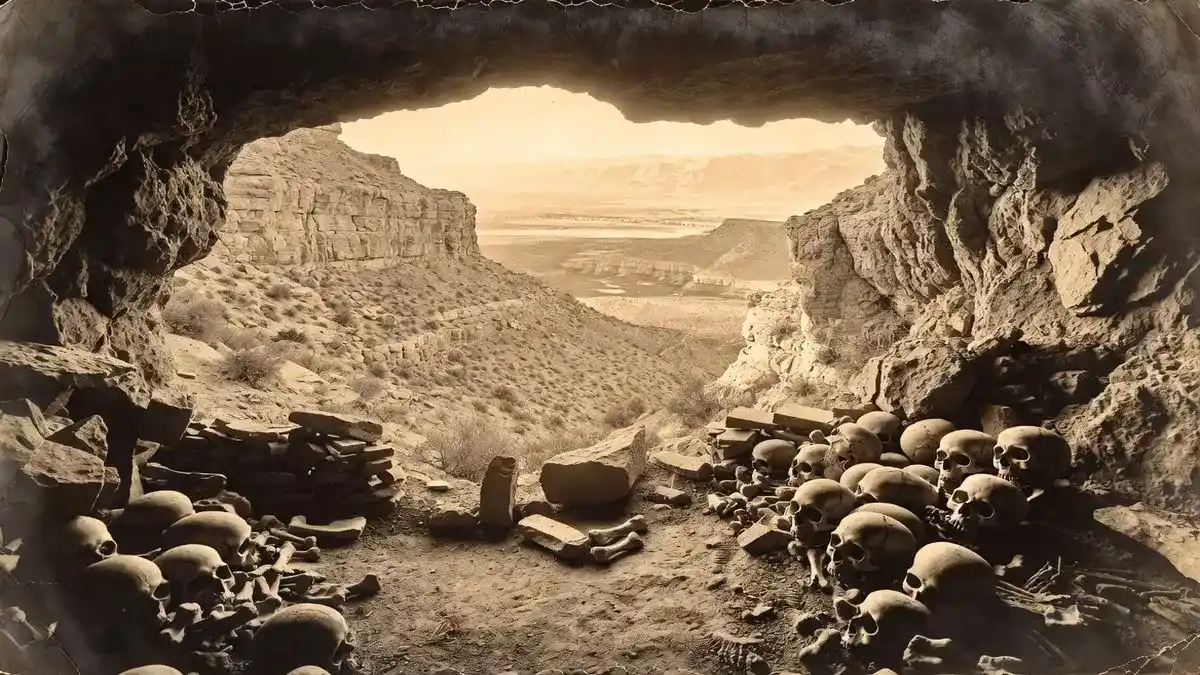
Archaeologists have overturned long-standing assumptions about ancient burial practices in the Great Basin region of the American West. A new study shows that cave and rockshelter burials were far more widespread and routine than previously believed, challenging the idea that such practices were rare outside specific areas.
This research compares sites in Nevada’s lower Lahontan drainage basin with those in Utah’s Bonneville Basin, painting a picture of flexible and practical burial traditions spanning thousands of years. The findings highlight how environment, population, and daily life shaped how ancient peoples honored their dead.
Study Reveals Cave Burials Common Throughout Great Basin
### Challenging Old Assumptions About Great Basin Burials
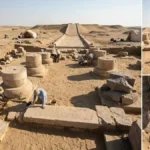
For decades, many archaeologists viewed cave burials in the Great Basin as unusual, largely limited to the lower Lahontan basin in western Nevada. Earlier reports suggested these practices stood out from neighboring regions. However, fresh analysis of excavated caves, rockshelters, and open-air sites reveals a broader regional pattern.
The comprehensive review, published in *American Antiquity*, documents significant numbers of cave and rockshelter burials in the Bonneville Basin of western Utah. Researchers identified 18 such sites containing human remains from a minimum of 91 individuals. Additional burials appear in the upper Lahontan region, areas tied to seasonal movements of groups connected to the Bonneville area.
While the lower Lahontan still shows higher totals, the new data demonstrates that cave burial formed a regular part of mortuary practices across the wider Great Basin, rather than an isolated custom.
### Life, Death, and Caves in the Bonneville Basin
Most cave burials in the Bonneville Basin occurred in places where people lived, worked, and carried out everyday activities. Hearths, stone tools, and food remains frequently appear alongside human interments, suggesting caves served multiple purposes over time.
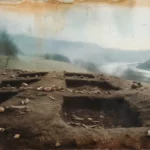
Two notable exceptions stand out: Lehman Cave and Snake Creek Cave. These natural trap caves functioned primarily as burial locations with limited evidence of domestic use. Together, they held more than three dozen individuals. Similar specialized burial caves exist in the Lahontan basin, where some sites blended living spaces with mortuary functions while others served mainly as resting places for the dead.
This mix of uses reflects a pragmatic approach. Ancient inhabitants adapted available natural shelters to meet both survival needs and cultural requirements for honoring the deceased.
### Open-Air Burials and the Broader Mortuary Landscape
Despite the attention on caves, open-air burials greatly outnumber those in sheltered locations throughout both basins. Many rest within former house floors, near household middens, or in dedicated outdoor cemeteries. Erosion, modern looting, and incomplete excavations make precise counts difficult, but the overall record points to remarkable flexibility in burial choices over millennia.
This diversity in burial locations—caves, rockshelters, and open settings—demonstrates that Great Basin peoples selected places based on practical, seasonal, and possibly spiritual considerations rather than rigid rules.
### A Deep Timeline of Human Activity
Human occupation in both the Lahontan and Bonneville basins stretches back approximately 14,000 to 13,000 years. Evidence of burials in caves, rockshelters, and open areas appears consistently across this long span. Starting around 5,000 years before present, the number of documented burials increases noticeably in several areas.
During this later period, many caves show signs of repeated short-term visits connected to food gathering, tool storage, and seasonal returns to productive wetlands and marshes. These patterns tie burial practices directly to broader lifeways and resource strategies.
The higher concentration of cave burials in the lower Lahontan basin likely stems from environmental advantages rather than unique cultural traditions. Vast marshes and wetlands provided reliable plant and animal resources, supporting larger or more stable populations. Hundreds of dry caves offered excellent opportunities for storage, shelter, and burial.
### Cultural and Genetic Connections Across Time
Ethnographic records add important context. Northern Paiute communities in recent centuries often avoided caves containing human remains due to deep respect and cultural taboos. This suggests many burial caves predate Paiute presence in the region.
Material culture and oral traditions link parts of the Lahontan basin to ancestral Washoe groups and other peoples whose descendants primarily live in California today. Genetic studies of North American Indigenous populations support multiple episodes of population movement and shifting territories in the last two millennia before European contact.
These insights help explain variations in burial numbers and practices while reinforcing the idea of shared cultural threads across the Great Basin.
### Why This Research Matters for Understanding Ancient America
The study’s strength lies in its systematic comparison and careful documentation. By examining both cave and open-air contexts, researchers provide a more balanced view of Great Basin mortuary behavior. The results show that differences between regions align more closely with population density, resource availability, and landscape features than with entirely separate ritual systems.
Caves and rockshelters preserved remarkable archaeological records thanks to protection from the elements. They offer windows into daily life, seasonal rounds, and beliefs about death that open-air sites sometimes obscure. At the same time, the abundance of open-air burials reminds us that sheltered sites represent only one part of a richer picture.
This research also underscores the value of revisiting old collections and assumptions with new questions. As climate, development, and other pressures affect these fragile sites, such studies become increasingly vital for preservation and interpretation.
### Environmental Factors Shaping Burial Traditions
The Great Basin’s dramatic landscape—alternating between mountain ranges and valley basins—profoundly influenced human settlement and burial choices. During the late Pleistocene and early Holocene, massive lakes like Lahontan and Bonneville dominated the region. As these lakes shrank, they left behind wetlands, marshes, and numerous caves in limestone and volcanic formations.
These environmental legacies created ideal conditions for repeated human use. Wetlands attracted game and supported edible plants, while nearby caves provided shelter from extreme temperatures and safe storage for tools and food. It was only natural that some of these same locations eventually served as burial places.
The increase in burials after 5,000 years ago coincides with broader environmental stabilization and cultural adaptations across western North America. This period saw more intensive use of specific resource patches and the development of more defined territorial patterns.
### Modern Implications and Ongoing Research
Today, these ancient sites hold tremendous scientific and cultural importance. They connect living Indigenous communities with their deep ancestral past while offering archaeologists data on everything from diet and health to mobility and social organization.
Collaborative approaches involving descendant communities, federal agencies, and academic researchers continue to refine our understanding. Future work may incorporate advanced techniques like ancient DNA analysis, improved radiocarbon dating, and non-invasive survey methods to locate additional sites without disturbance.
The study emphasizes that cave burial was neither rare nor unusual but rather an integral, adaptable element of Great Basin lifeways for more than ten thousand years.
### Conclusion: A Flexible Tradition Rooted in the Landscape
The new findings reframe cave and rockshelter burials as a common thread in Great Basin prehistory rather than an anomaly. By comparing the Lahontan and Bonneville basins, researchers have revealed how environment, population dynamics, and cultural continuity shaped diverse yet related mortuary practices.
These insights deepen our appreciation for the ingenuity and resilience of ancient peoples who thrived in a challenging landscape. As more studies build on this foundation, we gain a richer, more nuanced understanding of North America’s ancient past and the enduring connections between people, place, and memory.
### FAQ: Cave Burials in the Great Basin
**Were cave burials unusual in the ancient Great Basin?**
No. The latest research shows they were a regular part of broader mortuary practices across multiple basins, though open-air burials remained more common overall.
**How many individuals were found in Bonneville Basin cave sites?**
The study documented at least 91 individuals across 18 cave or rockshelter sites in the Bonneville Basin, with additional finds in related areas.
**What makes Lehman Cave and Snake Creek Cave different?**
These natural trap caves served primarily as burial locations with little evidence of everyday living activities, unlike many other caves that combined domestic and mortuary uses.
**Why were there more cave burials in the lower Lahontan basin?**
Environmental factors, including abundant wetlands and numerous dry caves, supported higher population levels and created more opportunities for cave interments rather than indicating a completely separate cultural practice.
**Do modern tribes have connections to these ancient burial sites?**
Yes. Northern Paiute communities traditionally avoided such caves, while evidence points to ancestral Washoe and other groups. Genetic and ethnographic data show complex histories of movement and cultural continuity.
**How far back do these burial practices go?**
Burials in caves, rockshelters, and open settings appear throughout the roughly 14,000-year occupation history of the region, with increased numbers after about 5,000 years ago.