
Table of Contents
**Rare Venetic Sanctuary Discovered in Italy Rewrites Pre-Roman Past**
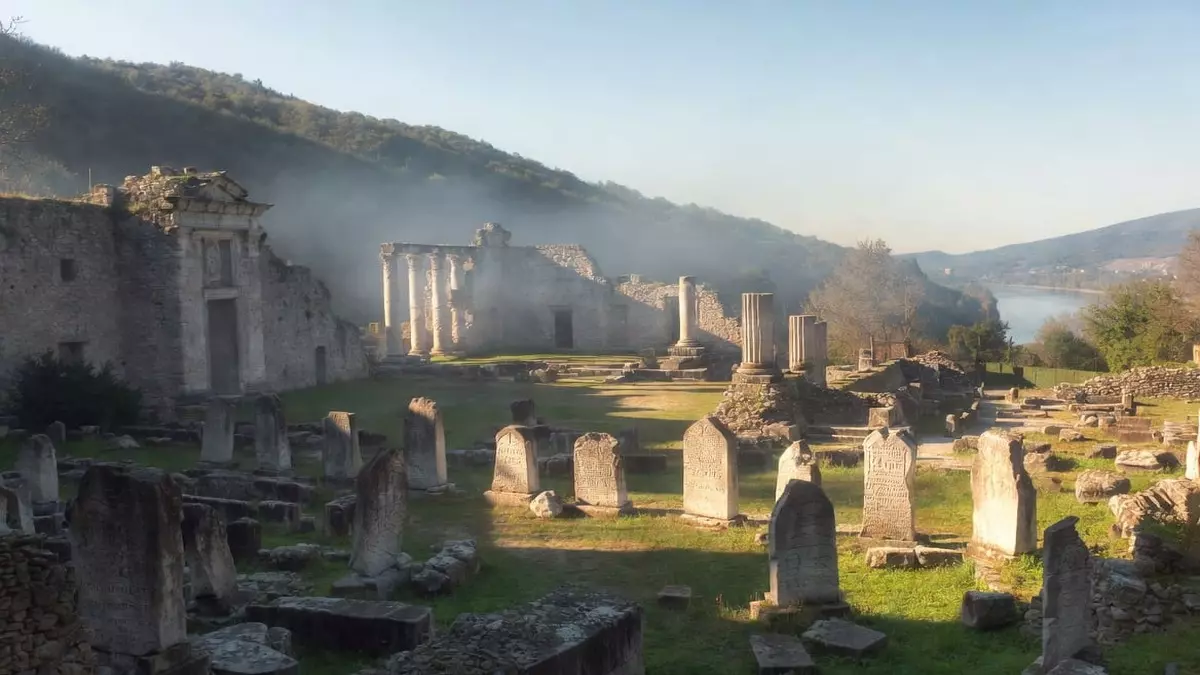
Archaeologists in northern Italy have made a stunning find during routine road construction: a well-preserved ancient sanctuary featuring rare inscriptions in the Venetic language. This discovery near Ponso in the Province of Padua is shedding new light on the religious and cultural life of pre-Roman peoples in the region and how they adapted during the Roman expansion.
The site, uncovered while building the first section of the SR10 “Padana Inferiore” regional road between Borgo Veneto and Carceri, reveals a complex sacred space that remained active for centuries. It offers a rare glimpse into the transition from local Iron Age traditions to Roman-influenced practices in northeastern Italy.
Rare Venetic Sanctuary Discovered in Italy Rewrites Pre-Roman Past

### Uncovering a Hidden Sacred Site
The first clues emerged during wartime ordnance clearance ahead of construction. What began as routine checks quickly turned into a major archaeological excavation supervised by the Italian ABAP Superintendency for the provinces of Padua, Treviso, and Belluno. As teams dug deeper, they revealed a large cultic complex with multiple phases of use.
The sanctuary likely began in the pre-Roman period, possibly as early as the 5th or 4th century BCE. It continued functioning well into Roman times, showing remarkable cultural continuity. This long lifespan makes the site especially valuable for understanding religious evolution in the Veneto region before and after Roman conquest.
Among the most exciting discoveries are stone objects bearing inscriptions in both Venetic and Latin characters. The Venetic language, spoken by ancient peoples in northeastern Italy, remains relatively poorly understood. These new texts, many appearing as votive dedications, represent a significant addition to the known corpus of Venetic writing.
Some stones feature inscriptions carved on three sides, suggesting they were designed for ceremonial viewing from multiple angles. This detail hints at sophisticated ritual practices where the written word played a central role in connecting worshippers with deities.
### Monumental Temples and Sacred Architecture
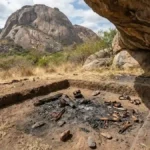
As excavation expanded, archaeologists uncovered large rectangular foundation structures identified as temples. One building displays features of a peripteral temple — a style surrounded by columns on all sides — typical of classical Mediterranean architecture. This indicates the sanctuary grew into a more monumental religious center over time.
Researchers also found many inscribed stones reused in a paved surface dating to the 1st century CE. While the exact purpose of this pavement remains under investigation, its presence suggests the area retained religious importance even as Roman cultural elements became dominant. The careful reuse of older sacred materials rather than their destruction points to respect for local traditions during the transition period.
**The sanctuary’s location near the ancient course of the Adige River** adds another layer of historical context. Evidence shows the site was eventually buried by a major flood event. Rather than indicating sudden abandonment, the stratigraphic layers reveal gradual changes in architecture and ritual use across several centuries. This resilience highlights how ancient communities adapted to both cultural shifts and environmental challenges.
### Who Were the Ancient Veneti?
The Veneti were an Indo-European people who inhabited northeastern Italy from at least the Iron Age. Distinct from their Etruscan and Celtic neighbors, they developed a thriving culture known for metalworking, horse breeding, and sophisticated trade networks. Their language, Venetic, was written using a version of the Etruscan alphabet before Latin became standard under Roman influence.
Sanctuaries like the one at Ponso served as vital community centers. They were places where people made offerings, sought divine guidance, and reinforced social bonds. Votive inscriptions often recorded prayers for health, prosperity, safe journeys, or victory in battle. The newly found texts could contain names of deities, donors, or specific requests that deepen our knowledge of daily spiritual life.
The discovery is particularly important because Venetic inscriptions are relatively rare. Each new example helps linguists decipher grammar, vocabulary, and cultural nuances. Combined with the architectural remains, these finds paint a richer picture of how local identities persisted even as Rome expanded its reach across the Italian peninsula.
### The Roman Transition in Northern Italy
By the 2nd century BCE, Roman armies had incorporated Venetic territories into their growing republic. Rather than erasing local customs, Romans often integrated them. Existing sanctuaries were frequently expanded or adapted, creating blended religious landscapes that combined indigenous and Roman elements.
The Ponso site perfectly illustrates this process. The presence of both Venetic and Latin inscriptions side-by-side demonstrates cultural layering. Local worshippers likely continued honoring traditional gods while incorporating Roman deities or practices. This hybrid approach helped maintain social stability during periods of political change.
The peripteral temple structure suggests increasing investment and architectural ambition during the Roman period. Such buildings required skilled labor, materials, and community support — reflecting the sanctuary’s enduring importance even under new rulers.
### Why This Discovery Matters Today
Road construction projects frequently reveal unexpected archaeological treasures across Europe. In this case, proactive monitoring and rapid response by heritage authorities turned a potential threat into a major scientific opportunity. The finds will now undergo detailed laboratory study, including epigraphic analysis, 3D documentation, and possibly residue testing for organic offerings.
Future work at the site aims to clarify the full layout of the sanctuary, identify specific deities worshipped there, and better understand the sequence of flood events and rebuilding phases. These insights will contribute to broader research on pre-Roman Italy and the dynamics of Roman cultural integration.
For the local community in Ponso and the Province of Padua, the discovery brings pride and connection to their deep historical roots. It transforms a routine infrastructure project into a celebration of shared heritage that stretches back over two millennia.
### Environmental and Cultural Context
The Adige River played a crucial role in the region’s ancient history, providing transportation routes, fertile soils, and occasional destructive floods. The sanctuary’s position near its former course placed it in a dynamic landscape where human activity and natural forces constantly interacted.
This environmental setting likely influenced religious beliefs. Rivers were often seen as sacred boundaries or sources of life in ancient Mediterranean cultures. Offerings and rituals at the sanctuary may have included prayers for protection against flooding or gratitude for agricultural abundance.
The long-term use of the site — spanning from the Iron Age through Roman times — demonstrates remarkable cultural continuity. Communities returned generation after generation, maintaining sacred space despite language shifts, political changes, and environmental pressures.
### Broader Impact on Mediterranean Archaeology
Discoveries like this one at Ponso help fill gaps in our understanding of lesser-known ancient peoples. While Roman and Greek civilizations dominate historical narratives, groups like the Veneti contributed significantly to the cultural foundation of modern Europe.
The inscriptions may eventually reveal personal stories — names of families, local leaders, or specific events — that humanize the past. Combined with temple architecture and ritual objects, they allow researchers to reconstruct ceremonies, social hierarchies, and belief systems in unprecedented detail.
This find also highlights the value of developer-funded archaeology. When construction projects incorporate proper heritage management, everyone benefits: infrastructure improves while priceless historical information comes to light.
As analysis continues, the Ponso sanctuary could become a reference site for studying Venetic religion and Romanization processes in northern Italy. Public outreach, museum displays, and educational programs will help share these insights with wider audiences.
### A Window Into Ancient Lives
At its heart, this discovery connects us to people who lived, worshipped, and adapted more than 2,000 years ago. The carved stones they left behind carry messages across time — expressions of faith, hope, and community identity that still resonate today.
The careful reuse of sacred materials rather than their discard shows respect for tradition amid change. In our own era of rapid transformation, there are lessons here about balancing progress with preservation of cultural heritage.
The ancient Venetic sanctuary near Ponso stands as testament to the enduring power of sacred spaces. Whether seeking divine favor or marking important life events, people have long created special places to connect with something greater than themselves.
This remarkable find enriches Italy’s archaeological heritage and invites us all to appreciate the complex layers of history beneath our feet. As excavations proceed, we can look forward to even more revelations about life in this fascinating corner of the ancient world.
The road project that sparked the discovery will ultimately improve modern connections, while the sanctuary reminds us of ancient links between people, land, and spirituality that continue to shape regional identity.
## FAQ
**How old is the Venetic sanctuary discovered in Italy?**
The sanctuary dates back to at least the 5th or 4th century BCE, with continued use into the Roman period, spanning several centuries of religious activity.
**What makes the inscriptions at the Ponso site special?**
They include rare examples of the Venetic language alongside Latin, many as votive dedications, offering new insights into pre-Roman writing and rituals.
**Why was the sanctuary built near the Adige River?**
Its location likely held spiritual significance, with the river providing both practical benefits and symbolic meaning in ancient religious practices.
**What type of temple structure was uncovered?**
Archaeologists found foundations of a peripteral temple surrounded by columns, indicating a shift toward more monumental architecture during later phases.
**How will the discovery impact our understanding of ancient Italy?**
It provides valuable evidence of cultural continuity and adaptation during the transition from Venetic to Roman influence in northern Italy.
**Can the public visit the excavation site?**
While excavations continue, future plans may include public access, educational programs, or museum displays of the artifacts and inscriptions.
**What caused the sanctuary to be buried?**
A major flood from the ancient Adige River eventually covered the site, preserving many features for modern discovery.