
Table of Contents
**1,000-Year-Old Dingo Burial Rewrites Aboriginal History**
A remarkable archaeological discovery in western New South Wales has uncovered a 1,000-year-old ritually buried dingo, providing powerful new evidence of the profound spiritual and practical bonds between Aboriginal people and dingoes long before European arrival in Australia.
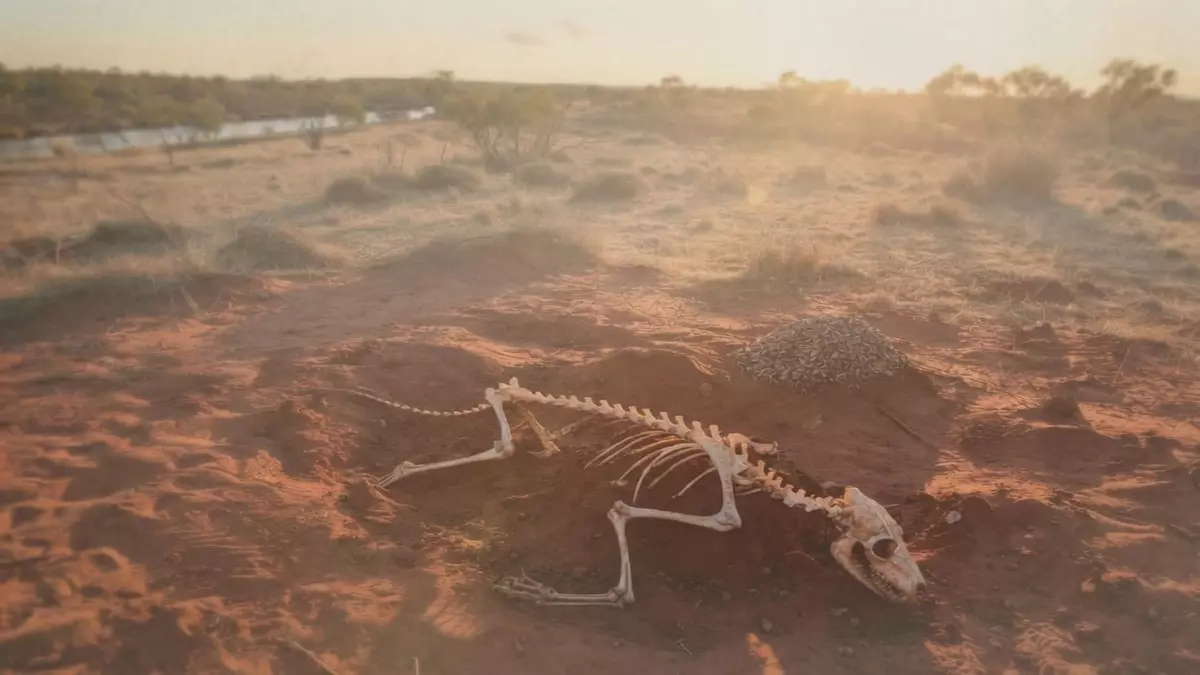
The carefully interred remains, named Garli by Barkindji Elders, offer rare insight into pre-colonial relationships with this iconic native animal. Found along the Baaka (Darling River) in Kinchega National Park, the burial highlights respect, care, and cultural significance that challenges old assumptions about dingoes as purely wild scavengers.
1,000-Year-Old Dingo Burial Rewrites Aboriginal History
### Rediscovering Garli on Barkindji Country
Erosion along a road cutting in Kinchega National Park first exposed part of the dingo skeleton several years ago. Barkindji Elder Uncle Badger Bates and National Parks archaeologist Dan Witter recognized its importance immediately. With guidance from the Menindee Aboriginal Elders Council, a collaborative team carefully excavated the site.
Radiocarbon dating confirmed the burial occurred between 963 and 916 years ago. The dingo was placed deliberately within a midden rich in mussel shells and other evidence of sustained human activity beside the river. People continued adding to this midden for another 500 years after the burial, showing the location held ongoing cultural meaning.

Researchers named the dingo Garli, using the traditional Barkindji word. This respectful naming reflects the collaborative spirit of the project, which combined scientific analysis with Indigenous knowledge from the beginning.
### Evidence of Care and Long-Term Companionship
Analysis of the skeleton revealed Garli lived longer than most wild dingoes, reaching an estimated age of four to seven years. His teeth showed significant wear from chewing tough, abrasive foods over many years. More tellingly, the bones displayed healed injuries: broken ribs and a fractured lower leg that had mended successfully.
These injuries, possibly from a hunting accident such as a kick from a kangaroo, would have severely limited mobility. The fact that Garli survived and recovered strongly suggests human intervention and care during his healing period. Community members likely provided food, protection, and support while he regained strength.
This level of attention mirrors treatment given to respected human community members. The burial itself was intentional and ceremonial, placed in a purpose-built section of the midden near the riverbank. Barkindji Elders describe this as part of ceremonial feeding practices connected to Garli as an ancestor.
### Cultural and Spiritual Significance for Barkindji People
For Barkindji communities, the discovery affirms long-held oral traditions about deep connections between people, dingoes, ancestors, and Country. Dingoes were not viewed simply as wild animals but as kin with spiritual importance. The burial reflects respect and reciprocity that defined these relationships.
The site’s location along the Baaka River, a vital waterway in Barkindji Country, further emphasizes the integration of Garli’s story with the landscape. Rivers like the Darling have sustained Aboriginal life for tens of thousands of years, and dingoes played important roles in hunting, protection, and cultural narratives.
**The return of Garli to Country** earlier this year, after scientific study, included cultural ceremonies such as smoking rituals. This process ensured proper cultural care and reinforced the ongoing connection between past and present.
### Scientific Insights from the Excavation
A multidisciplinary team from the University of Sydney, Australian Museum, Australian National University, and University of Western Australia conducted detailed analysis. Dr. Loukas Koungoulos from the University of Western Australia noted that the burial points to tame or semi-tamed dingoes living closely with people rather than just scavenging around camps.
Bone surface changes and joint marks indicate complex post-burial processes while remaining protected within the midden. This preservation allowed researchers to examine not only the burial but also the broader context of human activity at the site.
Comparisons with other dingo burials in southeastern Australia show this find extends the known geographic range of such practices farther north and west within the Murray-Darling Basin. While dingo burials have been documented before, few have received such thorough modern excavation and scientific attention.
### Dingoes in Aboriginal Life and History
Dingoes arrived in Australia several thousand years ago and quickly became integral to Aboriginal societies. They assisted with hunting, provided warmth during cold nights, and served as companions. Their presence influenced dreamtime stories, totems, and cultural practices across many language groups.
Unlike dogs introduced later by Europeans, dingoes maintained a unique status. Some groups allowed them to move between wild and camp life, while others formed closer bonds. The Garli burial suggests that in Barkindji Country, certain dingoes received special treatment as valued individuals with spiritual significance.
This discovery adds to growing evidence that Aboriginal Australians developed sophisticated, mutually beneficial relationships with native animals. These connections went beyond utility to encompass kinship, respect, and ecological understanding developed over millennia.
### Challenges in Studying Pre-Colonial Animal Burials
Preserving evidence of animal burials is difficult due to natural decay, erosion, and later disturbances. Many potential sites have been lost or damaged over centuries. The Kinchega find benefited from its protected location within a midden and prompt identification by Elders and archaeologists.
The project demonstrates the value of collaboration between Indigenous communities and scientific researchers. Barkindji guidance ensured culturally appropriate methods while enriching interpretation with traditional knowledge that science alone cannot provide.
Such partnerships are becoming increasingly important in Australian archaeology, helping to decolonize research practices and create more complete understandings of the past.
### Broader Implications for Australian Archaeology
This 1,000-year-old dingo burial contributes significantly to our knowledge of pre-colonial societies in the Murray-Darling Basin. It shows continuity in cultural practices and deep environmental knowledge that allowed people to thrive in diverse Australian landscapes.
The find also highlights dingoes’ complex status in modern Australia. While often viewed as pests in some contexts today, their ancient role as companions and cultural icons deserves recognition. Understanding these historical relationships can inform contemporary discussions about dingo conservation and management.
Future research may uncover more burials, expanding our picture of regional variations in practices across Australia. Advanced techniques like ancient DNA analysis could reveal whether Garli belonged to a specific local population or showed signs of long-term human selection.
### Connecting Past and Present
The story of Garli resonates strongly with Barkindji people today. It validates cultural memory and strengthens connections to ancestors and Country. For wider Australian society, it offers an opportunity to appreciate the richness and complexity of Indigenous histories that stretch back tens of thousands of years.
Archaeological discoveries like this one help bridge gaps in understanding between different worldviews. They demonstrate that Aboriginal relationships with animals were nuanced, caring, and spiritually deep—qualities that continue in many communities today.
The careful excavation, analysis, and return of Garli exemplifies best practices in ethical archaeology. It shows how science and culture can work together to reveal hidden chapters of human-animal history.
### The Enduring Bond Between People and Dingoes
Garli’s burial stands as powerful testimony to a relationship that endured for centuries. From hunting partner to ancestor figure, dingoes occupied a special place in Barkindji life. The healed injuries tell a story of compassion and loyalty, while the ceremonial burial reflects respect and remembrance.
This discovery enriches Australia’s archaeological record and invites reflection on how humans relate to the natural world. In an era of environmental challenges, lessons from deep-time relationships with native species remain relevant.
As more sites are investigated with community involvement, we can expect further insights into the sophisticated societies that existed across the Australian continent long before 1788. Each find like Garli adds another thread to the intricate tapestry of Aboriginal history.
The 1,000-year-old dingo from Kinchega National Park reminds us that the past is never truly buried. With care, collaboration, and respect, it can be brought back to light—strengthening connections across time and cultures.
## FAQ
**How old is the ritually buried dingo found in Australia?**
The dingo, named Garli, was buried between 963 and 916 years ago, making the site approximately 1,000 years old.
**Why is this dingo burial significant for Aboriginal history?**
It provides rare physical evidence of ceremonial treatment and close bonds between Barkindji people and dingoes, supporting long-held cultural knowledge.
**What does the skeleton reveal about Garli’s life?**
Analysis showed healed injuries from hunting, advanced age for a dingo, and signs of human care during recovery, indicating a long companionship.
**Where was the dingo burial discovered?**
The remains were found in Kinchega National Park on Barkindji Country near the Menindee Lakes along the Baaka (Darling River) in western New South Wales.
**How did researchers and Elders collaborate on the project?**
Barkindji Elders guided the excavation with cultural ceremonies, while scientists conducted analysis. Garli was returned to Country after study.
**Have other dingo burials been found in Australia?**
Yes, particularly in southeastern regions, but this find extends the documented range and provides exceptional detail through modern methods.
**What does this discovery mean for understanding dingoes today?**
It highlights ancient respect and practical relationships, offering context for modern discussions about dingo conservation and cultural heritage.