
Table of Contents
**Pompeii Doctor Identified 2,000 Years After Vesuvius Eruption**
A remarkable archaeological breakthrough is bringing one of Pompeii’s tragic victims back to life in vivid detail. More than six decades after discovery, researchers have identified a man who died during the Mount Vesuvius eruption in 79 CE as a Roman physician, clutching the tools of his profession as he tried to escape.
This discovery humanizes the ancient disaster and reveals new insights into daily life, professions, and survival attempts in one of history’s most famous catastrophes.
Pompeii Doctor Identified 2,000 Years After Vesuvius Eruption
### The Haunting Site: Garden of the Fugitives
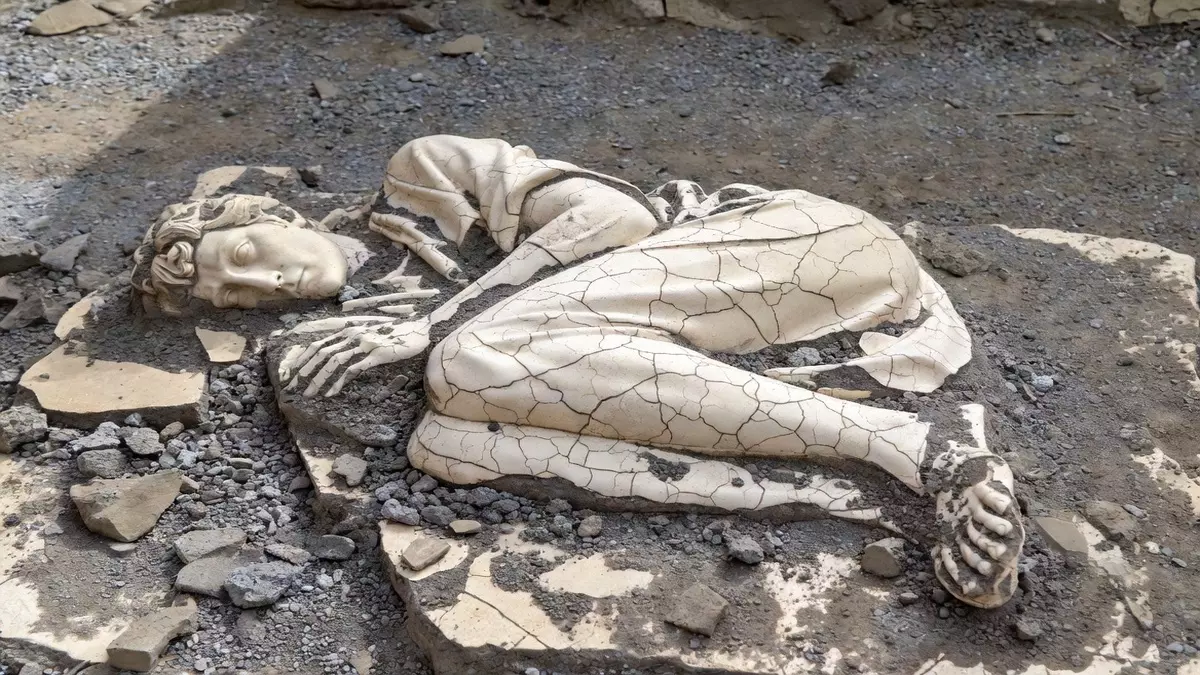
In 1961, archaeologist Amedeo Maiuri led excavations near Pompeii’s Porta Nocera gate in an area once filled with vineyards. His team uncovered the remains of 14 people who perished together while fleeing the city. A deadly pyroclastic cloud—superheated gas, ash, and debris—overtook them in their desperate bid for safety.
The site earned the name “Garden of the Fugitives” because of these poignant plaster casts that capture victims in their final moments of agony and flight. Today, these casts remain among Pompeii’s most emotionally powerful attractions, preserved in glass cases where they were found.
For years, these individuals remained anonymous. But advanced technology has now changed that for at least one man, transforming him from an unknown victim into a dedicated healer caught in an unimaginable tragedy.
### Hidden Evidence Revealed by Modern Science
The key to this identification lay hidden inside one of the plaster casts for over 60 years. During recent examinations in the Pompeii Archaeological Park’s storage facilities, experts noticed a small case trapped within the hardened material.
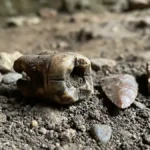
Using non-invasive X-rays and CT scans at the Maria Rosaria Clinic, researchers peered inside without damaging the fragile cast. The scans revealed:
– A sophisticated small case made of organic material (likely wood or leather) with metal components, including a clever locking mechanism operated by a toothed wheel.
– A fabric pouch containing bronze and silver coins.
– Several small metal instruments resembling Roman surgical tools.
– A slate tablet used for grinding and preparing medicines or cosmetic mixtures.
These items together strongly indicate the victim was a *medicus*—the Latin word for doctor. Such clear professional evidence is exceptionally rare in Pompeii, where most victims left behind few personal identifiers.
Artificial intelligence-assisted imaging and 3D reconstructions allowed the multidisciplinary team to study these artifacts in extraordinary detail. The collaboration included archaeologists, anthropologists, radiologists, numismatists, restorers, and digital specialists.
### Life as a Roman Physician in Pompeii
Roman doctors occupied a respected yet demanding position in society. Many were Greek or had training influenced by Greek medicine, combining herbal remedies, surgical techniques, and basic diagnostics. They treated everything from battlefield wounds to everyday ailments, often carrying portable kits for house calls or emergencies.
The discovered instruments suggest this man was prepared to practice his craft anywhere. The slate tablet would have been essential for mixing powders, ointments, or poultices on the spot. Coins indicate he carried his savings, perhaps hoping to start anew in a safer location.
Pompeii Archaeological Park Director Gabriel Zuchtriegel noted that the physician likely brought his tools not only to rebuild his life elsewhere but also to help others during the crisis. “Even 2,000 years ago, there were those who were doctors at all times,” he remarked, highlighting the man’s sense of duty even in the face of disaster.
### The Catastrophic Day in 79 CE
Mount Vesuvius erupted violently in late August 79 CE, burying Pompeii and nearby towns under meters of ash and pumice. The sequence began with falling volcanic debris, giving some residents time to flee. However, later pyroclastic surges proved lethal, killing those still in the area with intense heat and toxic gases.
The group in the Garden of the Fugitives was likely heading toward the coast or southern roads when the final deadly cloud struck. Their casts show people huddled together, some shielding their faces—frozen testimonies to the eruption’s sudden fury.
This physician’s story adds a deeply personal layer. He wasn’t just running for his own life; he carried the means to heal, embodying hope amid chaos.
### Why This Discovery Matters Today
This finding demonstrates the power of modern technology to unlock secrets from old excavations. What archaeologists in the 1960s missed due to limited tools, today’s scientists can reveal through imaging that penetrates plaster without destruction.
It also enriches our understanding of Pompeii’s social fabric. The city was home to merchants, artisans, politicians, and professionals like this doctor. Identifying specific occupations helps paint a fuller picture of Roman urban life before the disaster.
Furthermore, the research underscores themes of human resilience. Throughout history, people have carried their skills and tools during crises, hoping to survive and contribute. This ancient medicus represents countless unsung heroes who face danger with purpose.
### Broader Context of Pompeii Research
Pompeii continues to yield surprises nearly 250 years after systematic excavations began. The site offers an unparalleled time capsule of Roman daily life, from bakeries and brothels to villas and public baths.
Recent projects focus on conservation, new excavations in unstudied areas, and applying cutting-edge science to older finds. Plaster cast studies, in particular, have benefited from CT scanning, revealing details about victims’ ages, health conditions, and even last meals.
The Garden of the Fugitives remains a focal point for visitors, evoking strong emotions and reflections on mortality. New permanent exhibitions in the city’s palestra showcase more casts, helping the public connect with these individuals on a human level.
### Lessons from Ancient Tragedy
The story of this Pompeii doctor resonates in our modern world. Natural disasters still force people to flee with whatever they can carry—documents, valuables, or tools of their trade. His determination mirrors the experiences of refugees and first responders today.
Archaeology at Pompeii also reminds us of nature’s power. Vesuvius remains an active volcano, and scientists monitor it closely for future risks. Understanding the past helps inform present-day preparedness in volcanic regions worldwide.
As research advances, we gain not just facts but empathy for those who lived through one of antiquity’s greatest catastrophes. Each new detail turns anonymous victims into real people with dreams, professions, and families.
### Conclusion: A Timeless Story of Duty and Survival
The identification of this Roman physician nearly 2,000 years after his death is more than an archaeological triumph. It’s a powerful reminder of human dedication in the face of overwhelming odds. Hidden inside a simple plaster cast was evidence of a life dedicated to healing—tools that spoke volumes about who he was and what he hoped to do.
Through innovative science and dedicated scholarship, Pompeii continues to reveal its secrets, connecting us across millennia to the hopes, fears, and resilience of those who came before. This doctor’s final journey, though tragically cut short, now inspires reflection on service, courage, and the enduring human spirit.
**FAQ: The Pompeii Physician Discovery**
**Q: How was the victim identified as a doctor?**
A: CT scans and X-rays of a 1961 plaster cast revealed a medical case with surgical instruments, a medicine-preparation tablet, and coins, pointing to a Roman *medicus*.
**Q: When and where was the victim found?**
A: The remains were excavated in 1961 by Amedeo Maiuri in Pompeii’s Garden of the Fugitives near Porta Nocera, alongside 13 other victims attempting to flee the eruption.
**Q: What tools were found with the physician?**
A: Items included a locked case with metal surgical instruments, a slate grinding tablet, and a pouch of bronze and silver coins.
**Q: Why is this discovery significant?**
A: Professional evidence for victims in Pompeii is extremely rare. It provides rare insight into Roman medicine and personal stories from the 79 CE disaster.
**Q: Who led the recent research?**
A: A multidisciplinary team from the Pompeii Archaeological Park, with input from Director Gabriel Zuchtriegel, used advanced imaging technologies.
**Q: Can visitors see the cast today?**
A: Yes, the plaster casts in the Garden of the Fugitives are viewable on-site in protected displays, offering a direct connection to this haunting history.