
Table of Contents
- 1. The Discovery at Chagyrskaya Cave
- 1.1. Microscopic Analysis of the Molar
- 2. Replicating Prehistoric Drill Technology
- 3. Evolution of Healthcare: Homo sapiens vs. Neanderthals
- 4. A Lone Surgeon or Community Support?
- 4.1. The Case for Self-Treatment
- 4.2. Evidence of Long-Term Survival
- 5. Frequently Asked Questions
- 5.1. How old is the oldest evidence of dentistry now?
- 5.2. What kind of tool did the Neanderthals use to drill the tooth?
- 5.3. How do scientists know the hole wasn’t made after the Neanderthal died?
- 5.4. Did Neanderthals frequently get cavities?
- 5.5. Where was this historic tooth discovered?
Neanderthal Dental Breakthrough Rewrites the History of Medicine
The history of dentistry has been fundamentally reshaped by a tiny, ancient molar. While historians long believed that invasive medical interventions were a crowning achievement exclusive to Homo sapiens, a groundbreaking study published in PLOS One reveals that Neanderthals were practicing advanced dentistry in the frozen landscapes of Siberia 60,000 years ago.
By examining a severely decayed tooth with cutting-edge microscopic analysis, researchers discovered a precision-drilled hole designed to clean out rotten tissue. This extraordinary find pushes the timeline of intentional human dental care back by an astonishing 45,000 years, proving that our closest evolutionary relatives possessed both the cognitive capacity to treat disease and the fine motor skills to execute complex micro-surgeries.
Neanderthal Dental Breakthrough Rewrites the History of Medicine
The Discovery at Chagyrskaya Cave
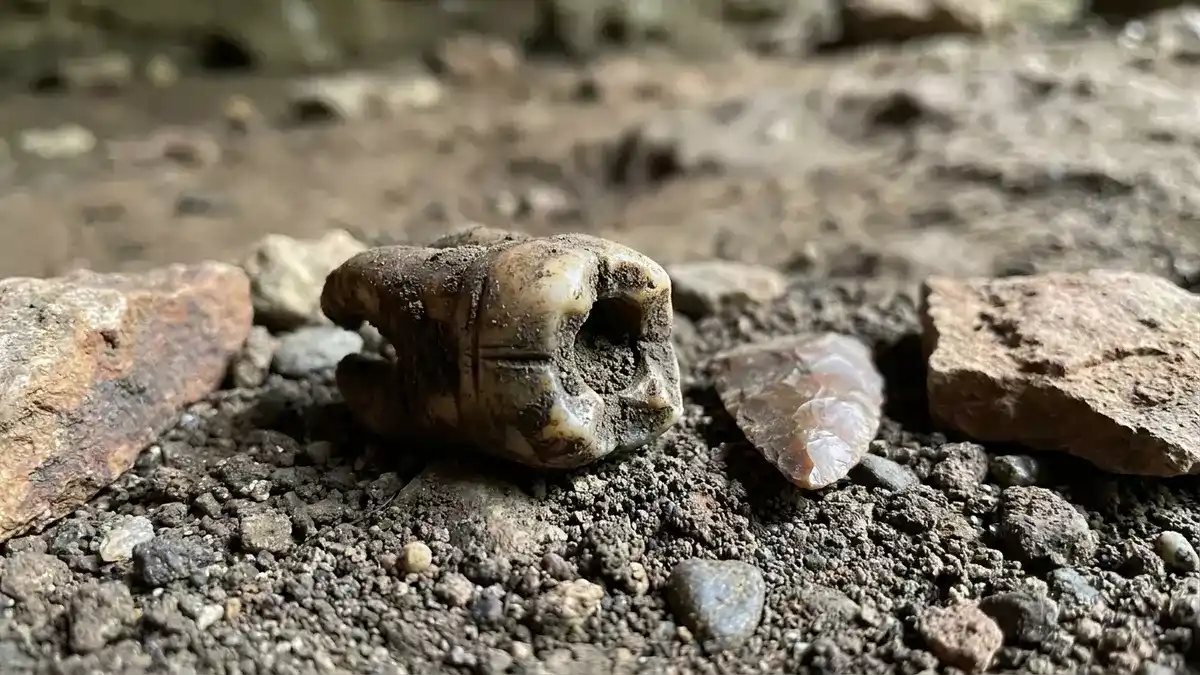
The pivotal specimen—a lower molar belonging to a Neanderthal adult—was originally excavated in 2016 from Chagyrskaya Cave, a well-known prehistoric campsite located in southwestern Siberia, Russia. At the time of its discovery, the tooth puzzled archaeologists due to an unnaturally deep, localized hole on its surface.

Neanderthals typically maintained a low-carbohydrate, meat-heavy diet, making severe tooth decay a relatively rare affliction for the species. However, this particular individual suffered from an aggressive dental pathology.
Microscopic Analysis of the Molar
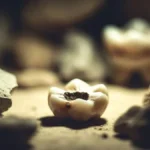
A research team led by paleonanthropologists utilized high-resolution microscopy to analyze the internal and external structure of the 59,000-year-old tooth. They identified two distinct zones of severe demineralization, indicating advanced tooth decay:
The Gumline Decay: Located where the tooth met the soft tissue of the mouth, this area featured straight, repetitive grooves. These markings are classic indicators of persistent tooth-picking, suggesting the individual regularly used a probe to clear debris and alleviate discomfort.
The Crown Cavity: This area overlapped with a precisely bored hole measuring approximately 4.2 mm long, 2.8 mm wide, and 2.6 mm deep. Tiny, microscopic striations and concentric markings ringed the upper edge of the cavity, hinting at the mechanical rotation of a tool.

Replicating Prehistoric Drill Technology
To determine exactly how the microscopic markings on the Neanderthal tooth were made, scientists conducted laboratory experiments on modern human teeth. They tested various raw materials, motions, and prehistoric tool replicas to see what could duplicate the precise wear patterns.
The experimental results were conclusive: the exact markings could only be replicated by the deliberate, twisting motion of a small, sharp stone tool.
[Jasper Stone Tool] ---> [Twisting/Drilling Motion] ---> [Targeted Cavity Cleansing]
       ^                                                           ^
(Found in Cave)                                            (Removes Infection)
Interestingly, archaeologists had already recovered numerous small stone tools crafted from locally sourced jasper during previous excavations at Chagyrskaya Cave. These artifacts featured long, thin, and highly pointed tips—the exact dimensions required to act as a prehistoric dental drill.
Evolution of Healthcare: Homo sapiens vs. Neanderthals
Before this study, the earliest definitive evidence of a human species treating tooth decay belonged to Homo sapiens. That discovery, located in modern-day Italy, was dated to roughly 14,000 years ago. By establishing that Neanderthals were performing identical procedures nearly 60,000 years ago, this find shatters old assumptions regarding their primitive nature.
“The roots of invasive medicine and surgery do not belong exclusively to Homo sapiens, but are part of a broader legacy shared with our closest relatives.”
This discovery joins a growing body of evidence demonstrating that Neanderthals practiced comprehensive healthcare. Archaeological records show they successfully cared for vulnerable group members, including a child born with Down syndrome, and regularly consumed specific plants for their medicinal and anti-inflammatory properties.
A Lone Surgeon or Community Support?
While the engineering behind the procedure is clear, experts remain divided on whether this was an act of self-treatment or prehistoric professional care.
The Case for Self-Treatment
Some archaeologists suggest the individual may have operated on themselves. Given the position of the lower molar and the intense, throbbing pain associated with deep tooth decay, digging into the rotten area with a sharp jasper point could have been done individually out of desperation to scrape out the agonizing, infected tissue.
Evidence of Long-Term Survival
Regardless of who held the drill, the most remarkable detail is that the patient survived. The microscopic analysis revealed a layer of post-operative chew marks directly overlaying the drilled grooves.
This indicates that the individual didn’t just endure the agonizing pain of a stone-tool drilling session without modern anesthesia; they lived for a significant period afterward. Over months of normal eating and chewing, the friction of food smoothed out the sharp edges of the surgical site, permanently preserving the record of their survival.
Frequently Asked Questions
How old is the oldest evidence of dentistry now?
With this new discovery, the oldest evidence of intentional dentistry dates back approximately 60,000 (or roughly 59,000) years ago. This pushes back the previous record, held by Homo sapiens in Italy, by about 45,000 years.
What kind of tool did the Neanderthals use to drill the tooth?
Researchers determined the procedure was performed using a small, pointed drill bit made from locally available jasper stone. Examples of these long, thin-tipped tools have been recovered directly from the Chagyrskaya Cave site.
How do scientists know the hole wasn’t made after the Neanderthal died?
Scientists confirmed the procedure was performed during the individual’s lifetime because of distinct wear and chew marks that overlay the drilled grooves. This wear could only happen if the individual continued to use the tooth to chew food for a significant period after the operation.
Did Neanderthals frequently get cavities?
No. Because Neanderthals consumed a low-carbohydrate, high-protein diet primarily consisting of hunted meat, their rates of tooth decay were generally very low. This makes the drilled molar an exceptional find, as it shows a highly targeted, complex response to a rare medical condition.
Where was this historic tooth discovered?
The molar was discovered in Chagyrskaya Cave, located in southwestern Siberia, Russia. The cave serves as an incredibly rich archaeological site that Neanderthals utilized as a seasonal campsite.