
Table of Contents
10 Ancient Weapons Quiz Reveals Hidden History
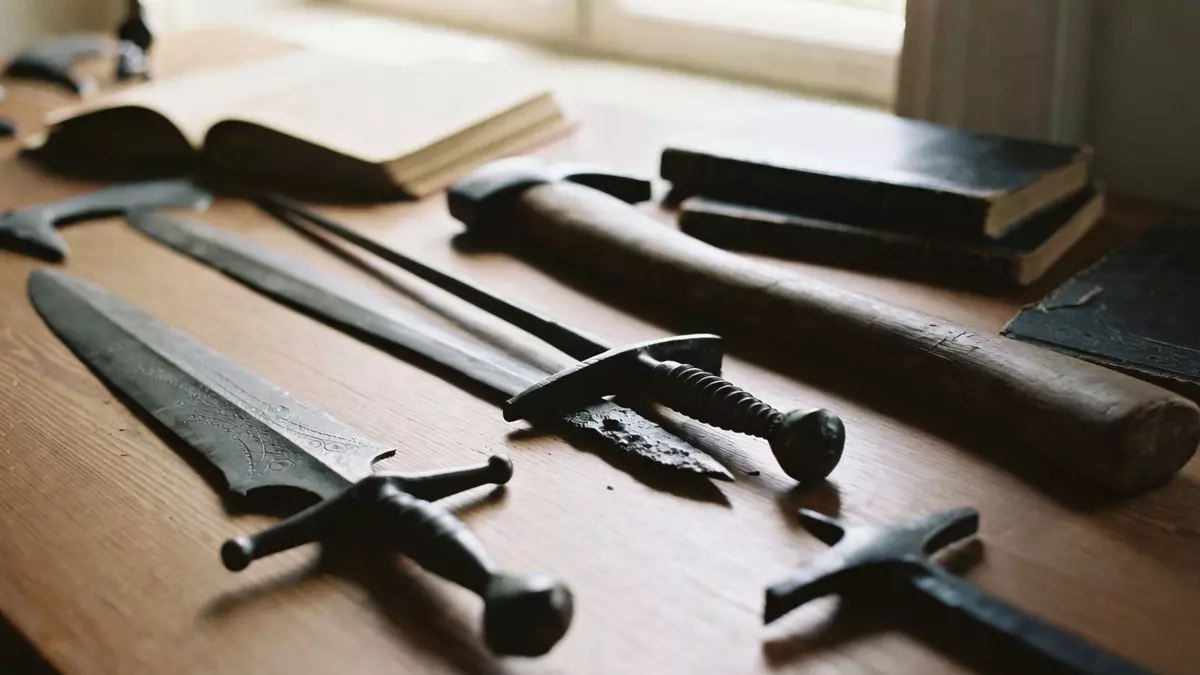
Think you can recognize legendary tools of war from just a tiny carved detail or close-up photo? This engaging weapons identification quiz puts your knowledge of military history to the test, challenging you to connect ancient artifacts with the powerful weapons they once formed.
From Bronze Age blades to medieval siege engines, warfare has shaped human civilization for thousands of years. Each weapon reflects the technology, culture, and tactics of its era. Many survive today only as fragments, yet these pieces tell remarkable stories about battles won and lost. Whether you’re a weekend history enthusiast or serious student of ancient conflicts, this quiz offers an exciting way to explore the past through the objects soldiers once carried into combat.

10 Ancient Weapons Quiz Reveals Hidden History
### Why Historical Weapons Still Fascinate Us
Weapons from centuries and millennia ago represent far more than instruments of destruction. They embody human ingenuity, survival instincts, and cultural values. Ancient armies relied on materials available in their environments — bronze, iron, wood, and stone — to create tools that could decide the fate of empires.
The evolution of weaponry mirrors broader technological progress. Early humans crafted simple spears and clubs, while later civilizations developed sophisticated swords, bows, and eventually firearms. Understanding these objects helps us appreciate how battles were fought and why certain designs succeeded or failed across different time periods and regions.
This weapons of the world quiz focuses on close-up views and intricate details that might surprise even experienced history buffs. Can you identify a Viking axe from its blade pattern? Or recognize a Roman gladius from its hilt design? These challenges bring military archaeology to life in an interactive format.
### The Evolution of Weapons Through the Ages
**Bronze Age Blades and Early Warfare**
During the Bronze Age, around 3000 to 1200 B.C., metalworking revolutionized combat. Swords and daggers made from copper and tin alloys offered superior strength compared to stone tools. These weapons allowed for more organized warfare and the rise of professional warriors.
Close-up images in the quiz might show distinctive leaf-shaped blades or riveted handles typical of this period. Such details reveal not only craftsmanship but also trade networks, as tin was often sourced from distant regions like Cornwall in Britain.
**Iron Age Swords and the Power of Celtic and Roman Armies**
The introduction of iron brought stronger, more durable weapons. Celtic warriors wielded long slashing swords, while Roman legions preferred the shorter gladius for thrusting in tight formations. These differences in design reflected contrasting military philosophies — one emphasizing individual bravery, the other disciplined group tactics.
Quiz participants often struggle with fragmented pieces showing specific forging patterns or decorative engravings that identify the culture of origin. Learning to spot these clues deepens appreciation for how weapons were status symbols as well as tools of war.
**Medieval European Arms and Armor**
The Middle Ages saw an explosion of weapon variety. Knights relied on broadswords, maces, and lances, while foot soldiers used polearms and crossbows. Siege weapons like catapults and trebuchets could hurl massive stones against castle walls, changing the nature of fortifications forever.
A common quiz challenge involves identifying a weapon from just its pommel or a small section of its shaft. These details often include heraldic symbols or maker’s marks that connect the object to specific historical figures or battles.
**Asian and Middle Eastern Weapon Traditions**
Warfare in other parts of the world developed along unique paths. Japanese samurai swords (katanas) featured distinctive curved blades perfected through folding techniques. Mongol horsemen favored composite bows made from wood, horn, and sinew that could strike targets from great distances while riding.
Islamic armies produced beautifully decorated scimitars and daggers with intricate patterns. The quiz highlights how cultural and religious influences appeared in weapon decoration, turning functional objects into works of art.
**Firearms and the Dawn of Modern Warfare**
By the 14th century, gunpowder weapons began transforming battlefields. Early hand cannons evolved into muskets and rifles. Even small fragments showing firing mechanisms or barrel rifling can reveal the technological leap that eventually made traditional armor obsolete.
These later weapons in the quiz demonstrate how industrialization changed combat, setting the stage for conflicts in the modern era.
### What Makes This Weapons Quiz Different
Unlike standard history tests, this quiz uses high-resolution close-ups and partial views to simulate real archaeological discovery. You might see only the tip of a spear or the decorative inlay on a dagger hilt. Matching these details to the complete weapon trains your eye for historical patterns and improves visual recognition skills.
The experience appeals to visual learners and those who enjoy detective-style challenges. Each question includes educational feedback explaining the weapon’s historical context, typical use in battle, and why its design mattered.
Many participants discover surprising connections. A seemingly simple arrowhead might link to a major migration period, while a gun fragment could relate to a pivotal revolution. This approach transforms passive reading into active learning.
### The Role of Archaeology in Understanding Ancient Warfare
Military artifacts provide tangible links to the past that written records alone cannot offer. Excavations at battle sites often yield bent swords, broken arrowheads, and other debris that reveal the intensity of fighting. Chemical analysis can even show what metals were used and where they originated.
Experts in paleoanthropology and archaeology study these objects to understand not just how people fought but how societies organized themselves for war. Weapons discoveries frequently challenge assumptions about ancient tactics and technologies.
For example, perfectly preserved Viking weapons found in Scandinavian bogs show advanced pattern-welding techniques that created flexible yet strong blades. Similarly, Mayan and Aztec obsidian-edged clubs demonstrate that sophisticated warfare existed in the Americas long before European contact.
### How to Improve Your Historical Weapon Knowledge
Regular engagement with quizzes like this builds pattern recognition over time. Start by learning basic weapon categories: edged weapons, blunt instruments, projectile launchers, and siege equipment. Then explore regional variations and how materials influenced design.
Books on military history, museum visits, and documentary series complement quiz practice. Pay special attention to the functional aspects — why a curved blade works better for cavalry or why certain crossbow mechanisms required less training than longbows.
The satisfaction of correctly identifying an obscure artifact from a tiny clue mirrors the thrill archaeologists feel during real discoveries. This weapons of the world quiz makes that excitement accessible to everyone.
### Connecting Past Conflicts to Today’s World
Understanding historical weapons provides valuable perspective on current events. Many modern military concepts trace their roots to ancient innovations. The balance between offense and defense, the importance of logistics, and the psychological impact of weaponry remain relevant today.
Additionally, these artifacts remind us of the human cost of war. Behind every sword or musket lies a story of conflict, courage, and sometimes tragedy. Educational quizzes help foster respectful engagement with this difficult aspect of history.
**Conclusion**
This weapons identification quiz opens an exciting doorway into the world of ancient and medieval warfare. By testing your ability to recognize tools of war from small visual clues, it transforms abstract history into something tangible and memorable. Each correct answer brings you closer to understanding the people who shaped our world through conflict and innovation.
Whether you score perfectly or learn something new with every question, the real reward lies in the journey through time. These historical objects continue teaching us about resilience, creativity, and the complex forces that drive human societies. Challenge yourself today and discover how much you really know about the weapons that changed history.
The next time you encounter a museum display or documentary featuring ancient arms, you’ll view them with fresh appreciation and sharper recognition. History comes alive when we actively engage with its surviving fragments.
**FAQ**
**Q: What types of weapons appear in the history quiz?**
A: The quiz features a wide range from Bronze Age swords and daggers to medieval axes, bows, early firearms, and even large siege weapons like catapults. Questions focus on close-up details rather than full views.
**Q: Is this quiz suitable for beginners?**
A: Absolutely. While history enthusiasts will enjoy the challenge, explanations accompany each answer, making it educational and accessible for casual fans too.
**Q: How accurate are the weapon images used?**
A: All examples come from real historical artifacts or high-quality reproductions, helping users develop genuine recognition skills based on authentic archaeological evidence.
**Q: Can playing this quiz actually improve my knowledge?**
A: Yes. Regular play strengthens visual memory, cultural awareness, and understanding of how technology influenced warfare across different eras and regions.
**Q: Are there similar quizzes about other historical topics?**
A: Many platforms offer quizzes on ancient armor, famous battles, historical figures, and archaeological discoveries. This weapons quiz stands out for its focus on detailed artifact identification.
**Q: Why do archaeologists study old weapons?**
A: Weapons provide insights into trade routes, social structures, technological advancement, and daily life in past societies. They complement written records with physical evidence of how conflicts were fought.
**Q: How old are some of the weapons featured?**
A: Some examples date back several millennia to the Bronze Age, while others represent more recent centuries. The range showcases the long evolution of human conflict technology.