
Table of Contents
Ancient DNA Reveals Sámi Man’s Iceland Journey
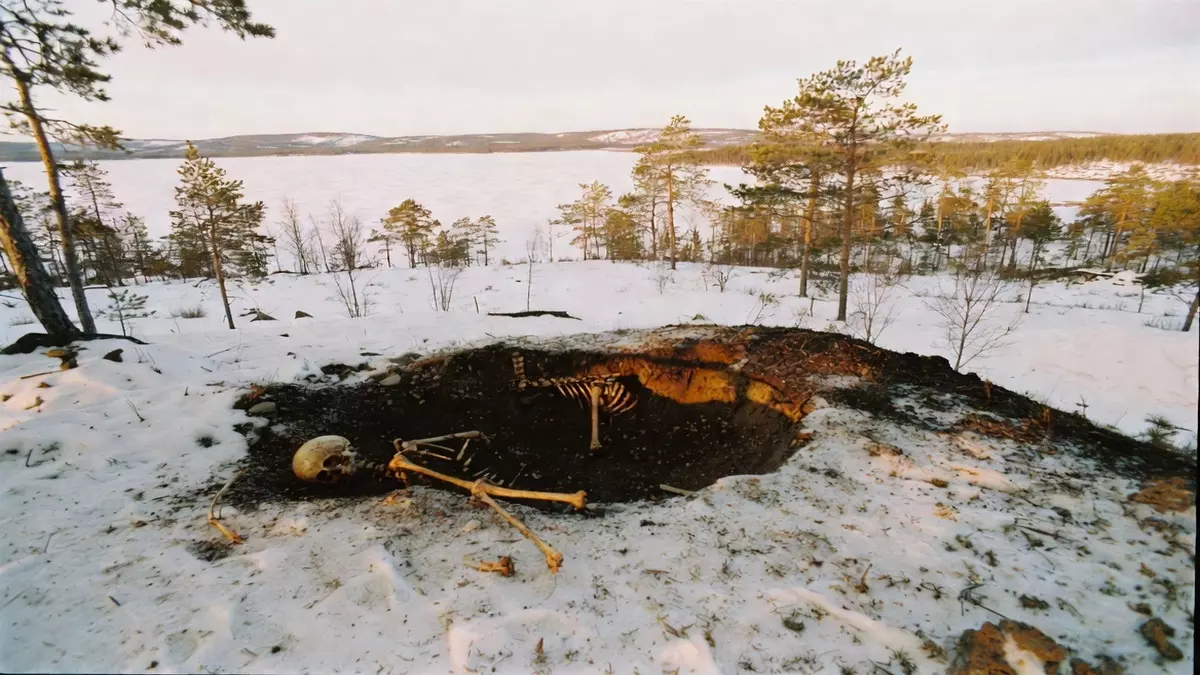
Ancient DNA and isotope analysis have uncovered the remarkable life story of a man buried 400 years ago near Lake Kitka in northern Finland. The findings show he had strong Sámi ancestry and spent significant time in a distant North Atlantic location, most likely Iceland, before returning to his northern homeland for his final years.
This groundbreaking bioarchaeological study provides rare personal insight into a turbulent period of cultural change in northern Fennoscandia. It challenges simple assumptions about identity and mobility in the early 17th century, revealing a life shaped by long-distance travel, shifting environments, and complex cultural connections.
Ancient DNA Reveals Sámi Man’s Iceland Journey
### The Mysterious Burial at Kitka
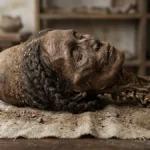
In the 1970s, archaeologists discovered the burial near Lake Kitka in Kuusamo, northern Finland. The grave dates to the late 1500s or early 1600s, a time when written records of the region remain sparse. Graves from this transitional period are uncommon in northern Finland, making the find especially valuable.
The individual, estimated to have died around age 40, was buried in a manner consistent with local traditions of the period. However, advanced scientific analysis has now shown that his life was far more mobile and culturally layered than his final resting place initially suggested.
### Sámi Ancestry Confirmed Through Ancient DNA
Researchers extracted DNA from the man’s teeth and compared it with both ancient and modern reference populations. The results revealed a clear genetic connection to Sámi groups, with the strongest matches among modern and historical Sámi populations in northeastern Lapland.
Within Finland, the closest genetic links appeared with people from the northeast rather than southern or central regions. This pattern aligns with historical Sámi territories and suggests long-term interaction and mixing between Sámi and Finnish populations in the northern borderlands.
Importantly, the researchers emphasize that genetics reveals ancestry and population history but does not define ethnic or cultural identity. Sámi identity encompasses language, traditions, livelihoods, and community belonging that go far beyond DNA.
### Evidence of Long-Distance Travel
Isotope analysis of the man’s teeth provided a detailed map of his life experiences. The chemical signatures recorded in dental enamel reflect diet and environment during childhood and adolescence.
– **Childhood diet**: Included land animals, freshwater fish, and some marine foods.
– **Later years**: Marine foods became dominant, while freshwater fish largely disappeared.
This dietary shift is significant because freshwater fish remained a staple in the Kuusamo region. The change strongly suggests the man spent years in a different environment dominated by ocean resources.
Drinking water isotopes provided even clearer evidence of relocation. The geological signal from his later years does not match Finnish bedrock. Instead, it points toward a volcanic region in the North Atlantic — with Iceland emerging as the strongest candidate.
### Possible Iceland Connection in the 16th–17th Centuries
Historical records document occasional movement between northern Fennoscandia and North Atlantic islands during this era. Trade, fishing expeditions, missionary activities, and colonial ventures created pathways across these regions. Some Sámi individuals may have participated in maritime activities or traveled with Danish-Norwegian expeditions that connected Scandinavia with Iceland.
The man appears to have left northern Finland during late childhood or adolescence, spent considerable time in an Icelandic or similar North Atlantic setting, and later returned to the Kuusamo area before his death. This mobility paints a picture of an individual who navigated multiple cultural and environmental worlds.
### Insights Into a Period of Profound Change
The burial dates to a transformative era in northern Finland. Between the 17th and 19th centuries, Finnish agricultural settlement expanded northward. This process pressured traditional Sámi semi-nomadic lifeways based on reindeer herding, fishing, and hunting. The Kemi Sámi language gradually disappeared, and many communities experienced cultural assimilation.
The Kitka individual lived during the early stages of these changes. His life story — blending Sámi genetic ancestry with long-distance travel — offers a personal window into this complex transitional period. He may represent the experiences of many undocumented individuals who moved between emerging Finnish settlements and traditional Sámi territories, or even ventured further afield.
Earlier interpretations suggested he could have been a *noaidi* — a traditional Sámi shaman or ritual specialist. The new data does not contradict this possibility. A person with wide experience and knowledge of distant lands might have held special status within Sámi communities.
### Scientific Methods Behind the Discovery
The study combined two powerful bioarchaeological techniques:
1. **Ancient DNA analysis**: Extracted and sequenced genetic material to determine ancestry and population relationships.
2. **Stable isotope analysis**: Measured ratios of different forms of carbon, nitrogen, strontium, and oxygen preserved in teeth to reconstruct diet and geographic movement.
This multidisciplinary approach allowed researchers to reconstruct not just who the man was genetically, but how his life unfolded across decades and landscapes. The combination of genetic and chemical evidence provides a richer biography than either method could achieve alone.
### Broader Significance for Sámi History and Research
This discovery contributes to growing efforts to document Sámi history using scientific methods while respecting cultural sensitivities. Sámi communities have often been marginalized in historical narratives, and studies like this help restore their central role in northern European history.
The research also demonstrates the value of re-examining older archaeological finds with modern technology. The Kitka burial, discovered decades ago, yielded transformative new insights once ancient DNA and isotope methods became available.
Genetic genealogy enthusiasts showed interest in the case, hoping for direct family connections. However, researchers caution that linking a person from 400 years ago to specific living individuals is not scientifically reliable. Ancient DNA illuminates population history far better than individual family trees at this time depth.
### Life in Northern Fennoscandia 400 Years Ago
The man’s story reflects the dynamic realities of life in the far north during the early modern period. The Arctic and sub-Arctic regions connected distant communities through trade networks involving furs, fish, and other resources. Seasonal movements, maritime activities, and cultural exchanges were more common than often portrayed in simplified historical accounts.
His mixed diet and mobility suggest adaptability and resourcefulness. The shift from freshwater to marine foods indicates he successfully integrated into new environments before eventually returning north.
### Future Research Opportunities
The study opens several promising avenues for further investigation. Additional ancient DNA and isotope studies from northern Finland and neighboring regions could clarify patterns of mobility and cultural interaction. Collaborative projects involving Sámi communities, archaeologists, and geneticists will be essential for respectful and meaningful research.
Advances in scientific techniques continue to improve our ability to extract information from ancient remains while minimizing damage. As more burials from this under-documented period are analyzed, a clearer picture of daily life, migration, and cultural resilience in the north is likely to emerge.
### Conclusion
The 400-year-old burial near Lake Kitka reveals the extraordinary life of a man with strong Sámi ancestry who traveled thousands of kilometers to Iceland or a similar North Atlantic region before returning to northern Finland. His story, reconstructed through ancient DNA and isotope analysis, offers a rare personal perspective on a period of profound cultural and environmental change in the European Arctic.
This discovery enriches our understanding of Sámi history, highlights the mobility of northern peoples, and demonstrates the power of modern science to illuminate lives that might otherwise remain silent. As researchers continue to study this transitional era, the Kitka man serves as a compelling reminder that the past was far more connected and dynamic than traditional narratives often suggest.
His journey across landscapes and cultures reflects the adaptability and resilience that have long characterized northern indigenous communities. Through scientific analysis, a single burial has become a window into a wider world of movement, identity, and survival in the early 17th century.
**FAQ**
**Q: How old is the Kitka burial in northern Finland?**
A: The burial dates to the late 1500s or early 1600s, making the individual approximately 400 years old.
**Q: What does the ancient DNA show about the man’s ancestry?**
A: He had strong genetic ties to Sámi populations, with the closest links to groups in northeastern Lapland.
**Q: What evidence suggests he lived in Iceland?**
A: Isotope analysis of his teeth shows a major change in drinking water and diet during adolescence that best matches a North Atlantic volcanic region, most likely Iceland.
**Q: Was he possibly a Sámi noaidi (shaman)?**
A: Earlier interpretations suggested this possibility. The new findings do not rule it out and add context about his wide experience and mobility.
**Q: Why is this discovery important for Sámi history?**
A: It provides rare personal evidence from a poorly documented transitional period when Finnish settlement expanded and traditional Sámi ways of life faced increasing pressure.
**Q: Can the man be connected to living families?**
A: No. Researchers state that ancient DNA from 400 years ago cannot reliably link to specific modern individuals.
**Q: What methods were used in the study?**
A: Scientists combined ancient DNA sequencing for ancestry with stable isotope analysis of teeth to reconstruct diet and geographic movement throughout his life.