
Table of Contents
300 Volunteers Restore England’s Ancient Chalk Giant
Hundreds of dedicated volunteers have stepped up to rescue one of Britain’s most intriguing prehistoric landmarks from the forces of nature. The Cerne Abbas Giant, a massive naked figure carved into a Dorset hillside, is getting a much-needed refresh as climate shifts and natural erosion threaten its visibility.
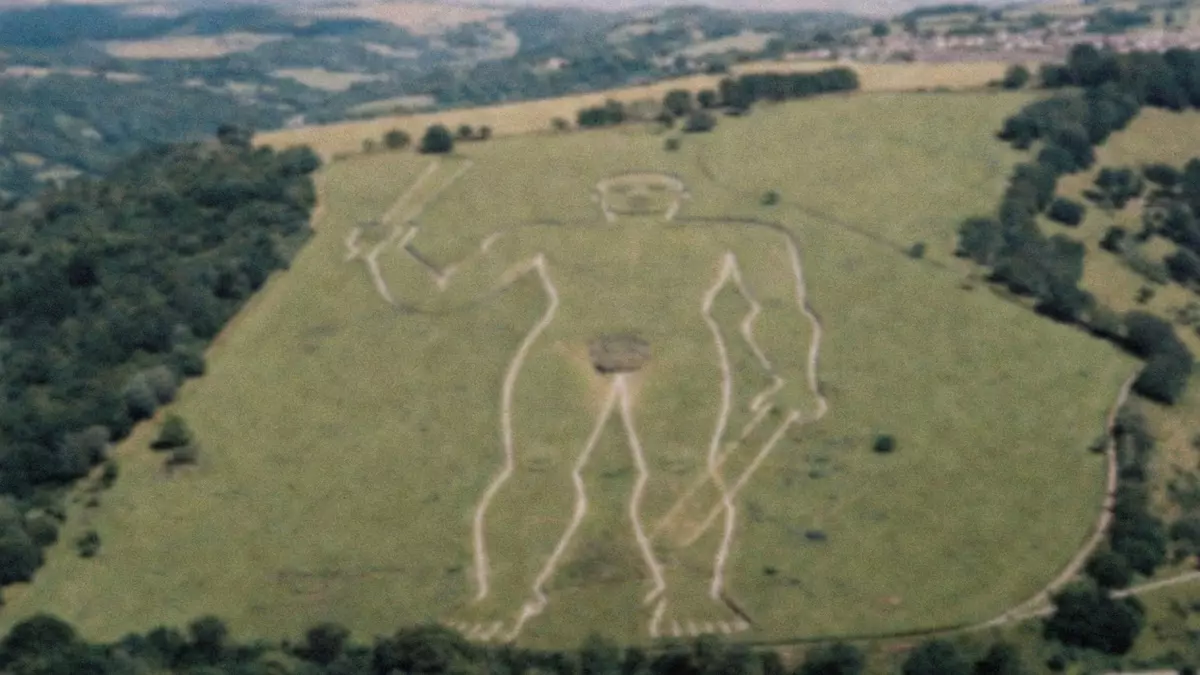
This beloved ancient monument, stretching 180 feet tall, continues to captivate visitors and researchers alike. With its prominent club and unmistakable form, the giant stands as a powerful symbol of England’s mysterious past. This year’s restoration project highlights both the challenges of preserving historic sites and the community spirit that keeps them alive for future generations.

300 Volunteers Restore England’s Ancient Chalk Giant
### The Remarkable Restoration Effort Underway
In the rolling hills above the village of Cerne Abbas in Dorset, approximately 300 volunteers recently gathered with shovels, hand tools, and bags of fresh chalk. Their mission: to re-carve and replenish the trenches that form the outline of this colossal figure. The work is physically intense, requiring teams to haul heavy materials up steep slopes under demanding conditions.
This maintenance happens roughly every ten years. The previous major effort took place in 2019, but heavy winter rains and warmer summers have accelerated the fading process. Volunteers this season faced record May heat across the UK, forcing organizers to adjust schedules and work around threatening rain showers.
The process involves several careful steps. First, crews remove old, compacted chalk and clear away intrusive vegetation, including weeds and algae that thrive in changing weather patterns. Then they refill the trenches with bright new chalk rubble to restore the giant’s sharp, gleaming contrast against the green hillside. The result brings the 55-meter-tall man back into clear view for locals and tourists.
### Understanding the Cerne Abbas Giant

The Cerne Abbas Giant depicts a naked male figure brandishing a large club in his right hand. Created by digging deep trenches into the chalky soil and filling them with white rubble, the landmark has become one of England’s most recognizable ancient earthworks. Its bold design has sparked curiosity for centuries.
For a long time, experts debated its origins. Some proposed prehistoric roots, possibly linking it to ancient fertility rituals. Others suggested Roman influence. However, scientific analysis conducted by the National Trust in 2021 provided clearer answers. Soil samples dated the giant’s creation to between 700 and 1100 CE, pointing to the late Anglo-Saxon period in medieval England.
Despite the more precise timeline, the figure’s true purpose remains a fascinating mystery. Many theories connect it to fertility traditions, suggesting it may have played a role in ancient customs related to marriage or agriculture. Another popular idea links the club-wielding man to Hercules, the legendary Greek hero whose stories spread across Europe through Roman culture. Without definitive evidence, these interpretations continue to fuel lively discussions among historians and archaeologists.
### Why Climate Change Threatens Ancient Landmarks
Recent restoration work at Cerne Abbas comes at a critical time. Changing weather patterns — wetter winters that wash away chalk and hotter, drier periods that encourage plant overgrowth — are affecting historic sites across Britain and beyond. The giant’s hillside location makes it particularly vulnerable to natural erosion.
Conservationists note that many similar monuments face similar pressures. The famous Uffington White Horse in Oxfordshire, another chalk figure believed to be much older, also requires regular attention. These sites represent precious connections to our ancestors, and their preservation demands ongoing commitment and resources.
The National Trust’s recent purchase of more than 320 acres of surrounding land, funded by a successful £330,000 campaign, marks an important step forward. This expanded protection allows for broader archaeological surveys and environmental studies. Future excavations could reveal how the giant fit into the medieval landscape and whether nearby settlements or structures offer additional clues about its creation and use.
### The Community Spirit Behind Heritage Preservation
One of the most inspiring aspects of this project is the diverse group of volunteers who participated. Some lived in nearby Dorset villages, while others traveled from across Britain and even overseas. Their shared dedication demonstrates how heritage sites bring people together across generations and backgrounds.
Working on the giant is no easy task. Volunteers spend long hours navigating the steep terrain, often in challenging weather. Yet the satisfaction of seeing the figure emerge crisp and bright again makes the effort worthwhile. Many describe the experience as deeply rewarding, connecting them personally to England’s ancient history.
Organizations like the National Trust play a vital role in coordinating these efforts. Their expertise ensures that restoration methods respect the site’s historical integrity while using sustainable practices. The use of traditional chalk materials helps maintain authenticity and environmental compatibility.
### Exploring Similar Ancient Monuments in Britain
The Cerne Abbas Giant belongs to a fascinating tradition of large-scale landscape art in the British Isles. Other notable examples include:
– The Uffington White Horse, dated to the Bronze Age and believed to represent a sacred symbol.
– The Long Man of Wilmington in East Sussex, another mysterious hill figure with debated origins.
– Various turf mazes and geometric earthworks scattered across the countryside.
These monuments required immense labor and planning from ancient communities. Studying them provides insights into social organization, religious beliefs, and artistic expression in periods before written records were common. The Cerne Abbas Giant stands out due to its explicit human form and impressive scale, making it a standout attraction for visitors interested in British heritage.
Modern technology, including drone photography and soil analysis, has enhanced our ability to study and protect these sites. The 2021 dating of the giant showcases how scientific methods continue to refine our understanding of the past.
### The Broader Importance of Preserving Cultural Heritage
Protecting landmarks like the Cerne Abbas Giant goes beyond simple maintenance. These sites contribute significantly to local economies through tourism, education, and cultural identity. They also serve as outdoor classrooms where people of all ages can learn about history, archaeology, and environmental stewardship.
As climate challenges increase, heritage organizations are adapting their strategies. This includes monitoring erosion rates, experimenting with protective measures, and engaging communities in conservation work. The Cerne Abbas project exemplifies successful collaboration between experts, volunteers, and supporters.
Looking ahead, expanded land ownership around the giant opens exciting possibilities. Researchers hope to uncover artifacts, settlement patterns, or additional earthworks that could illuminate daily life during the Anglo-Saxon era. Every discovery adds another piece to the rich tapestry of British history.
**Conclusion**
The latest restoration of the Cerne Abbas Giant reminds us of the delicate balance between nature and human legacy. Thanks to the hard work of 300 volunteers and the National Trust’s ongoing commitment, this enigmatic chalk figure will continue inspiring wonder for years to come. As climate conditions evolve, such proactive preservation efforts become increasingly essential for safeguarding our shared heritage.
Whether viewed as a fertility symbol, a representation of Hercules, or something entirely unique, the giant connects us to ancestors who shaped the landscape with vision and determination. Its enduring presence on the Dorset hillside stands as a testament to both ancient creativity and modern dedication. By supporting projects like this, we ensure that future generations can experience the same sense of awe and curiosity that draws thousands of visitors today.
**FAQ**
**Q: How old is the Cerne Abbas Giant?**
A: Scientific testing by the National Trust in 2021 dates the figure to between 700 and 1100 CE, making it roughly 900 to 1,300 years old from the late Anglo-Saxon period.
**Q: Why does the giant need regular restoration?**
A: Natural erosion, rainfall, and vegetation growth gradually soften the chalk trenches. Wetter winters and hotter summers have sped up this process in recent years.
**Q: What does the Cerne Abbas Giant represent?**
A: The purpose remains uncertain. Popular theories suggest it relates to fertility rituals or depicts the mythological hero Hercules. No single explanation has been proven.
**Q: How big is the Cerne Abbas Giant?**
A: The figure measures about 55 meters (180 feet) tall, making it one of the largest hill figures in Britain. It depicts a naked man holding a club.
**Q: Who maintains the Cerne Abbas Giant?**
A: The National Trust oversees conservation, organizing volunteer teams for major restorations approximately every decade. Around 300 people participated in the most recent project.
**Q: Can visitors see the giant during restoration?**
A: Access may be limited during active work for safety reasons, but the site generally welcomes visitors year-round. Checking with the National Trust provides current information.
**Q: What other land was recently protected near the giant?**
A: The National Trust acquired over 320 acres of surrounding countryside through a £330,000 fundraising effort, enabling future archaeological research and better landscape management.