
Table of Contents
200,000-Year-Old Grass Beds Reveal Stone Age Home Life
Archaeologists have uncovered remarkable evidence that Stone Age humans in southern Africa created and carefully maintained sophisticated grass bedding nearly 200,000 years ago. A groundbreaking microscopic study at Border Cave reveals how Middle Stone Age people organized their living spaces with surprising sophistication, challenging old assumptions about early human domestic habits.
This discovery sheds new light on the daily lives of our ancient ancestors during a critical period of human evolution. By examining tiny sediment patterns, researchers have shown that early humans didn’t just sleep on the ground — they engineered comfortable, hygienic sleeping areas using local plants and fire management techniques that lasted for more than 150,000 years.
200,000-Year-Old Grass Beds Reveal Stone Age Home Life
### The Groundbreaking Discovery at Border Cave

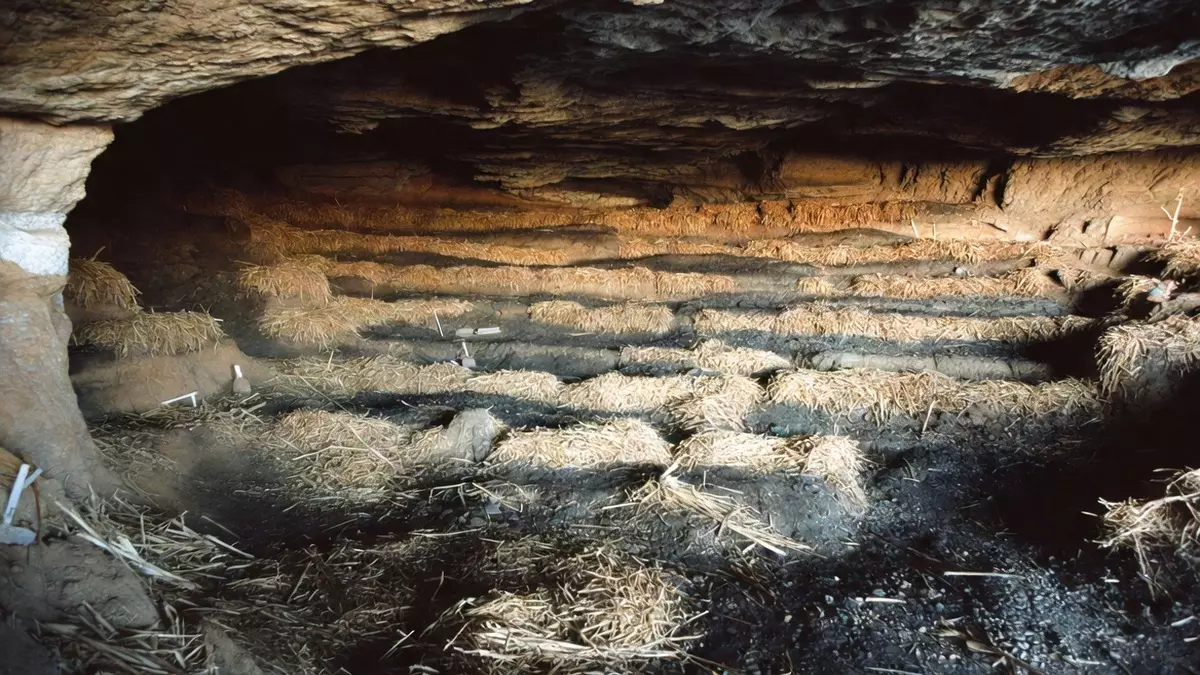
Border Cave, perched high in the Lebombo Mountains along the border between South Africa and Eswatini, has been a treasure trove for archaeologists since the 1930s. Recent excavations have benefited from exceptional preservation of organic materials, allowing scientists from the University of the Witwatersrand to study ancient plant bedding in unprecedented detail.
The new research, published in the *Journal of Archaeological Science*, identified six distinct microfacies — microscopic sediment signatures that reflect different approaches to building and maintaining beds. These patterns include variations in plant arrangement, ash content, trampling marks, and burning evidence. Some bedding types resemble those found at other South African sites like Sibhudu Cave and Diepkloof Rock Shelter, while others appear unique to Border Cave.
This study significantly expands our knowledge of early bedding practices. It demonstrates that Middle Stone Age people, who lived between approximately 200,000 and 43,000 years ago, invested considerable effort in creating comfortable domestic environments long before the development of agriculture or permanent villages.
### How Ancient Humans Built and Maintained Their Beds
One of the most consistent findings involves the strategic use of ash. Many bedding layers sat directly on top of ash deposits or were mixed with ash-rich sediments. Researchers believe this practice served multiple purposes: keeping sleeping areas dry, providing insulation for warmth during cooler nights, and repelling insects and pests.
The evidence suggests repeated maintenance over generations. Some beds show layers of fresh plant material added on top of older, trampled, or partially burned sections. A particularly well-preserved grass mat from more recent deposits contained multiple overlapping layers of dried and charred plants, offering the first detailed microscopic view of such a Stone Age sleeping surface.
Older layers at the site, dating back to around 200,000 years ago, often contained heavily charred bedding and high concentrations of phytoliths — microscopic silica structures from plants that survive burning. These dense deposits indicate frequent, intense use of the cave as a living space. In contrast, younger layers from 60,000 to 43,000 years ago showed less fragmentation and burning, possibly reflecting shorter stays or smaller group sizes.
### Plant Choices and Local Adaptation
The bedding at Border Cave primarily used grasses from the Panicoideae subfamily, differing from the sedges and reeds preferred at nearby Sibhudu Cave. This variation likely reflects both the availability of local vegetation and possible cultural preferences in how different groups prepared their sleeping areas.
Microscopic analysis reveals that people selected specific plants for their texture, durability, and perhaps even aromatic qualities. The repeated renewal of these materials points to a level of planning and environmental knowledge that highlights the cognitive sophistication of Middle Stone Age humans.
### Reinterpreting the “Brown Sand” Layers
The study challenges previous interpretations of certain cave deposits. Archaeologists had traditionally viewed “brown sand” layers as periods of low human activity compared to artifact-rich white ash layers. However, microscopic evidence from bedding shows that some brown sand periods actually involved significant activity, including repeated bed construction and heavy disturbance.
Researchers propose two explanations: brief but intense occupations during otherwise quiet times, or slower sediment buildup that left older bedding exposed and vulnerable to later mixing by new visitors. This nuanced understanding paints a more dynamic picture of cave use over tens of thousands of years.
### Why This Matters for Human Evolution
The Border Cave findings add compelling evidence that Middle Stone Age people actively shaped their immediate environments. Behaviors such as selecting plants, managing fire residues, refreshing bedding, and organizing sleeping spaces suggest increasingly complex social structures and domestic routines.
These practices emerged during a pivotal time in human evolution, when modern behaviors like symbolic thinking, advanced tool use, and long-distance trade were developing. Structured living spaces may have contributed to better health, rest, and social cohesion — factors that could have provided evolutionary advantages.
Comparisons with other African sites strengthen this view. Together, Border Cave, Sibhudu, and Diepkloof demonstrate that bedding construction was a widespread practice across southern Africa, not an isolated behavior. This regional pattern indicates shared knowledge and traditions passed down through generations.
### The Role of Fire and Ash in Early Domestic Life
The consistent association between ash and bedding highlights the sophisticated use of fire by early humans. Beyond cooking and warmth, fire residues played a practical role in daily hygiene and comfort. This multi-purpose approach to fire management represents an important step toward the kind of environmental control seen in later human societies.
The evidence leaves some questions open, such as whether people deliberately spread fresh ash before laying new plants or simply built on existing deposits. Either way, the repeated pattern across thousands of years shows this was a deliberate, culturally transmitted practice rather than random behavior.
### Broader Context of Middle Stone Age Innovations
The Border Cave study fits into a larger picture of Middle Stone Age achievements. During this period, humans developed more refined stone tools, created early art and ornaments, and began burying their dead with ritual elements. The addition of sophisticated bedding practices completes our understanding of daily life, showing that innovation extended to the most intimate aspects of existence.
These discoveries emphasize Africa’s central role in human origins. As the cradle of humankind, the continent continues to yield evidence that reshapes our understanding of when and how modern behaviors emerged. Sites like Border Cave preserve fragile organic materials that rarely survive elsewhere, offering unique windows into the past.
### Climate and Preservation Factors
The remarkable preservation at Border Cave stems from its protected rock shelter environment and specific sediment conditions. Similar conditions at other sites have allowed researchers to recover plant remains, charcoal, and even ancient DNA. However, many open-air locations from this period have lost such delicate evidence to time and weather.
Ongoing climate challenges make continued study of these sites urgent. As researchers race to document and protect remaining deposits, each new analysis adds crucial data points to our knowledge of early human adaptation and resilience.
**Conclusion**
The discovery of complex grass beds built and maintained by Stone Age humans at Border Cave 200,000 years ago represents a major advance in understanding our ancestors’ daily lives. Far from primitive cave dwellers, these early humans demonstrated remarkable ingenuity in creating comfortable, maintained living spaces using available resources and fire technology.
This research not only enriches our knowledge of Middle Stone Age behavior but also highlights the deep roots of human tendencies toward order, comfort, and domestic innovation. As more microscopic studies emerge from African sites, we continue to uncover the sophisticated capabilities that helped our species thrive and eventually spread across the globe.
The Border Cave findings remind us that the foundations of modern home life — creating safe, clean sleeping areas and managing our immediate environment — stretch back hundreds of thousands of years. These ancient practices represent an important chapter in the long story of human adaptation and cultural development.
**FAQ**
**Q: How old is the oldest bedding evidence at Border Cave?**
A: Microscopic analysis dates some bedding layers to around 200,000 years ago, with continuous evidence of plant-based bedding practices spanning more than 150,000 years until about 43,000 years ago.
**Q: What materials did Stone Age people use for bedding?**
A: They primarily used grasses from the Panicoideae subfamily, often combined with ash layers. Different sites show preferences for grasses, sedges, or reeds depending on local availability.
**Q: Why did ancient humans mix ash with their bedding?**
A: Ash likely helped keep sleeping areas dry, provided insulation for warmth, and deterred insects. It formed a regular part of their domestic maintenance routine.
**Q: How does Border Cave compare to other Stone Age sites?**
A: It shows both similarities and unique features compared to Sibhudu Cave and Diepkloof Rock Shelter. Border Cave preserves a wider variety of bedding microfacies and different plant choices.
**Q: What does this discovery tell us about early human intelligence?**
A: It demonstrates advanced planning, environmental knowledge, and cultural transmission of practical skills. Creating and maintaining beds reflects structured domestic behavior and cognitive sophistication.
**Q: Where is Border Cave located?**
A: The rock shelter sits in the Lebombo Mountains on the border between South Africa and Eswatini, offering stunning views over the Ingwavuma River valley.
**Q: Will more research be conducted at Border Cave?**
A: Yes. The exceptional preservation at the site continues to yield new insights, and future studies will likely explore additional aspects of Middle Stone Age life through advanced microscopic and chemical analyses.