
Table of Contents
**Rare Copper Whisky Still Piece Found in Hidden Scottish Bothy**
Archaeologists have uncovered rare physical evidence of Scotland’s illicit whisky trade high in the hills of the central Highlands. A small copper fitting from an illegal still, discovered inside a ruined stone bothy at Ben Lawers National Nature Reserve, offers a fascinating glimpse into the secretive world of 18th- and 19th-century whisky smuggling.
This exciting find brings to life the stories of Highland tenants who risked everything to produce their own whisky, turning remote glens into hidden distilleries during a time of heavy government taxation and strict excise laws.
Rare Copper Whisky Still Piece Found in Hidden Scottish Bothy
### The Discovery at Ben Lawers National Nature Reserve
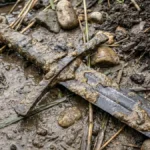
Working as part of the National Trust for Scotland’s archaeology team, researchers excavated a narrow gully near Lochan nan Cat along the upper reaches of the Lawers Burn. Led with support from dedicated volunteers, the dig uncovered a key component of a traditional copper still — a small alloy connector known in Gaelic as *An Gearradan*.
This fitting once linked the head of the still to the lyne arm, allowing vapors to flow during distillation. Its identification came after experts compared the artifact with an illustration in an early 20th-century Gaelic dictionary showing parts of a small illegal still, called *A Phoit-dhubh* or “black pot.”
The copper piece represents one of the few direct artifacts ever recovered from an illicit Highland distillery. Most smugglers removed or destroyed equipment to avoid detection, making this survival particularly significant.
### Inside the Secret Whisky Bothy
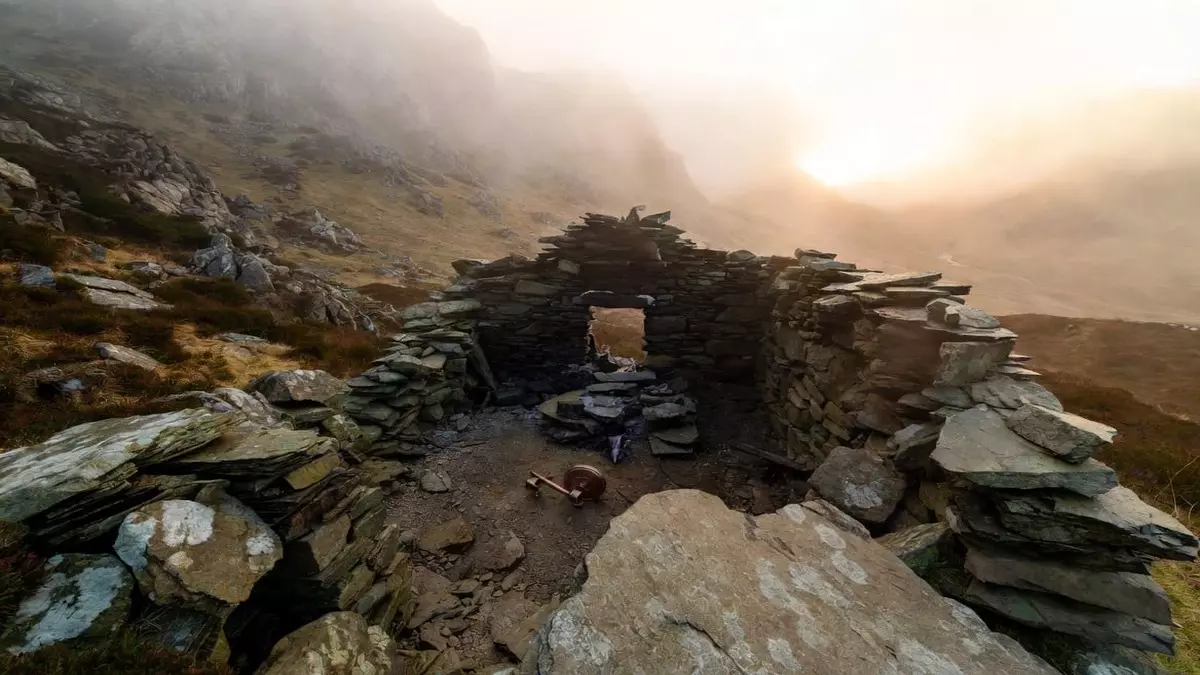
The bothy itself is a modest stone structure tucked low in a stream gully. Its hidden position was no accident. Bends in the burn shielded the building from view by anyone approaching from upstream or downstream. This careful placement shows the distillers’ deep knowledge of the landscape and how to evade excise officers who regularly patrolled the hills.
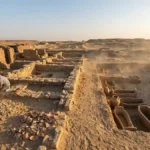
Inside the ruins, archaeologists found several well-preserved features tied directly to whisky production:
– A carefully constructed hearth with clear signs of repeated high-temperature burning.
– A stone-capped drain running beneath the floor, designed to carry away waste liquid.
– Part of a surviving wooden roof support trapped under collapsed walls.
These details paint a vivid picture of a functional, temporary distillery designed for quick setup and rapid dismantling if authorities drew near.
**Previous surveys** by the Royal Commission on the Ancient and Historical Monuments of Scotland had flagged the structure as a possible illicit bothy, but this excavation provides the first concrete evidence confirming its use.
### Scotland’s Long Tradition of Illicit Whisky Production
Illegal whisky distilling became widespread across the Scottish Highlands after the British government tightened taxes and excise laws in the late 18th century. For many Highland families, small-scale private production offered essential income in a harsh landscape where legal opportunities were limited.
Remote glens like those around Ben Lawers provided perfect hiding spots. Distillers built simple stone bothies far from main settlements and developed sophisticated warning systems to alert one another when excise men approached. Equipment was often portable, allowing crews to pack up and disappear quickly.
The Ben Lawers site is one of five suspected whisky bothies identified across the National Nature Reserve. The National Trust for Scotland’s *Pioneering Spirit* project, supported by The Glenlivet, has now documented around 30 similar locations across properties including Ben Lomond, Torridon, and Mar Lodge Estate.
This network of sites reveals how deeply whisky smuggling was woven into Highland culture. It was not merely law-breaking but often seen as an act of resistance against distant authorities who showed little understanding of local economic realities.
### Life as a Whisky Smuggler in the Highlands
Producing whisky in secret required skill, courage, and community cooperation. Distillers needed knowledge of water sources, peat for fuel, and barley preparation. They worked under cover of darkness or poor weather, always listening for approaching strangers.
The copper connector found at Ben Lawers likely survived because the still was abandoned in haste. When excise officers closed in, smugglers would grab what they could and flee, sometimes leaving small pieces behind in the rush. Larger, complete stills were rare finds because authorities destroyed them on sight to discourage the trade.
A well-preserved complete copper still from Cortachy, now displayed at the House of Dun near Montrose, offers a valuable comparison. While the Cortachy example operated in a more permanent building, the Ben Lawers bothy reflects the mobile, high-risk operations typical of truly remote Highland sites.
### Archaeological Significance and Preservation
Finds directly linked to illegal distilling remain uncommon precisely because participants worked so hard to avoid leaving traces. The discovery at Ben Lawers therefore holds special importance for understanding this hidden chapter of Scottish history.
The excavation demonstrates the value of targeted archaeological work in protected landscapes. Ben Lawers National Nature Reserve preserves not only rare wildlife but also important cultural heritage from centuries of human use.
Derek Alexander, Head of Archaeology at the National Trust for Scotland, emphasized the strategic thinking behind the site’s location. The hidden gully position reflects intimate knowledge of the terrain and a sophisticated understanding of how to remain undetected in an era of increasing government control.
Ongoing analysis of the site, including detailed recording of the copper fitting and associated features, will provide more data about the scale and methods of illicit production in this part of the Highlands.
### Broader Context of Highland Life and Resistance
The story of whisky smuggling connects to larger themes in Scottish history. After the Jacobite risings and the Highland Clearances, many communities faced economic hardship and cultural suppression. Small-scale distilling offered a way to maintain independence and generate income from local resources.
Whisky itself carried deep cultural meaning. Produced from malted barley, peat-smoked water, and traditional methods, it represented continuity with older Highland ways of life. The risk involved in its production only strengthened its place in folklore and identity.
Today, legal Scotch whisky is a major global industry and source of national pride. Discovering traces of its illicit predecessor helps complete the picture of how this beloved spirit evolved from secret bothies in the hills to world-renowned distilleries.
### Modern Connections and Cultural Heritage
Projects like *Pioneering Spirit* help bridge the gap between past and present. By investigating historic distilling sites, researchers and volunteers contribute to a richer understanding of Scotland’s cultural landscape while engaging new audiences with these compelling stories.
The Ben Lawers discovery has already captured public imagination. It reminds us that history often hides in plain sight — or in this case, in narrow gullies high in the mountains. Every artifact recovered adds another chapter to the living heritage of the Scottish Highlands.
For visitors to Ben Lawers National Nature Reserve, knowing these stories exists adds depth to the dramatic scenery. Hikers walking near Lochan nan Cat now traverse ground where determined distillers once worked by firelight, producing the spirit that would eventually become Scotland’s most famous export.
### Conclusion
The unearthing of a rare copper still component inside a hidden whisky bothy at Ben Lawers National Nature Reserve represents more than just an archaeological success. It revives the spirit of Scotland’s illicit distillers and illuminates a turbulent but resilient period in Highland history.
From the carefully positioned stone structure to the surviving *An Gearradan* connector, the site offers tangible links to people who turned ingenuity and courage into a way of life. Their legacy lives on in modern Scotch whisky and in the continued fascination with these romantic tales of resistance and resourcefulness.
As the *Pioneering Spirit* project continues, we can expect more discoveries that deepen our appreciation for this fascinating chapter of Scotland’s past. The small copper fitting, once part of a secret still, now stands as a powerful symbol of Highland determination and the enduring appeal of a dram produced against the odds.
This remarkable find invites all of us to reflect on how ordinary people throughout history have found ways to preserve their traditions and livelihoods in the face of challenging circumstances. In the quiet hills of Ben Lawers, the echoes of those secret operations still resonate.
## FAQ
**What was discovered inside the whisky bothy in Scotland?**
Archaeologists found a rare copper alloy connector from an illegal still, along with a hearth, drain, and wooden structural elements.
**How old is the illicit whisky site at Ben Lawers?**
The bothy dates to the late 18th and 19th centuries, when government taxes drove widespread illegal distilling in the Highlands.
**Why is the copper fitting so significant?**
It is one of the few direct artifacts from an illicit Highland distillery, identified by comparison with a historic Gaelic dictionary illustration.
**How did smugglers hide their operations?**
They built bothies in remote gullies with natural features that blocked views from multiple directions, allowing quick escapes.
**What was the purpose of the stone-capped drain?**
It carried away waste liquid from the distillation process, helping maintain a functional workspace inside the small structure.
**Are there other whisky bothies in Scotland?**
Yes. The National Trust for Scotland has identified around 30 suspected sites across various estates as part of the Pioneering Spirit project.
**Can visitors see the Ben Lawers whisky bothy site?**
The location is within Ben Lawers National Nature Reserve. While the excavation area may have limited access, the broader landscape remains open for hikers and nature enthusiasts.