
Table of Contents
**Neanderthals Mastered Year-Round Shellfish Harvesting 115,000 Years Ago**
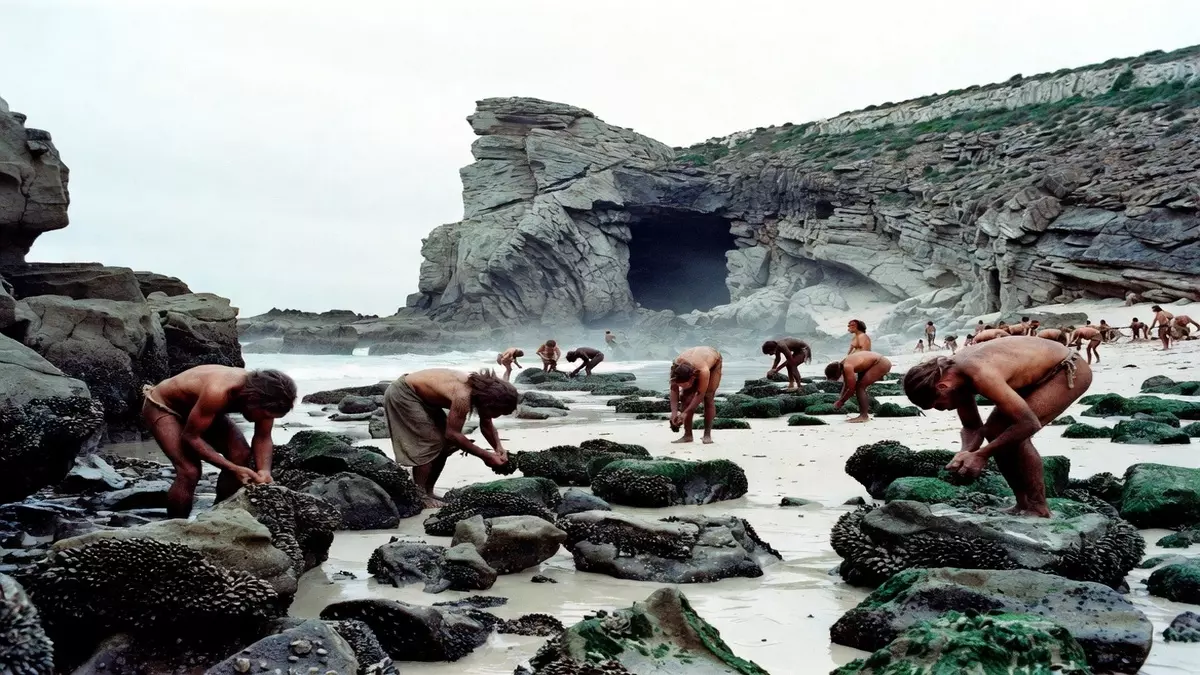
A groundbreaking discovery is reshaping our understanding of Neanderthal intelligence and adaptability. New research reveals that these ancient relatives systematically gathered shellfish along Europe’s southern coast every season around 115,000 years ago—long before modern humans arrived in the region.
This challenges long-held assumptions about early human behavior and highlights the sophisticated survival strategies of Neanderthals. The findings come from detailed analysis at Los Aviones Cave in Spain, offering fresh insights into how our extinct cousins thrived in coastal environments.
Neanderthals Mastered Year-Round Shellfish Harvesting 115,000 Years Ago
### Revolutionary Evidence from Los Aviones Cave
Scientists have uncovered compelling proof that Neanderthals didn’t just opportunistically snatch shellfish when other food was scarce. Instead, they followed a deliberate, seasonal pattern of marine resource use that closely mirrors later human practices.
The study, led by researchers from Universitat Autònoma de Barcelona, University of Burgos, and University of Cantabria, examined shell remains from the cave site. Their work demonstrates that Neanderthal groups returned to the coastline repeatedly throughout the year, with increased activity during the colder months from late autumn through early spring.

This level of organization suggests advanced planning abilities. Neanderthals understood marine cycles, knew when shellfish offered the best nutritional payoff, and timed their foraging to minimize health risks—behaviors once thought unique to Homo sapiens.
### How Scientists Unlocked Ancient Harvesting Patterns
The research team used a clever scientific technique involving oxygen isotopes preserved within the shells of limpets and small sea snails, particularly the gastropod species *Phorcus turbinatus*. As these mollusks grow, their shells record changes in seawater temperature, creating a chemical calendar of seasons.

By analyzing these isotope signatures, researchers could pinpoint exactly when Neanderthals collected each specimen. The results showed consistent harvesting activity across all seasons, but with a clear peak during winter and early spring months. This wasn’t random collection during food shortages but a strategic approach to coastal resources.
The findings align remarkably well with harvesting patterns seen in later Upper Paleolithic and Mesolithic populations in southern Europe, suggesting Neanderthals developed these skills independently and effectively.
### Why Winter Shellfish Made Perfect Sense
Several practical advantages likely drove the heavier cold-season focus. Many shellfish species reach peak meat content and flavor during their reproductive periods in cooler waters. Harvesting then provided more substantial meals with less effort.
Warmer months brought higher risks of harmful algal blooms and faster spoilage, potentially leading to foodborne illness. By concentrating efforts in safer, more productive seasons while still maintaining year-round access, Neanderthals showed impressive environmental knowledge and risk management.
This strategic approach maximized nutritional benefits. Shellfish delivered high-quality protein, beneficial omega-3 fatty acids, and essential minerals like zinc—nutrients critical for brain development, immune function, and reproductive health. These marine foods likely complemented a diverse diet that included terrestrial game, plants, and other resources.
### Changing Views on Neanderthal Capabilities
For years, archaeologists debated the extent of Neanderthal use of marine resources. Some experts viewed regular seafood consumption and seasonal planning as hallmarks of modern human behavior that emerged with Homo sapiens. The Los Aviones Cave discoveries push back against that narrative.
This research adds to a growing body of evidence showing Neanderthals as highly capable and flexible. Previous finds across Europe have revealed their ability to craft sophisticated tools, use pigments for symbolic purposes, create personal ornaments, and adapt to varied landscapes over hundreds of thousands of years.
The systematic exploitation of coastal zones represents another impressive achievement. It demonstrates foresight, ecological understanding, and cultural transmission of knowledge across generations—qualities that helped Neanderthals survive in challenging Ice Age environments for far longer than previously appreciated.
### The Significance of Southern Spain’s Coastal Caves
The Iberian Peninsula, particularly its southern and eastern coasts, continues to yield remarkable insights into Neanderthal life. Protected cave environments have preserved delicate evidence including food remains, tools, pigments, and decorative items that might otherwise have disappeared over time.
Los Aviones Cave stands out as an especially rich site. The shell deposits there now rank among the oldest documented examples of structured marine resource gathering in human evolutionary history, dating to approximately 115,000 years ago.
These coastal locations offered Neanderthals reliable food sources, raw materials, and strategic vantage points. The ability to exploit both marine and terrestrial environments likely provided crucial advantages during periods of climate fluctuation.
### Broader Implications for Human Evolution
This discovery carries important implications for how we understand the development of complex behaviors in early humans. It suggests that many cognitive and cultural capabilities traditionally associated only with modern humans may have deeper roots in our shared ancestry with Neanderthals.
Genetic studies have shown that many people today carry small percentages of Neanderthal DNA, hinting at interbreeding and shared behavioral traits. Evidence of advanced foraging strategies like seasonal shellfish harvesting strengthens arguments for significant cognitive overlap between the two groups.
The research also raises intriguing questions about why Neanderthals eventually disappeared around 40,000 years ago while modern humans survived. Competition for resources, climate pressures, and population dynamics all likely played roles, but the picture grows more nuanced as we learn more about Neanderthal adaptability.
### Modern Lessons from Ancient Foragers
Today’s interest in sustainable seafood and local food systems echoes the practical wisdom demonstrated by Neanderthals thousands of centuries ago. Their selective harvesting approach—focusing on optimal seasons while avoiding risky periods—offers a model for mindful resource use.
Understanding these ancient practices also enriches our appreciation for human resilience and ingenuity. Neanderthals thrived across Europe and parts of Asia for hundreds of thousands of years, developing solutions to survival challenges that continue to impress modern scientists.
As research techniques advance, including more sophisticated isotope analysis and genetic studies, we can expect even deeper insights into how these ancient populations lived, adapted, and interacted with their environments.
### Conclusion: Redefining Neanderthal Intelligence
The evidence from Los Aviones Cave paints a portrait of Neanderthals as thoughtful, strategic survivors who actively managed diverse food sources with remarkable skill. Far from being primitive, they demonstrated planning, environmental knowledge, and behavioral flexibility that rivaled later human groups.
This study not only deepens our understanding of Neanderthal life but also connects us more closely to our ancient relatives. As we continue exploring humanity’s deep past, discoveries like this remind us that innovation, adaptation, and ecological awareness have always been central to the human story.
**FAQ: Neanderthals and Shellfish Harvesting**
**Q: How did scientists determine when Neanderthals collected shellfish?**
A: Researchers analyzed oxygen isotope ratios in mollusk shells. These chemical signatures record seasonal water temperature changes, allowing precise dating of when each shell was harvested.
**Q: Were Neanderthals the first to use marine resources?**
A: While earlier evidence exists, the Los Aviones Cave finds represent some of the oldest examples of systematic, year-round shellfish gathering with clear seasonal patterns.
**Q: Why does this discovery matter for understanding human evolution?**
A: It challenges the idea that complex foraging strategies and seasonal planning were unique to modern humans, suggesting Neanderthals possessed similar cognitive abilities.
**Q: What nutritional benefits did shellfish provide to Neanderthals?**
A: These foods offered protein, omega-3 fatty acids, and zinc, which support brain health, immune function, and reproduction—valuable additions to their varied diet.
**Q: Where can I learn more about this research?**
A: The full study appears in the Proceedings of the National Academy of Sciences (2026) by García-Escárzaga and colleagues. University research pages also provide accessible summaries.
**Q: Did modern humans learn shellfish gathering from Neanderthals?**
A: Modern humans arrived in Europe much later. Similar practices likely developed independently, though interbreeding may have allowed some knowledge exchange.
(Word count: 1,248)