
Table of Contents
**6,000-Year-Old Necropolis Rewrites Megalith Origins in Spain**
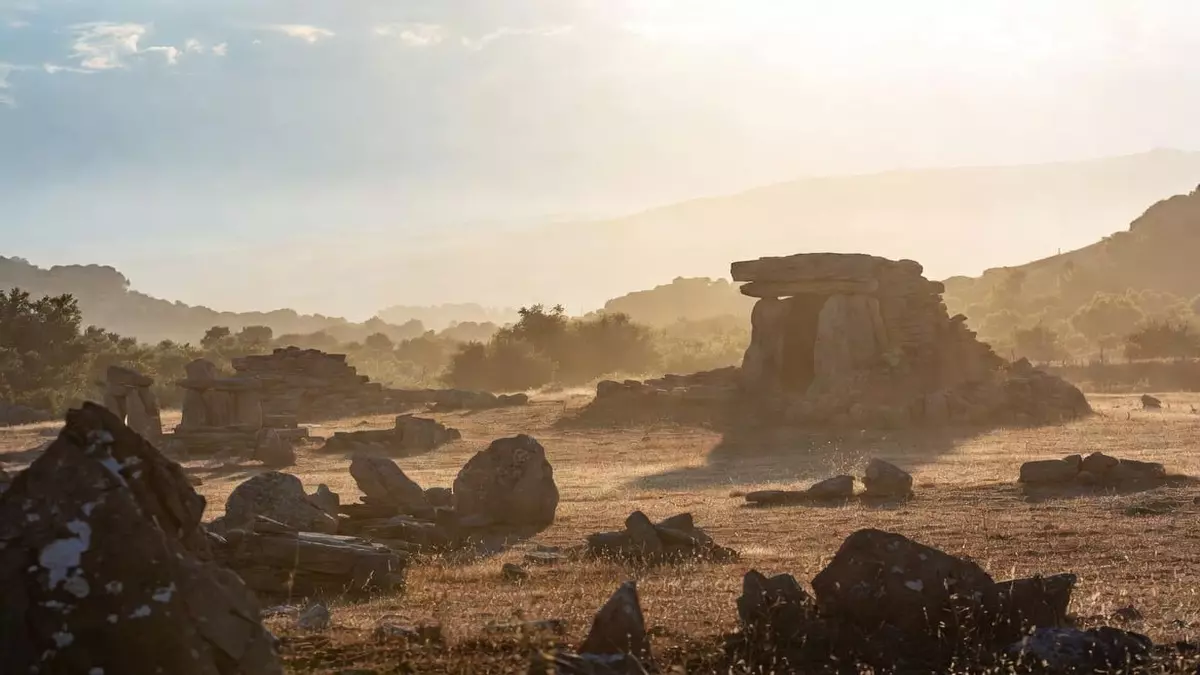
Archaeologists in central Spain have uncovered a 6,000-year-old necropolis that is reshaping our understanding of how monumental burial traditions first emerged across Europe. The discovery at Valdelasilla near Toledo challenges long-standing theories about the spread of megalithic architecture, suggesting it developed independently in the Iberian interior rather than spreading solely from coastal areas.
This remarkable Late Neolithic cemetery provides fresh evidence that communities on the Spanish plateau were building sophisticated funerary monuments at the same time as their coastal neighbors. The findings highlight the creativity and organizational power of prehistoric societies in ways that continue to surprise modern researchers.
6,000-Year-Old Necropolis Rewrites Megalith Origins in Spain
### Early Monumental Tombs Discovered in Spain’s Interior
The Valdelasilla site, located in the municipality of Illescas, was first identified during construction work in 2020. Beneath layers of modern farmland, excavators revealed fifteen distinct funerary structures, creating what experts now call the oldest known monumental necropolis in the interior of the Iberian Peninsula.
Led by Rosa Barroso Bermejo of the University of Alcalá, the research team used advanced radiocarbon dating and careful stratigraphic analysis to establish the cemetery’s timeline. The earliest monumental activity dates between roughly 4336 BCE and 3849 BCE, placing it firmly at the end of the fifth millennium BCE during the Late Neolithic period.
This timing is significant because it coincides with the emergence of megalithic traditions along the Atlantic and Mediterranean coasts. For decades, scholars assumed these grand stone monuments originated on the edges of Europe and gradually moved inland. The Valdelasilla findings turn that idea on its head.
### Sophisticated Layout and Central Monument
The necropolis shows clear planning from its earliest phases. The main burial area sits on higher ground, while smaller, less formal graves appear farther south. At the heart of the complex stands the impressive structure known as VLD-T450.
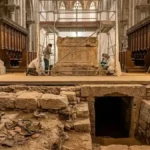
This central tomb features a circular funerary chamber originally about six meters in diameter. A massive enclosing ditch, 36 meters across, surrounds the chamber. Both structures share a southeast-facing entrance, indicating they were designed together as a unified monument. Inside the ditch, researchers found pottery, stone tools, animal bones, and traces of burning, but no human remains — suggesting ritual activities took place in this outer space.
No similar early enclosure has been documented in Spain’s Meseta region before. The scale and complexity of this central tomb required significant community effort, pointing to organized labor and shared beliefs among the people who built it.
### Burial Practices and Human Stories
The main chamber contains multiple layers of human remains, revealing how the tomb evolved into a collective burial space used across generations. The earliest burial was an adult woman placed in a flexed position on her right side. Delicate bone pins and an awl were found near her head.
Nearby lay the remains of another woman, her bones stained with red ochre pigment and accompanied by beads and pendants. An upper layer held partial remains of an adult man, while mixed bones represented at least six additional individuals. This pattern of successive burials over time reflects deep ancestral connections and long-term use of the site.
Other tombs at Valdelasilla contained double and triple burials, as well as the grave of a child placed in a carefully lined stone pit. Traces of red iron oxide on several skeletons indicate ritual use of pigments, a practice common in prehistoric Iberian funerals. These details bring ancient lives into sharper focus, showing both care for the dead and possible social distinctions.
### Grave Goods Reveal Daily Life and Connections
The objects placed with the deceased offer valuable clues about Neolithic society. Archaeologists recovered over one hundred seashells from the genus *Antalis*, along with stone beads, bone tools, awls, flint microliths, and polished stone implements. While most materials came from local sources, the seashells point to long-distance exchange networks reaching toward the coast.
Notably absent are Bell Beaker artifacts and certain bone items typical of later megalithic phases. This absence helps date the earliest Valdelasilla burials to a period before those cultural elements became widespread in inland Spain.
The study suggests social differences were expressed more through architecture than through lavish personal goods. The central monumental tomb demanded greater collective investment and contained more ornaments than surrounding graves, indicating certain individuals or families held elevated status within the community.
### New Timeline for European Megalithism
Using 21 radiocarbon dates primarily from human bones, researchers applied Bayesian statistical modeling to divide the site’s history into five distinct phases. This rigorous approach shows the first monumental tombs were built within a relatively short time, possibly within one generation, suggesting a deliberate and coordinated project.
Funerary activity continued for centuries. In later phases, people deposited human remains symbolically within the enclosure. One final tomb functioned as an ossuary containing at least 17 individuals, with ten skulls carefully arranged around the perimeter — a striking example of secondary burial practices.
These findings add important new data to ongoing debates about the origins of European megaliths. Rather than a single point of origin along the coasts, the evidence now supports the idea that several regions developed monumental traditions independently but around the same time. Communities across Europe appear to have responded similarly to shared social, economic, or ideological pressures during the Late Neolithic.
### Implications for Prehistoric Iberian Society
The Valdelasilla necropolis demonstrates that people living on the Iberian plateau were not peripheral to the megalithic phenomenon. They actively participated in the creation of new architectural forms and burial customs that would influence later developments across the peninsula and beyond.
The site reflects growing social complexity. Building large monuments required planning, resource management, and cooperation among groups. The presence of collective tombs suggests ancestors played a continuing role in community identity and land claims. At the same time, the relatively modest grave goods indicate that extreme wealth differences had not yet fully emerged.
This discovery joins a handful of other key sites that are transforming our picture of prehistoric Europe. It shows that innovation could arise in inland areas just as readily as along the coasts, highlighting the interconnected nature of Neolithic societies.
### Why This Changes European Prehistory
For years, models of megalithic spread emphasized diffusion from western coastal centers outward. The Valdelasilla evidence supports a more nuanced view: parallel development across different regions, with local communities adapting shared ideas to their own environments and needs.
This has broader implications for understanding how ideas, technologies, and beliefs moved across prehistoric Europe. Rather than simple one-way spread, the process likely involved complex networks of interaction, exchange, and independent invention.
The careful excavation and analysis at Valdelasilla set a strong example for future work. By combining traditional archaeological methods with modern scientific techniques, researchers have extracted maximum information from the site while preserving its context for future generations.
### The Human Side of Ancient Burials
Behind the stones and dates lie real people. A woman buried with care and personal ornaments. A child placed gently in a stone-lined grave. Generations returning to the same sacred ground to honor their ancestors. These acts speak to universal human experiences of loss, memory, and the desire to create lasting monuments.
The use of red pigment, seashells from distant shores, and carefully arranged skulls all point to rich symbolic worlds. The communities at Valdelasilla invested significant time and energy into these practices, suggesting strong beliefs about the afterlife and the importance of proper burial.
In an era when many people feel disconnected from the deep past, discoveries like this one remind us of our shared human heritage. The builders of these tombs faced similar challenges — raising families, managing resources, and seeking meaning — that continue to define the human story.
### Conclusion
The 6,000-year-old necropolis at Valdelasilla represents a major breakthrough in European prehistory. By demonstrating early monumental burial traditions in Spain’s interior, it rewrites the story of how megalithic culture developed and spread across the continent.
This important site proves that communities on the Iberian plateau were at the forefront of innovation during the Late Neolithic. Their achievements deserve recognition alongside more famous coastal monuments. As researchers continue studying Valdelasilla and similar locations, we can expect even deeper insights into the social dynamics, beliefs, and daily lives of Europe’s first megalith builders.
The discovery not only enriches academic understanding but also invites all of us to marvel at the sophistication of our prehistoric ancestors. These ancient people created enduring monuments that continue to speak across six millennia, reminding us of humanity’s long tradition of honoring the dead and building for the future.
## FAQ
**How old is the Valdelasilla necropolis in Spain?**
The cemetery dates back approximately 6,000 years to the Late Neolithic period, with earliest monumental tombs constructed between 4336 BCE and 3849 BCE.
**Why is this discovery important for European prehistory?**
It challenges the idea that megalithic tombs spread only from coastal areas, showing independent development of monumental architecture in Spain’s interior at the same time.
**What was found inside the main tomb at Valdelasilla?**
The central chamber contained layered human remains of at least eight individuals, including women buried with bone pins, beads, and red pigment.
**Did the people at Valdelasilla have contact with other regions?**
Yes. Seashells from distant coasts and other materials indicate participation in long-distance exchange networks during the Neolithic.
**How many burials were uncovered at the site?**
Archaeologists identified fifteen funerary structures, including a large central monument with an enclosing ditch and several smaller graves.
**What does the absence of Bell Beaker artifacts mean?**
It helps confirm that the earliest phases predate the widespread Bell Beaker culture, placing Valdelasilla among the first monumental cemeteries in inland Iberia.
**Will the public be able to visit Valdelasilla?**
While excavations continue, future plans may include site interpretation, museum displays, or limited public access to showcase this important Neolithic discovery.