
4,000-Year-Old Skull Reveals Ancient Surgery in Central Asia
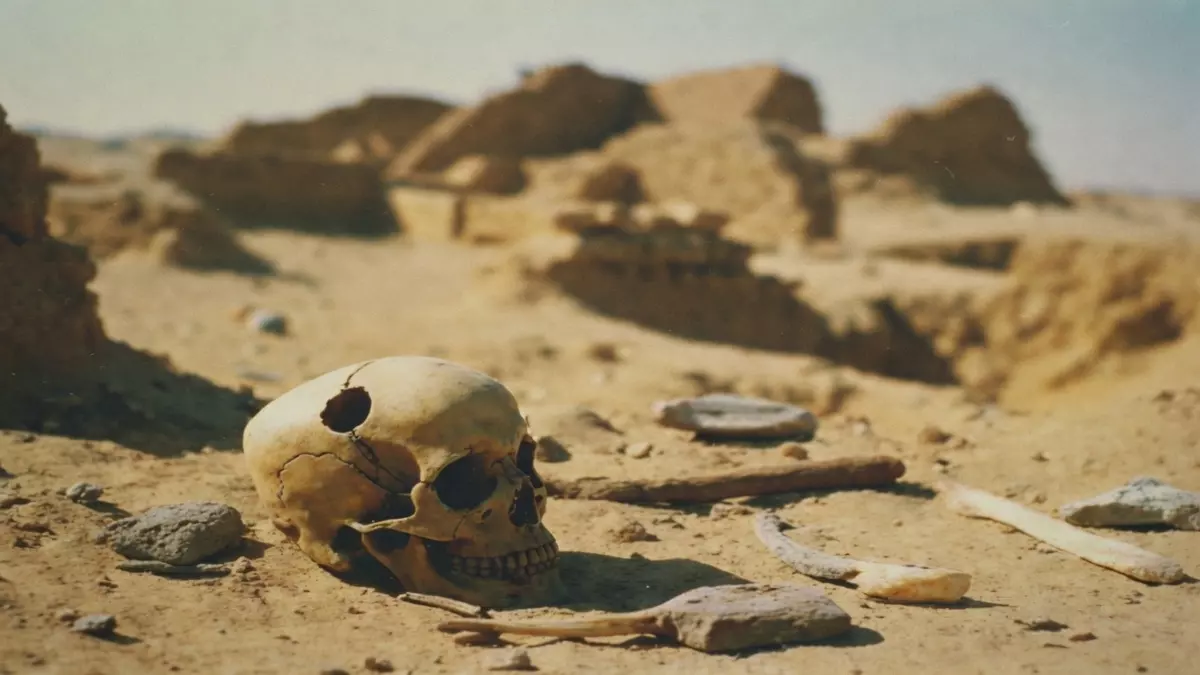
In a groundbreaking find that reshapes our understanding of early medical practices, archaeologists have uncovered the skull of a 5-year-old child from Uzbekistan showing clear evidence of trepanation—a sophisticated surgical procedure performed some 4,000 years ago. This discovery stands as the oldest documented case of surgery in Central Asia and ranks among the earliest examples across the entire Asian continent.
The remarkable remains were found in southern Uzbekistan near the Afghan border during ongoing excavations at the ancient settlement of Djarkutan. Researchers from an Italian-Uzbek archaeological mission made the discovery in April, revealing not just one but two young children buried together in a single grave. While the younger child was about 3 years old at death, the older one’s skull bears unmistakable marks of intentional cranial surgery using stone or bone tools.
 100,000-year-old Homo sapiens bones from Ethiopia may preserve earliest evidence of human cremation
4,000-Year-Old Skull Reveals Ancient Surgery in Central Asia
### The Significance of This Bronze Age Medical Breakthrough
This trepanation case from the late third millennium B.C. challenges previous assumptions about the development of surgical knowledge in the region. Until now, such advanced interventions on young children in Central Asia were considered highly unlikely for this early period. The procedure involved carefully removing a section of the skull, likely while the child was still alive, demonstrating remarkable skill and anatomical understanding for the time.
Trepanation, the practice of drilling or scraping holes into the skull, appears across many ancient cultures worldwide. Experts believe it may have served both practical medical purposes and ritualistic functions. Possible reasons include treating head injuries, relieving pressure from swelling, addressing seizures, chronic headaches, or even mental health conditions. In the Bronze Age, the lines between healing and spiritual ceremony were often blurred, making it difficult for modern researchers to determine the exact motivation behind this particular operation.
### Inside the Djarkutan Excavation Site
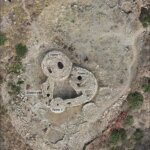
Djarkutan was once a thriving urban center within the Oxus civilization, also known as the Bactria-Margiana Archaeological Complex (BMAC). This sophisticated Early Bronze Age culture flourished between approximately 2500 and 1500 B.C. across what is now Central Asia. The society built prosperous settlements along rivers and oases, developing advanced agriculture, impressive architecture, and rich artistic traditions.
The joint Italian-Uzbek team, led by archaeologist Enrico Ascalone from the University of Salento, has been investigating the site since 2024. Their work focuses on understanding daily life, social structures, and technological capabilities of the Oxus people. The children’s grave was found within the prehistoric settlement area, providing rare insight into burial practices and possible medical traditions of this enigmatic civilization.
The dual burial raises intriguing questions. Were the children related? Did they suffer from the same condition? Or was there a cultural reason for placing them together in death? These mysteries continue to fuel ongoing research as the team analyzes the remains and surrounding context.
### What Trepanation Tells Us About Ancient Healthcare
The successful performance of trepanation on such a young patient points to specialized knowledge within Oxus society. Practitioners would have needed:
– Detailed understanding of skull anatomy
– Precise control over stone or bone instruments
– Methods to manage bleeding and infection
– Knowledge of aftercare for surgical wounds
Survival rates for ancient trepanations varied widely, with some individuals living for years afterward, as evidenced by bone regrowth around healed openings in other archaeological finds. The fact that this procedure was attempted on a child suggests the community valued medical intervention enough to take significant risks, even for the youngest members.
This Uzbek discovery adds valuable data to the global history of surgery. While trepanation evidence exists from Europe, South America, and other parts of Asia, examples from Central Asia have been scarce until now. The Djarkutan find helps fill an important geographical and chronological gap in medical archaeology.
### The Oxus Civilization and Its Mysterious Legacy
The Oxus civilization represents one of the most advanced Bronze Age cultures in Central Asia. Its people created complex irrigation systems, produced distinctive pottery and metalwork, and engaged in long-distance trade. Major rivers sustained their agricultural economy until climatic shifts and possible river drying contributed to the civilization’s eventual decline.
Djarkutan itself was an important center within this network. Its strategic location in Northern Bactria facilitated cultural exchange between different regions. The presence of advanced surgical practices here suggests the Oxus people possessed sophisticated practical knowledge that extended beyond farming and craftsmanship into healthcare and possibly ritual healing.
Researchers continue to investigate how medical specialists fit into the social hierarchy of these ancient towns. Were they religious figures, skilled artisans, or dedicated healers? The 5-year-old’s case raises profound questions about the organization of knowledge and expertise in prehistoric societies.
### Why This Discovery Matters Today
Finding evidence of complex surgery from 4,000 years ago highlights the ingenuity and resilience of ancient humans. It demonstrates that the desire to heal and alleviate suffering has deep roots in our shared history. This Uzbek archaeological treasure not only enriches our understanding of Central Asian heritage but also connects us to universal human experiences across time.
The find also underscores the importance of international archaeological collaboration. The partnership between Italian and Uzbek researchers exemplifies how shared expertise can uncover hidden chapters of human history. As analysis continues in the coming months, scientists hope to learn more about the child’s health, the surgical technique used, and the broader cultural context surrounding the procedure.
This Bronze Age medical evidence from Uzbekistan opens new avenues for studying the evolution of healthcare practices. It reminds us that innovation and care for the vulnerable existed long before written records, in societies that modern people are only beginning to understand.
### Challenges and Future Research Directions
Several aspects of this discovery continue to puzzle experts. Why perform such an invasive procedure on a 5-year-old? What specific condition prompted the surgery? How did the community support recovery, if the child survived the initial operation? Advanced laboratory analysis, including DNA testing and detailed imaging, may provide additional clues in future studies.
The Italian Archaeological Mission in Uzbekistan plans expanded investigations at Djarkutan and surrounding sites. These efforts could reveal more evidence of medical practices, potentially showing whether this case was exceptional or part of a broader tradition within Oxus culture.
### Conclusion: A Window Into Ancient Lives
The 4,000-year-old trepanned skull from Uzbekistan represents far more than an archaeological curiosity. It offers a poignant glimpse into the lives, struggles, and capabilities of Bronze Age people in Central Asia. This young child’s story, preserved in bone and soil, speaks to the enduring human drive to confront suffering and seek solutions, even with limited technology.
As researchers piece together the circumstances surrounding this ancient surgery, we gain deeper appreciation for the complexity of early civilizations. The Djarkutan discovery stands as a testament to both the fragility and remarkable strength of human existence across millennia. It invites us to reflect on how much we share with our distant ancestors and how much remains to be learned about their world.
**FAQ**
**Q: What is trepanation and why was it performed in ancient times?**
A: Trepanation involves creating an opening in the skull using primitive tools. Ancient peoples likely used it to treat head trauma, neurological conditions, pressure buildup, or as part of spiritual rituals. The practice appears in many cultures worldwide and sometimes showed surprising success rates.
**Q: How old is the Uzbek child’s skull and why is it significant?**
A: The skull dates to approximately 4,000 years ago during the late third millennium B.C. It represents the oldest confirmed evidence of surgical intervention in Central Asia, pushing back the timeline of medical practices in the region.
**Q: Where exactly was this discovery made?**
A: The remains were found at the Djarkutan archaeological site in southern Uzbekistan, near the border with Afghanistan. The location was an important urban center in the ancient Oxus civilization.
**Q: Who conducted the excavation and when?**
A: A collaborative team from Italy and Uzbekistan, led by archaeologist Enrico Ascalone of the University of Salento, made the discovery in April during ongoing excavations that began in 2024.
**Q: Were there other remains found with the trepanned skull?**
A: Yes, the 5-year-old was buried alongside a 3-year-old child in the same grave. This unusual double burial adds another layer of mystery to the find and may indicate family connections or shared cultural practices.
**Q: What does this tell us about the Oxus civilization?**
A: The discovery suggests that Oxus communities possessed advanced practical knowledge, specialized roles possibly including medical practitioners, and sophisticated approaches to health challenges despite living in the Bronze Age.
**Q: Will there be more research on this find?**
A: Yes, the research team plans additional investigations and laboratory analysis over the coming months to better understand the surgical technique, the child’s condition, and the broader medical context of the period.
This extraordinary archaeological breakthrough continues to captivate experts and history enthusiasts alike, shedding new light on humanity’s ancient quest for healing and understanding.