
Table of Contents
- 1. Unveiling the Dietary Patterns of Iron Age Thrace
- 1.1. Scientific Proof of Systematic Butchery
- 2. Debunking the Starvation Myth
- 3. The Physical Profile of Iron Age Canines
- 4. A Broad Mediterranean and Balkan Tradition
- 5. Changing Belief Systems and Evolving Cultural Attitudes
- 6. Ongoing Archaeological Research
- 7. Frequently Asked Questions
- 7.1. Did ancient Thracians eat dog meat because they were starving?
- 7.2. How do archaeologists know the dogs were butchered for consumption?
- 7.3. What kind of dogs lived in these Iron Age settlements?
- 7.4. Was dog eating unique to this specific Bulgarian settlement?
- 7.5. How did the human relationship with dogs change over time at Pistiros?
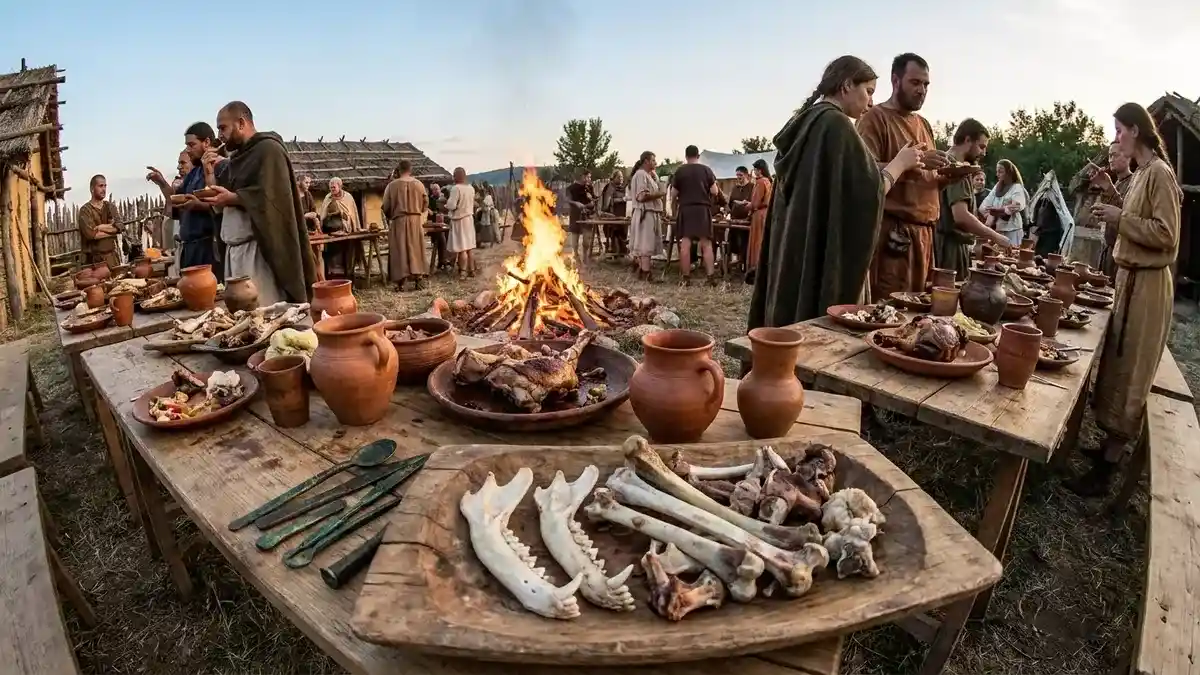
Iron Age Feasts in Ancient Bulgaria Frequently Featured Dog Meat
An intriguing archaeological analysis of animal remains from Iron Age settlements in Bulgaria has revealed clear proof of canine consumption between the fifth and first centuries BCE. Uncovered bone fragments display definitive butchery markers, including metal tool cut marks, localized burning, and standard fractures. The comprehensive study establishes that dog meat was not a desperate fallback during times of famine, but rather a small, culturally integrated, and consistent component of the regional diet.
The research, published in the International Journal of Osteoarchaeology, offers fresh insight into Thracian culinary choices, social traditions, and the evolving domestic relationship between humans and canines in the ancient Mediterranean world.
Iron Age Feasts in Ancient Bulgaria Frequently Featured Dog Meat
Unveiling the Dietary Patterns of Iron Age Thrace
To understand the scope of canine consumption, zooarchaeologist Stella Nikolova evaluated extensive faunal material from ten distinct archaeological sites across modern-day Bulgaria, while systematically cross-referencing previous bone reports from five other major historic settlements.
The data revealed that canine bones account for anywhere from 2 to 10 percent of the total identified animal remains at these locations, depending on the specific community. The most substantial dataset originated from Emporion Pistiros, an influential inland commercial center that functioned as a vital trade link between traveling Greek merchants and native Thracian communities. Out of more than 80,000 animal bone fragments unearthed at Pistiros, canine remains made up roughly 2 percent of the massive collection.
Scientific Proof of Systematic Butchery
The physical evidence recovered from the excavation sites leaves little room for alternative interpretations. When researchers subjected the canine skeletal material to macro- and microscopic analysis, they identified highly standardized processing techniques:
Precision Cut Marks: Nearly 20 percent of the examined dog bones from Pistiros bore distinct incisions made by metal tools.
Targeted Fleshing: The vast majority of these tool marks concentrated on the upper hind limbs, forelimbs, and ribs—the exact anatomical regions that yield the densest muscle tissue.
Skeletal Fragmentation: The intentional smashing and portioning of canine skeletons mirrored the exact structural fracturing patterns found on livestock remains like sheep and cattle, demonstrating that dogs were processed utilizing standard culinary butchery methods.
Thermal Processing: Several recovered lower mandibles exhibited heavily charred and burned teeth. Archaeologists note that the application of controlled fire to the head was likely done to singe and efficiently remove the animal’s thick fur before portioning the carcass.

Debunking the Starvation Myth
Historically, the discovery of butchered dog bones at ancient sites has often been dismissed as evidence of emergency survival cannibalism or acute famine. However, the contextual data gathered from Bulgaria strongly contradicts the starvation hypothesis.
The butchered canine fragments were found thoroughly mixed with ordinary household refuse and the discarded leftovers of large, communal feasts. Furthermore, the layers containing these remains also contained an absolute abundance of alternative protein sources. The ancient inhabitants of Pistiros had steady access to domesticated cattle, sheep, and pigs, as well as an array of harvested birds, freshwater fish, and wild game.
Because high-quality meat options were consistently available, the deliberate choice to prepare and consume canines points toward a cultural preference or ritual practice rather than an act of sheer desperation.
The Physical Profile of Iron Age Canines
The demographic profile of the consumed dogs provides additional clues about their roles in Thracian society. Unlike traditional livestock animals, which are typically slaughtered at a young age to ensure tender meat, the vast majority of the dogs consumed at Pistiros were mature adults.
Osteological measurements indicate these animals possessed medium-sized snouts and medium-to-large body statures. This physical architecture aligns closely with modern working herding breeds, such as German shepherds.
Before ending up as a component of communal meals, these dogs likely earned their keep as working animals. In a region heavily reliant on pastoral farming, large, capable dogs would have been indispensable for guarding settlements, protecting large livestock herds from wild predators, and assisting with general security.
A Broad Mediterranean and Balkan Tradition
The practice of eating dog meat was not an isolated eccentricity unique to the residents of Pistiros. Identical butchery markers on canine bones have been documented in several other contemporary Bulgarian settlements, as well as neighboring Iron Age sites across modern Greece and Romania.
This physical evidence is heavily supported by surviving classical literature. Multiple ancient authors from the Mediterranean basin explicitly noted that canine meat was consumed in various regions across the classical world. Together, the matching archaeological finds and historical manuscripts confirm that dog consumption was a widely recognized regional practice embedded within the broader intercultural landscape of the Balkans and the Mediterranean.
Changing Belief Systems and Evolving Cultural Attitudes
While dog meat maintained a steady presence on Thracian tables for centuries, the archaeological record reveals that cultural attitudes eventually experienced a dramatic shift.
During the later occupational phases at Emporion Pistiros, the treatment of canines altered completely. In these younger archaeological strata, researchers discovered intact, carefully arranged dog burials. These skeletons showed an absolute absence of tool cut marks, skinning incisions, or burning traces.
This transition from systematic culinary processing to intentional, respectful burial hints at a profound transformation in local spiritual beliefs, social values, or emotional attachments regarding domestic canines.
Ongoing Archaeological Research
The ongoing investigation operates under the umbrella of the Corpus Animalium Thracicorum project. Moving forward, international researchers aim to systematically contrast the dietary consumption of dogs with their ritual burial treatments across a much wider array of regional sites. By charting these shifts over successive generations, the project hopes to unravel the complex social meanings behind these faunal choices and trace the broader evolution of cultural identity across Iron Age Thrace.
Frequently Asked Questions
Did ancient Thracians eat dog meat because they were starving?
No, the evidence suggests dog meat was not a food of necessity. The butchered canine bones were found mingled with the remains of everyday household meals and festive food waste. Furthermore, these sites contained a vast abundance of other meat sources, including domesticated cattle, pigs, sheep, wild game, and fish, proving that food scarcity was not the driving factor.
How do archaeologists know the dogs were butchered for consumption?
Researchers identified clear metal tool cut marks on roughly one-fifth of the dog bones analyzed at the Pistiros site. These incisions were primarily located on the meat-heavy sections of the animal, such as the upper hind legs, forelimbs, and ribs. Additionally, the bones were fractured in the exact same manner as traditional livestock, and charred jawbones indicate that fire was used to remove the animal’s fur.
What kind of dogs lived in these Iron Age settlements?
The skeletal remains indicate that the dogs were mostly adults of medium-to-large physical build with medium snouts, structurally resembling modern working breeds like German shepherds. Based on this profile, scientists believe these animals originally functioned as guard dogs and herd protectors before being consumed.
Was dog eating unique to this specific Bulgarian settlement?
No, it was part of a much broader regional custom. Similar butchered canine remains have been excavated at numerous other sites throughout Bulgaria, Romania, and Greece. This physical evidence aligns with the surviving written accounts of classical Mediterranean authors who documented the consumption of dog meat in the region.
How did the human relationship with dogs change over time at Pistiros?
The archaeological record shows a clear cultural shift in later historical phases. While earlier layers contain heavily butchered and fragmented dog bones mixed with kitchen waste, later archaeological strata reveal complete, unmarred dog burials. This indicates that local populations eventually transitioned away from consuming dogs, adopting new cultural or spiritual attitudes toward them.