
Table of Contents
**Ancient Roman Chamber Pots Reveal Parasites in Bulgaria**
Archaeologists have uncovered intimate details about daily health and sanitation in the Roman Empire by examining mineral deposits inside 2,000-year-old chamber pots from Bulgaria. The findings from the ancient province of Moesia Inferior provide some of the clearest evidence yet of widespread intestinal parasites among ordinary people living along the lower Danube during the 2nd to 4th centuries CE.
This groundbreaking research highlights how poor water quality, sanitation challenges, and dietary habits affected Roman provincial life. It also traces the early spread of certain parasites across the empire, offering a vivid and sometimes uncomfortable window into the realities of life before modern medicine.
Ancient Roman Chamber Pots Reveal Parasites in Bulgaria
### The Unusual Source: Roman Chamber Pots
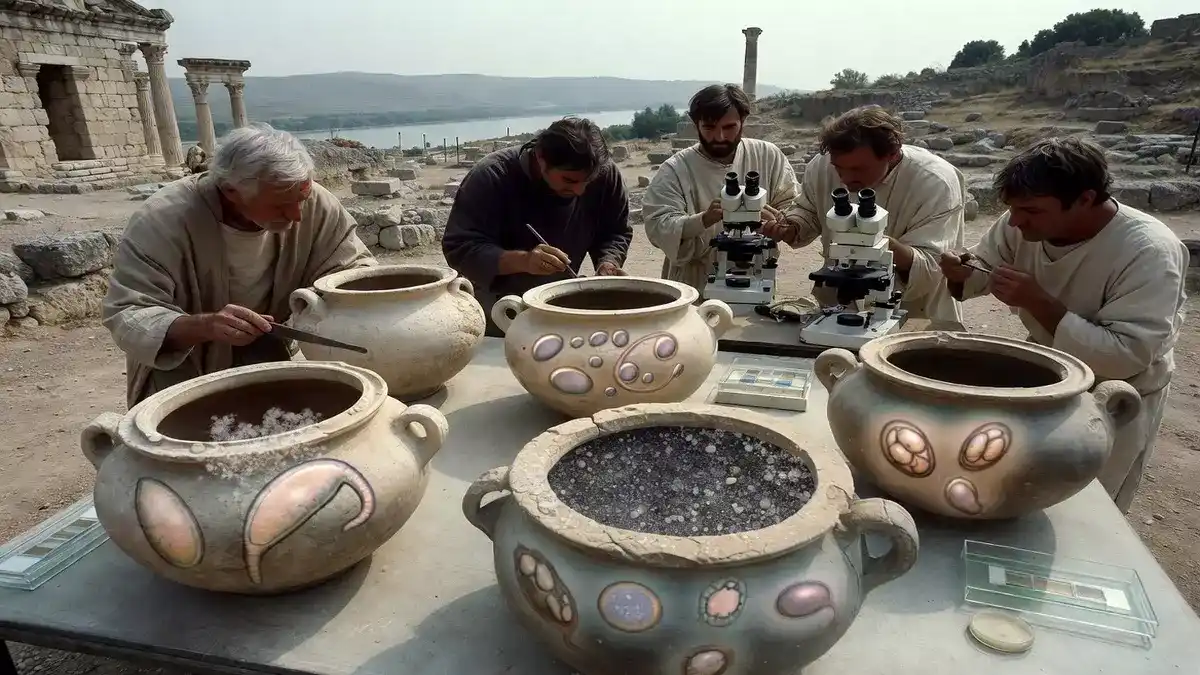
Researchers focused on ceramic chamber pots recovered from two key sites: Novae, a major military and civilian settlement, and Marcianopolis, an important urban center. Over time, urine and feces dried and mineralized on the inner surfaces of these vessels, creating hardened deposits that preserved microscopic biological evidence.
Scientists carefully collected samples from the walls and bottoms of the pots. They rehydrated the material, sieved it, and examined it under microscopes for parasite eggs and other remains. Advanced techniques, including ancient DNA analysis and ELISA immunological testing, confirmed the presence of multiple pathogens. This is the first time immunological methods have been applied in this regional context, significantly strengthening the results.
### Widespread Intestinal Parasites Identified
The analysis revealed several parasites that would have caused significant discomfort and health problems for Roman inhabitants.
– **Taenia tapeworms**: Eggs from this genus, linked to eating raw or undercooked meat (likely beef or pork), appeared in multiple samples. This points to common dietary practices and imperfect food preparation or storage.
 100,000-year-old Homo sapiens bones from Ethiopia may preserve earliest evidence of human cremation
– **Cryptosporidium**: This protozoan parasite, which causes severe diarrhea and dehydration, was found in most samples. Its detection is particularly notable because earlier studies suggested it spread later or outside the Mediterranean core. This Bulgarian evidence pushes back its known presence in the Roman world.
– **Entamoeba histolytica**: Responsible for amoebic dysentery, this organism can cause severe intestinal inflammation, bloody diarrhea, and potentially fatal complications if untreated.
The presence of these parasites reflects broader issues with contaminated water, inadequate sanitation, and close living quarters typical of Roman urban and military environments.
### Contrasting Conditions at Novae and Marcianopolis
The two sites showed striking differences in parasite loads. Samples from Novae contained high numbers of parasites, suggesting challenges with sanitation and possibly polluted water sources near the Danube River. As a bustling military base and civilian hub, Novae likely experienced crowded conditions that facilitated disease transmission.
In contrast, samples from a workshop area in Marcianopolis showed no detectable infections. Residents here may have benefited from cleaner spring water, better hygiene practices, or different dietary habits. These variations highlight how living conditions could differ dramatically even between nearby settlements in the same province, depending on infrastructure, occupation, and access to resources.
### Daily Life and Health in Roman Moesia Inferior
Moesia Inferior, along the lower Danube, served as a vital frontier province. It protected the empire from northern threats while supporting trade, agriculture, and military operations. Cities like Novae and Marcianopolis housed soldiers, merchants, artisans, and families who dealt with the practical realities of Roman provincial life.
Chamber pots were common household items, used indoors especially at night or in multi-story buildings. Their preserved contents now act as time capsules of health conditions. People in these communities faced recurring gastrointestinal illnesses that could weaken individuals, reduce workforce productivity, and contribute to higher childhood mortality.
Diet played a central role. The tapeworm evidence aligns with Roman consumption of meat, while waterborne parasites like Cryptosporidium and Entamoeba point to fecal contamination of drinking supplies — a common problem before germ theory and modern sewage systems.
### Advances in Paleoparasitology
This study showcases the growing power of paleoparasitology — the study of ancient parasites. By combining traditional microscopy with molecular methods like aDNA and ELISA, researchers can identify pathogens that would have been invisible or uncertain just a few decades ago. These techniques are transforming our understanding of disease in the ancient world.
The Bulgarian research adds to a growing body of evidence about health across the Roman Empire. Similar studies from other provinces have found parasites in latrines, sewers, and human remains, but chamber pots provide a direct, personal record of individual households.
### Broader Implications for Roman History
Intestinal parasites were likely a constant presence in many parts of the empire, contributing to the overall disease burden alongside more famous outbreaks. While the rich and powerful might have accessed better food and water, ordinary soldiers, workers, and families endured recurring infections that affected quality of life and life expectancy.
The findings also illuminate sanitation infrastructure. Roman engineering excelled at aqueducts and public baths, but waste management varied widely. The contrast between Novae and Marcianopolis suggests that local conditions and individual behaviors mattered as much as imperial technology.
This research connects biological data with archaeological context, painting a richer picture of daily existence in a frontier province. It shows how environmental factors, military presence, and urban development influenced human health in complex ways.
### Modern Relevance and Lessons from the Past
Studying ancient parasites helps scientists understand the long evolutionary history of diseases that still affect millions today. Cryptosporidium and amoebic dysentery remain challenges in areas with poor sanitation, reminding us of the importance of clean water and hygiene.
The Bulgarian chamber pots demonstrate how much information can be recovered from seemingly ordinary artifacts. They encourage archaeologists to look more closely at everyday objects for clues about ancient health, diet, and living standards.
### Ongoing Research in the Lower Danube Region
Work at Novae and Marcianopolis continues, with international teams collaborating with Bulgarian scholars. Future studies may analyze more vessels, examine human skeletal remains for signs of chronic infection, and compare findings with other Roman provinces. As techniques improve, researchers expect to uncover even more nuanced details about health disparities and disease ecology in the Roman world.
### Why These Discoveries Matter
The chamber pot study transforms abstract historical narratives into concrete human experiences. Behind the grandeur of Roman legions and monumental architecture were people dealing with very relatable health issues. These findings humanize the past and deepen our appreciation for the challenges faced by ancient communities.
They also celebrate the ingenuity of modern science, which can extract meaningful data from mineralized waste that sat unnoticed for centuries. Each new analysis adds another piece to the complex puzzle of life along the Roman frontier.
### Conclusion: Parasites, Sanitation, and Roman Daily Reality
The mineral deposits inside ancient Roman chamber pots from Bulgaria have revealed a hidden side of life in Moesia Inferior. High rates of intestinal parasites at Novae and their absence in parts of Marcianopolis illustrate the uneven impact of sanitation, water quality, and diet across Roman society.
This research enriches our understanding of health in the empire’s provinces and traces the spread of key pathogens. It reminds us that even powerful civilizations grappled with basic biological challenges that influenced everything from daily comfort to broader historical developments.
As paleoparasitology advances, more such discoveries will likely emerge, further illuminating the intimate realities of ancient life. The humble chamber pot, once a simple household necessity, now serves as a powerful tool for reconstructing the past — offering lessons about resilience, vulnerability, and the enduring importance of clean living conditions.
### FAQ: Roman Parasites in Bulgarian Chamber Pots
**What artifacts were analyzed in the study?**
Mineralized deposits inside Roman chamber pots from Novae and Marcianopolis, dating to the 2nd–4th centuries CE.
**Which parasites were discovered?**
Taenia tapeworms, Cryptosporidium (causing diarrhea), and Entamoeba histolytica (amoebic dysentery).
**Why were conditions worse at Novae?**
Higher parasite loads likely resulted from poorer sanitation, crowded military and civilian living conditions, and possible contamination from the Danube River.
**How did researchers identify the parasites?**
Through microscopy, ancient DNA analysis, and ELISA immunological testing — the first use of the latter method in this region.
**What does this reveal about Roman daily life?**
It shows widespread gastrointestinal infections caused by contaminated water, sanitation issues, and dietary practices, with significant variation even between nearby sites.
**Are similar findings common in the Roman Empire?**
Yes. Parasite evidence appears in latrines and remains across provinces, but chamber pots provide especially direct household-level data.