
Table of Contents
A microscopic study of residue left on surgical tools from a Ming Dynasty tomb in eastern China has provided the first direct chemical evidence of anesthetic use on ancient surgical instruments. The findings suggest Chinese physicians in the 14th century had developed careful methods for using toxic plant compounds to reduce pain during medical procedures.
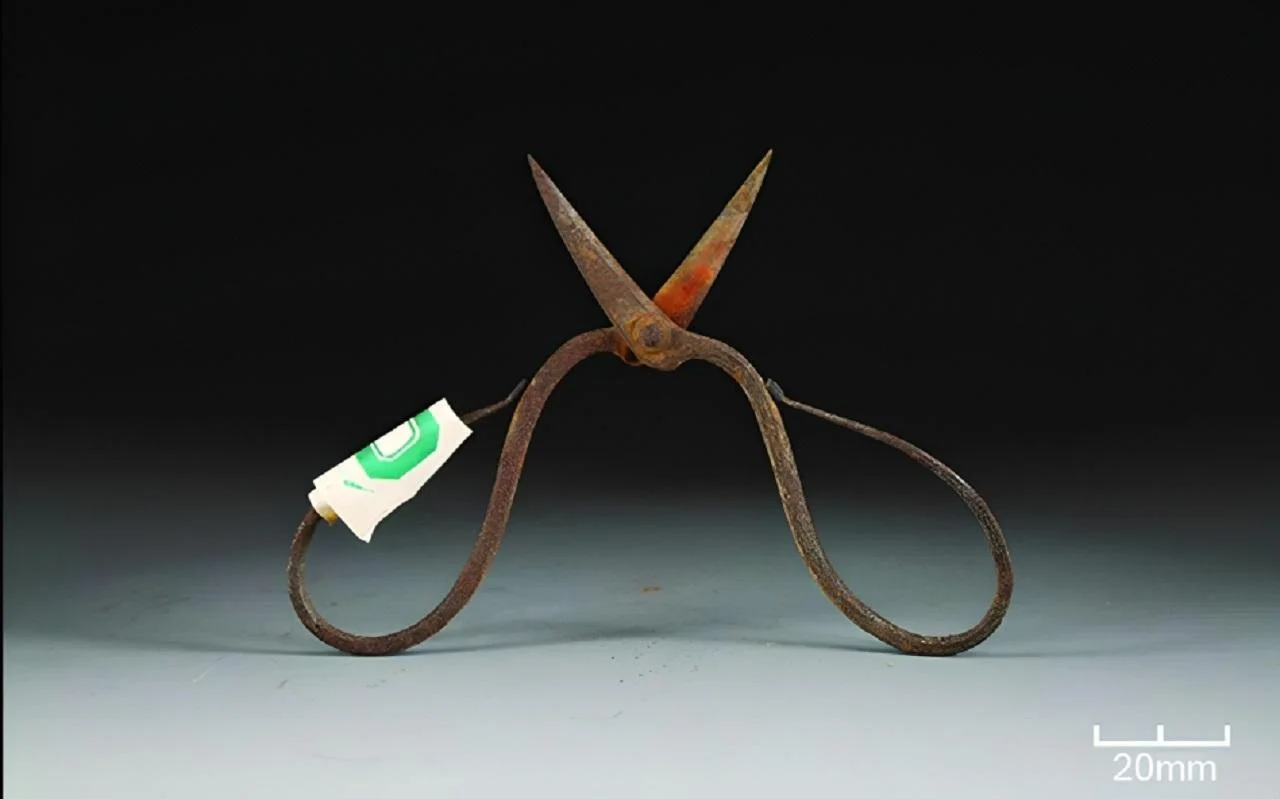
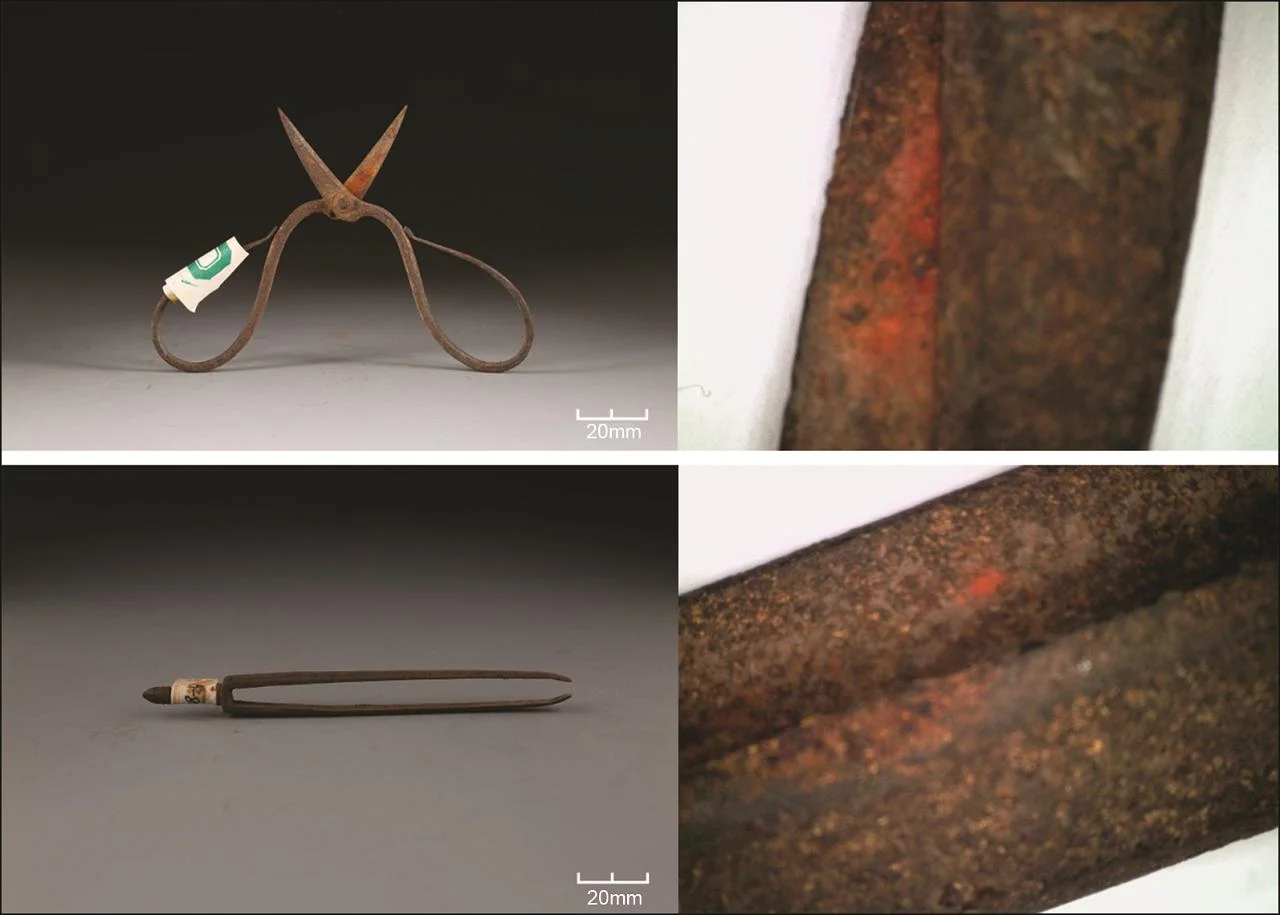
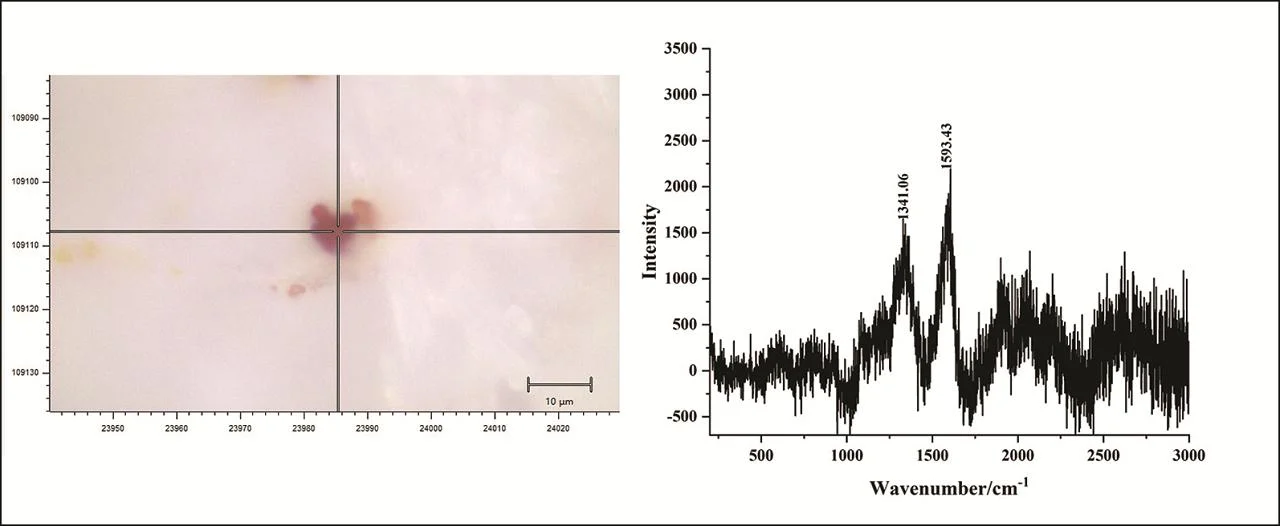
Researchers examined a pair of iron scissors and tweezers recovered from the tomb of physician Xia Quan in Jiangyin, Jiangsu province. The tomb dates from 1348 to 1411 CE, during the early Ming Dynasty. Their analysis detected traces of aconitine, a toxic alkaloid produced by plants in the Aconitum genus, also called monkshood or wolfsbane.
Archaeologists have long studied residues from ancient medicines, cosmetics, and psychoactive substances. Chinese medical residues, though, rarely survive in forms large enough for standard laboratory testing. To overcome this problem, the team used stimulated Raman scattering microscopy, or SRS, a non-destructive imaging method capable of identifying microscopic chemical traces without damaging artifacts.
The method allowed researchers to examine residue still attached to the instruments. Distribution patterns on the scissors and tweezers suggest liquid medicine splashed onto the metal surfaces during surgical treatment. The team concluded the compound was likely applied directly to a patient’s skin before incisions.
Historical Chinese medical texts describe aconitine-based preparations used for pain relief. The substance is highly poisonous and affects the nervous and cardiovascular systems. Ancient physicians understood these dangers and developed methods to reduce toxicity. Records from the Ming period describe boiling the plant with vinegar or combining it with other ingredients, including mung beans, to weaken harmful effects before use.
Until now, evidence for those practices came only from written sources. The new analysis provides physical proof tied directly to surgical tools.
The instruments themselves also reveal details about medical practice during the Ming Dynasty. Testing showed both objects were made primarily from iron alloys containing more than 95 percent iron. Researchers said this reflected strong local metalworking skills and an understanding of the practical needs of surgery. Although the tools differ from modern surgical equipment, their shapes suggest deliberate design suited to cutting and handling tissue.

The study argues that Ming physicians followed strict procedures when working with aconitine. Because the compound could become deadly in excessive amounts, doctors likely relied on precise preparation methods and controlled topical application. Researchers believe this points to a sophisticated balance between pain treatment and patient safety.
Professor Congcang Zhao of Northwest University, one of the study’s authors, said the imaging technology solved a major challenge in residue analysis, where only tiny samples survive on archaeological objects. He explained that SRS microscopy allowed the team to identify material composition and map the distribution of compounds across the tool surfaces while preserving the artifacts.
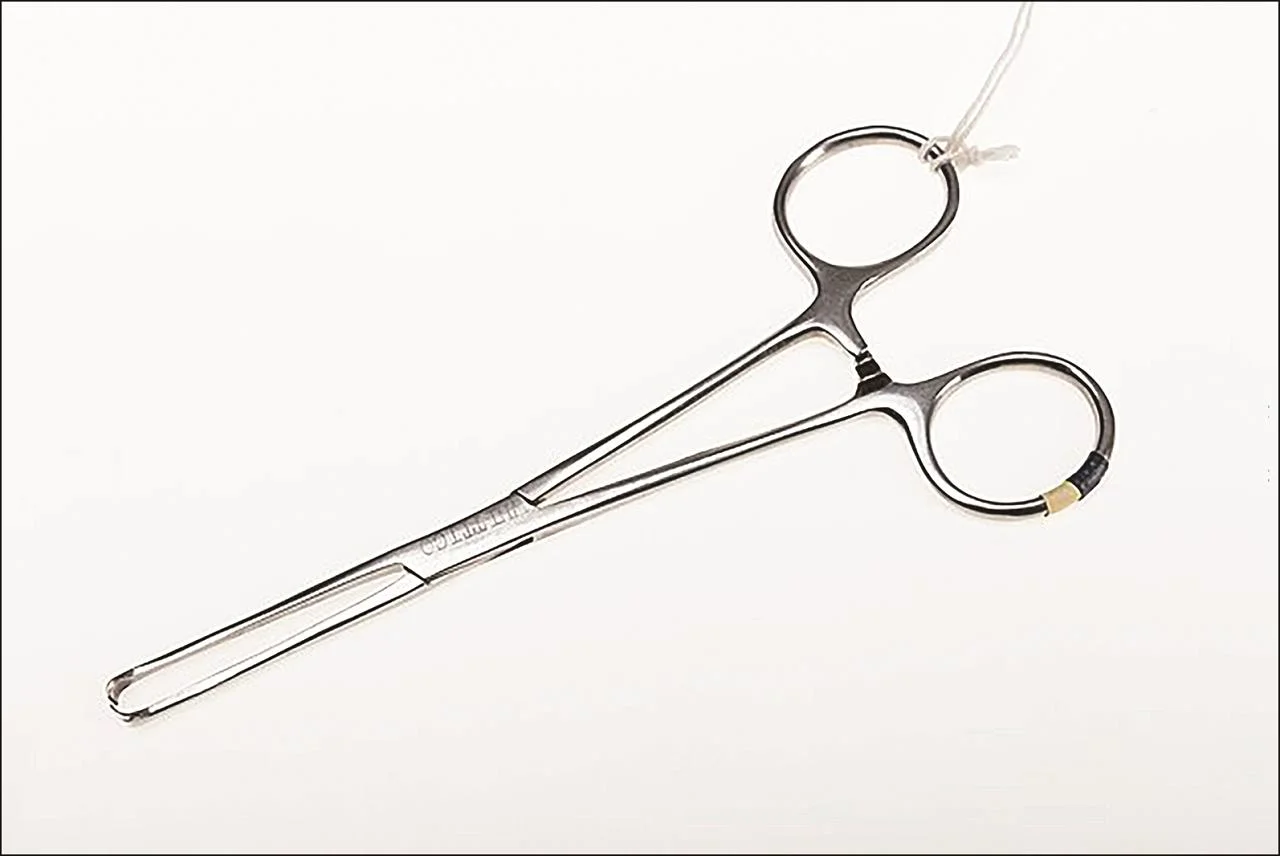
The findings add new evidence to the history of anesthesia and surgery in East Asia. Historians have long debated how advanced pain management techniques were before modern anesthetics appeared in the nineteenth century. The Jiangyin instruments suggest physicians in Ming China possessed detailed pharmacological knowledge and practical experience using dangerous herbal compounds in controlled medical settings.
 Advanced Geochemical Study Reveals Far-Reaching Bronze Age Metallurgy Networks in Sardinia
Researchers also noted that residue analysis is becoming an increasingly useful tool in archaeology. Chemical traces preserved on artifacts are helping scientists reconstruct ancient technologies, trade networks, diet, and medicine with greater precision. In this case, microscopic remnants left on two iron tools more than six centuries ago have provided a rare look at how surgeons attempted to reduce suffering during operations.
The study’s authors believe the work demonstrates how scientific analysis of archaeological objects continues to reshape understanding of historical medicine. The traces left on the scissors and tweezers indicate that physicians during the early Ming Dynasty were not only performing surgery, but also applying chemically processed anesthetic compounds with a level of care and technical knowledge once difficult to confirm through archaeology alone.