
Table of Contents
**4-Million-Year-Old Baby Tapir Skeleton Rewrites European Prehistory**
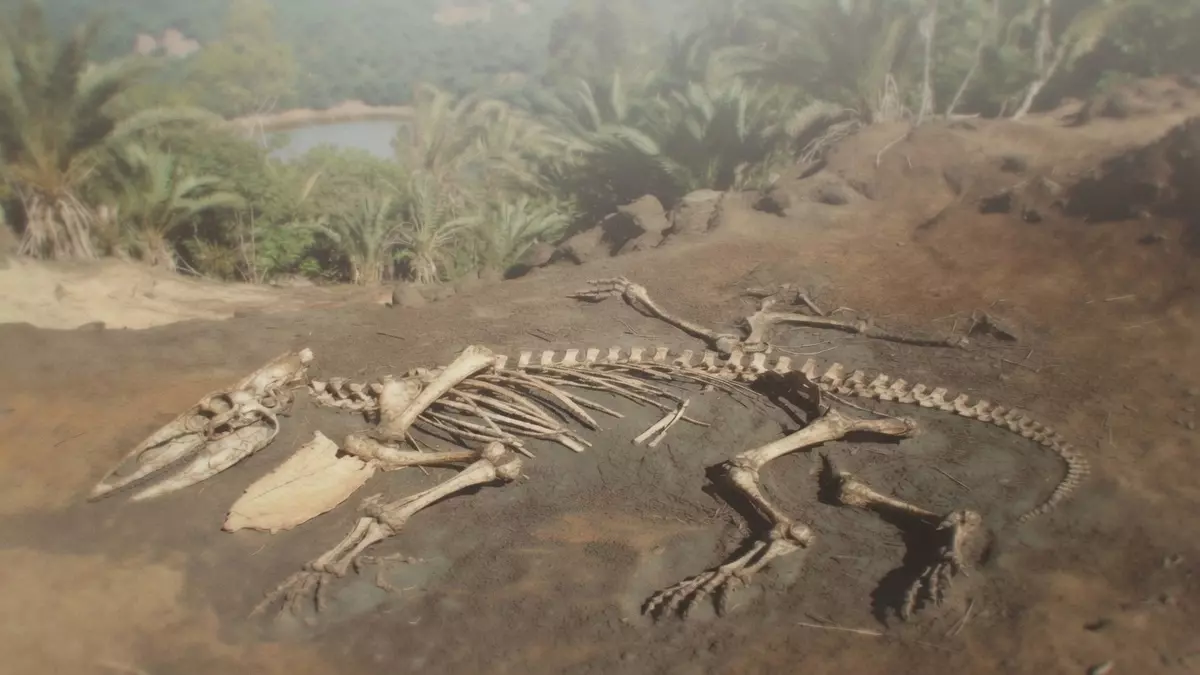
Scientists have uncovered one of the most remarkable fossil finds in recent years: a nearly complete skeleton of a juvenile tapir that lived nearly four million years ago in what is now northeastern Spain. This extraordinary discovery at the Camp dels Ninots site in Girona represents the most complete young tapir specimen ever found in Europe, offering an unprecedented window into the early life stages of an extinct species.
4-Million-Year-Old Baby Tapir Skeleton Rewrites European Prehistory
### Rare Juvenile Fossil Sheds Light on Ancient Tapir Life

The fossil belongs to *Tapirus arvernensis*, a species that roamed European landscapes during the Pliocene epoch. Discovered during ongoing excavations led by IPHES-CERCA, the young tapir was approximately one year old at the time of death. Its skeleton remained largely intact, with bones preserved in their original anatomical positions—a rare occurrence for such a young animal in the fossil record.
This latest find adds to an already impressive collection at the site. Researchers have now recovered seven individuals of the same species, representing various ages and sexes. Few locations worldwide offer such a comprehensive sample of an extinct tapir population, making Camp dels Ninots a premier research hub for understanding *Tapirus arvernensis*, one of the last tapir species to inhabit Europe before their eventual disappearance from the continent.
### Exceptional Preservation at a Volcanic Lake Site

The Camp dels Ninots fossil site formed inside an ancient maar volcano that later filled with water, creating a lake environment ideal for preserving organic remains. Sediments accumulated under conditions that protected entire skeletons from typical decay and scattering processes.
Excavation teams, consisting of about sixteen specialists from geology, paleontology, biology, archaeology, conservation, and restoration, continue their careful work through mid-June. Graduate students from Universitat Rovira i Virgili are actively participating in the campaign. The juvenile tapir skeleton was fully exposed in May, with on-site conservation measures taken immediately to ensure its stability.
Researchers are using advanced 3D documentation and precise spatial mapping techniques while collecting sediment samples to better understand the ancient environment. After fieldwork concludes, the fossil will undergo a meticulous extraction process before being transported to IPHES-CERCA laboratories for further study.
### What the Juvenile Skeleton Reveals About Growth and Development
Young animals rarely fossilize in such excellent condition, making this discovery particularly valuable. The specimen allows paleontologists to examine skeletal development during the critical first year of life. By comparing this juvenile with adult specimens from the same site, scientists can track how these ancient tapirs grew, changed physically, and adapted over time.
Adult *Tapirus arvernensis* were robust herbivores comparable in size and build to modern tapirs found in South American and Southeast Asian forests. Their anatomy suggests a lifestyle closely tied to water sources and dense vegetation. The presence of multiple individuals from different life stages provides a rare opportunity to study population dynamics, sexual dimorphism, and developmental biology in a prehistoric context.
### Ancient Environment: A Lush Pliocene Paradise
Four million years ago, the region surrounding Camp dels Ninots looked vastly different from today’s Mediterranean landscape. Plant fossils indicate a dense, humid subtropical forest encircled the volcanic lake. This environment would have been perfect for large plant-eating mammals like tapirs, which prefer habitats near water bodies for feeding, drinking, and protection.
Evidence points to close evolutionary relationships between these European tapirs and modern Asian species, suggesting an Asian origin for this particular lineage that later spread across Europe. The lake setting not only supported rich biodiversity but also created unique conditions for fossilization, explaining why so many complete skeletons have been recovered here compared to other European sites where tapir remains are often fragmented.
### Why This Discovery Stands Out in Paleontology
Most tapir fossils from other European locations appear scattered and damaged, often missing key elements. At Camp dels Ninots, the combination of rapid burial in fine lake sediments and minimal scavenger activity—possibly due to sudden deaths linked to volcanic gas emissions—has produced some of the best-preserved examples anywhere.
The juvenile specimen adds crucial data points for understanding how these animals lived and died. It helps reconstruct not just individual life histories but also broader ecosystem interactions during the Pliocene, a time of significant climatic and environmental change leading up to the Ice Ages.
### Ongoing Research and Future Potential
Fieldwork at the site continues to yield new insights. The research team’s multidisciplinary approach ensures that every aspect of the discovery—from geological context to biological implications—is thoroughly documented. Once laboratory analysis begins, advanced imaging and comparative studies with modern tapirs will provide even deeper understanding.
This collection of tapir fossils is transforming our knowledge of European Pliocene ecosystems. It demonstrates that *Tapirus arvernensis* thrived in diverse groups and successfully raised young in a dynamic volcanic landscape.
The discovery highlights the importance of continued paleontological excavation in understudied regions. As techniques improve, sites like Camp dels Ninots reveal surprising details about ancient life that reshape our understanding of mammalian evolution in Europe.
### The Bigger Picture: Tapirs as Indicators of Past Climates
Tapirs serve as excellent indicators of past environmental conditions because of their specific habitat requirements. Their presence in Pliocene Spain points to warmer, wetter conditions than exist today. Studying these fossils helps scientists model how large mammals responded to climate shifts, information that remains relevant as we face modern environmental challenges.
This juvenile skeleton, in particular, humanizes these ancient creatures. It reminds us that these were living, breathing animals with growth patterns, family structures, and behaviors not entirely unlike their modern relatives.
In conclusion, the 4-million-year-old juvenile tapir from Camp dels Ninots represents far more than just another fossil find. It provides an intimate glimpse into the early life of a species that once dominated European forests and lakeshores. As researchers continue their work, this discovery will undoubtedly contribute significant chapters to the story of mammalian evolution and prehistoric ecosystems in Europe.
The find underscores the value of long-term scientific investment in key fossil sites and promises even more revelations in the years ahead.
## FAQ
**How old is the juvenile tapir skeleton found in Spain?**
The fossil dates back approximately four million years to the Pliocene epoch, making it one of the most significant tapir discoveries from that period in Europe.
**Why is this juvenile tapir considered the most complete in Europe?**
The skeleton was preserved with bones in anatomical position and minimal damage, a rare state for young specimens due to their fragile nature and typical fossilization challenges.
**What species does the Spanish tapir fossil belong to?**
It belongs to *Tapirus arvernensis*, one of the last tapir species known to have lived in Europe before the group largely disappeared from the continent.
**Where exactly was the fossil discovered?**
The skeleton was unearthed at the Camp dels Ninots site in Caldes de Malavella, Girona province, northeastern Spain, within an ancient volcanic lake deposit.
**What does the discovery tell us about the ancient environment?**
It indicates a lush, humid subtropical forest surrounding a volcanic lake, ideal for large herbivores like tapirs that depended on water and dense vegetation.
**How many tapir individuals have been found at Camp dels Ninots?**
Researchers have recovered seven individuals of *Tapirus arvernensis*, including adults, juveniles, and specimens of different sexes, providing an exceptional population sample.
**Will the public be able to see this fossil?**
After laboratory study and preparation at IPHES-CERCA, the specimen may eventually be displayed in museums, though primary focus remains on scientific research and conservation.