
Table of Contents
**AlUla Conference Explores Nomadic Heritage and Ancient Mobility**
International archaeologists and cultural experts will converge in Saudi Arabia’s stunning AlUla region on October 30 and 31 for a major conference examining the enduring legacy of nomadic societies. Hosted by the Royal Commission for AlUla, the event shines a spotlight on how human mobility shaped civilizations across millennia and what lessons it offers for today’s world.
Set against the dramatic desert landscapes of AlUla, the gathering takes place at the iconic Maraya venue—a mirrored architectural marvel that blends seamlessly with its surroundings. This year’s conference alternates with the AlUla World Archaeology Summit and builds directly on the momentum from last year’s summit while preparing for the next major event in 2025.
AlUla Conference Explores Nomadic Heritage and Ancient Mobility
 Zīrid Ifrīqiya and the Islamic world in the 10th–12th centuries: an international conference at UCL
### Why Mobility Matters in Human History
From the earliest prehistoric times, the ability to move across vast territories proved essential for survival and progress. Nomadic groups traveled to access fresh resources, escape harsh conditions, and respond to social or political pressures. The AlUla World Archaeology Conference will delve into these patterns, exploring how mobility influenced everything from trade routes to cultural exchange and adaptation to environmental challenges.
Conference discussions will bridge past and present. While ancient caravan routes helped communities thrive amid shifting climates and natural disasters, modern mobility has faced its own obstacles, such as travel restrictions during the COVID-19 pandemic. By examining both eras, participants aim to develop fresh perspectives on heritage preservation and sustainable development in nomadic contexts.

Abdulrahman Alsuhaibani, Vice President of Culture at the Royal Commission for AlUla, highlighted the region’s historic importance. “AlUla has held a unique position for thousands of years as a crossroads for civilizations, serving as a beacon for cultural and intellectual exchange.” He emphasized that the conference continues AlUla’s growing role as a global hub for archaeological research.
### AlUla’s Remarkable Archaeological Landscape
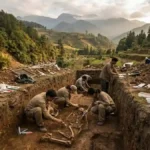
AlUla stands out as one of the world’s most dynamic archaeological zones. Researchers have already identified more than 30,000 sites, with 12 major projects currently underway. These efforts, involving both Saudi and international teams, continue to uncover extraordinary evidence of ancient life in the Arabian Peninsula.
Key discoveries include:
– **Mustatil structures**: Massive rectangular stone monuments, some among the largest built in prehistory.
– **Desert kites**: Sophisticated animal traps designed to channel herds into capture points.
– **Funerary avenues**: Long pathways lined with tombs that connected ancient oases.
– **Stone circles**: Circular arrangements used as dwellings or gathering places.
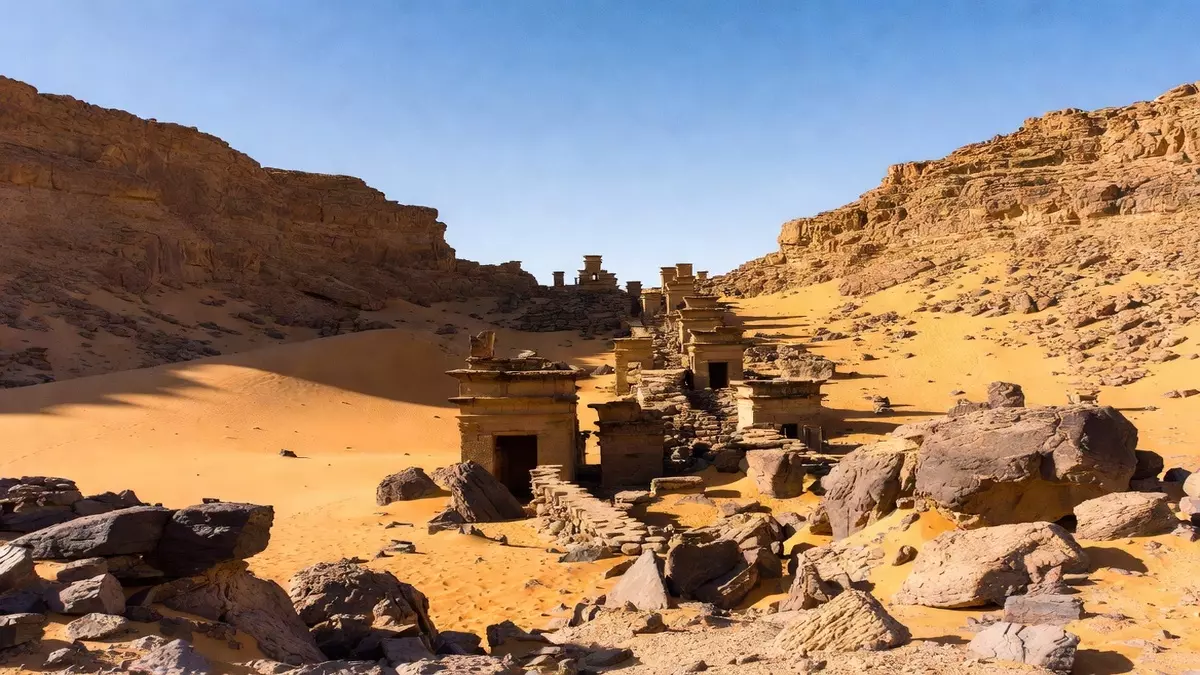
These findings paint a vivid picture of highly mobile societies that mastered desert environments through ingenuity and adaptability. The conference will showcase several of these artifacts, giving attendees a direct connection to the region’s rich past.
### Conference Highlights and Distinguished Speakers
The program features a dynamic mix of presentations, panel dialogues, interactive workshops, and detailed case studies. A major highlight is the first-ever international exhibition of select archaeological pieces from Italy’s National Archaeological Museum of Naples. This collaboration brings rare artifacts to AlUla, fostering new cross-cultural dialogues.
Attendees can also join guided field visits to some of the area’s most impressive sites. Nearby locations such as Hegra (Mada’in Saleh)—a UNESCO World Heritage Site known for its spectacular Nabataean tombs—Tayma, and Khaybar offer tangible insights into ancient trade networks and settlement patterns.
Leading voices at the event include:
– **Professor Willeke Wendrich** from UCLA, an expert in ancient mobility and material culture.
– **Professor Stefano Biagetti** from Pompeu Fabra University in Barcelona, specializing in nomadic pastoralism and North African archaeology.
– **Peter Debrine** from UNESCO’s Sustainable Tourism Programme, who will address heritage management in mobile societies.
These speakers and many others will tackle pressing questions about the future of archaeology in regions defined by movement rather than permanent settlement.
### Understanding Nomadic Societies Through a Modern Lens
Nomadic lifestyles have often been misunderstood or undervalued in traditional historical narratives. Yet evidence from AlUla and similar sites worldwide shows that mobile communities developed sophisticated technologies, social systems, and environmental knowledge that rivaled their settled neighbors.
Caravan routes through AlUla, for instance, connected distant civilizations, facilitating the flow of goods, ideas, and people. Incense, spices, metals, and textiles moved along these paths, enriching economies and inspiring artistic traditions. The conference will explore how such networks helped societies recover from droughts, conflicts, and other disruptions.
In today’s context, these ancient strategies offer relevant insights. Climate change, resource management, and cultural preservation increasingly demand flexible, mobile approaches. By studying the past, researchers hope to inform policies that support both heritage protection and contemporary nomadic or semi-nomadic communities.
**The Role of Technology and Innovation**
Modern archaeological methods play a central part in the discussions. Drones, satellite imagery, and advanced dating techniques have accelerated discoveries in AlUla’s vast terrain. The conference will examine how these tools can be applied ethically and effectively to study mobile heritage without disturbing fragile sites.
Workshops will also address challenges like documentation, conservation, and public engagement. With tourism growing in the region, balancing visitor access with preservation remains a key priority—exactly the kind of issue UNESCO experts like Peter Debrine are well-equipped to tackle.
### Broader Significance for Global Archaeology
AlUla’s emergence as an archaeological powerhouse reflects Saudi Arabia’s broader investment in cultural heritage. The Royal Commission’s initiatives have transformed the area into a living laboratory for understanding human adaptation across time periods, from prehistoric hunters to Nabataean traders and beyond.
This conference reinforces AlUla’s position at the intersection of past and future. It brings together diverse perspectives from the Middle East, Europe, North America, and beyond, creating opportunities for collaborative research that transcends borders.
For American audiences, the event connects to universal themes of migration, resilience, and cultural identity. Many U.S. readers trace their own family histories to mobile ancestors—whether pioneers, immigrants, or indigenous communities. AlUla’s story resonates with these experiences, showing how movement has always driven human progress.
### What to Expect from This Year’s Gathering
Participants can look forward to intellectually stimulating sessions set within an extraordinary natural and cultural environment. The mirrored Maraya concert hall itself symbolizes the conference’s themes—reflecting the landscape while creating space for new ideas and connections.
Beyond academic exchanges, the event fosters practical outcomes. Organizers hope discussions will lead to new research partnerships, improved heritage strategies, and greater awareness of nomadic contributions to world history.
Field excursions provide rare access to sites that few outsiders have seen. Walking among ancient mustatils or along funerary avenues offers a powerful reminder of the enduring human drive to explore, connect, and leave lasting marks on the land.
### Conclusion: Mobility as a Timeless Force
The AlUla World Archaeology Conference represents more than an academic meeting—it serves as a platform for reimagining how we understand and protect the heritage of nomadic societies. By focusing on mobility’s central role throughout history, the event encourages fresh thinking about resilience, innovation, and cultural exchange in our rapidly changing world.
As researchers gather amid AlUla’s ancient landscapes, they carry forward a mission that honors the past while addressing future challenges. With thousands of sites still waiting to be explored, the region promises many more discoveries in the years ahead. This conference ensures those findings will contribute to global conversations about humanity’s shared journey.
Anyone passionate about archaeology, history, or cultural preservation should follow developments from AlUla closely. The October gathering marks another important step in uncovering the stories written in the desert sands—stories that continue to shape our understanding of who we are and where we came from.
## FAQ
**What is the main theme of the AlUla World Archaeology Conference?**
The event centers on the role of mobility in human history, particularly how nomadic societies adapted to challenges and contributed to civilizations across time.
**When and where will the conference take place?**
It is scheduled for October 30-31 at the Maraya venue in AlUla, Saudi Arabia.
**Who are some of the key speakers?**
Confirmed speakers include Professor Willeke Wendrich from UCLA, Professor Stefano Biagetti from Pompeu Fabra University, and Peter Debrine from UNESCO’s Sustainable Tourism Programme.
**What special exhibitions and activities are planned?**
A highlight is the first global showing of artifacts from the National Archaeological Museum of Naples. Field visits to sites like Hegra, Tayma, and Khaybar are also featured.
**What major archaeological discoveries have been made in AlUla?**
Recent finds include mustatil stone structures, desert kites (animal traps), funerary avenues with tombs, and stone circles used as dwellings.
**Why is AlUla important for archaeology?**
With over 30,000 identified sites and multiple active projects, AlUla serves as a vital crossroads of ancient civilizations and a hub for studying nomadic heritage and mobility patterns.
**Who organizes the conference?**
The Royal Commission for AlUla hosts the event, which alternates annually with the AlUla World Archaeology Summit.