
Table of Contents
**Viking Combs Discovery Reveals Ipswich Medieval Trade Power**
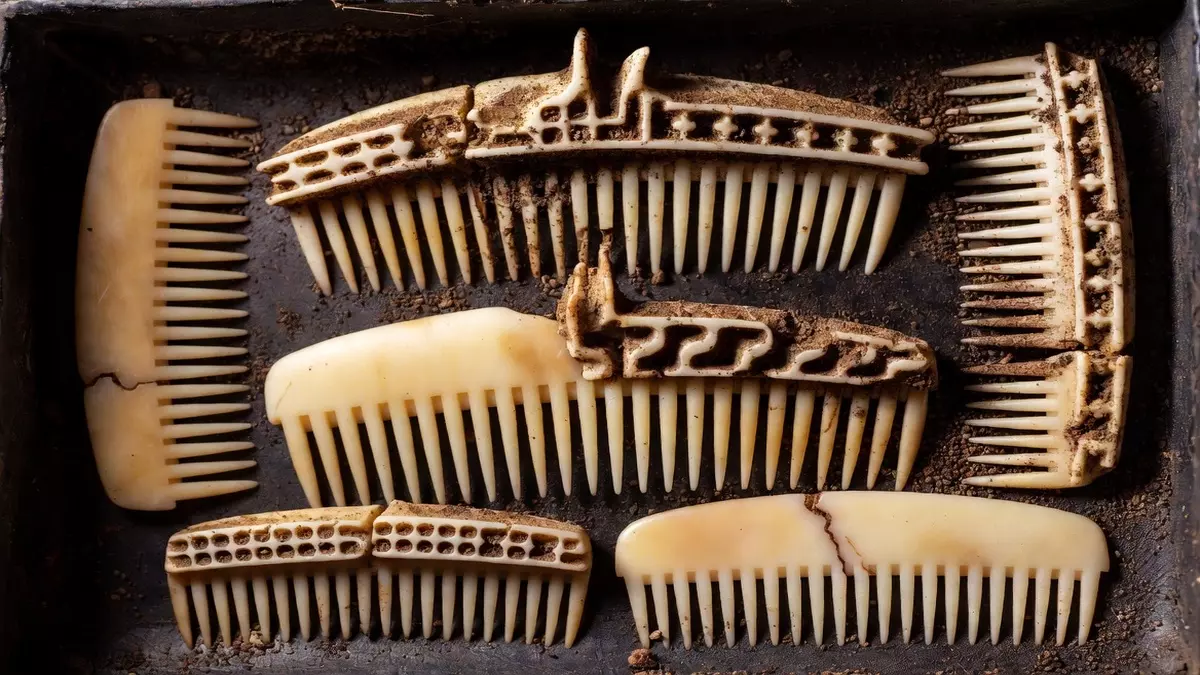
Archaeologists have brought a vibrant chapter of early medieval England to light through a stunning collection of Viking-era artifacts unearthed in Ipswich, Suffolk. Among the highlights are hundreds of finely crafted combs that point to deep Scandinavian connections and position the town as a major hub in North Sea trade networks during the Viking Age.
The finds, excavated between 1974 and 1994, include more than 1,300 finished bone and antler objects plus thousands of manufacturing waste pieces. A new book published by the Suffolk County Council Archaeological Service now shares these discoveries with the world, offering fresh insights into craftsmanship, daily life, and international exchange in 9th- and 10th-century Britain.
Viking Combs Discovery Reveals Ipswich Medieval Trade Power
### Massive Excavations Uncover Ipswich’s Craft Legacy
For two decades, teams carefully dug through layers of Ipswich soil, revealing one of the most important collections of early medieval bone and antler working ever found in the United Kingdom. The total haul includes 1,341 complete or nearly complete objects and roughly 2,400 fragments of production waste. This scale demonstrates that Ipswich was not just a passive trading post but an active manufacturing center.

The artifacts reflect a thriving local industry that turned raw materials like deer antler, cattle bone, and even whalebone into everyday and luxury goods. Ipswich’s strategic location on the east coast of England made it perfectly placed for receiving shipments of materials and finished items from across the North Sea.
### Extraordinary Finds Showcase Daily Medieval Life
The collection stands out for its diversity. More than 500 items relate directly to textile production, including spindle whorls and needles that highlight the importance of cloth-making in medieval households and workshops. Researchers also recovered 60 elegant dress pins, beautifully decorated strap-ends, musical flutes, gaming pieces, spoons, a rare whalebone fishing float, and even a sword grip.

The true stars of the discovery, however, are the 440 combs. These personal grooming tools were essential in the Viking Age and early medieval period, used by both men and women to maintain hair and social appearance. Thirteen of the combs show clear Scandinavian origins and date to the late 9th century, providing solid evidence of Viking presence and influence in Ipswich.
Experts link several of these combs to workshops in Hedeby, a major trading emporium located in what is now Germany but was then part of Denmark. The stylistic and technical similarities suggest active trade routes and cultural exchange between eastern England and southern Scandinavia.
### New Book Explores Ipswich’s European Connections
The recently released volume, titled *An Early Medieval Craft: Antler and Bone Working From Ipswich Excavations 1974-1994*, was written by Ian Riddler, Nicola Trzaska-Nartowski, and Shona Hatton. The authors present a detailed analysis that places Ipswich firmly within a wider European context, with strong ties to northern France, Frisia (modern Netherlands and Germany), and southern Scandinavia.
Riddler notes that the term “Viking” can be complex and often oversimplified. While raiding occurred, many Scandinavians also engaged in peaceful trade, settlement, and skilled craftsmanship. The Ipswich finds support this broader view, showing how bone and antler workers created high-quality products that circulated through extensive maritime networks.
The book serves as both a catalog of the artifacts and a deeper study of production techniques, raw material sourcing, and the social role of these objects. It will become a key reference for anyone studying early medieval material culture, craft specialization, or Viking Age economics.
### Ipswich: From 7th-Century Settlement to Viking Stronghold
Ipswich emerged in the 7th century during the post-Roman period as an important trading port. As Anglo-Saxon kingdoms grew, the town facilitated the movement of goods between Britain and continental Europe. Its convenient harbor made it attractive for merchants and, eventually, for Viking forces.
Around 869 CE, Ipswich came under Viking control as part of the expanding Danelaw territory. Rather than destroying the settlement, the newcomers appear to have integrated into and expanded its existing economic activities. The bone and antler workshop evidence suggests continuity and growth in local industries even during periods of political upheaval.
This blend of Anglo-Saxon and Scandinavian influences created a dynamic cultural environment. Artifacts show a fusion of styles and techniques, reflecting the movement of people, ideas, and skills across the North Sea.
**The Role of Craft in Medieval Economy**
Bone and antler working required specialized knowledge. Artisans needed to select appropriate materials, shape them precisely, and finish them for durability and beauty. The waste fragments found in Ipswich reveal the full production process—from initial cutting to final polishing—giving archaeologists a complete picture of workshop organization.
Such crafts supported both local needs and export markets. Combs, in particular, were lightweight, valuable, and in high demand, making them ideal trade items. Their presence in Ipswich underscores the town’s role in supplying goods to communities across Britain and beyond.
### Broader Implications for Understanding the Viking Age
These discoveries challenge older narratives that portrayed Viking activities primarily through the lens of violence. While conflict played a role, the Ipswich evidence highlights commerce, settlement, and cultural integration as equally important elements.
The combs and other objects show that Scandinavians brought their own traditions while adopting and adapting local practices. This mutual influence helped shape the development of medieval England and contributed to the rich cultural tapestry of the British Isles.
Melanie Vigo di Gallidoro, Suffolk County Council’s deputy cabinet member for protected landscapes and archaeology, emphasized how the long-term excavations have allowed researchers to reconstruct a detailed story of Ipswich’s medieval development. Will Fletcher from Historic England described the finds as offering a fascinating window into the town’s history and its connections across the North Sea.
### Why These Finds Matter for Modern Audiences
The Ipswich artifacts bring medieval history to life in relatable ways. Combs remind us that people 1,100 years ago cared about personal grooming just as we do today. Gaming pieces suggest leisure time, while textile tools point to the essential work of clothing production. Together, they paint a picture of a lively, connected community rather than a distant, abstract past.
For American readers interested in genealogy, heritage travel, or Viking history, these discoveries offer exciting links to ancestral roots. Many people with British or Scandinavian ancestry can trace cultural threads back to the very networks evidenced in Ipswich.
The publication of the new book coincides with growing public interest in the Viking Age, fueled by television shows, museum exhibits, and DNA research. This collection adds valuable academic depth to those popular narratives.
### Preserving and Sharing Medieval Heritage
The partnership between Suffolk County Council and Historic England demonstrates the value of long-term archaeological investment. Excavations that concluded decades ago continue to yield important insights thanks to careful analysis and modern publication efforts.
Future research may include advanced scientific techniques such as DNA analysis of the bone materials or isotope studies to trace raw material sources. These methods could reveal even more about trade routes and environmental conditions during the period.
Visitors to Suffolk today can explore related sites and museums that showcase Ipswich’s rich history. The artifacts themselves highlight the importance of protecting archaeological resources for future generations.
### Conclusion: Ipswich’s Place in the Medieval World
The trove of Viking combs and other bone and antler artifacts from Ipswich shines new light on one of England’s most significant early medieval trading centers. Far from a quiet backwater, the town thrived as a manufacturing and commercial hub with strong links across northern Europe.
Through the dedicated work of archaeologists and the new book by Riddler, Trzaska-Nartowski, and Hatton, these ancient objects tell compelling stories of craft, connection, and daily life during a transformative era. They remind us that the Viking Age was as much about building relationships and exchanging goods as it was about conflict.
As scholars continue to study this extraordinary collection, Ipswich’s importance in shaping medieval Britain and its place in the wider European story becomes increasingly clear. These discoveries invite us all to appreciate the deep historical roots that still influence our world today.
## FAQ
**What makes the Ipswich Viking combs special?**
The 440 combs, including 13 of Scandinavian origin from the late 9th century, represent one of the largest and most significant collections of its kind in the UK. Many show connections to major Viking trading sites like Hedeby.
**When were the Ipswich excavations carried out?**
The major digs took place from 1974 to 1994, uncovering thousands of bone and antler artifacts that reveal medieval craftsmanship and trade.
**What does the new book cover?**
*An Early Medieval Craft: Antler and Bone Working From Ipswich Excavations 1974-1994* analyzes the artifacts, production techniques, and Ipswich’s role in European trade networks during the Viking Age and early medieval period.
**Was Ipswich under Viking control?**
Yes, the town fell under Viking rule around 869 CE as part of the Danelaw. The finds show integration of Scandinavian and Anglo-Saxon communities through trade and craft production.
**What other artifacts were discovered alongside the combs?**
The collection includes over 500 textile tools, 60 dress pins, decorated strap-ends, flutes, gaming pieces, spoons, and unique items like a whalebone fishing float and sword grip.
**Why is Ipswich historically important?**
Founded in the 7th century, it served as a major port connecting Britain with continental Europe. The artifacts demonstrate its role as a center for manufacturing and international exchange throughout the early medieval period.
**Where can people learn more about these finds?**
The new book is available through the Suffolk County Council Archaeological Service. Local museums in Suffolk also display related artifacts and provide additional context on Ipswich’s medieval history.