
Table of Contents
**2,000-Year-Old Roman Shoes Reveal Frontier Life**
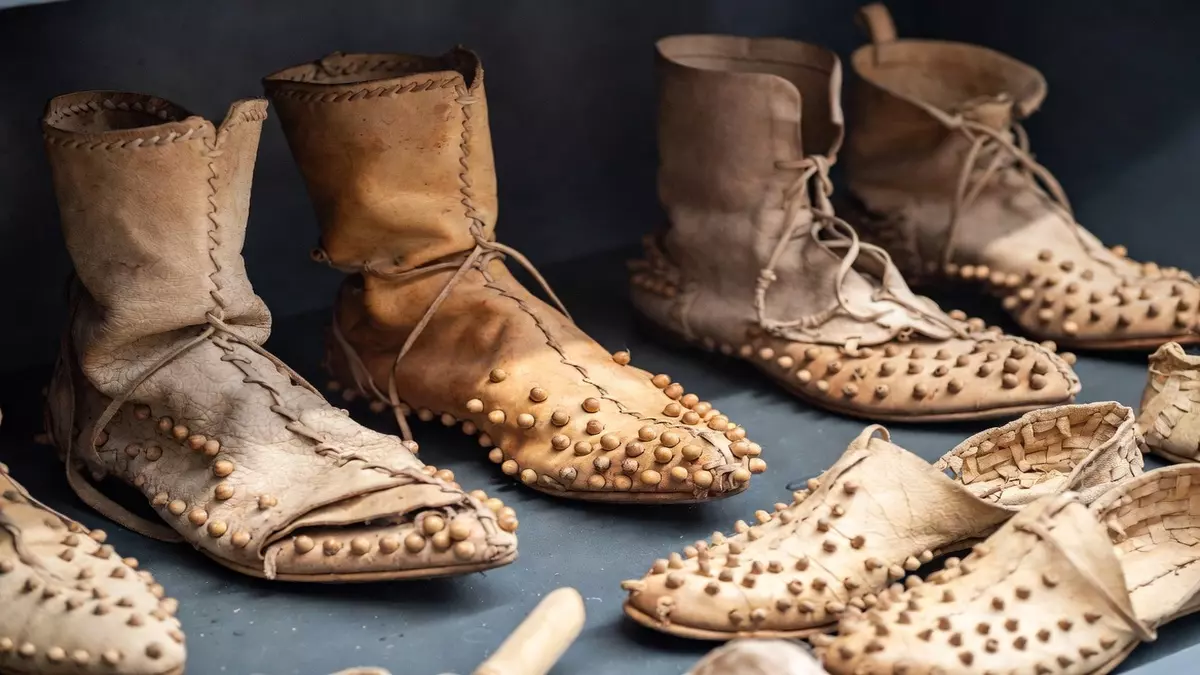
Hundreds of remarkably preserved Roman leather shoes are now on display at the Bata Shoe Museum, offering an intimate glimpse into daily existence along the northern edge of the Roman Empire. The new exhibition, “Unearthing Vindolanda: Footwear from the Edge of the Roman Empire,” opened on May 7, 2026, and runs through September 2027. Paired with a major new academic book, this showcase brings to life the soldiers, families, and craftspeople who lived near Hadrian’s Wall nearly two thousand years ago.
These artifacts come from Vindolanda, a famous Roman fort in Northumberland, England. The waterlogged soil there created perfect conditions for preserving organic materials, resulting in one of the world’s largest collections of ancient footwear—nearly 5,000 shoes recovered so far.
2,000-Year-Old Roman Shoes Reveal Frontier Life

### The Significance of Vindolanda in Roman Britain
Vindolanda was established around 85 CE as a key military outpost. Positioned along the Stanegate road, it helped secure the frontier between the River Tyne and the Solway Firth, later supporting Hadrian’s Wall. The fort housed soldiers from across the empire alongside civilians, creating a bustling community that left behind an extraordinary archaeological record.
What makes the footwear collection so special is its ability to tell personal stories. Unlike grand monuments or weapons, these everyday shoes reveal the real people behind the Roman military machine: men marching on patrol, women managing households, and children playing in the settlement. The variety in sizes, styles, and wear patterns provides rare evidence of family life on the empire’s edge.
### Inside the Bata Shoe Museum Exhibition
Visitors to the Bata Shoe Museum in Toronto will encounter more than 100 original artifacts from Vindolanda. The exhibition highlights how Roman footwear served both practical and social purposes. Military boots featured sturdy construction for long marches, while civilian shoes showed greater variety in design, reflecting local British craftsmanship blended with Mediterranean influences.
Stitching techniques, decorative elements, and repair marks offer clues about leatherworking skills and supply chains that stretched across Roman Britain and beyond. Some shoes show signs of heavy use, while others appear more delicate, suggesting they belonged to different social groups within the fort’s vibrant community.
The display emphasizes themes of resilience and adaptation. Life at Vindolanda was harsh, with cold winters and constant military demands, yet the footwear demonstrates how people maintained comfort and style even in challenging conditions. Interactive elements and detailed explanations help modern audiences connect with these ancient lives.
### New Book Brings Scholarly Depth to the Collection
Complementing the exhibition is the book *The Roman Footwear from Vindolanda* by Elizabeth M. Greene, a leading expert from Western University. Greene, who also served as one of the exhibition curators, has devoted years to studying Roman material culture and military sites.
In the book, Greene describes the Vindolanda collection as the most significant group of Roman shoes known from anywhere in the former empire. The publication analyzes shoes dating from the late first century through the fourth century CE, examining manufacturing methods, trade networks, and what the footwear reveals about clothing and social identity.
Readers will find clear explanations of how archaeologists analyze Roman shoes today, making the book valuable for both specialists and general history enthusiasts. It features high-quality images of standout examples and places the artifacts within the broader context of daily routines on Rome’s northern frontier.
### What the Shoes Reveal About Roman Daily Life
The Vindolanda footwear collection opens a window onto ordinary experiences that history books often overlook. Soldiers’ boots indicate the physical demands of frontier service, while smaller shoes belonging to women and children highlight the presence of families in military zones—a practice more common than once assumed.
Different styles point to local production alongside imported goods, illustrating economic connections throughout the province. Leather came from regional tanneries, and skilled cobblers worked within or near the fort. This evidence helps historians understand supply systems, craft specialization, and cultural exchange in Roman Britain.
Environmental conditions at Vindolanda played a crucial role. The anaerobic, waterlogged layers preserved not only shoes but also wooden writing tablets, textiles, and other organics. Together, these finds create one of the richest pictures of life in the Roman world.
**Military and Civilian Perspectives**
The exhibition and book together emphasize the human side of empire-building. While Vindolanda served a strategic military function, its community included merchants, artisans, and families. The shoes reflect this diversity, showing how Roman and local British traditions mixed over generations.
### Historical Context of the Roman Northern Frontier
Hadrian’s Wall, constructed beginning in 122 CE, marked the empire’s limit in Britain. Vindolanda, already established, became an important support site. Troops stationed there came from various regions, including Gaul, Spain, and even North Africa, bringing different footwear traditions that evolved in the British climate.
The shoes also provide insights into health and activity. Wear patterns can suggest occupations, while repairs show resourcefulness in a remote location. For children’s shoes especially, they remind us that the frontier was home to full communities, not just barracks.
This period saw fluctuating relations with local tribes, periods of peace, and times of tension. The artifacts capture moments of everyday life amid these larger historical currents.
### Why This Exhibition and Book Matter Today
The partnership between the Vindolanda Trust and the Bata Shoe Museum brings these treasures to a wider international audience. Shoe lovers, history buffs, and families can all find something engaging in the displays, while the accompanying book sets a new standard for scholarly publication on Roman material culture.
Such projects demonstrate the value of careful excavation and long-term study. Decades of work at Vindolanda continue to yield discoveries that reshape our understanding of the Roman world. The exhibition runs for well over a year, giving plenty of time for visitors to plan a trip and explore related programming.
### Connecting Past and Present Through Footwear
Shoes are deeply personal items. They carry the shape of their wearer’s feet and the traces of their journeys. In the case of the Vindolanda examples, they bridge nearly two millennia, allowing us to walk—figuratively—alongside the people who built and maintained Rome’s northern defenses.
This focus on ordinary objects makes ancient history more relatable. It shows that Romans dealt with many of the same practical concerns we do: keeping feet dry and protected, expressing identity through style, and adapting to local environments.
The exhibition and book together celebrate craftsmanship, resilience, and the details that make up daily life across time. They remind us that empires were built not only through grand strategies but also through countless small steps taken by real individuals.
### Conclusion: Timeless Stories Preserved in Leather
The “Unearthing Vindolanda” exhibition and Elizabeth Greene’s new book bring 2,000-year-old Roman shoes into the spotlight, revealing the vibrant human story of life on the empire’s edge. From soldiers guarding Hadrian’s Wall to families creating homes in a frontier settlement, these artifacts preserve voices that might otherwise have been lost.
Whether you’re fascinated by Roman history, archaeology, or simply the cultural significance of footwear, this is a must-see opportunity. The combination of stunning artifacts and expert analysis offers fresh insights into the past while highlighting the enduring importance of material culture in understanding who we are.
Plan your visit to the Bata Shoe Museum and consider picking up the book for deeper exploration. These ancient shoes continue to walk through time, connecting us to the distant world of Roman Britain in surprising and moving ways.
## FAQ
**What is Vindolanda and why is it important?**
Vindolanda is a Roman fort in Northumberland, England, near Hadrian’s Wall. Its waterlogged soil preserved thousands of organic artifacts, including nearly 5,000 shoes, providing unmatched insights into daily life on the Roman frontier.
**When and where is the Roman shoes exhibition happening?**
The exhibition “Unearthing Vindolanda: Footwear from the Edge of the Roman Empire” runs from May 7, 2026, through September 2027 at the Bata Shoe Museum in Toronto.
**Who wrote the new book on Vindolanda footwear?**
Elizabeth M. Greene of Western University authored *The Roman Footwear from Vindolanda*. She also co-curated the exhibition and is a specialist in Roman military sites and material culture.
**What do the Roman shoes tell us about life at the time?**
The shoes reveal details about soldiers, women, and children living at the fort. They show local manufacturing, trade networks, clothing styles, and the blend of Roman and British cultures from the late 1st to 4th centuries CE.
**How were the shoes preserved for nearly 2,000 years?**
The anaerobic, waterlogged conditions in Vindolanda’s soil prevented decay, allowing leather and other organic materials to survive exceptionally well compared to most Roman sites.
**Are there shoes from both military and civilian people?**
Yes. The collection includes sturdy military boots as well as a wide variety of civilian and children’s footwear, highlighting the diverse community that existed around the fort.
**Can visitors buy the book at the exhibition?**
The book is available as a companion to the exhibition and serves as an excellent resource for both museum visitors and researchers interested in Roman archaeology.