
Table of Contents
**Zirid Dynasty Conference at UCL to Spotlight Medieval North Africa**
Scholars from around the world will gather at University College London on May 28 and 29, 2026, for a groundbreaking international conference examining the Zirid dynasty’s central role in the medieval Islamic world. Titled “Zīrid Ifrīqiya and the Islamic World in the 10th–12th Centuries,” the event promises fresh perspectives on North African history, archaeology, and culture during a transformative period.
Organized as a partnership between UCL and Université Paris 1 Panthéon-Sorbonne, the conference highlights the growing academic interest in medieval North Africa. It focuses on the Zirids, a Berber Sanhaja dynasty that governed Ifrīqiya (roughly modern-day Tunisia and eastern Algeria) from 972 to 1148.
Zirid Dynasty Conference at UCL to Spotlight Medieval North Africa
### Why the Zirids Matter in Islamic History
For too long, the Zirid era has been overlooked or misunderstood. The last comprehensive study appeared in 1962, and much of the earlier research paid limited attention to material culture and everyday life. This upcoming conference aims to change that by bringing together experts across multiple disciplines to reassess the dynasty’s political influence, economic networks, and cultural contributions.
Far from being a marginal player, Zirid Ifrīqiya sat at a vital crossroads between the Sahara Desert and the Mediterranean Sea. The dynasty maintained complex relationships with the Fatimid Caliphate in Cairo while building its own autonomy and maritime strength. Its rulers fostered vibrant urban centers, supported scholarship, and participated in far-reaching trade systems that connected sub-Saharan Africa, Europe, and the Middle East.
### Conference Organizers and Academic Leadership
The event is led by three prominent scholars:
– **Corisande Fenwick**, Professor of Late Antique and Islamic Archaeology at UCL
– **Annliese Nef**, Professor at Université Paris 1 Panthéon-Sorbonne
– **Viva Sacco**, British Academy International Fellow at UCL

Their combined expertise in archaeology, history, and material culture ensures the conference will blend textual analysis with the latest findings from the ground.
### Key Themes and Topics to Be Explored
The conference will feature papers on a wide range of subjects that illuminate the Zirid world:
**Political Autonomy and Power**
Discussions will examine how the Zirids balanced independence from Fatimid Cairo while maintaining strategic alliances. Maritime capabilities and naval power played crucial roles in securing trade routes and defending territory.
**Architecture and Urban Development**
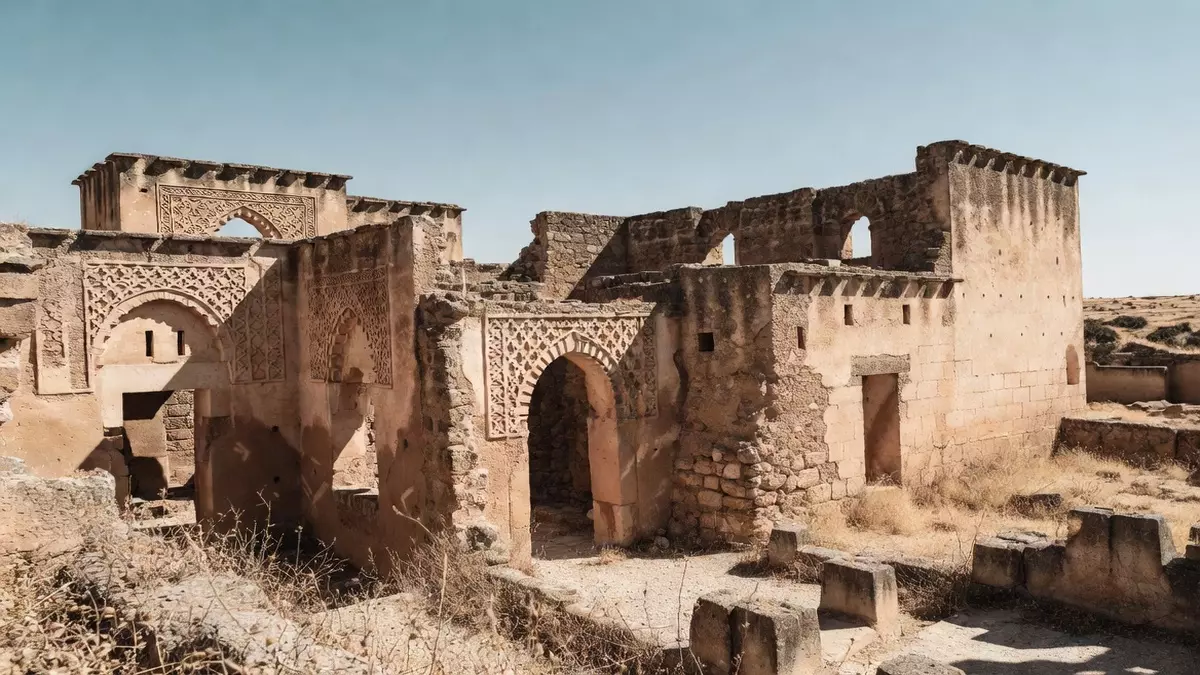
Presentations will highlight major Zirid cities and sites, including Achir, Mahdiya, and Sabra al-Mansūriyya. These centers showcased impressive architectural achievements and urban planning that reflected both local traditions and broader Islamic influences.
**Economic Networks and Trade**
Experts will explore the dynasty’s integration into regional and transregional economies. Topics include connections with Sicily and Egypt, as well as the vital Saharan trade routes that brought gold, slaves, ivory, and other goods into the Mediterranean world. Artisanal innovation and craft production will also receive attention.
**Daily Life and Material Culture**
Archaeological evidence will take center stage, revealing patterns of settlement, agricultural practices, and ordinary life in Zirid territories. New excavations and reinterpretations of existing sites promise to reshape our understanding of the period.
**Intellectual and Religious Life**
Scholars will discuss manuscript culture in Kairouan, the development of Mālikī legal traditions, and the role of religious scholarship. The conference will also address mobile societies and challenge traditional interpretations of the “Hilali myth” regarding Arab migrations.
### Call for Papers and Participation
Researchers are invited to submit proposals in English or French. Topics can extend beyond the listed themes to any relevant aspect of Zirid history and its connections to the wider Islamic world during the 10th to 12th centuries.
**Submission Requirements:**
– Paper title
– Author name(s) and institutional affiliation(s)
– Abstract (maximum 250 words)
**Deadline:** September 30, 2025
**Notification of Acceptance:** End of October 2025
Submissions should be sent to:
– Corisande Fenwick ([email protected])
– Annliese Nef ([email protected])
The Barakat Trust will cover travel costs for scholars from North Africa, ensuring broader participation from the regions most directly connected to the research.
### Broader Significance for Medieval Studies
This conference arrives at an exciting time. Recent years have seen renewed scholarly energy focused on medieval North Africa, including the caliphal, Aghlabid, and early Fatimid periods, as well as Ibadi communities. The Zirids deserve fresh examination as a bridge between these eras and later developments in the Maghreb.
By combining archaeology, numismatics, art history, epigraphy, and manuscript studies, the event will offer a more complete and nuanced picture of Zirid society. A peer-reviewed publication is planned afterward, with Brill’s Handbook of Oriental Studies series as the intended venue.
### Understanding the Historical Context
The Zirid dynasty emerged in the late 10th century as the Fatimids shifted their capital to Egypt. Tasked with governing Ifrīqiya on behalf of the caliphs, the Zirids gradually asserted greater independence. They faced challenges from nomadic groups, internal revolts, and external pressures from both Christian and Muslim powers.
Despite these difficulties, the period witnessed significant cultural flourishing. Kairouan remained a major center of Islamic learning, while coastal cities thrived on Mediterranean commerce. The Zirids also played a role in the complex political dynamics of Sicily and southern Italy.
Reevaluating these centuries helps historians better understand the interconnected nature of the medieval Mediterranean and the contributions of Berber dynasties to Islamic civilization.
### What Attendees Can Expect
Participants can look forward to two days of stimulating presentations, discussions, and networking opportunities. The format will encourage cross-disciplinary dialogue between archaeologists, historians, and specialists in related fields.
For students, early-career researchers, and established academics alike, the conference offers a chance to engage with cutting-edge research on a region whose importance continues to grow in global historical studies.
### Conclusion: A New Chapter in North African Scholarship
The 2026 UCL conference on Zīrid Ifrīqiya represents more than an academic gathering—it marks a significant step toward recognizing medieval North Africa’s central place in the Islamic world. By bringing together international expertise and prioritizing diverse perspectives, the event will generate new insights and lay groundwork for future research.
Anyone interested in medieval history, Islamic studies, archaeology, or North African heritage should mark their calendars. This is an opportunity to witness the reevaluation of a fascinating dynasty that shaped the Mediterranean for nearly two centuries.
**More information** and updates will be available through UCL and the organizers’ academic networks.
## FAQ
**What is the Zirid dynasty?**
The Zirids were a Berber Sanhaja dynasty that ruled Ifrīqiya from 972 to 1148. They initially governed on behalf of the Fatimids before establishing significant autonomy.
**When and where is the conference taking place?**
The international conference will be held on May 28 and 29, 2026, at University College London (UCL) in the United Kingdom.
**Who should attend or submit papers?**
The event welcomes specialists in archaeology, history, art history, numismatics, epigraphy, and manuscript studies. Proposals from graduate students and early-career researchers are encouraged alongside established scholars.
**What is the deadline for paper submissions?**
Abstracts must be submitted by September 30, 2025. Acceptance notifications will be sent by the end of October 2025.
**Will there be financial support for participants?**
Yes, the Barakat Trust will cover travel costs for scholars from North Africa.
**Is there a publication planned?**
Yes, organizers intend to publish selected papers in a volume with Brill in the Handbook of Oriental Studies series.
**Why is this conference important?**
It addresses a gap in scholarship on medieval North Africa and highlights the Zirids’ economic, cultural, and political significance in the broader Islamic world during the 10th–12th centuries.