
Table of Contents
- 1. The Forensic Breakthrough in the Porta Nola Necropolis
- 1.1. Forensics of Ancient Textiles
- 2. Why Wear Heavy Wool in the Middle of August?
- 2.1. Theory 1: The Timeline is Chronologically Wrong
- 2.2. Theory 2: Desperate Protective Gear
- 3. The Gathering Storm: Evidence for an Autumn Eruption
- 4. Frequently Asked Questions
- 4.1. What did the new Pompeii study discover about the victims’ clothing?
- 4.2. Why is the date of Mount Vesuvius’ eruption debated?
- 4.3. How can scientists see clothing if it rotted away 2,000 years ago?
- 4.4. Could the thick wool have been used as protective gear?
- 4.5. Who conducted this new textile research at Pompeii?
Thick Wool in the Summer Heat? Pompeii’s Victims Ignite Fresh Vesuvius Debate
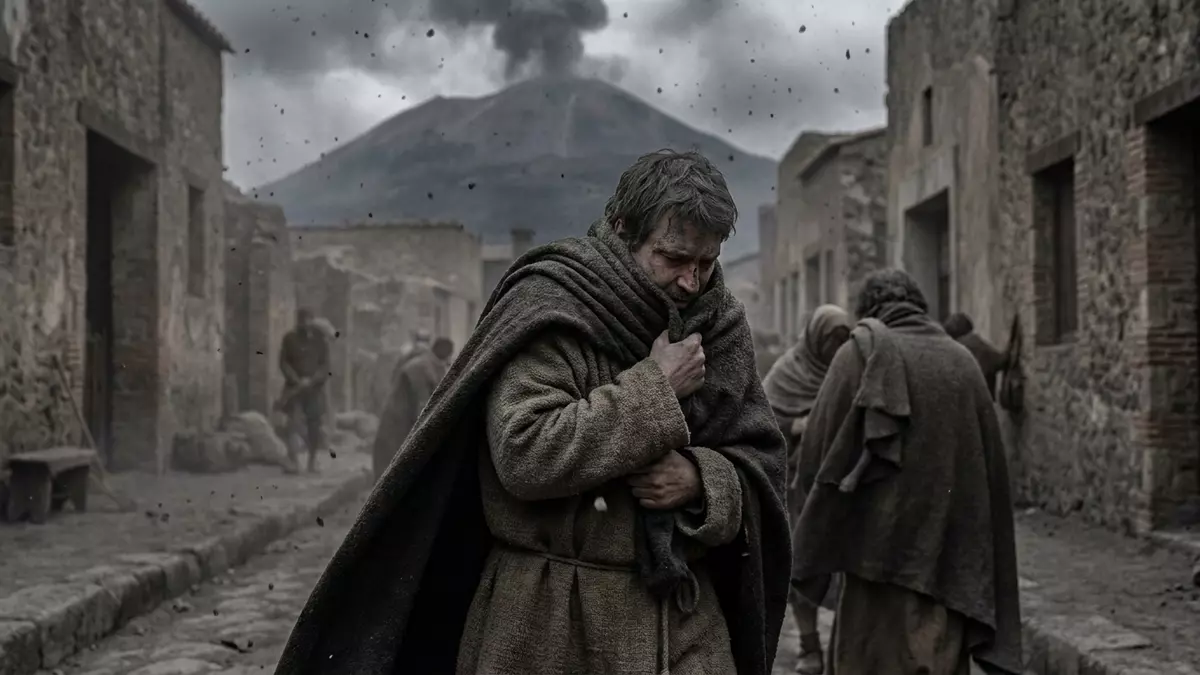
An innovative forensic study of human remains from Pompeii is reigniting one of the most fiercely contested debates in classical archaeology: When exactly did Mount Vesuvius erupt?
For centuries, historians accepted the traditional narrative that the Roman city was buried during a searing late-summer heatwave in August. However, an analysis of the clothing impressions left behind by the victims suggests that the final hours of Pompeii may have unfolded under much cooler, far more hostile atmospheric conditions than we ever imagined.
Thick Wool in the Summer Heat Pompeii’s Victims Ignite Fresh Vesuvius Debate
The Forensic Breakthrough in the Porta Nola Necropolis
The new research, spearheaded by the ÁTROPOS research group at the University of Valencia, shifted its focus away from traditional architecture and focused entirely on the famous plaster casts of Vesuvius’ victims. When the volcanic ash tightly packed around the deceased, it solidified into a mold. As the clothing decayed over millennia, it left behind highly detailed, microscopic impressions of the original textile weaves in the hardened ash.
 Catching the Scents of Ancient Egypt: Scientists Decode Mummy Embalming Recipes from Thin Air
Forensics of Ancient Textiles
Led by researcher Llorenç Alapont, the team examined fourteen plaster casts recovered from the Porta Nola necropolis. What they discovered across the board was completely unexpected. Regardless of whether the individuals died seeking shelter inside villas or out in the open streets, they were dressed almost identically:
The Core Layer: A coarse wool tunic worn directly against the body.
The Outer Layer: A heavy, thick wool cloak thrown over the tunic.

In four of the plaster casts, the preservation was so immaculate that researchers could physically measure the thread density. The data confirmed that these were not light summer garments; they were woven with heavy, high-density yarn meant for maximum insulation.
Why Wear Heavy Wool in the Middle of August?
In the ancient Mediterranean, wool was the absolute standard for clothing due to its durability, abundance, and low cost. However, wearing a double layer of dense, heavy wool during a sweltering southern Italian August makes little biological or cultural sense.
Archaeologists are now weighing two competing theories to explain why the population was dressed for cold weather.
                  ┌──────────────────────────────┐
                  │ Heavy Wool Attire in Pompeii │
                  └──────────────┬───────────────┘
                                 │
         ┌───────────────────────┴───────────────────────┐
         ▼                                               ▼
┌─────────────────────────────────┐             ┌─────────────────────────────────┐
│       Theory 1: Seasonal        │             │       Theory 2: Atmospheric     │
│   The eruption occurred during  │             │   Heavy layers were improvised  │
│    autumn, not late summer.     │             │  protection from volcanic ash.  │
└─────────────────────────────────┘             └─────────────────────────────────┘
Theory 1: The Timeline is Chronologically Wrong
The most straightforward explanation is that it simply wasn’t August. If the disaster occurred later in the year, during the crisp chill of mid-to-late autumn, heavy woolen layers would be the standard daily attire for Roman citizens.
Theory 2: Desperate Protective Gear
Alternatively, the heavy clothing might have been a panicked, logical reaction to a terrifying reality. As Mount Vesuvius erupted, it blocked out the sun, plunging the region into an artificial winter. The air pressure shifted violently, and temperatures could have plummeted dramatically.
Furthermore, wrapping oneself in thick, heavy wool layers would act as a crude, vital shield against burning falling ash, jagged pumice stones, and the blistering, toxic gases clouding the atmosphere.
The Gathering Storm: Evidence for an Autumn Eruption
The University of Valencia’s textile study does not stand alone; it provides heavy physical backing to a growing mountain of archaeological evidence that challenges the traditional August 24, CE 79 disaster date written by Pliny the Younger.
Over the decades, field excavations have quietly unearthed numerous items that do not belong in a summer landscape:
The Autumn Harvest: Storehouses in Pompeii were found packed with freshly harvested pomegranates, chestnuts, and walnuts—crops that mature in October, not August.
Domestic Heating: Multiple excavated homes contained remnants of freshly lit braziers (space heaters), which would be absurd to use during an August heatwave in southern Italy.
The Wine Variable: Archaeologists found that large wine storage jars (dolia) had already been sealed shut, indicating that the autumn grape harvest and subsequent fermentation process were well underway.
By examining the very fabric worn by the victims, the Valencia team adds undeniable forensic evidence to the case. The striking uniformity of the heavy wool layers across different social classes suggests that the entire population was reacting to a shared environmental pressure—whether that pressure was the arrival of autumn cold or the immediate, freezing shadow of Vesuvius.
Frequently Asked Questions
What did the new Pompeii study discover about the victims’ clothing?
The study analyzed fourteen plaster casts from the Porta Nola necropolis and discovered clear impressions of heavy, coarse wool tunics and thick cloaks. The density of the weave indicates the clothing was designed for cold weather, which is highly unusual for an August day in Italy.
Why is the date of Mount Vesuvius’ eruption debated?
Historically, written letters from Pliny the Younger placed the eruption on August 24, CE 79. However, physical evidence found within the ruins—like autumn fruits, heated braziers, advanced wine fermentation, and now thick clothing—strongly points to a later date, likely in October or November.
How can scientists see clothing if it rotted away 2,000 years ago?
When victims were buried in hot volcanic ash, the ash solidified around their bodies and clothing before the organic matter decayed. When archaeologists poured plaster into these hollow voids, the plaster captured the exact, microscopic texture and weave of the clothing impressed upon the ash.
Could the thick wool have been used as protective gear?
Yes. It is highly possible that as the sky turned dark and Vesuvius began raining down fire, gases, and sharp rock debris, residents put on their thickest wool clothing to protect their skin from thermal burns and airborne fragments.
Who conducted this new textile research at Pompeii?
The forensic investigation was conducted by the ÁTROPOS research group based out of the University of Valencia, led by prominent archaeologist Llorenç Alapont.