
Table of Contents
**1,000-Year-Old Coins Reveal Viking-English Connections**
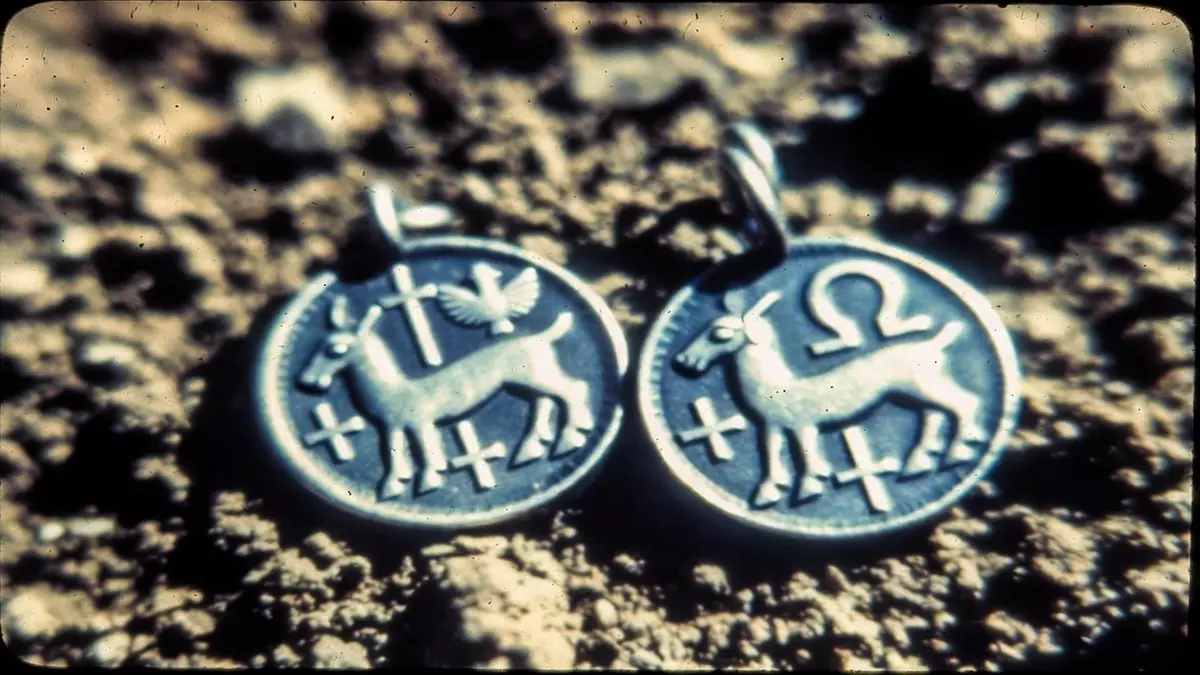
In the early 11th century, England faced relentless pressure from Viking raiders. To counter these threats, King Æthelred II commissioned unique silver coins loaded with Christian symbolism. Surprisingly, two of these rare artifacts recently surfaced in Denmark—not as loot discarded, but as treasured personal ornaments worn by the very people they were meant to repel.
These extraordinary finds offer a fascinating window into one of history’s most complex cultural clashes. Discovered by metal detectorists in northern and southern Jutland, the coins highlight how objects of faith and protection crossed the North Sea and took on new meaning in Viking hands.
1,000-Year-Old Coins Reveal Viking-English Connections

### The Historical Backdrop of Viking Raids on England
By the year 1009, Viking incursions had plagued England for over two centuries. What began as hit-and-run raids evolved into larger campaigns demanding massive tribute payments known as Danegeld. King Æthelred II, later nicknamed “the Unready” (meaning ill-advised), struggled to defend his kingdom.
In desperation, the English king turned to both military efforts and spiritual solutions. He ordered widespread fasting and acts of public penance. As part of this religious campaign, mints produced a special limited-issue coin dramatically different from ordinary currency of the era.

Standard English pennies typically featured the king’s portrait on one side and a simple cross on the reverse. The new design, however, centered entirely on powerful Christian imagery designed to invoke divine protection against the pagan invaders.
### What Made These “Lamb of God” Coins So Unique
Historians refer to these pieces as Agnus Dei or “Lamb of God” coins. Their symbolism was unmistakable:
– The obverse showed a lamb pierced by a cross, representing Jesus Christ’s sacrifice.
– Below the lamb appeared a tablet inscribed with the Greek letters alpha and omega, signifying God as the beginning and the end.
– The reverse depicted a dove ascending, a classic emblem of the Holy Spirit.
This heavy religious emphasis was intentional. The coins were not just money but talismans meant to rally divine support during a time of national crisis. Yet despite these spiritual efforts, Viking attacks persisted, and many coins left England through raids, tribute, or trade.
**The Danish Discoveries**
The two newly found specimens represent an important addition to a very small group. Worldwide, experts have identified only about 30 examples of these Agnus Dei coins. Remarkably, just four or five have ever turned up in England itself. The majority come from Scandinavia and the Baltic region, with these latest Danish finds adding valuable context to the story.
One coin was recovered in northern Jutland and another in southern Jutland. Both show the distinctive Agnus Dei design minted in 1009. Their excellent state of preservation has allowed researchers at the National Museum of Denmark to study fine details that reveal how Vikings adapted these foreign objects.
### How Vikings Transformed Religious Coins Into Personal Adornments
Rather than melting down the silver for its metal value, many Viking owners modified the coins by adding loops. This simple alteration turned them into pendants suitable for necklaces or amulets. The practice suggests Vikings appreciated the coins’ artistic and possibly spiritual qualities, even though the imagery was deeply Christian.
This cultural adaptation reveals nuance in Viking society. While often portrayed as ruthless raiders in popular media, evidence shows they were also traders, settlers, and adopters of new ideas. The Agnus Dei coins appear to have been valued as exotic, high-status items with protective powers of their own in Norse eyes.
Gitte Tarnow Ingvardson and her colleagues at the National Museum of Denmark have studied these artifacts extensively. Their analysis shows how the coins traveled far from their English origins and found new life among Scandinavian communities.
### Economic Revolution: From Hacksilver to Organized Currency
These coins also illustrate a broader transformation in Viking Age economics. Before extensive contact with England and other European kingdoms, Scandinavians primarily used “hacksilver”—chopped-up pieces of silver weighed for trade. Exposure to England’s more sophisticated monetary system gradually changed this practice.
Over time, coinage became more common in Viking territories. The English influence is clearly visible in later Danish coin production. Rulers such as Cnut the Great (who eventually ruled both England and Denmark), his son Harthacnut, and Sweyn Estridsson minted coins that borrowed English design elements, including some motifs reminiscent of the Lamb of God series.
This shift toward standardized currency supported expanding trade networks across Europe and helped strengthen royal authority in Scandinavia.
### The Irony of Coins Meant to Stop Vikings
The greatest fascination surrounding these artifacts lies in their ironic journey. Created specifically to seek heavenly protection against Viking armies, the coins instead became personal treasures carried north by those same raiders or traders.
This reversal speaks to the complex relationship between Christian England and pagan (or recently converted) Scandinavia. While conflict dominated the headlines of the period, cultural exchange and mutual influence flowed steadily beneath the surface.
Christianity was spreading across Scandinavia during this era, often through contact with England and the Holy Roman Empire. The Agnus Dei coins may have accelerated this process by exposing Viking communities to compelling religious imagery.
### Archaeological Significance and Modern Discovery
Metal detecting has revolutionized our understanding of the Viking Age in recent decades. The two Danish coins were found by responsible detectorists who promptly reported them, allowing professional archaeologists to document the context carefully.
Such finds are rare because the Agnus Dei issue was extremely limited. Their scarcity makes each new discovery academically significant. The Danish examples, in particular, strengthen the connection between English minting practices and Scandinavian material culture.
Researchers continue examining these coins using modern techniques to learn more about their metallurgy, minting methods, and circulation patterns. Each detail helps paint a richer picture of life in Northern Europe over a thousand years ago.
### Broader Context of Viking Age Interactions
The early 11th century marked a pivotal period. While Æthelred struggled in England, Viking leaders were consolidating power at home. The eventual conquest of England by Cnut in 1016 represented the high point of Viking influence in Britain, creating a North Sea empire that blended English and Scandinavian traditions.
Coins served as powerful tools of propaganda and economic control during this time. The Agnus Dei series represents one of the more spiritually charged attempts at royal messaging in medieval history.
Today, these artifacts remind us that history is rarely black and white. Raiders could become admirers. Enemies could influence each other’s art, economy, and religion in lasting ways.
The small silver discs, originally intended as instruments of national defense, now serve as bridges connecting two cultures that shaped modern Europe.
### Conclusion: Small Objects, Big Stories
The discovery of these two Lamb of God coins in Denmark enriches our understanding of Viking Age history. They embody the tension between conflict and connection that defined relations between England and Scandinavia.
Far from being simple relics of warfare, they reveal layers of artistic appreciation, economic evolution, and cultural adaptation. In an age of division, these tiny pieces of silver demonstrate how shared objects could transcend their original purpose and create unexpected bonds across the sea.
As archaeologists continue uncovering more artifacts, our picture of this dynamic period grows clearer. The Agnus Dei coins stand as powerful symbols of a shared European heritage forged in the fires of both conflict and creativity.
## FAQ
**What are Agnus Dei coins?**
Agnus Dei coins, also called Lamb of God coins, are rare English silver pennies minted in 1009 under King Æthelred II. They feature Christian symbols including a lamb, cross, alpha and omega tablet, and dove, unlike standard royal portrait designs.
**Why were these coins created?**
King Æthelred ordered their production during intense Viking raids as part of a broader spiritual campaign involving fasting and penance. The coins were meant to invoke divine protection for England against the invaders.
**How many Agnus Dei coins exist today?**
Only around 30 examples are known worldwide. Most have been found in Scandinavia and the Baltic region, with very few discovered in England itself.
**Why did Vikings turn the coins into jewelry?**
Vikings often added loops to the coins to wear them as pendants. They apparently valued the beautiful Christian imagery and may have considered them status symbols or protective amulets in their own right.
**What do these coins tell us about Viking society?**
The finds demonstrate that Vikings engaged with English culture beyond raiding. They show the gradual adoption of coin-based economies and openness to Christian artistic influences that later shaped Scandinavian coinage under kings like Cnut the Great.
**Where can I learn more about these discoveries?**
The National Museum of Denmark has detailed information about the recent finds and ongoing research into Viking Age connections with England.