
Table of Contents
**Spondylus Shell Trade Networks: Ancient Europe’s First Long-Distance Exchange System**
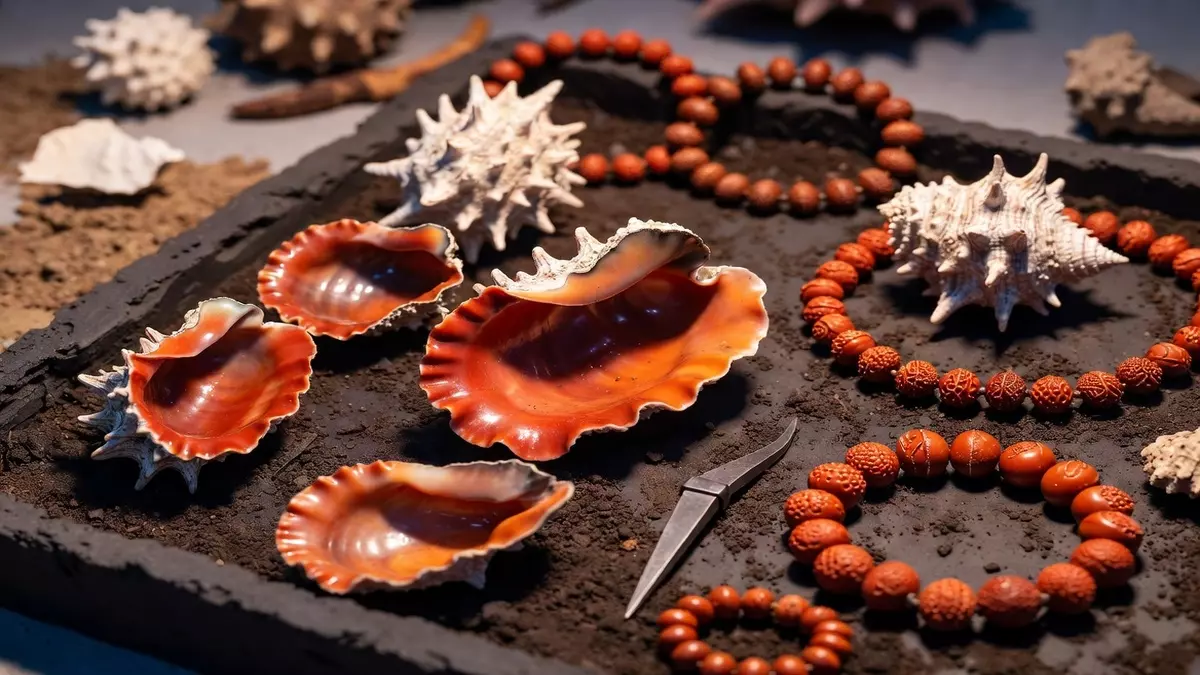
Spondylus shells, often called thorny oysters, served as one of prehistoric humanity’s most prized commodities. These vibrant marine bivalves fueled extensive trade networks that stretched thousands of kilometers, connecting coastal harvesting zones with inland communities. Their journey reveals early systems of exchange, social status, and cultural diffusion that shaped the foundations of European civilization.
Archaeologists have traced *Spondylus gaederopus* artifacts from the Aegean and Adriatic Seas deep into Central and Northern Europe, sometimes covering nearly 3,000 kilometers. This trade coincided with the spread of agriculture during the Neolithic period, offering a window into how early farming societies built economic and social connections.
Spondylus Shell Trade Networks Ancient Europe’s First Long-Distance Exchange System
### Origins and Harvesting of Spondylus Shells
*Spondylus gaederopus* thrives in the warm waters of the Mediterranean, particularly the Aegean Sea. Divers or coastal foragers harvested live specimens for their colorful, spiny shells, which ranged from deep reds and oranges to whites. The shells’ lustrous interior and exotic origin made them ideal for creating prestige items.
In the Aegean region, communities processed shells into beads, bracelets, belt buckles, and other ornaments. Evidence from sites in Greece, Macedonia, and Thrace shows local production during the Neolithic and Copper Age. From these coastal hubs, finished goods or raw shells traveled northward along river valleys and overland routes.

Fossil *Spondylus* shells occasionally appear in archaeological contexts, but they were less valued due to their brittle texture and faded color. The preference for fresh Mediterranean specimens underscores the importance of active long-distance supply chains.
### The Neolithic Spondylus Trade Boom (c. 5500–4200 BCE)
The height of *Spondylus* exchange occurred during the second half of the sixth millennium BCE. As farming spread across Europe, new exchange networks emerged alongside the movement of domesticated plants and animals. *Spondylus* shells followed similar trajectories, moving from the Aegean and Adriatic northward to regions in modern-day France, Germany, Poland, and even the Paris Basin.
Key cultures involved include:
– **Linearbandkeramik (LBK)**: Early farmers in Central Europe who incorporated *Spondylus* bracelets and beads into burials.
– **Lengyel culture**: Known for elaborate ornaments and evidence of social differentiation.
– **Carpathian Basin communities**: Where shells appear in both settlements and cemeteries.
This trade mirrored the spread of agriculture, suggesting that *Spondylus* items traveled through the same social and economic channels that disseminated new technologies and ideas. Artifacts appear in graves as markers of status, in settlements as everyday prestige goods, and occasionally as isolated finds along routes.
**How the Trade Worked**
Archaeologists describe the system as a combination of down-the-line exchange, gift-giving, and possibly more organized barter. Shells were often reworked locally as they moved, with styles adapting to regional preferences. This variability indicates flexible networks rather than a single centralized operation.
The trade presupposed established routes, social alliances, and trust between communities. In mountainous areas like the Carpathians, shells reached relatively isolated valleys, demonstrating the reach of these early networks.
### Spondylus in the Aegean Bronze Age Context
While the peak occurred in the Neolithic, *Spondylus* continued to hold significance into the Bronze Age. In the Aegean, shells appear in Early Bronze Age settlements, sometimes used for tools or consumption in addition to ornaments. The Pomerance Fellowship, which supports research in Aegean Bronze Age archaeology, highlights the ongoing scholarly interest in such material culture and exchange systems.
Maritime capabilities in the Aegean likely facilitated initial harvesting and coastal distribution. Lead boat models and obsidian trade evidence from the region support the existence of seafaring networks that could have supported shell collection and transport.
### Parallel Networks: Spondylus Trade in the Ancient Andes
Remarkably, *Spondylus* played a similar prestige role thousands of miles away in South America. In the Andes, these shells—sourced primarily from warmer Ecuadorian waters—were traded along mountain routes that prefigured the Inca road system.
Andean cultures valued the red-orange shells as symbols of fertility, rain, and the sea. They featured prominently in rituals, jewelry, and offerings from the Preceramic period through the Inca Empire. The Chimú and later Inca states actively sponsored long-distance trade to secure supplies, using shells in elite burials, architectural inlays, and ceremonies.
This parallel underscores a near-universal human tendency to assign high value to exotic marine materials, regardless of geography.
### Decline and Legacy of the European Spondylus Trade
After around 4000 BCE, *Spondylus* use declined in many parts of Europe, becoming sporadic. The rise of copper and other materials likely provided new prestige goods that gradually replaced the shells. In some regions, communities shifted to consuming the shellfish rather than crafting ornaments.
Despite the decline, the *Spondylus* networks left a lasting impact. They demonstrated that long-distance exchange predated complex states by millennia and helped establish social hierarchies based on access to exotic goods. The trade also fostered cultural interactions that accelerated the spread of innovations across Neolithic Europe.
### Modern Research and Significance
Advances in malacological analysis, isotope studies, and spatial mapping continue to refine our understanding of these networks. Researchers examine manufacturing techniques, shell provenience, and contextual use to distinguish between trade, gift exchange, and local imitation.
For scholars of Aegean Bronze Age archaeology, *Spondylus* provides important comparative data on maritime resources, prestige economies, and connectivity. Fellowships like the Harriet and Leon Pomerance Fellowship support projects that explore these material connections in the Aegean world.
### Why Spondylus Matters Today
The story of *Spondylus* trade illustrates humanity’s ancient drive for connection and meaning through objects. These shells were more than decoration—they embodied status, spiritual beliefs, and participation in wider worlds.
In an era of global supply chains, the prehistoric *Spondylus* networks remind us that long-distance exchange has deep roots. They challenge notions of isolated prehistoric societies and highlight the sophistication of early European farmers.
As new discoveries emerge from ongoing excavations in the Aegean, Balkans, and Central Europe, our picture of these foundational trade systems grows richer. The thorny oyster continues to reveal secrets about how ancient communities built relationships across vast distances.
## FAQ
**What is Spondylus and why was it valuable?**
*Spondylus gaederopus* is a marine bivalve with colorful, spiny shells. Its exotic origin, vibrant appearance, and luster made it a prestige material for ornaments in prehistoric Europe and the Andes.
**How far did Spondylus shells travel in prehistoric Europe?**
Shells were transported up to nearly 3,000 kilometers from the Aegean and Adriatic Seas to regions in France, Germany, Poland, and beyond.
**When was the peak of Spondylus trade in Europe?**
The most intensive period occurred during the Neolithic, roughly 5500–4200 BCE, coinciding with the spread of agriculture.
**Were Spondylus shells traded in the Bronze Age?**
Yes, though usage declined after the Neolithic peak. They continued to appear in Aegean and other contexts, sometimes for tools or food in addition to ornaments.
**How does Andean Spondylus trade compare?**
In the Andes, similar shells were traded over long distances for ritual and elite use, playing a key role in economies like the Chimú and Inca states—showing parallel cultural importance.
**What research opportunities exist?**
Projects examining Aegean Bronze Age material culture, exchange networks, and shell artifacts are supported by fellowships such as the Harriet and Leon Pomerance Fellowship from the Archaeological Institute of America.