
Table of Contents
Medieval Bones Reveal Hidden Microbes Driving Decay
A groundbreaking Norwegian study has uncovered the hidden microbial world living inside centuries-old human bones. Researchers found distinct bacterial communities that actively drive both the decay and preservation of archaeological skeletons. The findings offer new insights into what happens to human remains after burial and could transform how archaeologists and forensic scientists understand long-term bone degradation.
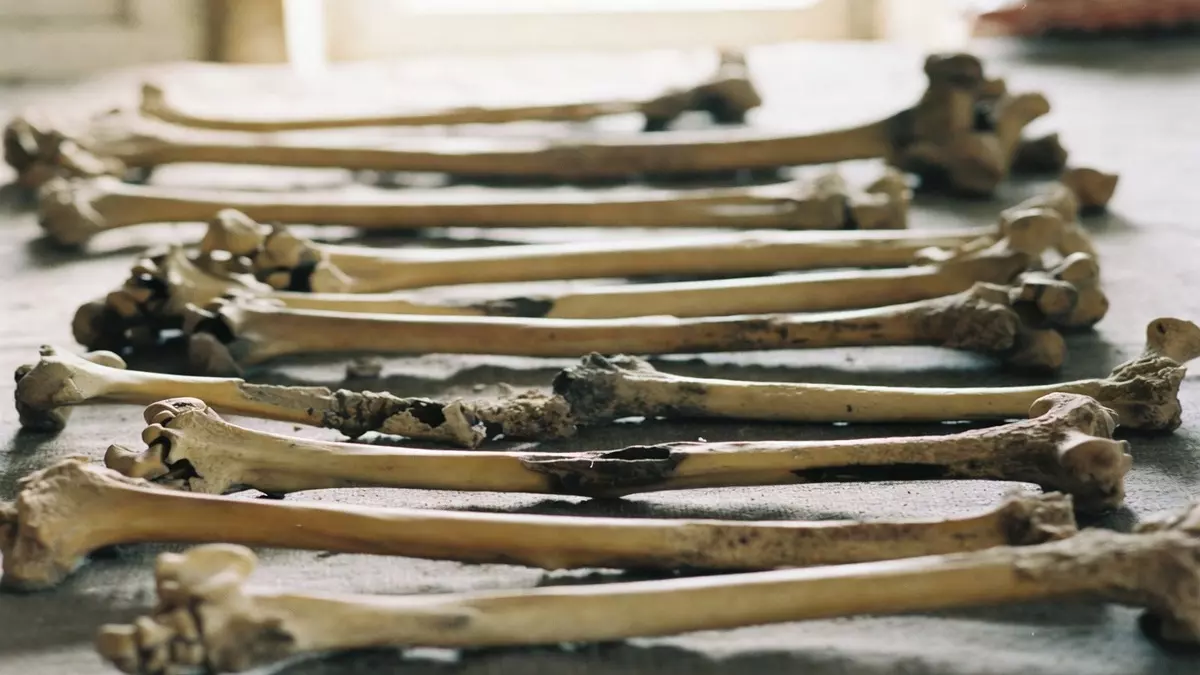
Published in *PLoS One*, the research examined medieval bones from southwestern Norway dating from the 11th to the 19th centuries. By combining microscopic analysis with genetic sequencing, scientists revealed clear connections between specific microbes and the physical condition of the bones. This detailed look at the “microbiome of the dead” opens exciting possibilities for better interpreting ancient remains and improving conservation methods for museum collections.
 Rare 19th-century bone dental bridge found in Portugal points to early cosmetic tooth replacement
Medieval Bones Reveal Hidden Microbes Driving Decay
### The Science Behind Bone Degradation
Human bones are not lifeless after death. Even after centuries underground, they host dynamic communities of bacteria and other microorganisms. These microbes break down organic components like collagen and minerals, creating the patterns of damage visible to archaeologists.
The Norwegian team studied samples from two different burial environments: outdoor cemeteries and indoor church floors. This comparison proved crucial. Bones buried outdoors, especially older ones, showed more severe degradation. In contrast, remains protected beneath church floors often remained in much better condition.
Scientists have suspected microbial involvement in bone decay since the 19th century, but identifying the specific organisms responsible has been challenging. This new study stands out because it paired two powerful techniques: histological examination under the microscope and metagenomic DNA analysis. This dual approach allowed researchers to link visible damage patterns directly to the genetic signatures of living and ancient microbes.
### Key Findings on Microbial Communities
The study revealed striking differences in microbial populations based on preservation quality:
– **Streptomyces bacteria** appeared consistently across most samples. This genus, known for producing enzymes that break down tough proteins, is strongly suspected of playing a major role in bone bioerosion — the tunneling and destruction caused by microorganisms.
– **Lysobacter** species were more common in moderately degraded bones.
– **Streptosporangium** also showed up in several samples. Many bacteria in these groups produce collagen-degrading enzymes, directly contributing to the breakdown of bone structure over time.
One of the most surprising results was that **well-preserved bones often contained higher microbial diversity** than heavily damaged ones. This pattern was especially clear in indoor church burials. Researchers suggest that better-preserved bones retain more nutrients and structural integrity, creating a stable environment that supports a wider variety of microbes without complete destruction.
### Indoor vs Outdoor Burial Environments
Burial location had a major impact on both preservation and microbial activity. Church floor burials, which offered more stable temperature and humidity conditions, generally protected bones better. Outdoor cemetery graves faced greater exposure to fluctuating moisture, oxygen, and soil chemistry — conditions that favored aggressive bone-eating bacteria.
These environmental differences help explain why some medieval skeletons survive in excellent condition while others become extremely fragile. Understanding these patterns allows archaeologists to better interpret why certain sites yield better-preserved remains than others.
### Technical Challenges in Studying Ancient Microbes
Analyzing microbes in archaeological bones comes with significant hurdles. Ancient DNA degrades over time, limiting how precisely scientists can identify species. Additionally, contamination during excavation, handling, and museum storage can introduce modern microbes that complicate results.
Despite these limitations, the study provides strong evidence for a distinct “museum bone microbiome” — a characteristic community of organisms that develops in curated skeletal collections. Recognizing this helps researchers distinguish between microbes active during burial and those introduced later.
Fungal activity proved harder to assess. While microscopic examination showed possible fungal structures in some bones, genetic testing detected fungal DNA in only one sample. This discrepancy highlights the need for further research into the role of fungi in long-term bone preservation and decay.
### Why This Research Matters for Archaeology and Forensics
This Norwegian study represents an important step forward in taphonomy — the scientific study of how organisms decay and become fossilized. Understanding microbial drivers of bone degradation helps archaeologists:
– Better date and interpret burial sites
– Improve strategies for conserving fragile remains
– Distinguish natural postmortem changes from evidence of disease or trauma
– Develop more accurate models of burial environments
For forensic scientists, these insights have practical applications in estimating time since death and analyzing remains in criminal investigations. The microbial signatures left in bones could eventually serve as new tools for determining burial conditions and postmortem history.
The research also raises fascinating questions about the “afterlife” of human bodies. Even after death, our remains continue to interact with the microscopic world in complex ways that influence how long they survive in the archaeological record.
### Broader Context of Medieval Burial Practices in Norway
Medieval Norway had diverse burial traditions. Many people were interred in churchyards, while wealthier individuals or clergy often received burial beneath church floors. These practices created different microenvironments that influenced preservation.
The bones examined in this study came from Stavanger and surrounding areas, providing a valuable regional dataset. Southwestern Norway’s soil chemistry and climate create specific conditions that make it an excellent natural laboratory for bone degradation research.
Similar studies in other parts of Europe and the world are needed to determine whether the microbial patterns identified here are universal or specific to Nordic burial environments. Soil type, temperature, moisture levels, and local microbial populations all likely play important roles.
### Future Directions for Bone Microbiome Research
The authors emphasize the need for larger, more diverse studies. Future research could examine bones from different time periods, climates, and burial types. Advanced techniques like shotgun metagenomics and metabolomics may provide even deeper insights into how microbial communities function inside ancient bones.
As DNA sequencing technology improves and contamination controls become more sophisticated, scientists hope to develop clearer pictures of the complex ecosystems that exist within buried skeletons.
This type of research also has conservation implications. Understanding which microbes accelerate decay could help museums develop better storage methods to protect valuable archaeological collections for future generations.
### The Human Stories Within Ancient Bones
While this study focuses on microbes, it ultimately tells human stories. Each bone analyzed once belonged to a real person who lived, worked, and died in medieval Norway. The microbial communities they host today represent the final chapter in a biological journey that began centuries ago.
By studying these microscopic traces, researchers honor the past while advancing scientific knowledge. Every degraded or preserved bone offers clues about how people lived, how they were buried, and how time eventually reclaims them.
**Conclusion**
The medieval bone study from Norway reveals a fascinating hidden world of microbial activity that continues long after death. By identifying key bacteria like Streptomyces and linking them to different levels of bone preservation, researchers have deepened our understanding of archaeological decay processes and the factors that determine whether ancient remains survive for centuries.
This research demonstrates the power of combining traditional archaeological methods with cutting-edge genetic analysis. As we learn more about the microbial communities in buried bones, we gain valuable tools for interpreting the past, protecting cultural heritage, and even solving modern forensic mysteries.
The findings remind us that human remains are dynamic biological systems rather than static objects. Microbes continue their work for hundreds of years, shaping what archaeologists eventually discover. Future studies building on this work will undoubtedly reveal even more secrets about life after death and the remarkable journey of human bones through time.
**FAQ**
**Q: What is the main focus of the Norwegian medieval bone study?**
A: The research examines microbial communities inside ancient bones and how different bacteria influence decay and preservation over centuries.
**Q: Which bacteria are most linked to bone degradation?**
A: Streptomyces bacteria appeared most frequently and are strongly associated with bioerosion. Lysobacter and Streptosporangium were also connected to moderate degradation.
**Q: Why do some medieval bones preserve better than others?**
A: Burial environment plays a major role. Indoor church burials generally preserved bones better than outdoor cemetery graves due to more stable conditions.
**Q: Do well-preserved bones have more or fewer microbes?**
A: Surprisingly, better-preserved bones often showed higher microbial diversity. Researchers believe they provide more nutrients and structure to support varied communities.
**Q: What challenges exist in studying ancient bone microbes?**
A: Ancient DNA degrades over time, and contamination during excavation or storage can introduce modern microbes, complicating analysis.
**Q: How can this research help archaeology?**
A: Understanding microbial decay patterns helps archaeologists interpret burial sites, improve bone conservation, and distinguish natural damage from evidence of disease or injury.
**Q: Where were the medieval bones in the study found?**
A: Samples came from cemeteries and churches in southwestern Norway, primarily around the Stavanger area, dating from the 11th to 19th centuries.