Copper Age Children in Spain Faced Widespread Respiratory Disease
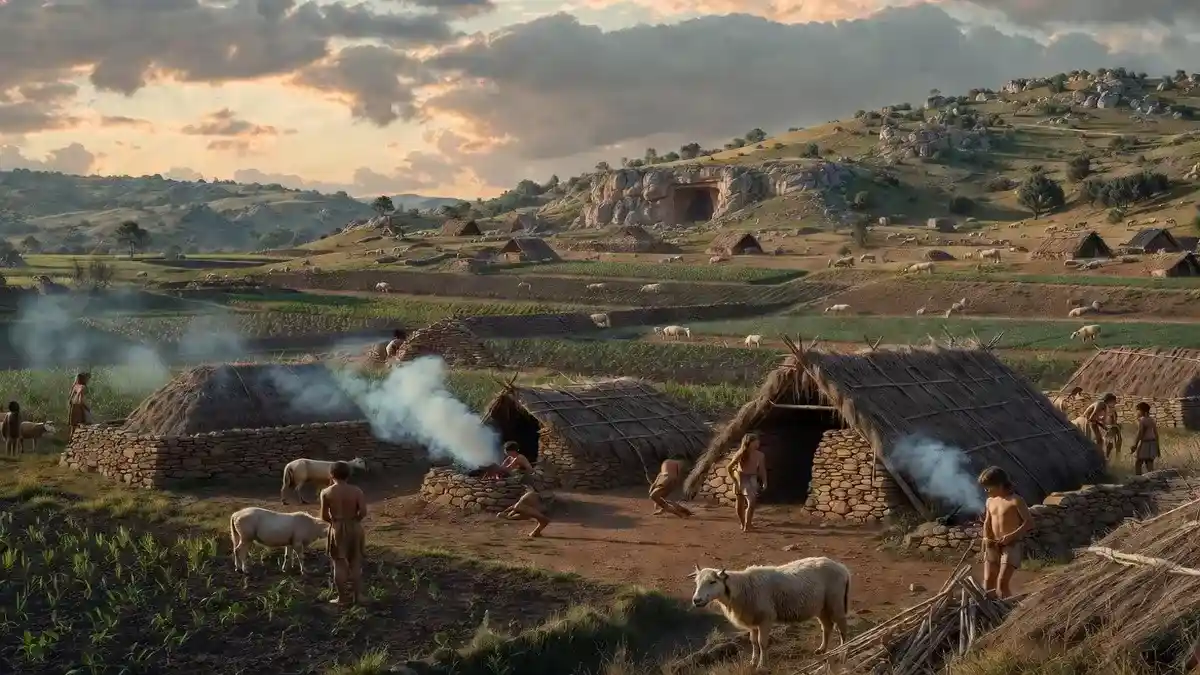
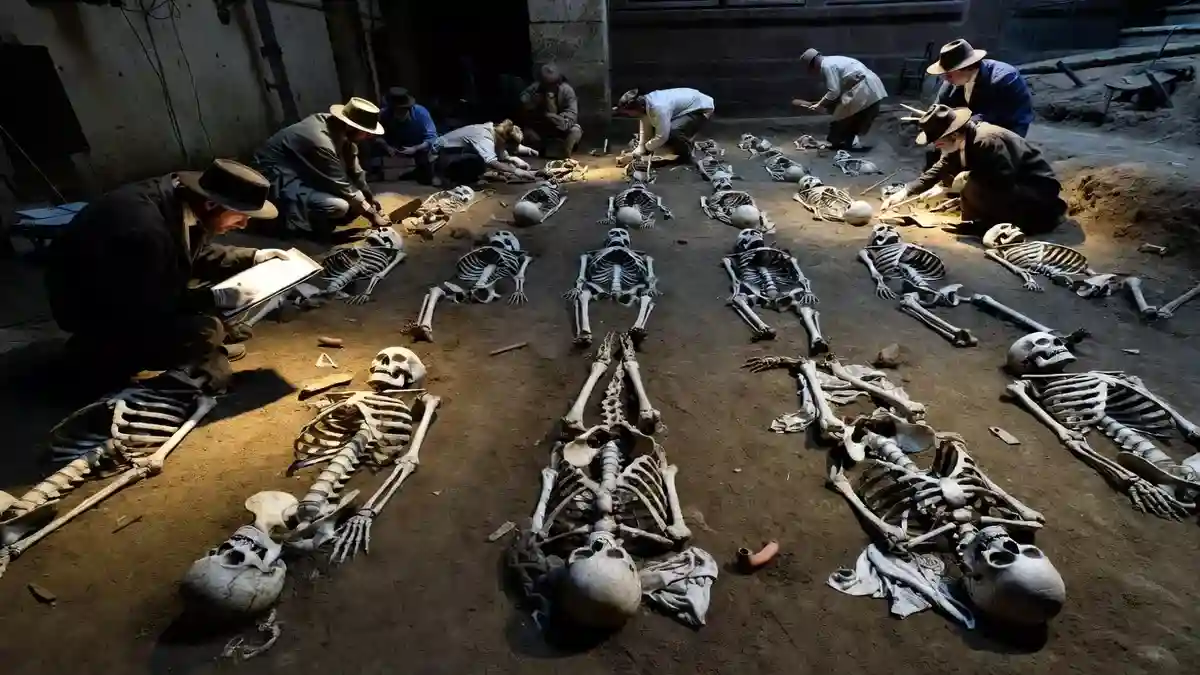
**Copper Age Children in Spain Faced Widespread Respiratory Disease** Nearly 5,000 years ago, children living in southeastern Spain endured high levels of respiratory illnesses that left lasting marks on their developing bones. A new paleopathological study from the massive Copper Age burial site of Camino del Molino reveals just how common these health challenges were … Read more
10,000 Years of Potatoes Shaped Andean Genetics

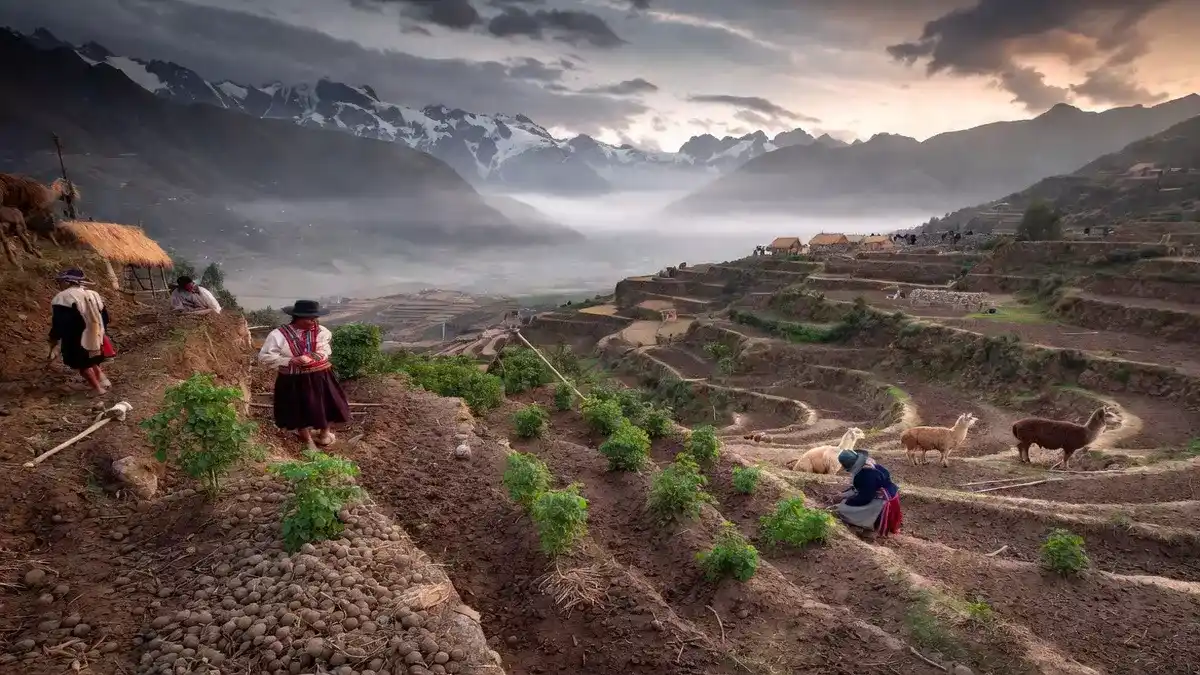
**10,000 Years of Potatoes Shaped Andean Genetics** Indigenous communities in the high Andes of South America have cultivated potatoes for over 10,000 years, and a groundbreaking new genetic study reveals how this staple crop left a lasting mark on human DNA. Researchers found that people from these ancient farming populations carry the highest number of … Read more

Mysterious Headless Skeletons Reveal Neolithic Burial Secrets in Slovakia

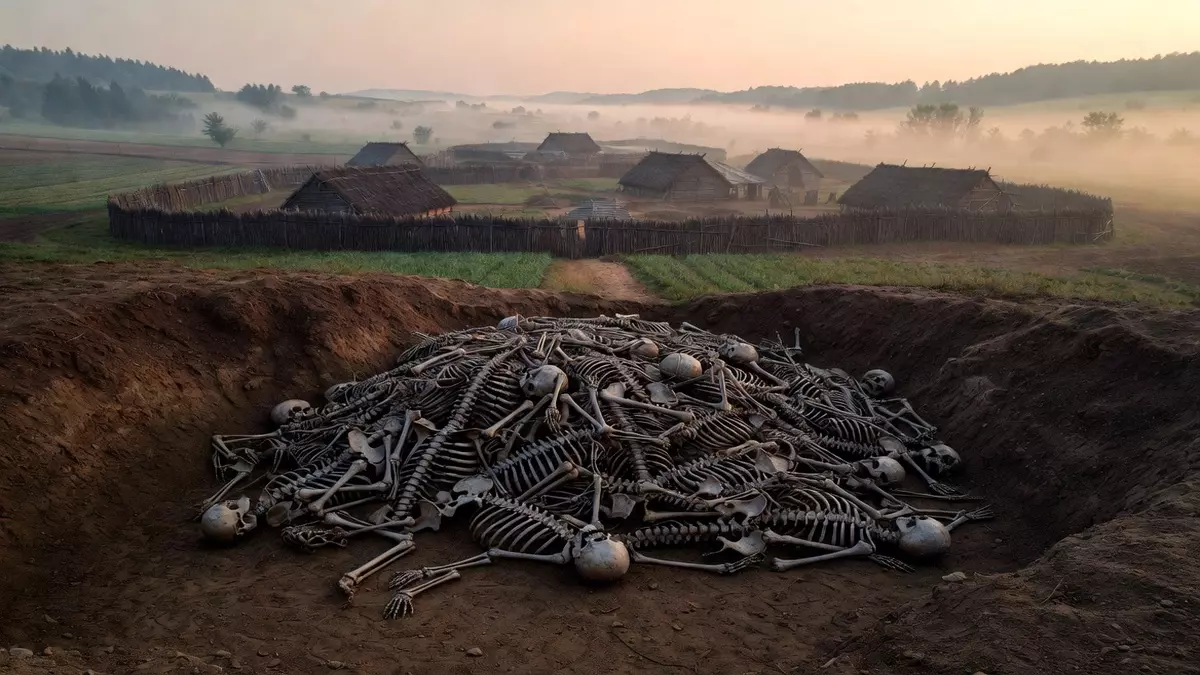
**Mysterious Headless Skeletons Reveal Neolithic Burial Secrets in Slovakia** Archaeologists have made a startling discovery at a 7,000-year-old farming settlement in Slovakia, where dozens of human skeletons were found without their skulls. This find at the Vráble site is reshaping our understanding of how Europe’s earliest farmers honored their dead during the Early Neolithic period. … Read more

Young Workers Hit Hardest in Basel’s Last Plague Outbreak

**Young Workers Hit Hardest in Basel’s Last Plague Outbreak** Archaeologists in Switzerland have uncovered a sobering story of inequality during one of Basel’s final major plague epidemics. By studying 15 carefully excavated graves from a 17th-century hospital cemetery, researchers have revealed that young laborers faced the highest death rates during the outbreak around 1667–1668. The … Read more

Ancient Ship Burial in Norway Rewrites Early Viking Origins

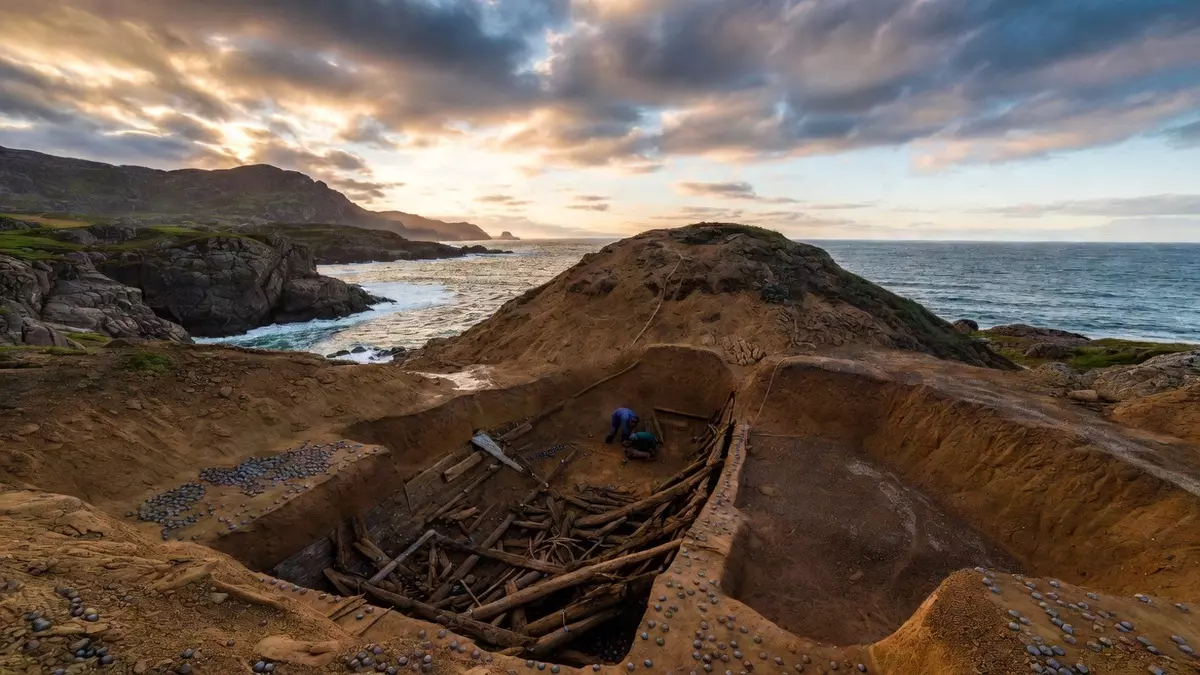
**Ancient Ship Burial in Norway Rewrites Early Viking Origins** Archaeologists in Norway have uncovered one of the earliest known ship burials in Scandinavia, dramatically pushing back the origins of this iconic Viking tradition by nearly a century. The monumental find at Herlaugshaugen on the island of Leka dates to around CE 700, revealing that elaborate … Read more

Ancient Roman Chamber Pots Reveal Parasites in Bulgaria

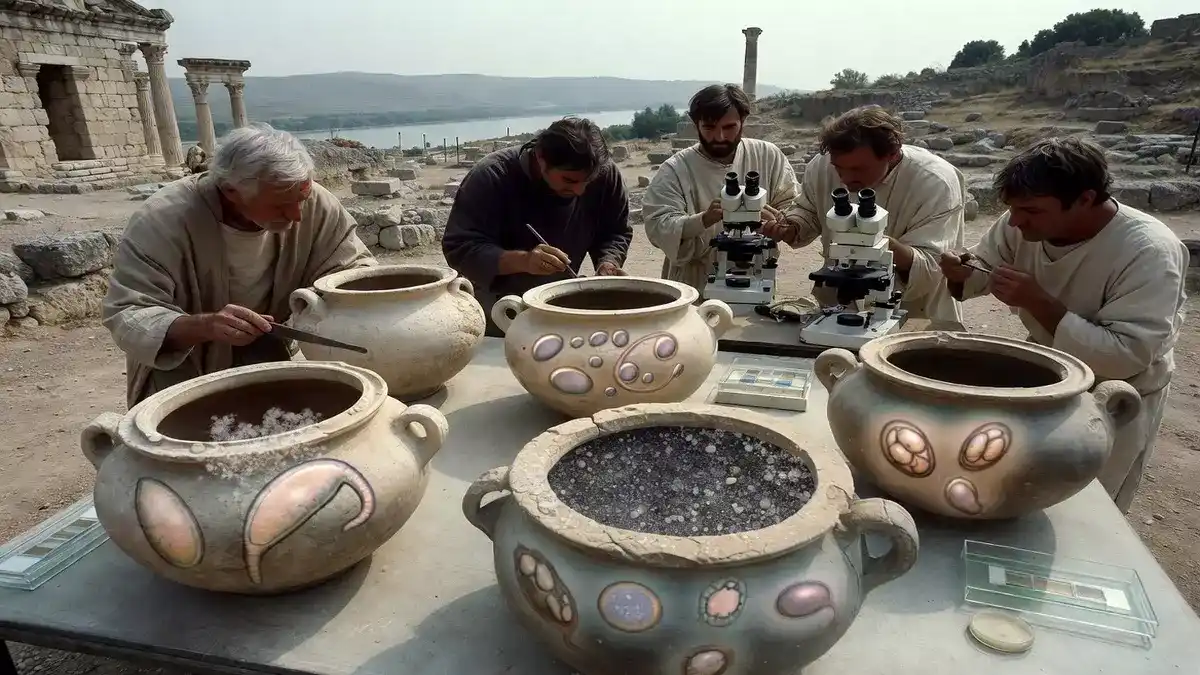
**Ancient Roman Chamber Pots Reveal Parasites in Bulgaria** Archaeologists have uncovered intimate details about daily health and sanitation in the Roman Empire by examining mineral deposits inside 2,000-year-old chamber pots from Bulgaria. The findings from the ancient province of Moesia Inferior provide some of the clearest evidence yet of widespread intestinal parasites among ordinary people … Read more

Roman Cup Found in Spain Links to Hadrian’s Wall

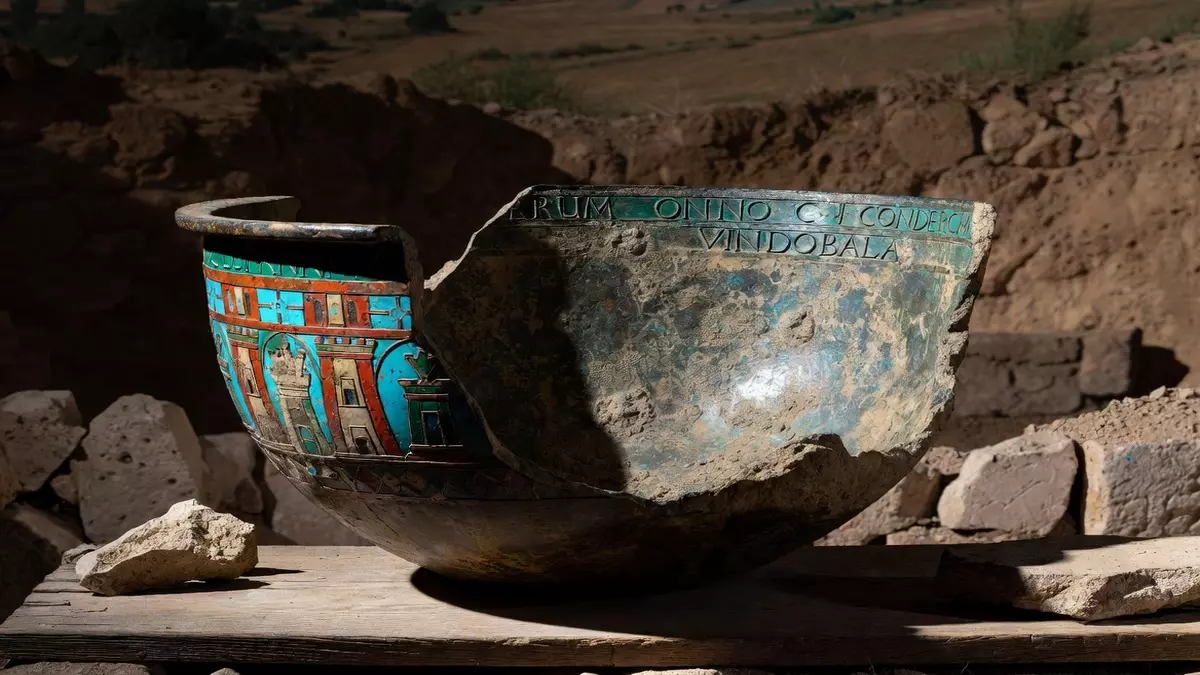
**Roman Cup Found in Spain Links to Hadrian’s Wall** A remarkable bronze cup discovered in central Spain is shedding new light on the personal lives of Roman soldiers and the vast connections that tied the empire together. Known as the Berlanga Cup, this rare artifact bears inscriptions of forts along Hadrian’s Wall in northern Britain … Read more

Justinian Plague Mass Grave Confirmed in Ancient Jordan

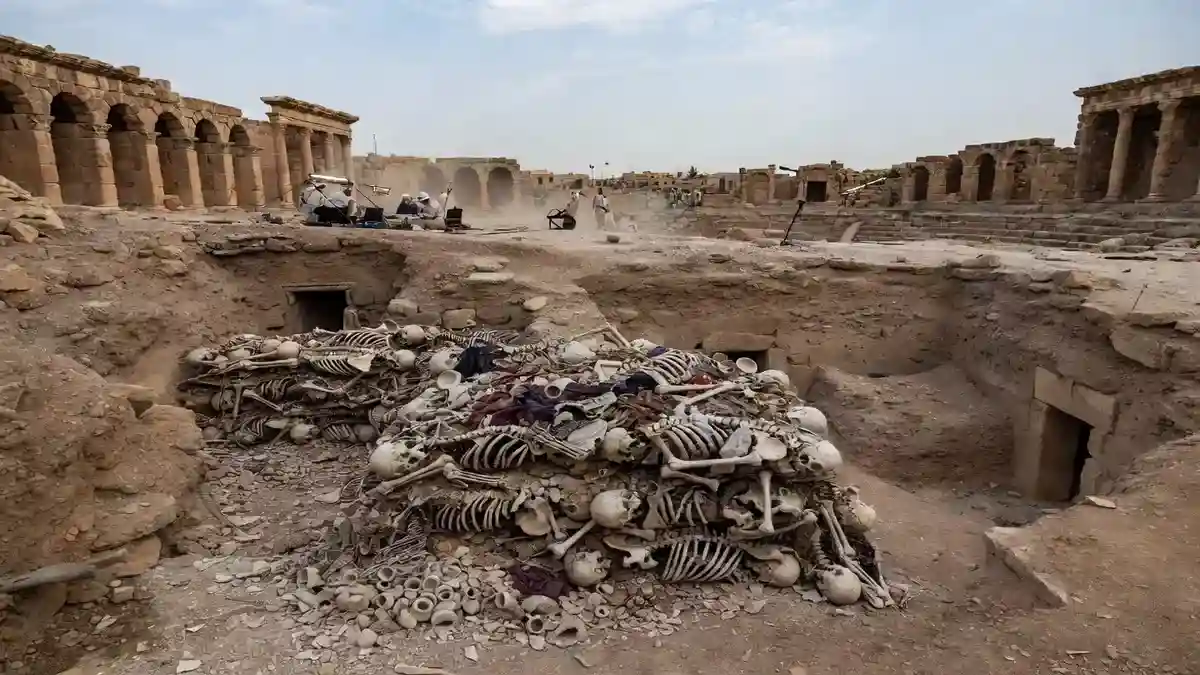
**Justinian Plague Mass Grave Confirmed in Ancient Jordan** Archaeologists have uncovered compelling new evidence of one of history’s deadliest pandemics through a mass grave in the ancient city of Jerash, Jordan. The discovery provides the first biomolecular confirmation of victims of the Plague of Justinian (also known as the First Pandemic) in the Eastern Mediterranean, … Read more

Coral Blocks Revolutionize Dating of Colonial Sites in Pacific

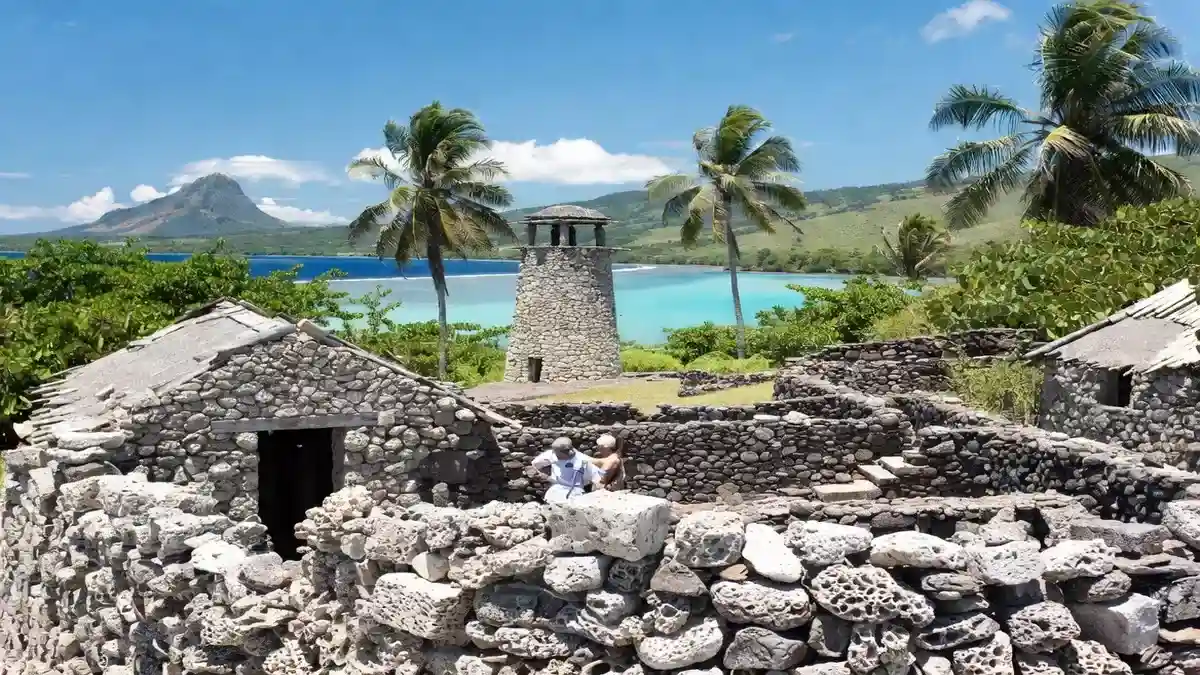
**Coral Blocks Revolutionize Dating of Colonial Sites in Pacific** Archaeologists have developed an innovative new technique using coral building materials to more accurately date colonial-era structures in remote Pacific islands. In French Polynesia’s Mangareva Islands, scientists successfully applied uranium-thorium (U-Th) dating to coral blocks from 19th-century missionary buildings, providing fresh insights into a transformative period … Read more

Croatian Mithras Sanctuary Rewrites Roman Temple Traditions

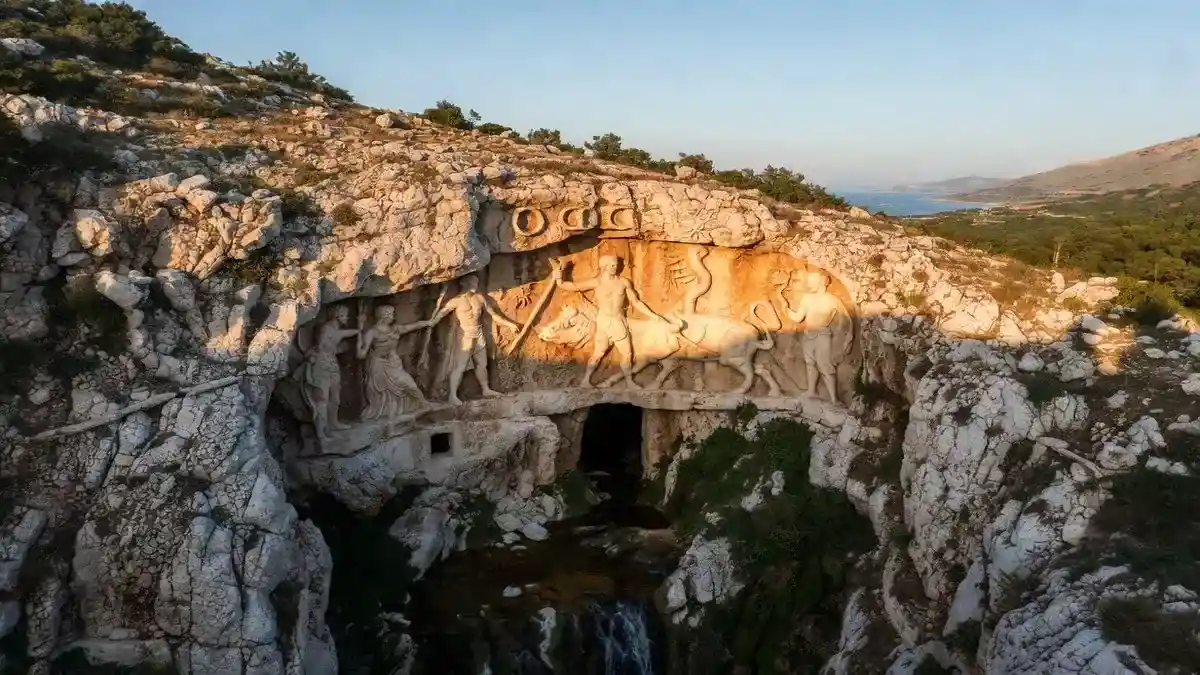
**Croatian Mithras Sanctuary Rewrites Roman Temple Traditions** Archaeologists have uncovered a remarkable open-air Mithras sanctuary in Močići, Croatia, that challenges long-held assumptions about how the mysterious Roman cult practiced its rituals. Instead of the typical enclosed underground temples found across the empire, this site integrates natural landscape features—rock, cave, and spring—into its sacred space, revealing … Read more