
**Rare Wild Boar Burials Discovered in Egyptian Delta**
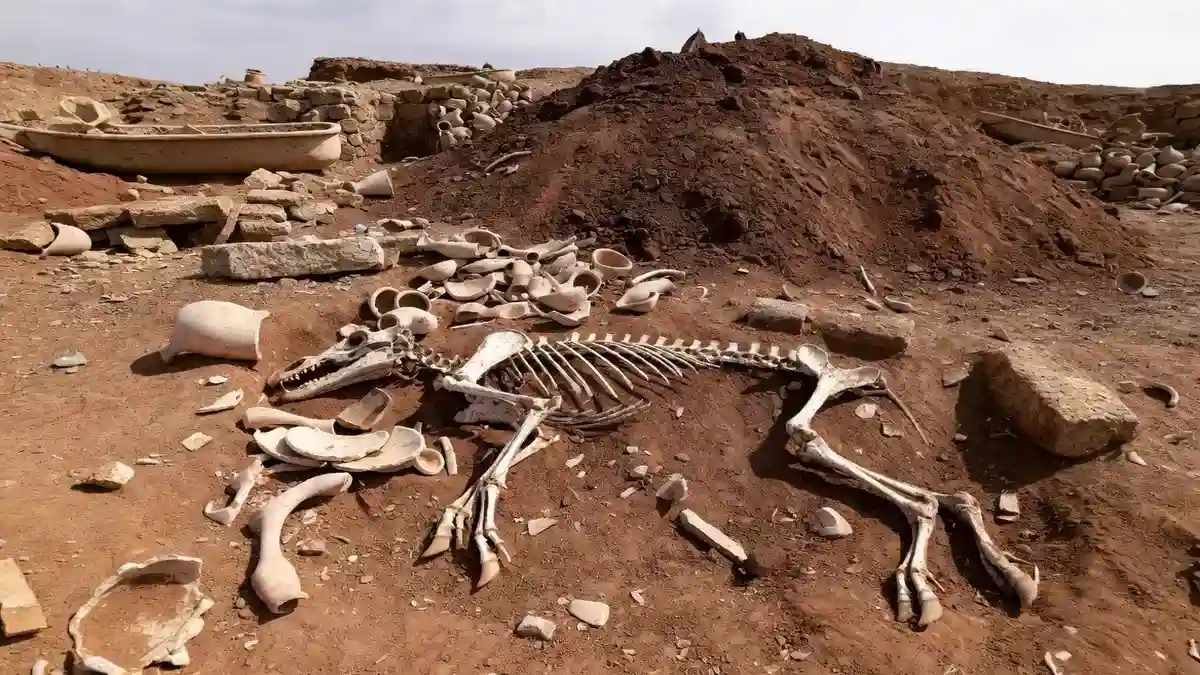
Archaeologists in Egypt have made a fascinating discovery at Tell Kom Aziza that is reshaping our understanding of life and death in the Nile Delta. Excavations have uncovered a diverse Greco-Roman cemetery built atop much older settlement layers, along with the rarest of finds: complete burials of wild boars. These finds illuminate thousands of years of human activity in one of Egypt’s most promising multi-period sites.
Located in Beheira Governorate, north of Cairo, Tell Kom Aziza reveals a rich stratigraphic sequence spanning from the Old Kingdom to the Greco-Roman period. This latest work by an Egyptian mission from the Supreme Council of Antiquities highlights how communities adapted burial practices and daily life across major eras of ancient history.
Rare Wild Boar Burials Discovered in Egyptian Delta
### A Multi-Layered Site in the Nile Delta
Tell Kom Aziza stands out as a prime example of continuous occupation in the fertile yet dynamic Nile Delta environment. The cemetery represents the most recent phase, constructed over earlier habitation layers from the Old Kingdom (c. 2686–2181 BCE), through the New Kingdom, Late Period, and into Ptolemaic and Roman times.
This layered history offers researchers a unique opportunity to trace cultural evolution in one location. The delta’s rich soils supported agriculture and settlement for millennia, but shifting river branches and environmental changes influenced how people lived and buried their dead here.
### Diverse Burial Practices in the Greco-Roman Necropolis
The excavated portion of the necropolis showcases remarkable variety in funerary customs. Graves range from simple pits dug directly into the soil to more elaborate mudbrick-lined chambers. Some individuals rested in decorated plaster coffins, while others were placed in distinctive barrel-shaped pottery coffins typical of the Ptolemaic era.
Analysis of the human remains reveals no single standard rite. Bodies were oriented north-south or east-west, with varying arm positions: hands crossed over the pelvis, placed near the neck, extended along the thighs, or arranged in the classic Osirian pose with arms folded over the chest. Collective burials alongside individual ones further demonstrate multiple traditions coexisting at the site, reflecting the multicultural influences of the Greco-Roman period in Egypt.
This diversity points to a community drawing from pharaonic Egyptian, Greek, and emerging Roman practices, creating hybrid rituals suited to local needs and beliefs.
### The Mysterious Wild Boar Burials
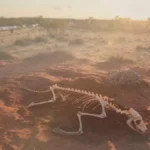
One of the most intriguing discoveries involves complete skeletons of wild boars (Sus scrofa) buried within the archaeological layers. In ancient Egyptian religion, pigs and boars often carried negative connotations, strongly linked to the god Seth, associated with chaos, disorder, and the desert. Seth’s mythological battles with Horus sometimes featured pig imagery, contributing to ritual taboos in certain contexts.
Because of these associations, formal boar burials are exceptionally rare in Egyptian sites. Experts suggest these animals may relate more to economic or domestic activities—perhaps reflecting food practices, hunting, or special phases of settlement—rather than direct funerary symbolism. Further studies will clarify their exact role and timing within the site’s history.
These finds challenge simplistic views of animal symbolism in Egypt and provide valuable data on local fauna and human-animal relationships over time.
### Insights into Everyday Life and Economy
Beyond the graves, the excavation uncovered abundant evidence of daily activities. Artifacts include ceramic and stone vessels, bread-making molds, stone tools, ovens, and storage containers. Large quantities of fish, bird, and mammal bones offer clues about ancient diets and food processing techniques.
Such remains help reconstruct the economic foundations of the community. Residents likely engaged in fishing in nearby waterways, agriculture on the fertile floodplain, and animal husbandry. The presence of ovens and bread molds underscores bread’s central role in the Egyptian diet across periods.
### Historical Significance of Tell Kom Aziza
Previous work at the site, including discoveries of Greco-Roman pottery workshops and Early Dynastic settlements, already established its importance. The current findings reinforce Tell Kom Aziza as a key location for understanding long-term settlement patterns in the western Nile Delta.
During the Greco-Roman era, following Alexander the Great’s conquest in 332 BCE and subsequent Ptolemaic rule, Egypt experienced significant cultural blending. Greek settlers, administrators, and soldiers interacted with native populations, leading to syncretic art, religion, and burial customs visible in the varied graves at the site.
The transition to Roman control after 30 BCE brought further changes, yet many traditional Egyptian practices persisted, as evidenced by the Osirian poses and pottery coffins.
### Why These Discoveries Matter Today
This excavation demonstrates the value of systematic work by the Egyptian Ministry of Tourism and Antiquities and the Supreme Council of Antiquities. Modern archaeological methods allow for detailed documentation of stratigraphy, osteological analysis, and contextual study that earlier explorations might have missed.
The boar burials, in particular, open new avenues for research into taboo animals, dietary habits, and possible exceptions to religious norms in provincial settings. In the Nile Delta, where evidence of daily life is often obscured by modern agriculture and urban growth, such stratified sites are invaluable.
Future seasons plan to refine the cemetery’s chronology, explore relationships between burial types, and better understand the function of the boar interments within the broader settlement narrative.
### Connections to Broader Egyptian Archaeology
Tell Kom Aziza joins other important Delta sites in revealing the region’s often-understudied history. While famous monuments in Upper Egypt draw much attention, the Delta was a dynamic zone of trade, agriculture, and cultural exchange throughout antiquity.
The variety of burial practices mirrors findings at other Greco-Roman cemeteries in Egypt, such as those showing Greek-style elements alongside pharaonic traditions. This cultural fusion helped shape the unique character of Hellenistic and Roman Egypt.
Faunal studies from the site will contribute to larger pictures of environmental history, animal domestication, and human impact on the delta ecosystem over millennia.
**Conclusion**
The discoveries at Tell Kom Aziza offer a compelling window into the layered history of the Nile Delta. From ancient settlements and diverse burial rites to the puzzling wild boar interments, the site enriches our knowledge of how Egyptians and their successors lived, worked, and honored their dead across thousands of years.
As analysis continues, these finds promise to deepen appreciation for the complexity of ancient Egyptian society and its adaptations during times of cultural change. In highlighting both continuity and variation, Tell Kom Aziza reminds us that every archaeological layer holds stories waiting to be told—stories that connect us to humanity’s shared past in this timeless landscape.
### FAQ
**What is Tell Kom Aziza famous for?**
It is known as a multi-period archaeological site in Egypt’s Beheira Governorate, revealing settlement and burial evidence from the Old Kingdom through the Greco-Roman era.
**Why are the wild boar burials significant?**
Boars were rarely buried in ancient Egypt due to their association with the god Seth and concepts of chaos. Their presence suggests unique economic or cultural practices at the site.
**What types of burials were found at the Greco-Roman cemetery?**
Excavators uncovered simple pits, mudbrick-lined graves, decorated plaster coffins, and barrel-shaped pottery coffins, with varied body orientations and positions.
**When was Tell Kom Aziza occupied?**
Evidence shows use from the Old Kingdom (around 2700 BCE) onward, with the cemetery dating primarily to the Greco-Roman period (Ptolemaic and Roman eras).
**What everyday items were discovered?**
Finds include pottery vessels, bread molds, stone tools, ovens, storage jars, and extensive animal, fish, and bird bones that reveal ancient diets and economy.
**Who is conducting the excavations?**
An Egyptian archaeological mission under the Supreme Council of Antiquities, part of the Ministry of Tourism and Antiquities.
**Can visitors access Tell Kom Aziza?**
The site is an active excavation area. Check with Egyptian antiquities authorities or the Ministry for updates on public access and future museum displays of the finds.