
Table of Contents
**1,000-Year-Old Gold Tomb Reveals Panama’s Ancient Elite**
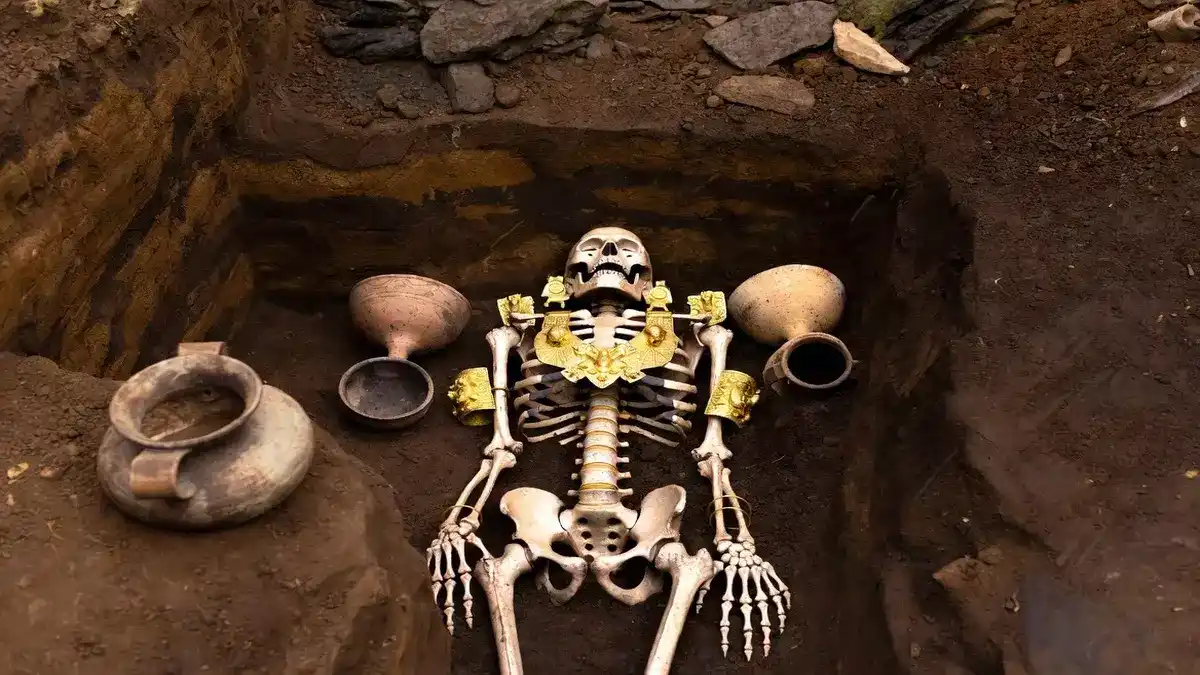
Archaeologists in Panama have uncovered a stunning 1,000-year-old elite tomb packed with intricate gold ornaments and finely crafted ceramics. This extraordinary find at El Caño Archaeological Park shines new light on the sophisticated societies that thrived in Central America long before European contact, offering a rare glimpse into the power, beliefs, and artistry of ancient leaders.
The tomb, dating between 800 and 1000 CE, highlights the wealth and status of high-ranking individuals in the region. Located in Natá, about 124 miles southwest of Panama City, the burial underscores El Caño’s importance as a major ceremonial and mortuary center. With this discovery, researchers are piecing together a richer picture of pre-Hispanic social structures, trade networks, and cultural traditions across the Central American isthmus.
1,000-Year-Old Gold Tomb Reveals Panama’s Ancient Elite
### The Remarkable Discovery at El Caño
El Caño Archaeological Park has been under excavation for nearly two decades, steadily revealing one of Panama’s most significant pre-Columbian sites. The newly found tomb follows a pattern seen in nine previous elite burials, suggesting the location served as a dedicated cemetery for community leaders over roughly 200 years.
At the center of the grave lay the skeletal remains of a high-status individual, carefully positioned and surrounded by precious offerings. The arrangement indicates deliberate planning and respect for the deceased’s rank. Such consistent elite burials point to a stable social hierarchy where power and authority were inherited or maintained across generations, with the same sacred ground used repeatedly for those at the top of society.
 Advanced Geochemical Study Reveals Far-Reaching Bronze Age Metallurgy Networks in Sardinia
This latest tomb adds crucial data to ongoing research, helping archaeologists understand how these communities organized themselves, honored their dead, and expressed identity through material culture.
### Treasures of Gold and Ceramic Artistry
The burial contained an impressive array of gold artifacts, including two bracelets, two earrings, and ornate pectoral plates. These pieces feature detailed imagery of bats and crocodiles—animals deeply embedded in the symbolic world of ancient Panamanian societies. Bats often represented the night, ancestors, or shamanic transformation, while crocodiles symbolized strength, water, and cosmic balance in regional mythologies.
The goldwork demonstrates advanced metallurgical skills. Ancient artisans mastered techniques for shaping, alloying, and decorating these objects, showcasing technical expertise and access to raw materials through established trade routes. Such luxury items were not everyday possessions but reserved for the elite, likely signifying leadership roles that combined political power with spiritual authority.
Accompanying the gold were numerous ceramic vessels adorned with traditional designs characteristic of the period. These containers probably held food, drink, or other offerings intended to sustain the deceased in the afterlife. The quality and quantity of both gold and ceramics reflect the high regard for the buried individual and the resources the community invested in their final resting place.
### Social Hierarchy and Burial Practices in Ancient Panama
In pre-Columbian Panama, status clearly extended beyond death. The placement of gold ornaments directly on or around the body emphasized the deceased’s identity and achievements. Leaders were interred with symbols of their rank, ensuring their influence continued in the spiritual realm. This practice reinforced social order, reminding the living of the enduring power of certain lineages.
The repeated use of the El Caño cemetery over centuries suggests strong cultural continuity. Families or communities returned to bury successive generations of elites in the same location, creating a sacred ancestral landscape. Such traditions helped maintain group identity and political legitimacy in a region where multiple chiefdoms interacted through trade, alliance, and competition.
Unlike some neighboring cultures with monumental architecture, Panamanian societies often expressed complexity through portable wealth like goldwork and elaborate ceramics. The tombs at El Caño provide key evidence of this sophisticated system without relying solely on large stone structures.
### Symbolism of Bats, Crocodiles, and the Natural World
The recurring motifs of bats and crocodiles in the gold pectorals are far from random. In ancient Central American belief systems, these creatures bridged the human and supernatural worlds. Bats, active at night and inhabiting caves, connected to ideas of death, rebirth, and shamanic journeys. Crocodiles, powerful predators of rivers and swamps, embodied fertility, danger, and the watery underworld.
These symbols likely conveyed the deceased’s ability to navigate spiritual realms or their special relationship with nature’s forces. Gold itself held sacred value, often associated with the sun and divine power. Wearing or being buried with such items transformed the elite individual into a figure of lasting reverence.
This artistic language connected communities across the isthmus, showing shared cultural elements despite local variations. The gold artifacts from El Caño fit into broader patterns seen in Costa Rica, Colombia, and other parts of the region, highlighting vibrant exchange networks long before the arrival of Spanish explorers.
### Trade Networks and Metallurgical Mastery
The presence of refined gold objects points to well-developed trade systems spanning the narrow land bridge between North and South America. Artisans likely obtained raw gold through exchange with mining communities or controlled local sources. The technical skill required to produce these delicate earrings, bracelets, and pectorals reflects specialized knowledge passed down through generations.
Metallurgy in the Americas developed independently of Old World traditions, with Central and South American cultures achieving remarkable results using techniques like lost-wax casting. The El Caño finds add to evidence that Panama played an important role in these innovations, with elite demand driving artistic and technological advancement.
Ceramics also reveal connections. Styles and manufacturing techniques link the site to wider regional traditions, suggesting movement of goods, ideas, and possibly people across the isthmus.
### Significance for Understanding Pre-Hispanic Panama
Panama’s Ministry of Culture has emphasized the national and international importance of this discovery. Each new tomb at El Caño contributes vital material evidence to reconstruct social organization, religious beliefs, and economic systems in the centuries before European colonization.
Unlike textual histories available in other parts of the ancient world, pre-Columbian Panama relies heavily on archaeological data. Sites like El Caño are therefore essential for countering narratives that overlooked or diminished indigenous achievements in the Americas. These burials demonstrate complex chiefdoms with clear hierarchies, specialized crafts, and rich symbolic traditions.
The finds also inform contemporary heritage efforts. Protecting and studying such sites strengthens cultural identity in modern Panama while educating global audiences about the depth of indigenous history in Central America.
### Challenges and Future Research at El Caño
Excavating in tropical environments presents difficulties, including heavy rains, dense vegetation, and preservation issues. Yet the careful work at El Caño over nearly 20 years has yielded consistent, high-quality results. Ongoing analysis of the new tomb—including detailed study of the skeletal remains, gold composition, and ceramic residues—will provide even more insights.
Future seasons may uncover additional burials or related settlements, helping map the full extent of the ancient community. Comparative studies with other Panamanian and Central American sites will further clarify regional interactions and chronological developments.
Advances in scientific techniques, such as ancient DNA or isotopic analysis, could reveal information about the buried individual’s diet, health, and origins, adding personal dimensions to the story of this elite leader.
### Broader Context of Pre-Columbian Central America
The period between 800 and 1000 CE saw flourishing societies across the isthmus. Chiefdoms managed agriculture, trade, and ritual life amid diverse environments ranging from rainforests to coastal zones. Goldworking reached high levels of sophistication, with objects serving as both status symbols and sacred items.
El Caño fits into a landscape of interconnected polities where alliances, competition, and shared beliefs created a dynamic cultural sphere. Discoveries here complement findings from sites in Costa Rica’s Diquís Delta and Colombia’s Sinú region, painting a vibrant picture of pre-Hispanic life in the Americas.
### Why This Discovery Captivates Today
In an era when we often look to the future, finds like the El Caño tomb remind us of humanity’s deep roots and enduring creativity. The gold artifacts, crafted with skill and meaning, speak to universal desires for legacy, beauty, and connection to the divine. For Panamanians, these objects strengthen pride in indigenous heritage and contribute to national narratives beyond colonial history.
Tourism and education programs at the park allow visitors to engage directly with this past, fostering appreciation and supporting preservation. Each new revelation encourages further exploration of Panama’s archaeological treasures.
**Conclusion**
The 1,000-year-old elite tomb at El Caño Archaeological Park stands as a powerful testament to the complexity and sophistication of ancient Panamanian societies. Filled with exquisite gold ornaments featuring bats and crocodiles, along with finely made ceramics, the burial reveals how leaders were honored in death and how status, symbolism, and craftsmanship defined their world.
This discovery enriches our understanding of pre-Hispanic Central America, highlighting vibrant trade networks, spiritual beliefs, and social hierarchies that thrived long before written records. As researchers continue their work, El Caño promises more revelations about the remarkable people who shaped the isthmus.
In uncovering these golden treasures, archaeologists are not just digging up the past—they are restoring voices and legacies that deserve to be remembered and celebrated. The elite individual buried with such care over a millennium ago continues to tell a story of power, artistry, and cultural depth that resonates across time.
### FAQ
**How old is the newly discovered tomb at El Caño?**
The tomb dates to between 800 and 1000 CE, making it over 1,000 years old and belonging to the pre-Columbian period in Panama.
**What gold artifacts were found in the tomb?**
The burial included two gold bracelets, two earrings, and pectoral plates decorated with images of bats and crocodiles.
**Why is El Caño Archaeological Park significant?**
It served as a major cemetery for elite members of ancient communities over centuries, providing key evidence of social structure and cultural practices in central Panama.
**What do the animal motifs on the gold symbolize?**
Bats and crocodiles held important spiritual meanings, often linked to shamanism, the natural world, death, rebirth, and cosmic forces in regional belief systems.
**How does this discovery connect to broader Central American history?**
It demonstrates advanced metallurgy, trade networks across the isthmus, and shared artistic traditions that linked societies in Panama, Costa Rica, and Colombia long before European arrival.
**Will the artifacts be displayed to the public?**
Many finds from El Caño are preserved and exhibited at the park and related museums. The Ministry of Culture continues to develop ways to share these treasures responsibly.
**What makes this tomb different from previous ones?**
While similar to nine earlier elite burials, this discovery adds more detailed information about artifact placement, symbolism, and the consistency of high-status practices over generations.