
Table of Contents
**Preeclampsia May Have Doomed Neanderthals, New Study Suggests**
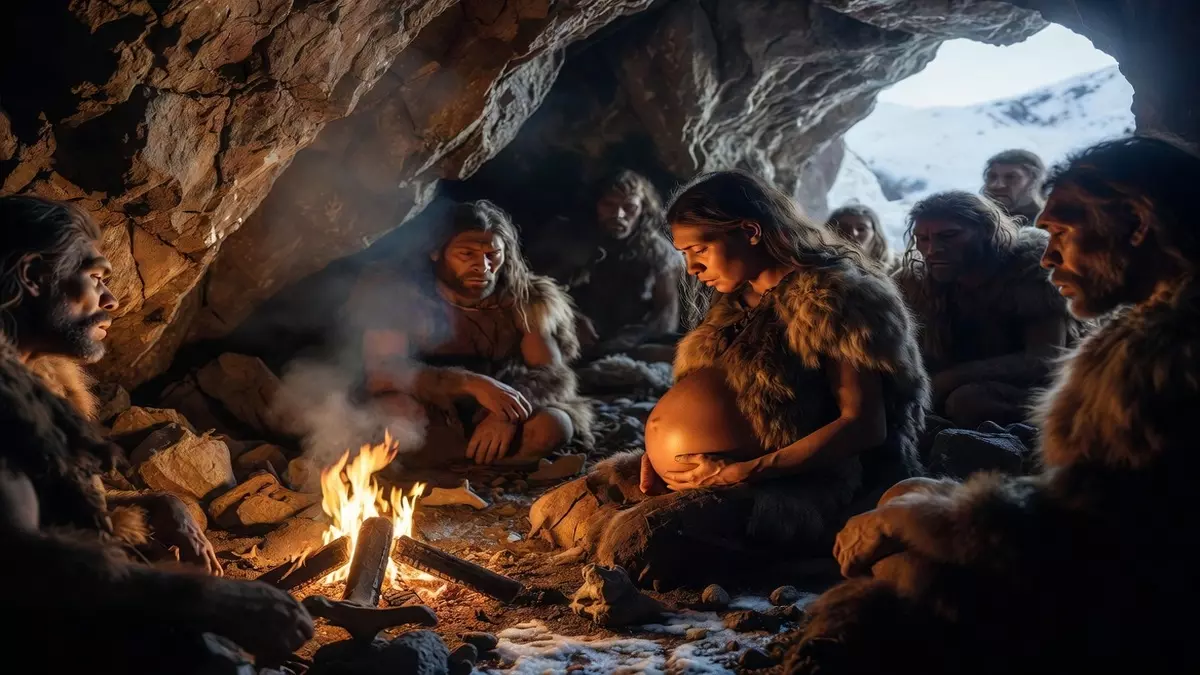
A provocative new medical hypothesis is challenging long-standing theories about why Neanderthals disappeared around 40,000 years ago. Researchers propose that complications unique to human pregnancy—particularly preeclampsia and eclampsia—could have significantly reduced Neanderthal reproductive success, contributing to their gradual extinction. This fresh perspective, published January 30 in the *Journal of Reproductive Immunology*, shifts the focus from climate change, competition with modern humans, or inbreeding to hidden risks in the reproductive process itself.
While paleoanthropologists remain cautious about the idea, the study offers a compelling medical lens on one of prehistory’s greatest mysteries. It highlights how biological vulnerabilities, combined with small population sizes, might have created insurmountable challenges for our closest extinct relatives.
Preeclampsia May Have Doomed Neanderthals, New Study Suggests

### Understanding Preeclampsia and Its Ancient Roots
Preeclampsia is a serious pregnancy disorder characterized by high blood pressure and often damage to organs like the kidneys and liver. It affects 2 to 8 percent of pregnancies worldwide today. When it progresses to eclampsia, it triggers life-threatening seizures, endangering both mother and baby. Without modern medical care, these conditions can be fatal.
The disorder stems from problems with placental development. In humans, specialized cells from the placenta invade the mother’s uterine arteries deeply to ensure adequate blood flow for the growing fetus. This deep invasion supports the high energy demands of our large brains. However, when invasion is shallow or incomplete, the placenta doesn’t function properly, leading to maternal hypertension and restricted fetal growth.
 Radiocarbon dating confirms Teutonic Knights built Feldioara Fortress in 13th-century Transylvania
Early-onset preeclampsia is particularly dangerous and often linked to immune responses where the mother’s body has difficulty tolerating paternal genetic material from the fetus. First pregnancies and those with new partners carry higher risks. Modern medicine has developed protective mechanisms that separate many cases of fetal growth issues from severe maternal disease. Without these safeguards, experts estimate preeclampsia could affect 10 to 20 percent of pregnancies, with eclampsia reaching 4 to 5 percent.
For most of human history—and certainly during the time of Neanderthals—such medical interventions didn’t exist. The authors argue this would have created a devastating reproductive burden.
### Neanderthals and the Placental Challenge
Neanderthals shared many biological traits with early *Homo sapiens*, including deep hemochorial placentation. However, the study suggests they may have lacked key protective adaptations that evolved in modern humans to mitigate severe complications.
If Neanderthal pregnancies faced higher rates of preeclampsia and eclampsia, the consequences would have been severe: increased maternal deaths, stillbirths, and neonatal losses. In small, dispersed populations already under pressure, even modest increases in reproductive failure could accumulate over generations, making recovery difficult.
The authors, neonatologists and obstetricians with deep expertise in these disorders, draw on the “fabulous history” of preeclampsia. Ancient records from India, China, Egypt, Greece, and Rome describe convulsions in pregnant women, often attributed to supernatural causes. The only effective treatment—delivery of the placenta—remains the same today. Neanderthals, without written records or advanced care, would have been especially vulnerable.
### Supporting Evidence and Genetic Clues
While the paper doesn’t analyze specific Neanderthal DNA for placental genes, it builds on known genetic differences at the maternal-fetal interface. Interbreeding between Neanderthals, Denisovans, and modern humans complicates the picture—some protective traits may have been shared. Yet the hypothesis focuses on how even slight disadvantages in pregnancy outcomes could compound in small groups.
Neanderthals thrived for over 300,000 years across Eurasia, demonstrating remarkable adaptability. However, by around 40,000 years ago, they vanished from the fossil record as *Homo sapiens* expanded. Traditional explanations include:
– Climate fluctuations during the last Ice Age
– Competition for resources with incoming modern humans
– Limited genetic diversity due to small populations
– Possible disease transmission
The new study adds a reproductive dimension: higher maternal and infant mortality could have slowly eroded population numbers, especially if Neanderthal groups lived in isolated pockets with fewer opportunities for genetic exchange.
### Why Small Populations Were Especially Vulnerable
Modern data shows preeclampsia’s impact is magnified in vulnerable communities. In ancient Neanderthal groups numbering perhaps in the low thousands at times, losing even a few mothers and babies per generation would create demographic strain. Fewer surviving offspring means slower population recovery and reduced cultural transmission of knowledge and skills.
This reproductive risk hypothesis aligns with evidence of Neanderthal inbreeding and genetic bottlenecks. It also explains why interbreeding with *Homo sapiens* occurred—contact may have introduced genetic diversity that helped some hybrid offspring survive better.
### Counterpoints from Paleoanthropologists
Not all experts are convinced. Direct evidence of preeclampsia in Neanderthal remains is impossible to confirm through fossils alone. No ancient DNA studies have yet targeted the specific immune and placental genes involved. Critics point out that Neanderthals’ long survival demonstrates successful reproduction overall.
Interbreeding success suggests biological compatibility, potentially including shared pregnancy adaptations. Other factors—like advanced tool use, symbolic behavior, and eventual absorption into modern human populations—may better explain their disappearance.
Still, the hypothesis is valuable because it encourages interdisciplinary thinking. Combining obstetrics, genetics, and paleoanthropology opens new avenues for exploring how biology influenced human evolution and extinction events.
### Historical and Modern Context of the Disorder
Preeclampsia has shaped human history in ways we’re only beginning to understand. In pre-modern societies, it contributed to high maternal mortality rates that influenced family structures, inheritance, and community stability. Today, it remains a leading cause of maternal death globally, with over 70,000 women and 500,000 babies lost annually. Disparities in healthcare access mirror ancient vulnerabilities.
The condition’s link to first pregnancies and new partners reflects complex immune balancing acts that protect the fetus while safeguarding the mother. Neanderthals, with potentially different immune genetics, might have faced a more precarious balance.
### Broader Implications for Human Evolution
If preeclampsia played a role in Neanderthal decline, it underscores how reproductive biology can drive evolutionary outcomes. Large-brained offspring require significant maternal investment. Humans evolved sophisticated placental strategies, but these came with trade-offs that may have been costlier for Neanderthals.
This research also raises questions about other extinct hominins. Did Denisovans or earlier species face similar challenges? Future genetic studies could test these ideas by examining genes related to placental invasion and immune tolerance.
For modern humans, understanding these ancient risks highlights the importance of prenatal care and global health equity. It also deepens appreciation for the evolutionary journey that produced our resilient reproductive systems.
### The Ongoing Mystery of Neanderthal Extinction
Neanderthal extinction remains one of anthropology’s most debated topics. No single factor likely explains it entirely. Instead, a combination of environmental pressures, demographic challenges, and biological realities probably converged. The preeclampsia hypothesis adds an intriguing piece to this puzzle without claiming to solve it outright.
As techniques for ancient DNA analysis and paleopathology improve, researchers may find new ways to test reproductive health in extinct species. Skeletal evidence of pregnancy-related stress or population modeling incorporating maternal mortality could provide supporting data.
### Why This Hypothesis Matters Today
Beyond academic interest, the study reminds us of humanity’s shared history with Neanderthals. We carry 1–2 percent Neanderthal DNA in many populations, influencing everything from immune response to skin traits. Exploring their vulnerabilities fosters empathy and curiosity about our common origins.
It also illustrates how medical perspectives can enrich paleoanthropology. Collaboration between obstetricians and fossil experts exemplifies the power of interdisciplinary science in uncovering hidden chapters of the human story.
**Conclusion**
The idea that preeclampsia and related pregnancy complications may have contributed to Neanderthal extinction offers a fascinating new angle on a longstanding mystery. By highlighting differences in reproductive biology and the vulnerabilities of small populations, the study enriches debates about why our closest relatives vanished while *Homo sapiens* thrived.
Whether or not future evidence supports this hypothesis, it underscores the critical role of maternal and fetal health in human survival. From ancient Ice Age landscapes to modern hospitals, successful reproduction has always been central to our story. As researchers continue exploring the biological and cultural factors behind Neanderthal disappearance, we gain deeper insight into the resilience, risks, and remarkable adaptations that define the human journey.
This research opens exciting possibilities for understanding not just extinction, but the evolutionary pressures that shaped us. Neanderthals may be gone, but their legacy—and the questions surrounding their fate—continue to illuminate who we are today.
### FAQ
**What is preeclampsia and how does it relate to Neanderthals?**
Preeclampsia is a dangerous pregnancy disorder involving high blood pressure and organ stress. The new study suggests Neanderthals may have faced higher rates due to differences in placental and immune adaptations, potentially reducing reproductive success.
**When was the study published?**
January 30, 2026, in the *Journal of Reproductive Immunology*.
**Did Neanderthals really go extinct because of pregnancy complications?**
It’s a hypothesis, not proven fact. Other factors like climate, competition, and small population size likely played larger roles, but reproductive challenges may have compounded these pressures.
**What evidence supports the idea?**
The authors draw on modern medical knowledge of placental biology, historical records of eclampsia, and known genetic differences between Neanderthals and modern humans. Direct fossil evidence is lacking.
**How long did Neanderthals exist?**
They lived for over 300,000 years across Eurasia before disappearing around 40,000 years ago.
**Could modern humans have helped Neanderthals through interbreeding?**
Yes—genetic evidence shows interbreeding occurred. Some protective traits may have been shared, potentially aiding hybrid offspring.
**What other theories explain Neanderthal extinction?**
Leading ideas include climate change during the Ice Age, resource competition with *Homo sapiens*, disease, inbreeding depression, and demographic factors.