
Table of Contents
**5,300-Year-Old Yeast From Ötzi Makes Fresh Sourdough**
A team of scientists has achieved something extraordinary with one of archaeology’s most famous mummies: they revived ancient yeasts from Ötzi the Iceman’s 5,300-year-old body and turned them into delicious sourdough bread. This breakthrough not only reveals new details about the Copper Age microbiome but also raises intriguing possibilities for using millennia-old microbes in modern food production.
Ötzi, the naturally mummified man discovered frozen in the Italian Alps in 1991, continues to surprise researchers nearly 35 years later. His well-preserved remains have offered unparalleled insights into prehistoric life, from his last meal of ibex, red deer, and wheat to the circumstances of his violent death. Now, a new study shows that cold-loving yeasts colonized his body shortly after he died—and some are still active enough to bake with.
Published June 3 in the journal *Microbiome*, the research highlights how these ancient fungi survived in glacial conditions and adapted to the Iceman’s refrigerated storage. The results open exciting doors for both science and culinary innovation.

5,300-Year-Old Yeast From Ötzi Makes Fresh Sourdough
### The Remarkable Journey of Ötzi the Iceman
Ötzi lived around 3300 BCE during the Copper Age, standing about 5 feet 3 inches tall and dying in his mid-40s. Found by German hikers in the Ötztal Alps on the border between Italy and Austria, his body was preserved by ice and snow, creating one of the most intact prehistoric human remains ever recovered.
Since his discovery, Ötzi has been the subject of extensive scientific investigation. Researchers have analyzed his clothing, tools, tattoos, genome, and even stomach contents. These studies paint a vivid picture of a man who traveled through rugged mountain terrain, possibly involved in conflict, and maintained a diet typical of his era.
The latest focus on his microbiome adds another layer to this story. Microbes—tiny bacteria, yeasts, and other organisms—play crucial roles in human health, digestion, and even food preservation. Examining Ötzi’s microbial communities provides a rare window into ancient human biology and environmental interactions.
### Ancient Yeasts Thriving on the Iceman
Scientists from the Eurac Research Institute for Mummy Studies in Italy collected swab samples from Ötzi’s skin and water used to thaw parts of his remains. From these, they successfully cultivated four strains of cold-adapted yeasts. These fungi originated from the Alpine environment where Ötzi perished and had colonized his body soon after death.
What makes this discovery particularly striking is that the yeasts remain viable despite decades of cold storage at around 21 degrees Fahrenheit (minus 6 degrees Celsius). One strain, the glacier-loving *Glaciozyma*, has even become more dominant over time, suggesting it continues to proliferate slowly in the controlled museum environment.
Evidence of ancient DNA damage in the yeasts confirms their prehistoric origins. They likely lay dormant for thousands of years or are direct descendants of the original colonizers that accompanied Ötzi through the ages. As study co-author Frank Maixner noted, the Iceman is “not a static relic, but a dynamic biological system.”
This finding contrasts with modern microbes introduced during conservation efforts, such as regular water spraying to prevent drying. While the ancient yeasts dominate certain samples, the mix of old and new raises questions about long-term preservation impacts—questions researchers are now actively investigating.
### Turning Mummy Microbes Into Sourdough
Perhaps the most surprising outcome came in the kitchen. Microbiologist Mohamed Sarhan and his colleagues tested the yeasts’ potential for baking. The results exceeded expectations.
“It worked,” Sarhan told reporters. “As a dough, it was very very good.”
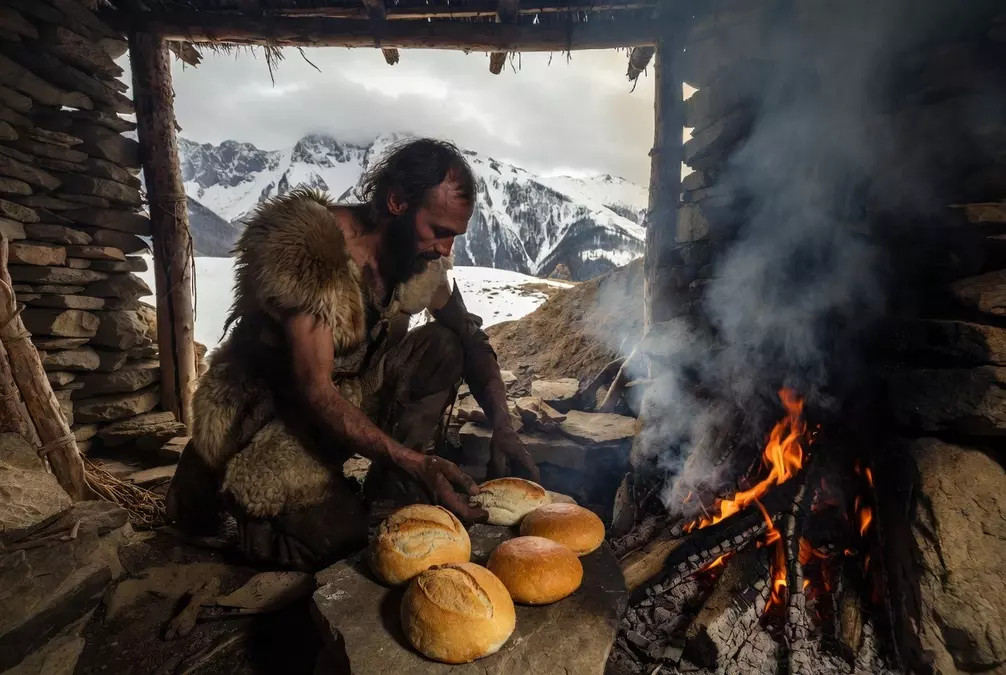
The team produced sourdough bread using the revived ancient yeasts. Sourdough relies on natural fermentation by wild yeasts and bacteria, creating the characteristic tangy flavor and chewy texture. These cold-adapted strains from the Alps proved well-suited to the process, demonstrating strong fermentation capabilities even after millennia.
The success suggests these yeasts could have future applications in the food industry. Fermentation experts see potential for crafting unique breads, beers, or other fermented products with distinctive regional or historical profiles. Reviving ancient microbes offers a novel way to explore lost flavors and biodiversity in our food systems.
### Insights Into Ötzi’s Gut Microbiome
Beyond the skin, the study examined Ötzi’s internal microbiome. His gut community differs markedly from his skin, which has been heavily influenced by modern preservation techniques. Previous research identified gut microbes similar to those in contemporary non-industrialized societies, such as Tanzania’s Hadza hunter-gatherers or communities in northeastern Madagascar.
This pattern reflects a pre-agricultural, diverse microbial ecosystem before widespread antibiotic use and processed diets altered human microbiomes globally. Ötzi’s last meal—rich in game meat and grains—likely supported these microbes, providing a snapshot of Copper Age digestion and nutrition.
While not representative of every individual from his time, Ötzi offers valuable data points for understanding how ancient people interacted with their environments through diet and lifestyle. Such research helps contextualize modern health issues linked to microbiome changes.
### The Science Behind Cultivating Ancient Yeasts
The team’s methodical approach combined genetic sequencing, culturing techniques, and careful comparison of samples taken years apart (2010 versus 2019). By piecing together genetic material from swabs, thaw water, and site soil, they distinguished ancient from modern contaminants.
Cold adaptation proved key. Alpine yeasts evolved to thrive in harsh, low-temperature conditions, making them resilient in both glacial ice and laboratory refrigeration. This trait allowed them to persist on Ötzi’s mummified tissues for over five millennia.
The study also underscores the importance of controlled storage environments for mummies. While refrigeration has preserved Ötzi remarkably well, ongoing microbial activity highlights the need for continued monitoring to balance preservation with scientific access.
### Broader Implications for Archaeology and Food Science
This research bridges archaeology, microbiology, and gastronomy in innovative ways. It demonstrates how advanced techniques can extract living biological information from ancient remains, expanding the types of data available from iconic finds like Ötzi.
For food enthusiasts and historians, it revives questions about prehistoric baking. Evidence suggests early bread-making dates back at least 14,000 years in some regions, but Ötzi’s yeasts provide a tangible link to European Copper Age fermentation practices. His stomach contents included wheat, hinting that bread or porridge may have been part of his diet.
On a practical level, ancient microbes could enhance biodiversity in commercial fermentation. As interest grows in heritage foods, sourdough starters with historical roots appeal to consumers seeking authentic or unique products. Breweries and bakeries might one day offer “Iceman Ale” or “Alpine Ancient Sourdough.”
### Challenges and Ethical Considerations
Working with human remains always involves ethical responsibilities. Researchers emphasize respectful handling and focus on non-destructive or minimally invasive methods where possible. The study also raises awareness about potential risks from both ancient and introduced microbes, prompting further investigation into conservation strategies.
Public fascination with Ötzi remains high, fueled by museum exhibits at the South Tyrol Museum of Archaeology. This latest discovery adds an accessible, even appetizing angle to his story—making prehistoric science relatable through something as everyday as bread.
### Looking Ahead: Future Research on Ötzi
Scientists plan to delve deeper into the interactions between ancient yeasts and modern contaminants. Long-term studies could reveal how these microbes affect the mummy’s stability over time. Additional culturing and genomic work may uncover more species and their functional roles.
Comparative research with other mummies or preserved remains could show whether similar yeast colonization occurred elsewhere. This would broaden our understanding of postmortem microbial ecology in different environments.
As techniques improve, Ötzi continues to yield new secrets. From genome sequencing to dietary reconstruction and now living microbes, he serves as a bridge across time, connecting us to our ancient ancestors in unexpected ways.
**Conclusion**
The revival of 5,300-year-old yeasts from Ötzi the Iceman represents a remarkable fusion of ancient history and modern science. Not only does it deepen our knowledge of Copper Age biology and Alpine ecosystems, but it also delivers a practical surprise: tasty sourdough born from one of humanity’s oldest preserved bodies.
This discovery reminds us that mummies like Ötzi are more than static artifacts—they are dynamic sources of ongoing revelation. As researchers continue exploring his microbiome, we gain fresh appreciation for the microscopic world that has always shaped human lives. Who knows what other “living” legacies from the past await rediscovery in laboratories and kitchens around the world?
In the meantime, the success of this ancient sourdough experiment invites us all to ponder the flavors of history—and perhaps imagine what a bite of prehistoric bread might taste like.
### FAQ
**What is special about the yeasts found on Ötzi?**
These are cold-adapted strains that colonized his body after death over 5,300 years ago. They remain viable and were successfully used to bake sourdough.
**How did scientists make bread from mummy yeast?**
Researchers cultivated four strains from skin swabs and thaw water, then tested them in dough. The resulting sourdough fermented well and tasted excellent.
**Could these ancient yeasts be used commercially?**
Yes, they show promise for bread, beer, and other fermented foods, potentially offering unique flavors rooted in prehistoric microbiology.
**Does Ötzi’s microbiome reflect all Copper Age people?**
No, it represents one individual’s snapshot. However, it provides valuable insights into ancient gut health and environmental adaptations.
**Are the yeasts harming Ötzi’s preservation?**
It’s unclear. While some continue to grow slowly, ongoing research is examining impacts from both ancient and modern microbes introduced during conservation.
**When and where was Ötzi discovered?**
In September 1991 by hikers in the Ötztal Alps on the Italy-Austria border. He is now housed at the South Tyrol Museum of Archaeology.
**What was Ötzi’s last meal?**
Analysis of his stomach contents showed ibex, red deer, and wheat, consumed shortly before his death around age 45.