
Table of Contents
**11,000-Year-Old Girl Burial Found in Northern Britain**
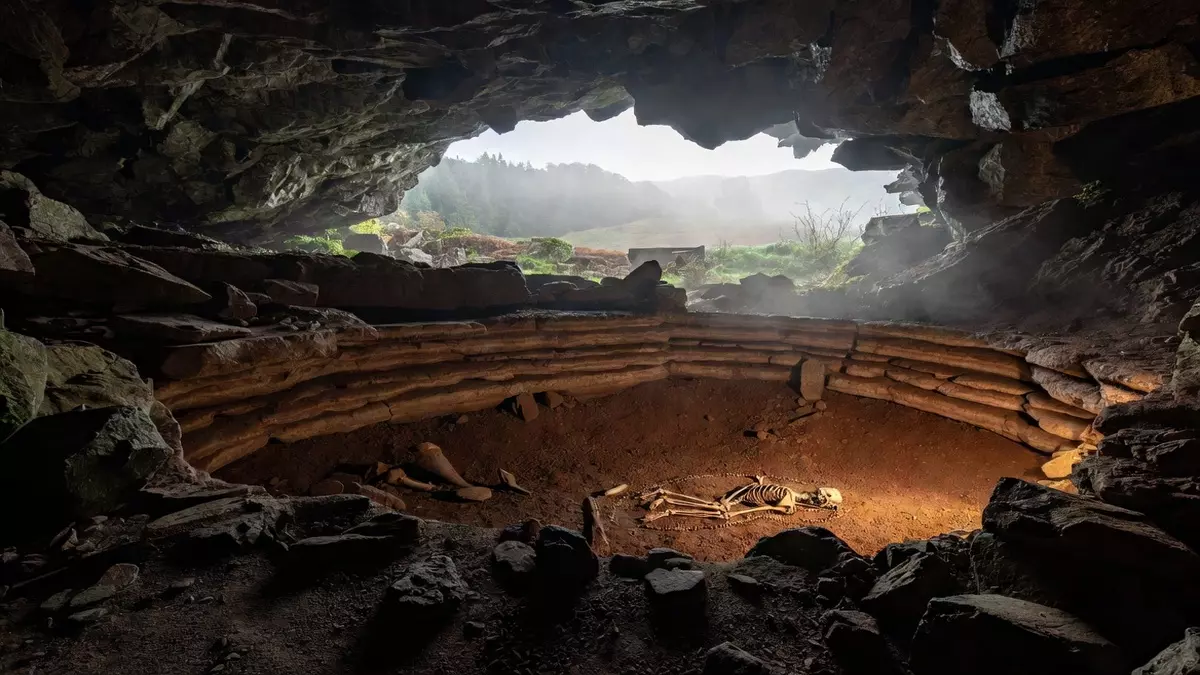
Archaeologists have uncovered groundbreaking evidence of one of the earliest human burials in northern Britain, identifying the remains of a young girl who lived more than 11,000 years ago. This remarkable discovery at Heaning Wood Bone Cave in Cumbria pushes back the timeline of confirmed burial practices in the region and offers an intimate look at Mesolithic life shortly after the last Ice Age.
Through advanced ancient DNA analysis, researchers confirmed the child was female and between 2.5 and 3.5 years old. Locally known as the “Ossick Lass,” her story is shedding new light on how early communities in northern England honored their dead during a time of dramatic environmental change.
11,000-Year-Old Girl Burial Found in Northern Britain
### The Discovery at Heaning Wood Bone Cave
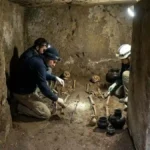
Local archaeologist Martin Stables initiated excavations at Heaning Wood Bone Cave near Great Urswick in 2016. Over several years of meticulous fieldwork, his team uncovered human bones spanning thousands of years. An international research collaboration led by the University of Central Lancashire later conducted detailed scientific analysis on these remains.
Radiocarbon dating placed the earliest burial between 9290 and 8925 BCE, making it the oldest known human interment in northern Britain. This period marks the early Mesolithic, when hunter-gatherer groups were reoccupying lands freed by retreating glaciers at the end of the Pleistocene epoch.

The cave’s location in Cumbria provided a natural shelter and ritual space for successive generations. Its use as a burial site across multiple eras highlights the enduring significance of this landscape to prehistoric peoples.
### DNA Reveals the Identity of the Ossick Lass
One of the most exciting aspects of the project was the successful extraction of ancient DNA from the earliest remains. Genetic testing confirmed the individual was a young girl, offering rare direct evidence of childhood in the distant past. Researchers and local residents chose the name “Ossick Lass,” drawing on traditional Cumbrian dialect for a girl from the Urswick area, connecting modern communities with their ancient heritage.
This DNA breakthrough not only determined her sex and approximate age but also contributes to broader studies of early population movements in Britain. The child lived during the first major reoccupation of northern territories after the Ice Age, when rising temperatures and changing ecosystems allowed humans to expand northward.
**View of the main chamber** at Heaning Wood Bone Cave during excavation, revealing layered deposits rich in prehistoric evidence.
### Multiple Burials Across Millennia
Heaning Wood Bone Cave was not used for a single burial but served as a repeated resting place over thousands of years. Analysis indicates at least eight individuals were interred there in three distinct phases:
– **Early Mesolithic** (around 11,000 years ago): Including the Ossick Lass.
– **Early Neolithic** (about 5,500 years ago): Four individuals.
– **Early Bronze Age** (around 4,000 years ago): Two individuals.
Remarkably, genetic results show that nearly all sampled individuals were biologically female, suggesting possible cultural preferences or patterns in who was buried at this particular site.
The positioning of the remains points to careful, successive inhumations. Rather than disturbing older bones, people appear to have placed new burials into the vertical entrance, respecting previous interments. This continuity in practice across vastly different cultural periods is unusual and significant.
### Artifacts That Tell a Deeper Story
Accompanying finds enhance our understanding of the rituals performed at the cave. From the Mesolithic layer, archaeologists recovered perforated periwinkle shell beads and a pierced deer tooth, both radiocarbon-dated to approximately 11,000 years ago. These items likely served as personal adornments or symbolic grave goods, reflecting early artistic expression and connections to the natural world.
Later layers yielded worked stone tools associated with the Early Neolithic and fragments of distinctive Collared Urn pottery from the Early Bronze Age. Together, these artifacts illustrate how the cave bridged different technological and cultural traditions while maintaining its role as a sacred burial location.
### Context in Northern Britain’s Prehistoric Record
Northern Britain has fewer surviving early human remains compared to southern England and Wales, largely due to extensive glacial activity that scoured the landscape during the Ice Age. Before this discovery, the oldest known burial in the region came from Kent’s Bank Cavern, dated to around 10,000 years ago. The Heaning Wood find extends confirmed human burial practices further back, providing crucial evidence of post-glacial settlement.
The Mesolithic period was a time of adaptation. As ice sheets melted, sea levels rose, and new forests and wildlife emerged. Hunter-gatherer groups followed migrating animals and exploited diverse coastal and inland resources. Burying a child in a cave during this pioneering phase suggests deep emotional and cultural investment in mortuary practices even amid challenging environmental conditions.
### Population Changes and Continuity in Burial Traditions
Ancient DNA studies across Britain reveal major demographic shifts. New groups arrived at the beginning of the Neolithic period, introducing farming, and again before the Early Bronze Age, bringing new technologies and genetic lineages. Despite these population turnovers, the repeated use of Heaning Wood Bone Cave for burial indicates strong cultural continuity in how communities related to their ancestors and the land.
This pattern—different peoples returning to the same place across millennia—speaks to the power of landscape memory in prehistoric societies. Caves and rock shelters often held special spiritual importance, serving as portals between the living and the dead.
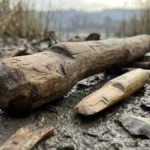
**Perforated shell beads** recovered from the cave, providing tangible links to Mesolithic personal adornment and ritual.
### Scientific Methods Driving the Research
The success of this project stems from a highly collaborative, multidisciplinary approach. Radiocarbon dating provided chronological anchors, while ancient DNA analysis delivered biological details unavailable through skeletal examination alone. Careful stratigraphic recording during excavation ensured context was preserved for every find.
Such integrated methods are transforming Mesolithic archaeology. They allow researchers to move beyond broad cultural labels to understand individual lives, family relationships, and community practices with greater precision. The University of Central Lancashire’s leadership in this effort highlights the growing expertise in British bioarchaeology.
### Why This Discovery Matters for Prehistoric Studies
The Ossick Lass represents one of the farthest north early Mesolithic burials in Britain, expanding our knowledge of human resilience and mobility after the Ice Age. Her young age adds emotional depth, reminding us that prehistoric communities included vulnerable children who were cared for and mourned with intention.
This find also contributes to European-wide discussions about post-glacial recolonization. Comparing Heaning Wood with sites across the continent helps trace migration routes, adaptation strategies, and shared cultural traits among early Holocene populations.
For Cumbria and northern England, the discovery strengthens local heritage narratives. It connects contemporary residents with deep ancestral roots, fostering pride and encouraging further archaeological stewardship in the region.
### Challenges and Future Research Opportunities
Working in cave environments presents unique difficulties, from unstable deposits to the need for precise excavation techniques. The team’s careful approach has preserved invaluable data for future study. Ongoing analyses may include more detailed isotopic work on diet, mobility, and environmental conditions.
Additional DNA sequencing could reveal kinship ties among the buried individuals or genetic affinities with other European groups. As techniques improve, even more information may emerge from these ancient bones.
The project also underscores the importance of community involvement. Local archaeologists and residents played key roles, ensuring the research resonates beyond academic circles.
### Broader Implications for Understanding Early Britain
Discoveries like the Ossick Lass illustrate how Britain’s human story began long before monumental structures or agricultural societies. They reveal small-scale, mobile groups with rich spiritual lives who navigated a changing world with ingenuity and care.
In an era of rapid climate change today, lessons from these early adaptations—resilience, respect for the dead, and connection to place—feel especially relevant. The cave itself stands as a testament to the enduring human need to create meaning and memory in the landscape.
**Conclusion**
The identification of the earliest known burial in northern Britain as that of a young girl through DNA analysis marks a major milestone in UK archaeology. The Ossick Lass, laid to rest over 11,000 years ago at Heaning Wood Bone Cave, provides a poignant window into Mesolithic childhood, ritual, and the pioneering communities who reclaimed the north after the Ice Age.
This multidisciplinary study not only refines our timeline of human presence but also celebrates the continuity of burial traditions across dramatic cultural shifts. As research continues, the Ossick Lass and her cave companions will keep revealing secrets about Britain’s deep past, enriching our shared understanding of humanity’s ancient journey.
**FAQ**
**Q: How old is the earliest burial at Heaning Wood Bone Cave?**
A: Radiocarbon dating places the young girl’s burial between 9290 and 8925 BCE, making it over 11,000 years old and the earliest confirmed in northern Britain.
**Q: Who is the “Ossick Lass”?**
A: She is the young female child (aged 2.5–3.5 years) identified through ancient DNA whose remains represent the oldest burial found at the site.
**Q: How many people were buried in the cave?**
A: At least eight individuals across three main periods: Early Mesolithic, Early Neolithic, and Early Bronze Age, with most being biologically female.
**Q: What artifacts were found with the Mesolithic remains?**
A: Perforated periwinkle shell beads and a pierced deer tooth, dated to the same period as the young girl’s burial.
**Q: Why are there fewer early burials in northern Britain?**
A: Glacial activity during the Ice Age destroyed or obscured many older sites, making discoveries like Heaning Wood especially valuable.
**Q: What does this discovery tell us about Mesolithic people?**
A: It shows they practiced deliberate, repeated burial rituals, cared for children, created personal ornaments, and maintained important sites across generations.
**Q: Where can people learn more about the Ossick Lass?**
A: Details are published in the Proceedings of the Prehistoric Society, with additional information available through the University of Central Lancashire and local heritage initiatives in Cumbria.
This extraordinary find continues to captivate researchers and the public, deepening our connection to the resilient people who first repopulated northern Britain after the Ice Age.