
Table of Contents
**2 Equids Reveal Pompeii’s Final Moments Before Vesuvius Eruption**
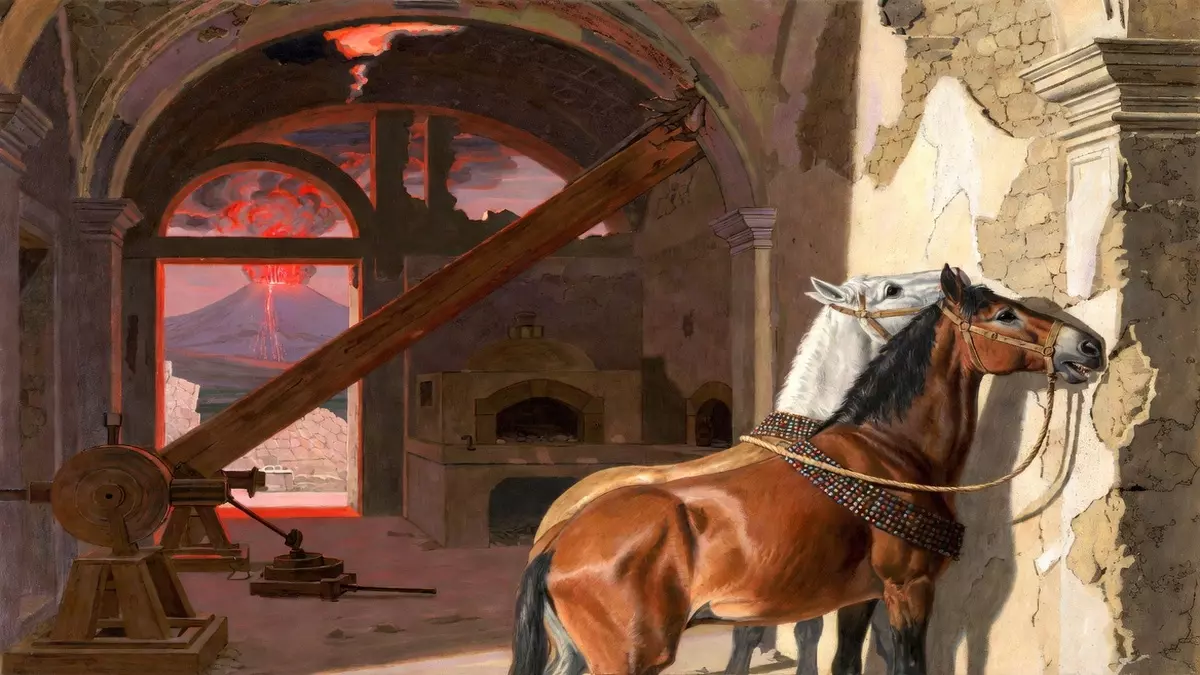
The unearthing of two working equids beneath the ruins of a Pompeii bakery is offering archaeologists an intimate glimpse into the chaotic final hours of one of history’s most famous natural disasters. Discovered in the famed House of the Chaste Lovers, these ancient animals—likely horses, donkeys, or mules—provide powerful evidence of how ordinary life came to a sudden, tragic end when Mount Vesuvius erupted in 79 CE.
This latest find from the ongoing excavations at Pompeii highlights not only the human stories we already know so well but also the often-overlooked lives of the animals that powered the Roman city’s economy. Their preserved remains tell a story of routine labor, last-minute preparations, and the overwhelming power of a volcanic catastrophe.
2 Equids Reveal Pompeii’s Final Moments Before Vesuvius Eruption
### The House of the Chaste Lovers: A Window into Daily Roman Life
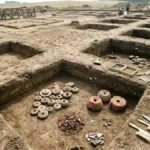
The House of the Chaste Lovers stands as one of Pompeii’s most significant archaeological sites. This expansive complex includes a fully equipped bakery with large ovens, grain storage areas, milling facilities, and residential quarters. Bread production was central to Roman urban life, and this bakery served as a bustling hub of activity right up until the eruption.
Previous digs in the area had already uncovered stables and evidence of equids used for grinding grain and hauling supplies. The recent discovery came during a careful re-examination project focused on cleaning and studying sections left untouched in earlier 20th-century excavations. In a side room next to the main oven, researchers removed a layer of soil and revealed something extraordinary: the skeletons of two large equids pressed against a wall.
### What the Skeletons Tell Us About the Animals
The two animals, designated RP1 and RP2, were found in a modest room measuring approximately 6.3 by 3.45 meters. This space had once contained a large worktable supported by limestone blocks, but by the time of the disaster, the table had been removed, turning the area into a temporary holding pen.
RP1, the older animal, was estimated to be between 10 and 12 years old based on dental and skeletal analysis. RP2 was significantly younger, likely 3.5 to 6 years old. While exact species identification is still pending—further biometric measurements and DNA testing are underway—both were clearly working animals essential to the bakery’s operations.
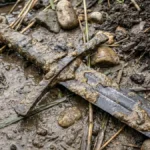
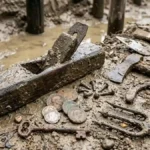
One of the most touching details emerged near the neck of RP1: two iron rings from a harness system and three glass-paste beads (one blue and two white) that likely decorated a collar or strap. These ornamental elements suggest the older equid enjoyed a special bond with its human caretakers. Such decorations went beyond pure utility, hinting at affection and individualized care in a working environment.
No similar adornments were found with the younger animal, possibly indicating different roles or lengths of service within the household.
### Signs of Ongoing Renovations Before the Eruption
Archaeological context reveals that major repairs were underway in the bakery complex when Vesuvius erupted. Earlier earthquakes had damaged nearby stables, prompting workers to move the equids into this temporary space. The presence of renovation materials and structural adjustments shows a city still recovering and adapting from seismic activity in the years leading up to the fatal eruption.
This detail humanizes the scene: Pompeii’s residents were busy maintaining their homes and businesses, unaware that a far greater catastrophe loomed just days or hours away.
### The Dramatic Sequence of the Animals’ Final Moments
Geological evidence provides crucial timing clues. Researchers found no lapilli—the small pumice stones that rained down during the initial phases of the eruption—beneath or around the skeletons. This indicates the animals perished before significant volcanic debris filled the room.
A large maple wood beam, burned and later buried under ash, lay across the remains. Experts believe tremors accompanying the early stages of the eruption caused part of the upper floor to collapse, crushing the equids where they stood. Fragments of wickerwork and thick ash layers suggest fires burned for some time before hot gases and pyroclastic material sealed the site.
The room’s collapse created a tragic snapshot frozen in time: two animals caught in a moment of ordinary routine amid extraordinary destruction. Their positioning against the wall may reflect attempts to seek shelter or stay close to familiar surroundings as the ground shook and the sky darkened.
### Broader Context: Animals in Ancient Pompeii
Working equids were the engines of the Roman economy. In a city like Pompeii, with its narrow streets and active port, donkeys, mules, and horses transported goods, powered mills, and supported construction and agriculture. Finding well-preserved examples with associated harness gear is rare and valuable for understanding ancient animal husbandry, veterinary care, and daily labor practices.
The decorative beads on RP1 are particularly significant. They suggest emotional connections between people and animals, challenging purely utilitarian views of Roman working beasts. Similar evidence from other sites shows that some animals received names, special feed, or ornamental tack, reflecting their importance in both practical and social terms.
### Scientific Collaboration Brings the Past to Life
This discovery involved a multidisciplinary team including archaeologists, archaeozoologists, archaeobotanists, and forensic specialists. Their combined expertise allows for a richer reconstruction of both everyday life in Pompeii and the precise timeline of the eruption’s impact on different parts of the city.
Ongoing laboratory work aims to determine the animals’ exact species, diet, health conditions, workload, and possible origins. Such details will add depth to our knowledge of Pompeii’s social and economic fabric, showing how humans and animals lived—and died—together.
The find also contributes to volcanic science. By correlating the position of the remains with layers of ash and debris, researchers can refine models of how the eruption unfolded across different neighborhoods, improving understanding of survival chances and destruction patterns.
### Why This Discovery Captivates Modern Audiences
Nearly 2,000 years later, Pompeii continues to fascinate because it preserves such personal, relatable moments from antiquity. The story of these two equids resonates with anyone who has cared for animals or worked in demanding trades. Their remains serve as silent witnesses to a community striving to maintain normalcy even as nature unleashed its fury.
In an era when we face our own environmental challenges and natural disasters, Pompeii’s lessons about resilience, preparedness, and the fragility of daily life feel strikingly relevant. The bakery animals remind us that history isn’t only about emperors and grand monuments—it’s also about ordinary workers and the creatures that shared their world.
### The Enduring Legacy of Pompeii
The Archaeological Park of Pompeii continues to yield new insights through careful, modern excavation methods. What began as a 20th-century dig has evolved into a sophisticated, long-term research project that respects the site while revealing fresh stories.
As studies of RP1 and RP2 progress, they will join the growing catalog of discoveries that illuminate Roman daily life—from baking techniques and urban planning to animal management and the human impact of natural disasters.
This latest chapter in Pompeii’s story underscores the importance of re-examining previously excavated areas with today’s advanced technologies and perspectives. What was once overlooked can become a window into profound historical truths.
**Conclusion**
The two equids found in the House of the Chaste Lovers bakery offer more than just archaeological data—they provide an emotional connection to the past. Their final moments, preserved beneath collapsed walls and volcanic ash, capture the suddenness with which Vesuvius transformed a thriving city into a time capsule. Through careful science and respectful study, we continue to honor both the human and animal lives lost that fateful day, gaining deeper appreciation for the complexities of ancient Roman society and the power of nature.
Pompeii’s story is far from complete. Each new discovery, like these equids, adds nuance and humanity to our understanding of one of history’s most dramatic events.
### FAQ
**What species were the Pompeii equids discovered in the bakery?**
Researchers believe they were horses, donkeys, or mules, but ongoing DNA and biometric analysis is needed for definitive identification.
**Why were the animals in the bakery room during the eruption?**
They had been moved to a temporary holding area while renovation work was underway on damaged stables following earlier earthquakes.
**What do the decorative beads tell us about the animals?**
The glass-paste beads found with the older equid suggest it received special care and decoration, indicating an emotional bond beyond simple labor use.
**How did the equids die during the Vesuvius eruption?**
A collapsing wooden beam, likely triggered by early tremors, crushed them before significant pumice lapilli accumulated in the room.
**Why is this discovery important for understanding Pompeii?**
It provides rare evidence of working animals’ lives, the timing of the eruption’s phases, and ongoing urban repairs right before the disaster.
**Can visitors see the equids at Pompeii today?**
The remains are carefully preserved within the archaeological site. Check with the Archaeological Park of Pompeii for current access and display information.
**What other recent discoveries have been made in Pompeii?**
Ongoing excavations continue to reveal new frescoes, homes, and artifacts, expanding our knowledge of daily life in the ancient city.