
300 Ancient Amphorae Shipwreck Reshapes Mediterranean Trade
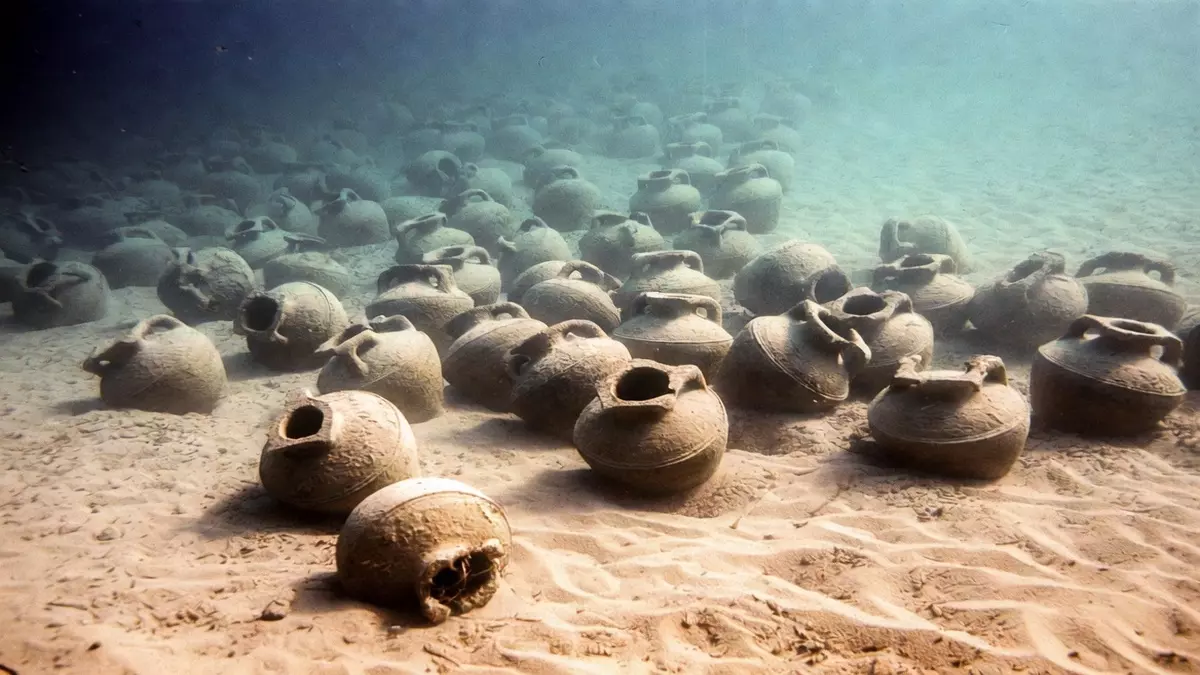
A remarkable underwater discovery off the coast of southern Italy is offering fresh insights into ancient commerce. Archaeologists have located a shipwreck from the 5th and 4th centuries BCE containing more than 300 amphorae, many still clustered on the seafloor after more than 2,000 years. This find could transform our understanding of Mediterranean wine trade routes and the economic connections between Greek colonies in southern Italy.
The wreck, hidden in the Ionian Sea near Monasterace, highlights the rich maritime heritage beneath Italy’s waters. Its cargo of transport jars points strongly to active trade networks centered in Magna Graecia, the network of Greek settlements that flourished in the region. As recovery efforts advance, this ancient shipwreck promises to reveal detailed stories about daily commerce, shipping technology, and cultural exchange in the classical world.
300 Ancient Amphorae Shipwreck Reshapes Mediterranean Trade
### The Exciting Discovery During Modern Development
The shipwreck came to light during routine surveys for a proposed offshore wind farm in 2023. Using advanced seafloor mapping technology and high-resolution underwater imaging, a multidisciplinary team of marine archaeologists, geologists, physicists, chemists, and marine biologists identified the site. What started as preventive archaeology quickly evolved into a significant cultural heritage project.
 Rare 19th-century bone dental bridge found in Portugal points to early cosmetic tooth replacement
Italian authorities responded swiftly. The Superintendency of Archaeology, Fine Arts and Landscape for Reggio Calabria and Vibo Valentia launched a protection initiative, supported by funding from the Ministry of Culture. This coordinated effort demonstrates Italy’s strong commitment to safeguarding underwater treasures amid growing offshore energy development.
By 2025, the team had expanded operations. Detailed photogrammetric surveys created precise 3D models of the wreck and mapped the exact positions of the amphorae. These digital records represent a major step forward in underwater archaeology documentation.
### Inside the Ancient Cargo: What 300 Amphorae Reveal
The ship carried an impressive load of more than 300 ceramic amphorae. These distinctive jars were the standard shipping containers of the ancient Mediterranean, used primarily for transporting wine, olive oil, and other valuable liquids. Many vessels remain grouped together on the seabed, offering a rare snapshot of how cargo was originally stowed.
Early analysis suggests the amphorae styles match types produced in workshops across Magna Graecia and Sicily. Their shapes and fabrics provide strong evidence of regional production centers along the Ionian coast. This connection is particularly exciting because it could clarify how wine from Greek-influenced areas of southern Italy moved through broader Mediterranean trade networks during the classical period.
The presence of such a large, concentrated cargo indicates the ship was likely a dedicated merchant vessel on a specific trading route. Archaeologists hope further study of residues inside the jars will confirm they once held wine, adding concrete evidence to theories about ancient viticulture and export economies.
### Why Two Separate Clusters Matter
One of the most intriguing findings from the 2025 surveys is that the amphorae lie in two distinct groups about ten meters apart. Researchers attribute this separation to decades of damage from bottom trawling by fishing vessels. Modern fishing gear dragged across the seafloor appears to have displaced and scattered parts of the original wreck.
This disturbance raises serious concerns about the site’s long-term survival. While international guidelines, including the 2001 UNESCO Convention on Underwater Cultural Heritage, generally recommend leaving wrecks in place, the team determined that full recovery is necessary here to protect the artifacts from further harm.
The decision to recover the entire cargo reflects a careful balance between preservation ethics and practical threats. Once recovered, the amphorae will undergo detailed laboratory analysis, conservation treatment, and eventual public display.
### Meet the Expert Team Behind the Project
Several skilled professionals lead this important work. Architect Roberta Filocamo coordinates the overall operation, while underwater archaeologist Alessandra Ghelli directs planning and on-site activities. Marine archaeologists Laura Sanna and Francesco Tiboni contribute specialized expertise, supported by restorers and conservation specialists.
The project also benefits from close collaboration with law enforcement. The Carabinieri Diving Unit of Messina and the Cultural Heritage Protection Unit of Cosenza provide essential security and technical support during dives and recovery phases.
This team-based approach combines academic research with practical heritage management, ensuring the highest standards of scientific rigor and artifact care.
### The Historical Importance of Magna Graecia Trade
Magna Graecia, meaning “Great Greece,” refers to the prosperous Greek colonies established in southern Italy and Sicily starting around the 8th century BCE. These settlements became major centers of agriculture, craftsmanship, and maritime trade. Wine production was particularly important, with local varieties exported across the Mediterranean.
Amphorae were the backbone of this economy. Their standardized shapes allowed efficient stacking in ship holds, while distinctive regional styles help archaeologists trace origins and destinations today. The Monasterace wreck adds valuable new data points to our map of ancient shipping lanes, especially along the Ionian coast.
During the 5th and 4th centuries BCE, trade flourished amid political alliances, rivalries, and cultural exchange between Greek cities, Etruscan communities, and other Mediterranean powers. A wreck of this scale could illuminate how economic networks supported growing populations and funded impressive public works in the Greek colonies.
### Challenges and Innovations in Underwater Archaeology
Recovering artifacts from deep water presents unique difficulties. Currents, poor visibility, and the fragile condition of materials submerged for millennia require specialized techniques. The team is currently conducting close inspections, high-resolution documentation, and sample analysis to assess ceramic deterioration.
Laboratory testing will examine how seawater has affected the amphorae over centuries. Results will guide conservation strategies, helping specialists stabilize the artifacts and preserve any organic residues that might remain inside.
Modern technology plays a crucial role. Photogrammetry creates accurate digital twins of the site, allowing researchers worldwide to study the wreck without disturbing it further. These methods set new benchmarks for responsible underwater heritage management.
### What This Shipwreck Means for Future Research
Beyond the immediate recovery, the project opens exciting avenues for broader study. Chemical analysis of jar residues could identify specific wine types or other commodities. Comparative studies with other Mediterranean wrecks may reveal evolving shipbuilding techniques and trade volumes over time.
The discovery also highlights the growing intersection between renewable energy development and cultural heritage protection. As offshore wind farms expand globally, similar archaeological surveys are becoming essential to document and preserve submerged history before construction begins.
Public engagement forms another key goal. Once conserved, the amphorae and associated artifacts will be prepared for museum display, allowing visitors to connect directly with this slice of ancient life. Educational programs will share the story of the wreck, its cargo, and the people who sailed it more than 2,300 years ago.
### The Broader Context of Mediterranean Maritime History
The Mediterranean Sea has served as a highway of commerce since prehistoric times. Shipwrecks like this one act as time capsules, preserving evidence that rarely survives on land. Each discovery refines our knowledge of how goods, ideas, and people moved across ancient boundaries.
Italy’s coastline, dotted with Greek, Roman, and earlier settlements, continues to yield important finds. The Monasterace wreck joins a distinguished list of sites that have reshaped understanding of classical economies. Its focus on wine trade is especially relevant, as viticulture remains economically and culturally significant in modern Italy.
**Conclusion**
The ancient shipwreck with over 300 amphorae discovered off Monasterace, Italy, represents far more than an impressive archaeological find. It offers a rare window into the vibrant Mediterranean wine trade of the 5th and 4th centuries BCE and the sophisticated maritime networks that connected Greek colonies in Magna Graecia with wider markets.
As recovery and research continue, this wreck will likely yield important new details about daily commerce, shipping practices, and cultural interactions in the classical world. Its story reminds us how modern development can unexpectedly illuminate the distant past. Thanks to dedicated experts and forward-thinking heritage policies, this submerged treasure will soon contribute to our shared understanding of human history while receiving the protection it deserves.
The Monasterace shipwreck stands as a powerful example of why underwater archaeology matters. Each amphora recovered brings us closer to the sailors, merchants, and winemakers who shaped the ancient Mediterranean economy.
**FAQ**
**Q: How old is the shipwreck found off Italy?**
A: The wreck dates to the 5th and 4th centuries BCE, making it roughly 2,300 to 2,400 years old.
**Q: How many amphorae were discovered?**
A: More than 300 amphorae have been identified at the site, many still grouped in cargo patterns on the seafloor.
**Q: Where exactly was the ancient shipwreck located?**
A: The site lies in the Ionian Sea off the coast of Monasterace in southern Italy, within the Calabria region.
**Q: Why are researchers recovering the entire cargo?**
A: Bottom trawling from fishing vessels has already disturbed the site. Full recovery protects the artifacts from further damage and allows detailed scientific study.
**Q: What will happen to the amphorae after recovery?**
A: They will undergo conservation treatment and eventually go on public display. The project includes plans for educational exhibits highlighting ancient Mediterranean trade.
**Q: How was the shipwreck initially discovered?**
A: Marine survey teams found it in 2023 during environmental assessments for a proposed offshore wind farm.
**Q: What does this discovery tell us about ancient trade?**
A: The amphorae suggest strong wine trade connections between Magna Graecia settlements in southern Italy, Sicily, and other Mediterranean regions during the classical Greek period.