
 “The Archaeology of Knowledge” by Michel Foucault
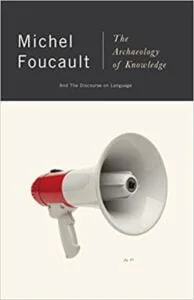 “The Archaeology of Knowledge” by Michel Foucault
Foucault explores the nature of knowledge and how it is constructed, challenging traditional archaeological approaches. He examines the relationship between power, discourse, and archaeology, providing valuable insights into the interpretation of archaeological data.
 “Archaeology: Theories, Methods and Practice” by Colin Renfrew and Paul Bahn
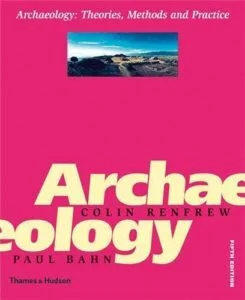 “Archaeology: Theories, Methods and Practice” by Colin Renfrew and Paul Bahn
This comprehensive textbook offers a detailed overview of archaeological methods and theories. It covers topics such as excavation techniques, dating methods, and cultural interpretation, making it an indispensable resource for students and professionals alike.
 Vikings (Quiz)
 “Guns, Germs, and Steel: The Fates of Human Societies” by Jared Diamond
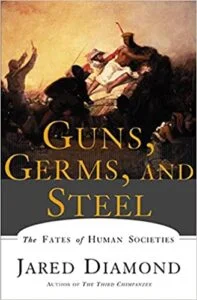 “Guns, Germs, and Steel: The Fates of Human Societies” by Jared Diamond
Diamond investigates the underlying factors that have shaped human history, focusing on the impact of geography, technology, and culture. While not solely focused on archaeology, the book highlights the interplay between archaeology and other disciplines in understanding the development of civilizations.
 “Archaeology as Human Ecology” by Karl W. Butzer
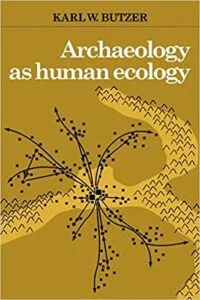 “Archaeology as Human Ecology” by Karl W. Butzer
Butzer presents an ecological perspective on archaeology, emphasizing the importance of understanding the relationship between human societies and their environments. He explores how environmental factors influenced cultural evolution, challenging traditional archaeological paradigms.
 “The Ancient Maya” by Robert J. Sharer and Loa P. Traxler
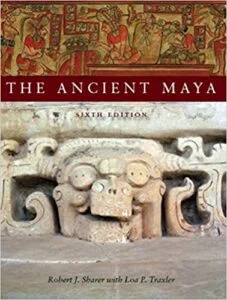 “The Ancient Maya” by Robert J. Sharer and Loa P. Traxler
This book provides a comprehensive account of the ancient Maya civilization, covering topics such as their history, art, architecture, and religious practices. It combines archaeological research with historical and epigraphic evidence to offer a holistic understanding of the Maya.
Bard delves into the world of ancient Egypt, exploring its rich archaeological heritage. The book examines various aspects of Egyptian civilization, including religion, social structure, and material culture, offering valuable insights into one of history’s most fascinating civilizations.
 “The Rise of Civilization: From Early Farmers to Urban Society in the Ancient Near East” by Charles Maisels
 “The Rise of Civilization: From Early Farmers to Urban Society in the Ancient Near East” by Charles Maisels
Maisels provides a comprehensive overview of the emergence and development of civilizations in the ancient Near East. He explores the transition from small-scale farming communities to complex urban societies, drawing upon archaeological evidence and historical sources.
 “The Archaeology of the Roman Economy” by Kevin Greene
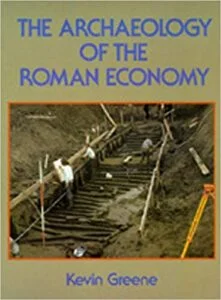 “The Archaeology of the Roman Economy” by Kevin Greene
Greene examines the economic system of the Roman Empire, employing archaeological evidence to understand its organization and functioning. The book explores topics such as trade, production, and consumption, shedding light on the economic dynamics of the ancient world.
“Archaeology and Language: The Puzzle of Indo-European Origins” by Colin Renfrew
 “Archaeology and Language: The Puzzle of Indo-European Origins” by Colin Renfrew
Renfrew investigates the relationship between language and archaeology, specifically focusing on the origins of the Indo-European language family. The book presents a compelling argument for the importance of linguistic evidence in reconstructing prehistoric cultures.
 “The Horse, the Wheel, and Language: How Bronze-Age Riders from the Eurasian Steppes Shaped the Modern World” by David W. Anthony
 “The Horse, the Wheel, and Language: How Bronze-Age Riders from the Eurasian Steppes Shaped the Modern World” by David W. Anthony
Anthony explores the pivotal role played by the domestication of horses and the invention of the wheel in shaping ancient societies. Drawing on archaeological and linguistic data, he traces the movements of peoples and the spread of cultural innovations across Eurasia.
 “Sapiens: A Brief History of Humankind” by Yuval Noah Harari
 “Sapiens: A Brief History of Humankind” by Yuval Noah Harari
While not exclusively an archaeological text, Harari’s book provides a sweeping overview of human history, examining the interplay between biology, culture, and archaeology. It offers a thought-provoking perspective on the development of civilizations.
 “The Oxford Handbook of Maritime Archaeology” edited by Alexis Catsambis, Ben Ford, and Donny L. Hamilton
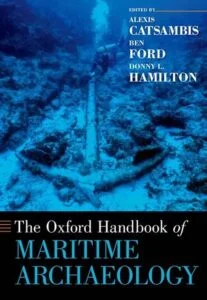 “The Oxford Handbook of Maritime Archaeology” edited by Alexis Catsambis, Ben Ford, and Donny L. Hamilton
This comprehensive volume explores the field of maritime archaeology, covering topics such as shipwrecks, seafaring cultures, and underwater excavation techniques. It provides a thorough understanding of the importance of maritime history in archaeology.
 “The Oxford Handbook of the Archaeology of the Levant” edited by Margreet L. Steiner and Ann E. Killebrew
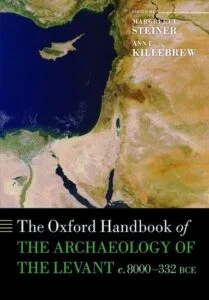 “The Oxford Handbook of the Archaeology of the Levant” edited by Margreet L. Steiner and Ann E. Killebrew
This handbook offers a comprehensive overview of the archaeology of the Levant region, covering a vast period from prehistoric times to the present. It explores the diverse cultures and civilizations that have inhabited this region, shedding light on its historical significance.
 “The Archaeology of Ancient China” by Kwang-chih Chang
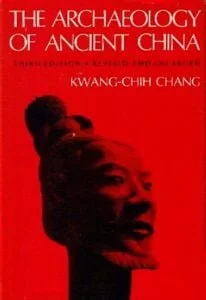 “The Archaeology of Ancient China” by Kwang-chih Chang
Chang provides a comprehensive examination of ancient Chinese civilization, focusing on its archaeological evidence. The book covers topics such as early agricultural societies, the rise of dynasties, and the development of urban centers, offering insights into one of the world’s oldest continuous civilizations.
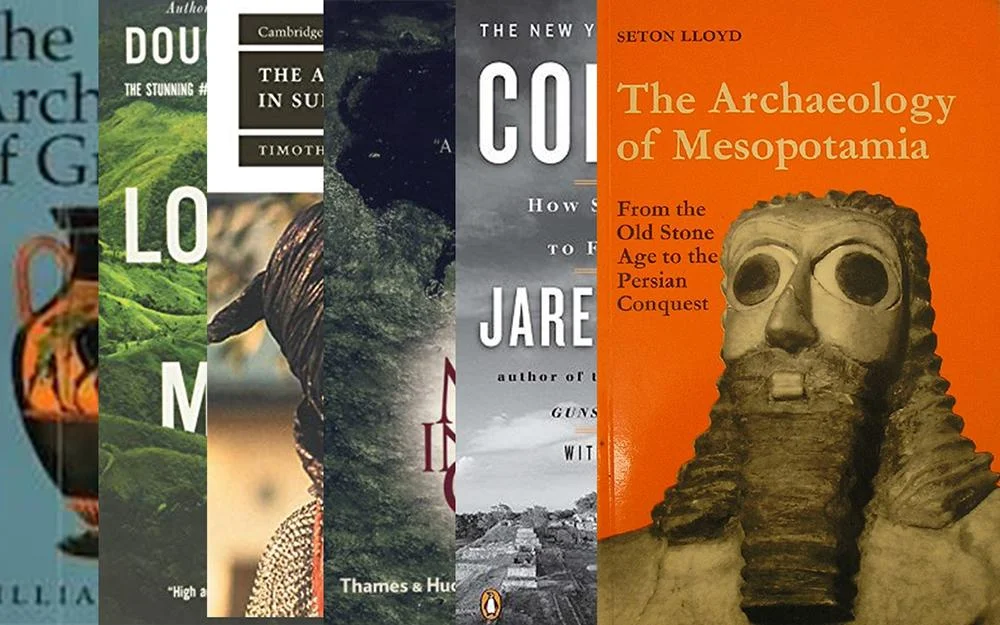
 “Collapse: How Societies Choose to Fail or Succeed” by Jared Diamond
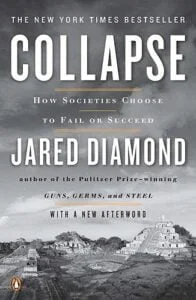 “Collapse: How Societies Choose to Fail or Succeed” by Jared Diamond
Diamond examines the collapse of past civilizations, exploring the factors that led to their decline. Drawing on archaeological case studies from different regions and time periods, the book highlights the importance of environmental sustainability and societal choices.
 “The Archaeology of Greece: An Introduction” by William R. Biers
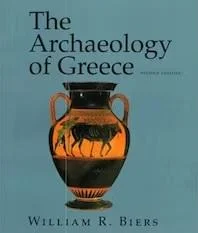 “The Archaeology of Greece: An Introduction” by William R. Biers
Biers provides a comprehensive introduction to Greek archaeology, covering the prehistoric, Classical, and Hellenistic periods. The book explores topics such as Greek art, architecture, and daily life, allowing readers to delve into the fascinating world of ancient Greece.
 “The Lost City of the Monkey God: A True Story” by Douglas Preston
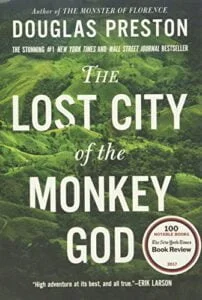 “The Lost City of the Monkey God: A True Story” by Douglas Preston
Preston recounts the true story of the search for a legendary lost city in the Honduran rainforest. Combining adventure and archaeology, the book offers a gripping account of the challenges and discoveries associated with uncovering ancient civilizations.
“The Archaeology of Islam in Sub-Saharan Africa” by Timothy Insoll
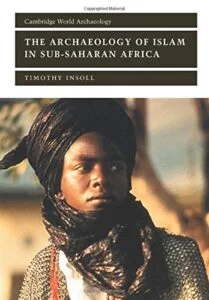 “The Archaeology of Islam in Sub-Saharan Africa” by Timothy Insoll
Insoll explores the archaeology of Islamic cultures in Sub-Saharan Africa, examining their material culture, architecture, and trade networks. The book provides insights into the spread and influence of Islam in this region, challenging traditional narratives of African history.
 “The Archaeology of Mesopotamia: From the Old Stone Age to the Persian Conquest” by Seton Lloyd
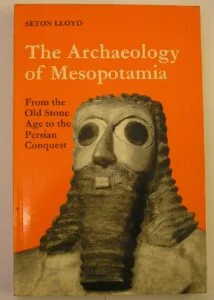 “The Archaeology of Mesopotamia: From the Old Stone Age to the Persian Conquest” by Seton Lloyd
Lloyd offers a comprehensive overview of the archaeology of Mesopotamia, one of the cradles of civilization. Covering a vast time span, the book explores the development of Sumerian, Akkadian, Babylonian, and Assyrian cultures, shedding light on their social, economic, and political structures.
“The Mind in the Cave: Consciousness and the Origins of Art” by David Lewis-Williams
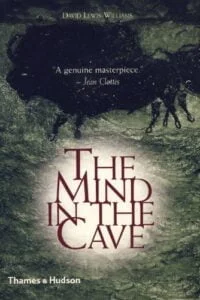 “The Mind in the Cave: Consciousness and the Origins of Art” by David Lewis-Williams
Lewis-Williams explores the origins and meaning of ancient cave art from various regions around the world. Drawing on cognitive archaeology and neuroscience, he investigates the role of altered states of consciousness in the creation of prehistoric art, offering intriguing insights into our ancient ancestors’ minds.
These books cover a wide range of topics and perspectives within archaeology, providing valuable insights into the study of past civilizations and the methods used to uncover their stories.