
Table of Contents
**700-Year-Old Bolivian Mummy Reveals Scarlet Fever Bacteria Pre-Columbus**
Archaeologists and scientists have uncovered groundbreaking evidence from a 700-year-old mummy in Bolivia that rewrites the timeline of a major infectious disease in the Americas. DNA analysis has confirmed the presence of *Streptococcus pyogenes*—the bacterium behind strep throat and scarlet fever—in the remains of a young man who lived between 1283 and 1383 CE. This discovery proves the pathogen existed in South America long before European explorers arrived, challenging previous assumptions about when and how certain diseases spread across the globe.
The finding, made possible by advances in ancient DNA research, offers a rare window into pre-Columbian health and microbial history. It highlights how Indigenous populations in the Andes faced infectious diseases centuries earlier than previously thought and adds important context to the devastating impact of later colonial-era epidemics.
700-Year-Old Bolivian Mummy Reveals Scarlet Fever Bacteria Pre-Columbus
### The Remarkable Preservation of Bolivian Mummies
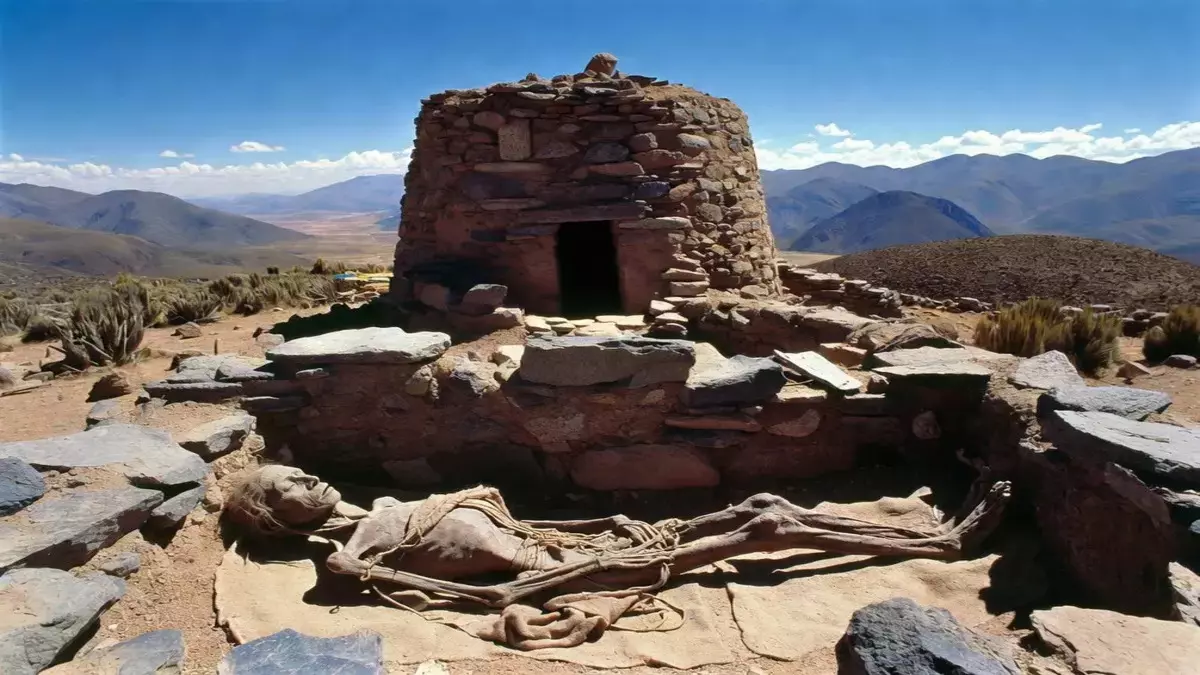
The remains come from the high, arid Bolivian Altiplano, where cold temperatures and dry conditions naturally mummified soft tissues and preserved genetic material. The skull and tooth samples were housed at the National Museum of Archaeology in La Paz and are believed to originate from a *chullpa*—a distinctive above-ground burial tower used by pre-Inca cultures during the Late Intermediate Period, between the decline of the Tiwanaku empire and the rise of the Inca.
These tower tombs, scattered across the high plateau, served as communal resting places for families and communities. The environment inside and around the chullpas created ideal conditions for long-term preservation, allowing scientists to extract viable ancient DNA from dental pulp where bacteria often linger.

### Groundbreaking DNA Discovery in Ancient Teeth
While studying microbial communities in mummified remains, researchers detected *Streptococcus pyogenes* in a tooth from the young man. Using sophisticated techniques tailored for highly fragmented ancient DNA, the team successfully reconstructed a near-complete genome of the bacterium without relying heavily on modern reference sequences.
This represents the first confirmed identification of group A Streptococcus in ancient human remains anywhere in the world. The reconstructed strain shares striking similarities with modern versions responsible for common throat infections, including those that lead to scarlet fever. It carried many of the same virulence genes seen in today’s circulating strains, indicating remarkable genetic stability over hundreds of years.

Scarlet fever, characterized by fever, rash, and sore throat, was a major childhood killer in the pre-antibiotic era, with deadly outbreaks sweeping through populations until penicillin became widely available in the 1940s. Finding it in pre-Columbian South America reshapes our understanding of disease ecology in the Western Hemisphere.
### Ancient Lineage and Human Migration Clues
Genetic analysis reveals that this Bolivian strain diverged from other known lineages of *S. pyogenes* around 10,000 years ago. This timing aligns with the period when early human groups were settling the Andes, encountering new environments, animals, and microbial ecosystems. The bacterium likely adapted alongside these expanding human populations, establishing itself as part of the local disease landscape.
Bone studies indicate the young man suffered from below-average nutritional health, a common challenge in the region as communities grew denser and more mobile. Such conditions—crowding, variable diets, and increased social interaction—would have facilitated the spread of respiratory and contact-transmitted pathogens like group A strep.
### Broader Context: Traces in Europe and Beyond
To place their discovery in perspective, researchers re-examined older DNA datasets and identified previously overlooked traces of *Streptococcus pyogenes* in 35 ancient European individuals dating back about 4,000 years. They also found a related Streptococcus species in 200-year-old gorilla remains from Africa, suggesting deep evolutionary roots and complex transmission patterns across species and continents.
These comparisons underscore that group A strep has a much longer and more widespread history than previously documented through written records or recent medical data. Ancient DNA is proving essential for filling gaps where historical documents are silent or absent.
### Life and Health in the Pre-Inca Andes
The Late Intermediate Period was a time of cultural transition and social complexity in the Bolivian highlands. Communities built elaborate burial towers, engaged in long-distance trade, and navigated environmental challenges on the Altiplano. The presence of this bacterium adds a new dimension to our picture of daily life and health risks during this era.
While scientists cannot confirm whether the young man died directly from a strep infection, the detection shows the pathogen was actively circulating among Indigenous groups. This has significant implications for understanding the baseline disease burden before European contact introduced new pathogens like smallpox, measles, and influenza, which caused catastrophic population declines.
### Scientific Methods Behind the Breakthrough
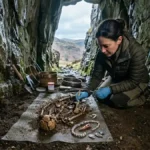
The success of this study relied on cutting-edge paleogenomics. Researchers carefully extracted DNA from the tooth, sequenced the highly degraded fragments, and assembled the bacterial genome using specialized computational tools. This approach overcomes the usual challenges of working with ancient material, where DNA is often contaminated or broken down over centuries.
The work was conducted by an international team including experts from Eurac Research and collaborators across multiple institutions. Their publication in *Nature Communications* details the rigorous methods used to authenticate the ancient bacterial DNA and rule out modern contamination.
### Implications for Modern Medicine and History
This discovery has far-reaching consequences. It demonstrates that certain diseases once attributed solely to post-contact exchanges were already part of American microbial environments. It also provides a valuable ancient reference genome that could help scientists track the evolution of antibiotic resistance and virulence factors in group A strep today.
Scarlet fever and invasive strep infections remain concerns in many parts of the world. Understanding their deep history may inform future strategies for prevention and treatment. Additionally, the study emphasizes the importance of preserving archaeological collections, as museum-held remains continue to yield new insights through modern technology.
### Ongoing Research and Future Discoveries
Scientists plan further analysis of the Bolivian mummy and similar remains to explore other microbial species and overall health profiles. As ancient DNA techniques improve, more pre-Columbian mummies from the Andes and beyond are likely to reveal additional surprises about the co-evolution of humans and their pathogens.
The chullpas of the Altiplano represent a rich, understudied archive. Continued interdisciplinary research combining archaeology, genetics, anthropology, and microbiology will deepen our knowledge of Indigenous resilience and adaptation in the Americas before 1492.
### Why This Matters for Our Understanding of the Past
For too long, narratives of pre-Columbian health focused primarily on what was absent—European diseases. This Bolivian find balances the picture by showing what was present. It humanizes the young man and his community, reminding us they dealt with familiar ailments like sore throats and fevers amid their daily struggles and achievements.
The research also celebrates the power of ancient DNA to recover stories invisible in traditional records. From highland burial towers to laboratory sequencers, this 700-year journey illustrates how science connects past and present in unexpected ways.
### Conclusion: A New Chapter in Disease History
The detection of *Streptococcus pyogenes* in a 700-year-old Bolivian mummy stands as a landmark achievement in paleopathology. It confirms that scarlet fever’s causative bacterium thrived in the Americas centuries before European arrival, reshaping timelines of infectious disease and highlighting the complex microbial world of Indigenous societies.
This discovery enriches our appreciation of pre-Columbian life while providing modern researchers with crucial evolutionary data. As more ancient genomes are sequenced, we can expect further revelations about humanity’s long battle with bacteria and viruses. The young man from the Altiplano, resting in his chullpa for centuries, has now contributed meaningfully to global scientific knowledge—bridging ancient Andes and contemporary medicine in one remarkable find.
### FAQ: Scarlet Fever Bacterium in Pre-Columbian Bolivia
**How old was the mummy and where was it found?**
The remains date to 1283–1383 CE (about 700 years old) and come from the Bolivian Altiplano, likely from a chullpa burial tower associated with pre-Inca cultures.
**What disease does *Streptococcus pyogenes* cause?**
It is the primary cause of strep throat and scarlet fever, and can lead to more serious complications. It was a major cause of childhood mortality before antibiotics.
**Is this the first time this bacterium has been found in ancient remains?**
Yes. This is the first confirmed ancient genome of group A Streptococcus recovered from human remains, with additional traces identified in older European samples.
**Did the young man die from scarlet fever?**
Researchers cannot confirm the exact cause of death, though the bacterium was present. Bone analysis shows signs of nutritional stress that may have increased vulnerability to infection.
**What does this discovery mean for pre-Columbian history?**
It proves certain infectious diseases existed in the Americas before European contact, providing a more complete picture of Indigenous health and microbial environments.
**Where was the research published?**
The study appeared in *Nature Communications* in 2026, led by researchers including those from Eurac Research.