60,000-Year-Old Arrows Reveal Earliest Use of Poison

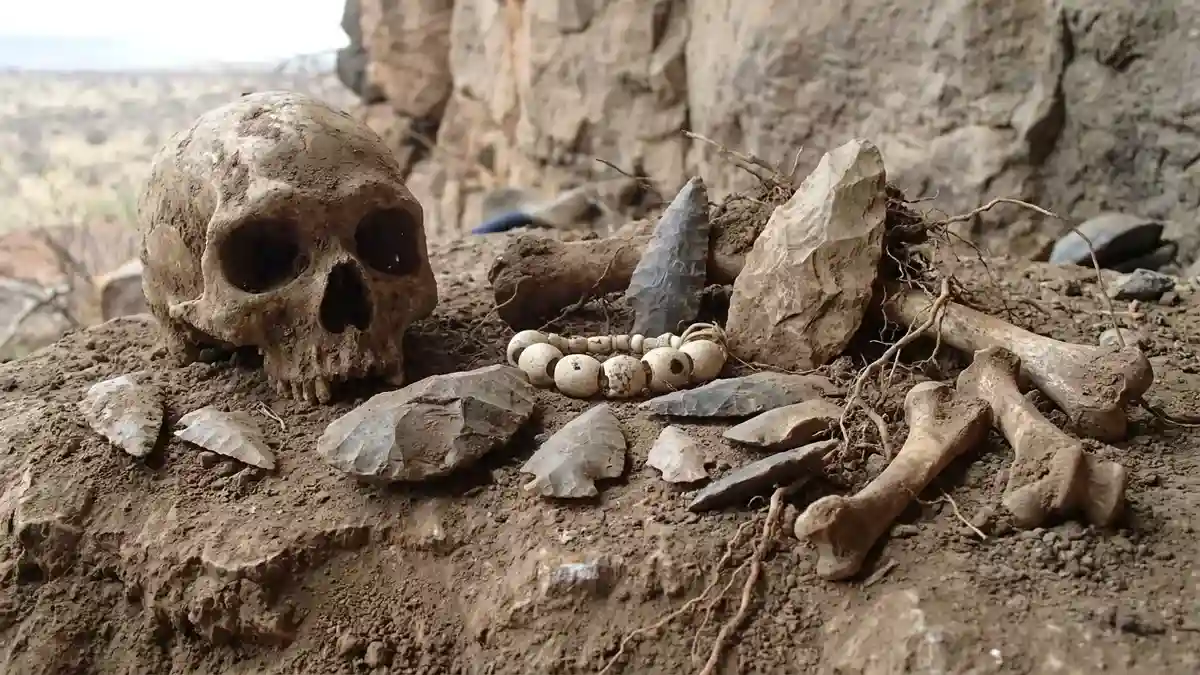
60,000-Year-Old Arrows Reveal Earliest Use of Poison A groundbreaking study has pushed the timeline of sophisticated human weaponry back by over 50,000 years. Archaeologists analyzing quartz arrowheads from the Umhlatuzana Rock Shelter in KwaZulu-Natal, South Africa, have identified the oldest direct evidence of poisoned hunting weapons. Dating back 60,000 years, this discovery provides a rare, … Read more

3,000-Year-Old Battlefield Discovery in Lithuanian Bog

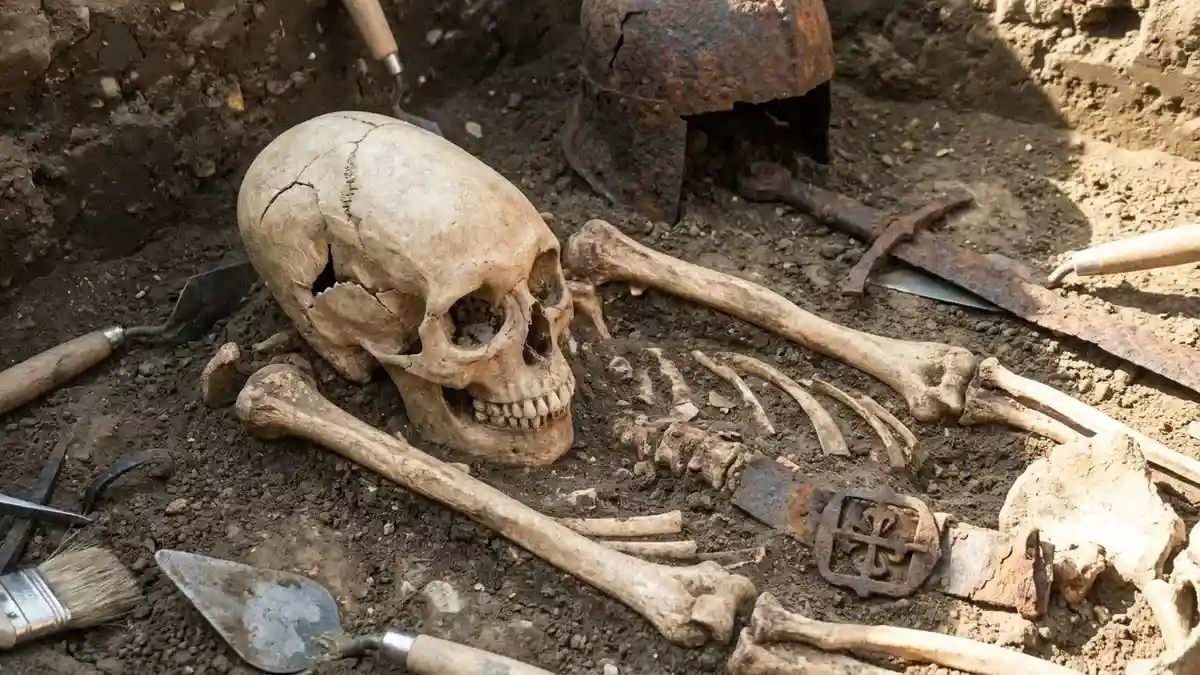
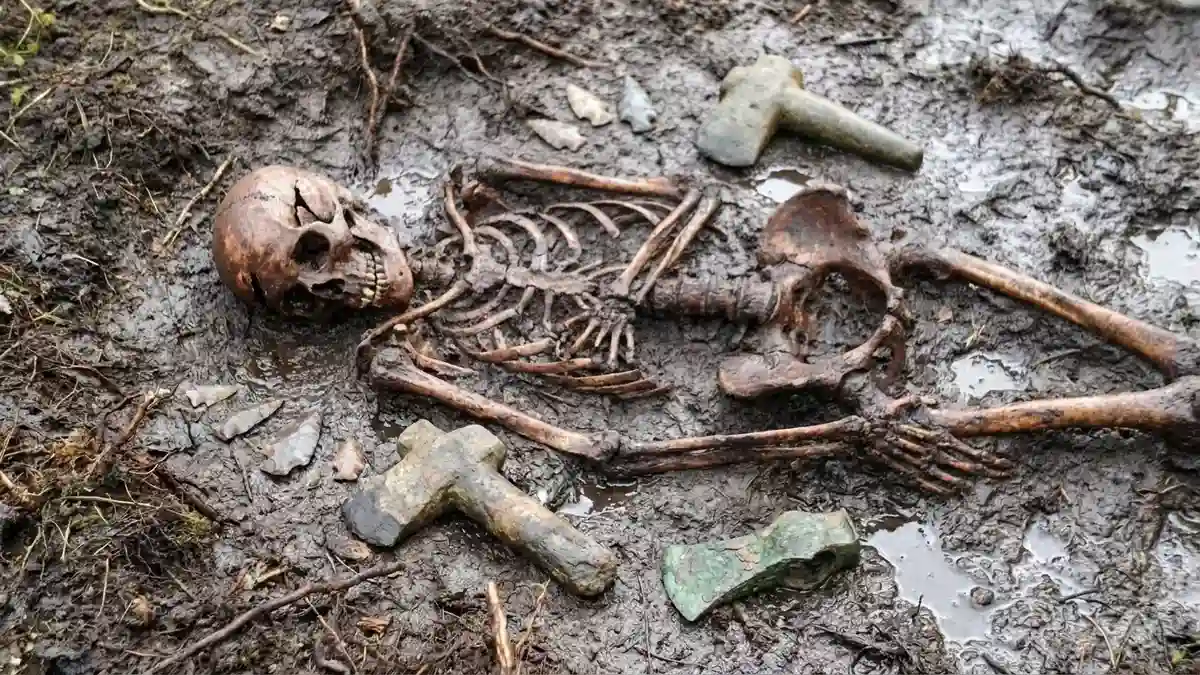
3,000-Year-Old Battlefield Discovery in Lithuanian Bog A chilling discovery in the Turlojiškė peat bog of southern Lithuania has provided compelling evidence of a violent, large-scale conflict dating back to the Late Bronze Age. Approximately 3,000 years ago, a group of young men met their end in what was then a shallow lake, their remains eventually … Read more

Elite Anglo-Saxon Cemetery Discovered Near Sizewell

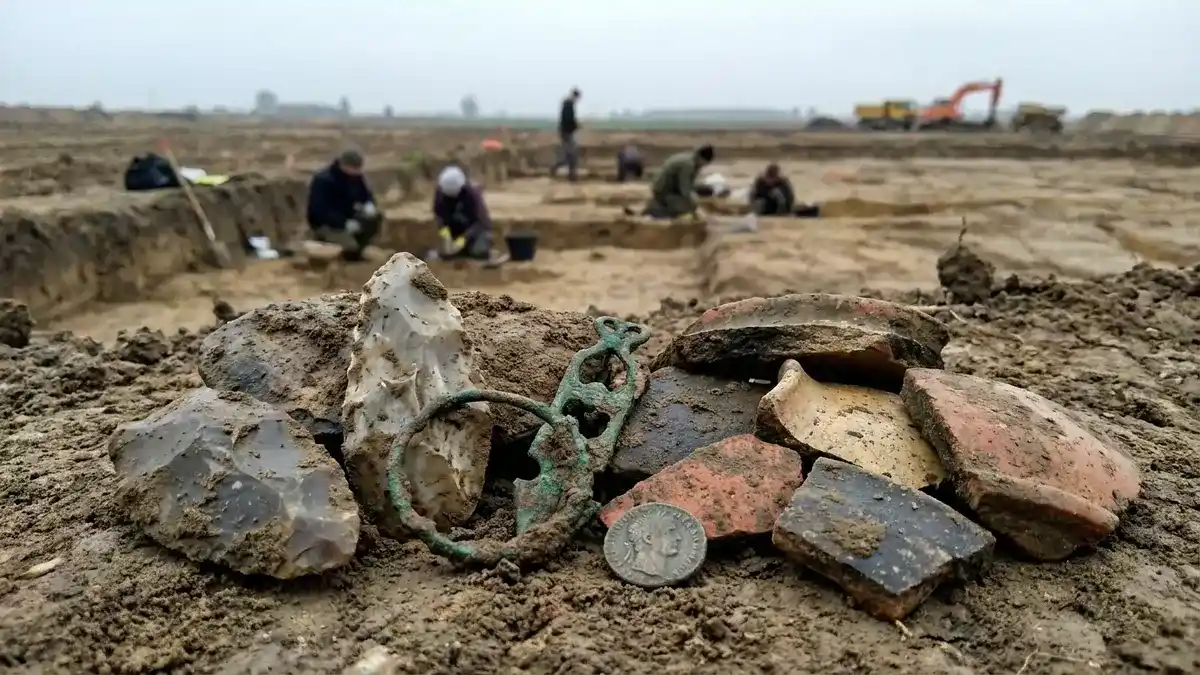
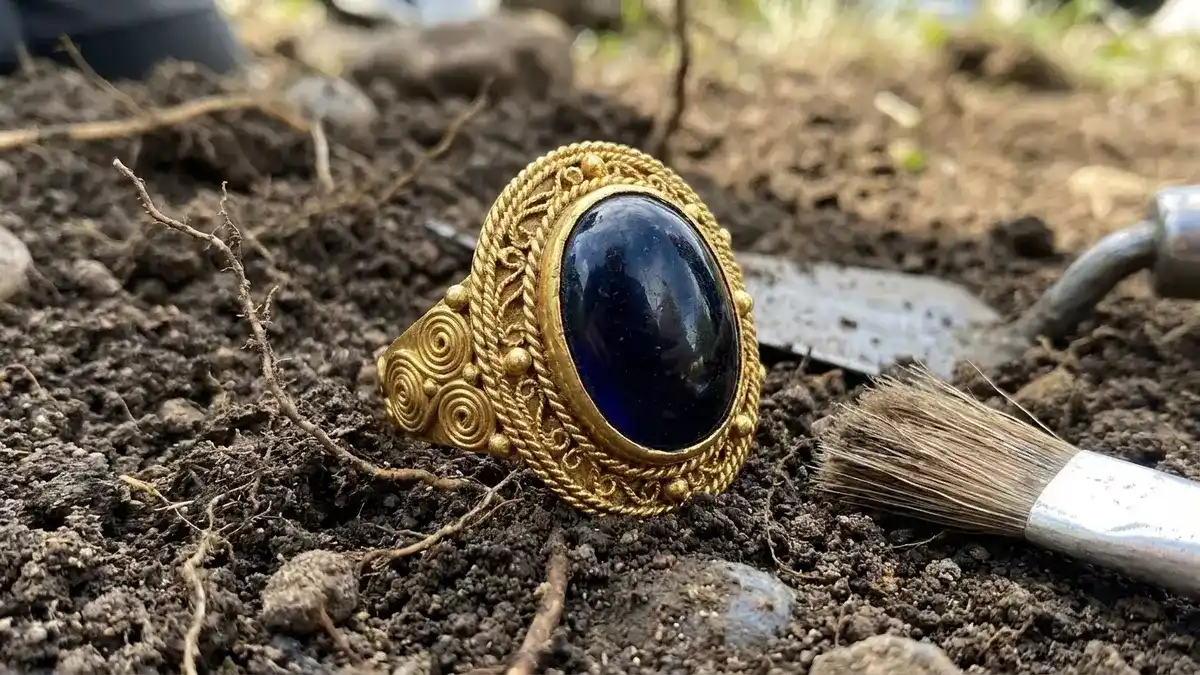
Elite Anglo-Saxon Cemetery Discovered Near Sizewell Archaeologists working near the Sizewell C nuclear power project in Suffolk, England, have unearthed a rare and highly significant early medieval burial ground. Dating back to the sixth and seventh centuries, the cemetery offers a hauntingly clear window into the lives, rituals, and social hierarchies of the Anglo-Saxon elite … Read more

Ancient Innovation: Oldest Hafted Tools Found in China

Ancient Innovation: Oldest Hafted Tools Found in China A groundbreaking discovery in central China is reshaping our understanding of human technological evolution. Researchers have unearthed a collection of stone tools dating back between 160,000 and 72,000 years that feature clear evidence of “hafting”—the sophisticated process of attaching stone implements to wooden or bone handles. Published … Read more

1,900-Year-Old Roman Vial Reveals Dung-Based Medicine

1,900-Year-Old Roman Vial Reveals Dung-Based Medicine A small, nondescript glass vial—an unguentarium—recovered from an ancient tomb in Pergamon, Turkey, has provided the first definitive physical evidence of a practice long relegated to the fringes of historical debate: the use of human feces as medicine in the Roman Empire. By utilizing advanced chemical analysis, researchers have … Read more

Pristine Prehistoric Cave Found Near Haifa Offers Rare Insight

Pristine Prehistoric Cave Found Near Haifa Offers Rare Insight Archaeologists have unearthed a remarkable time capsule near the town of Fureidis, just south of Haifa, Israel. This ancient cave, which remained sealed for hundreds of thousands of years, provides an unprecedented window into the lives of early human ancestors. Dating back to between 400,000 and … Read more

Illuminating Prehistoric Rituals: Ancient “Cornet” Lamps Revealed

Illuminating Prehistoric Rituals: Ancient “Cornet” Lamps Revealed For decades, archaeologists working in the Levant have been puzzled by “cornets”—small, cone-shaped ceramic vessels unique to the Chalcolithic period (circa 4500–3500 BCE). Found in large clusters at some sites and entirely absent at others, these objects have been theorized to be everything from dairy churns to industrial … Read more

Digital Reassembly: 3D Metrology Reunites Dispersed Egyptian Antiquities

Digital Reassembly: 3D Metrology Reunites Dispersed Egyptian Antiquities For decades, the study of ancient Egyptian funerary art has been plagued by a “puzzle with missing pieces” problem. Due to the chaotic history of 19th and early 20th-century archaeology, countless artifacts—especially fragile funerary masks—were broken, stripped from their original tombs, and scattered across the globe into … Read more