Archaeologists Uncover Oldest Republican Structure at Hadrian’s Villa

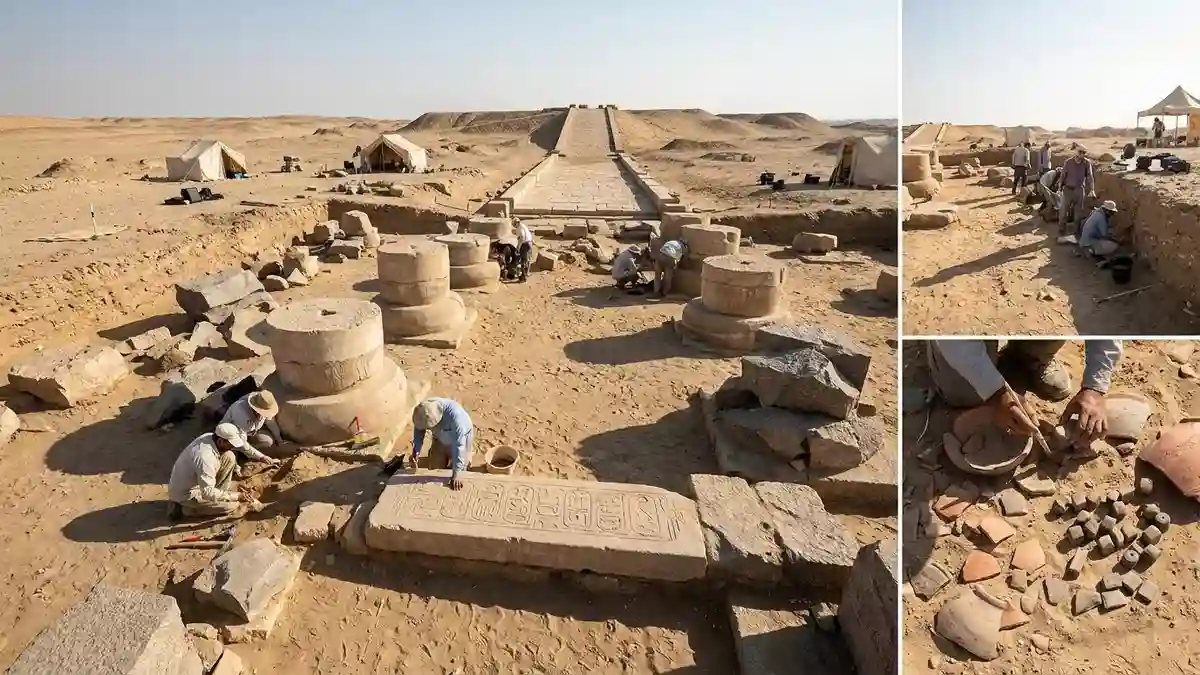
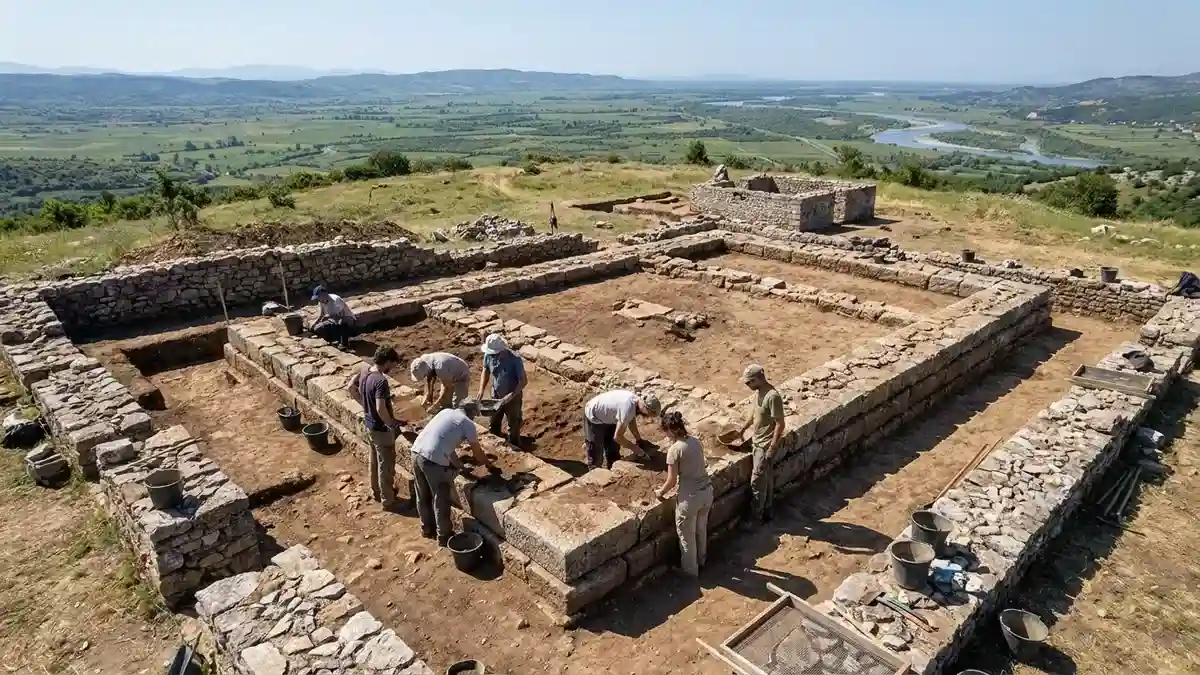
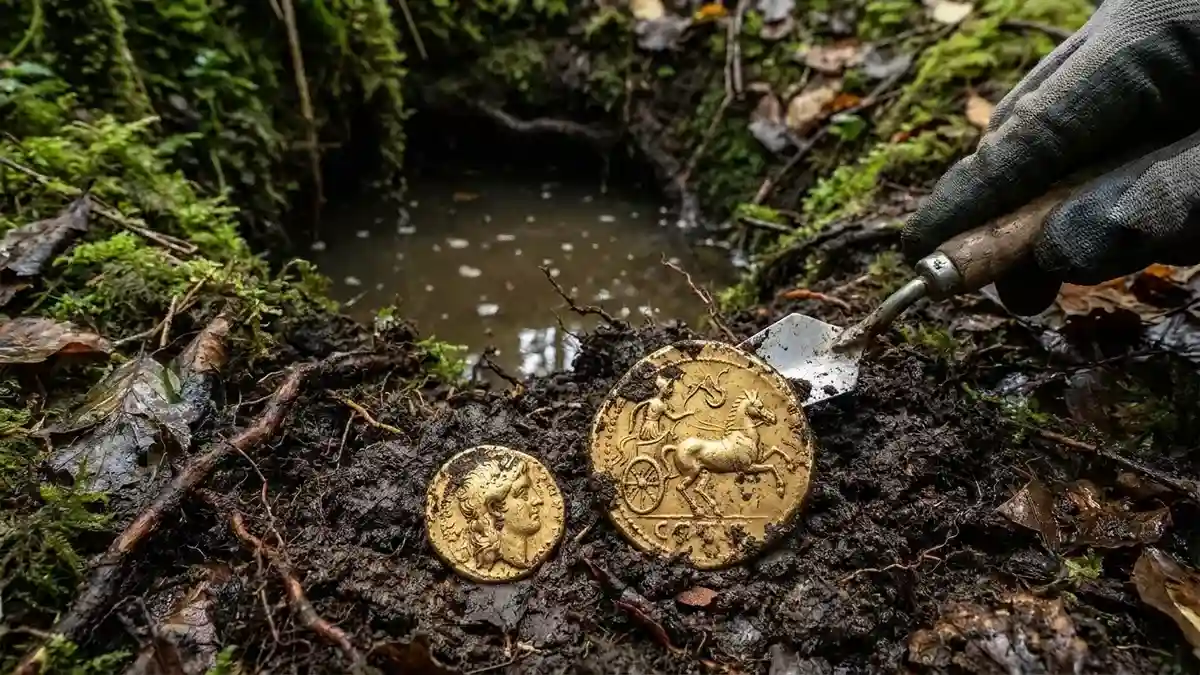
Archaeologists Uncover Oldest Republican Structure at Hadrian’s Villa The sprawling imperial complex of Hadrian’s Villa in Tivoli, Italy, has long been celebrated as a pinnacle of Roman architectural grandeur. However, a recent excavation has peeled back the layers of this UNESCO World Heritage site to reveal a history that predates the famous emperor himself. Archaeologists … Read more

773,000-Year-Old Fossils Rewrite Human Ancestry

773,000-Year-Old Fossils Rewrite Human Ancestry A groundbreaking discovery at the Grotte à Hominidés in Casablanca, Morocco, is fundamentally shifting the map of human evolution. New research published in Nature (2026) reveals that a key ancestral population of modern humans and Neanderthals inhabited northwest Africa approximately 773,000 years ago. These fossils provide the “missing link” researchers … Read more

12,000-Year-Old DNA Reveals Earliest Genetic Diagnosis

12,000-Year-Old DNA Reveals Earliest Genetic Diagnosis In a groundbreaking synthesis of modern clinical genetics and archaeology, researchers have identified the oldest known genetic diagnosis in an anatomically modern human. By analyzing the DNA of a teenage girl who lived 12,000 years ago, scientists have confirmed she suffered from a rare form of skeletal dysplasia, offering … Read more

Challenging Preconceptions: New Study Reevaluates Great Basin Burials

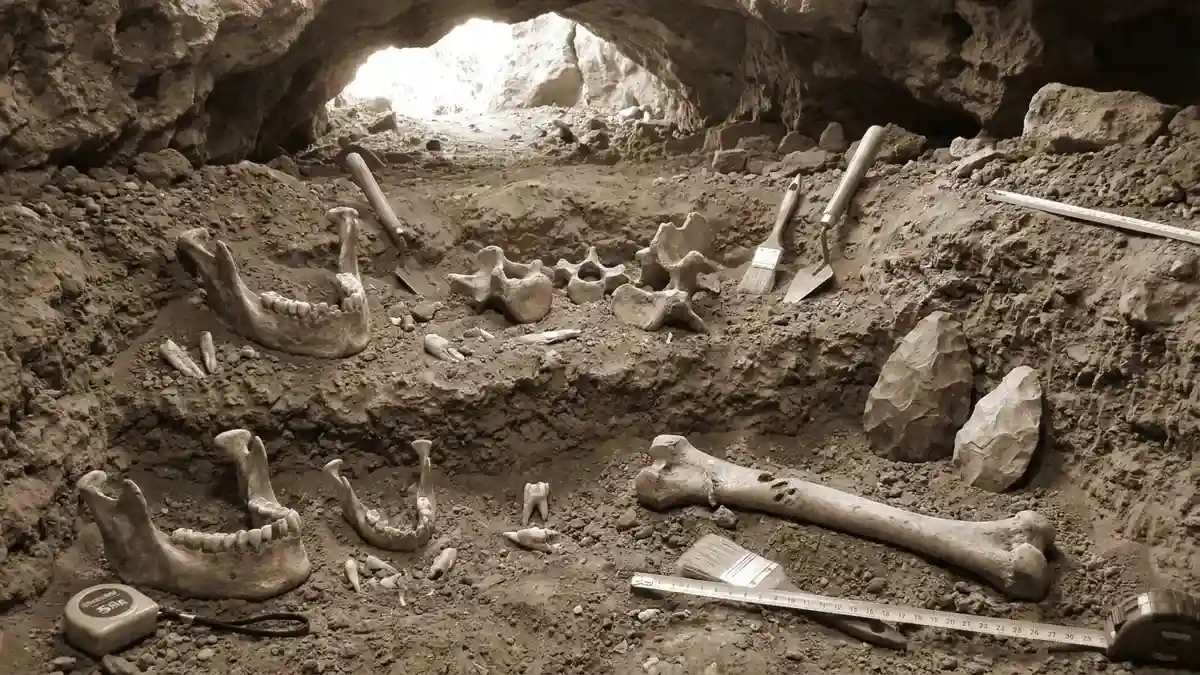
Challenging Preconceptions: New Study Reevaluates Great Basin Burials For decades, archaeological narratives regarding the Great Basin—a vast, arid region spanning much of Nevada and Utah—have often highlighted cave burials as an anomaly. Specifically, the lower Lahontan drainage basin in western Nevada was long considered unique for its high frequency of interments in caves and rockshelters, … Read more

Rediscovering Ireland’s Lost Burial Grounds Through Folklore

Rediscovering Ireland’s Lost Burial Grounds Through Folklore In a profound convergence of oral tradition and modern science, a groundbreaking study by archaeologist Marion Dowd of Atlantic Technological University has shed light on Ireland’s “cillíní”—the forgotten burial grounds reserved for unbaptized infants. Historically sidelined by formal record-keeping, these sacred, somber spaces are finally being integrated into … Read more

3,400-Year-Old Bronze Sword Reveals Prehistoric Engineering Mastery

3,400-Year-Old Bronze Sword Reveals Prehistoric Engineering Mastery In 2023, the discovery of an octagonal bronze sword in Nördlingen, Swabia, captivated the archaeological world. Dating back over 3,400 years to the Middle Bronze Age, this pristine weapon was more than just a burial offering—it was a masterpiece of prehistoric engineering. Recent high-tech analysis, conducted by a … Read more

700-Year-Old Mummy Reveals Ancient Roots of Scarlet Fever

700-Year-Old Mummy Reveals Ancient Roots of Scarlet Fever A groundbreaking genetic study of a 700-year-old mummy from the Bolivian highlands has rewritten the timeline of infectious diseases in the Americas. Researchers have identified the DNA of Streptococcus pyogenes—the bacterium responsible for strep throat and scarlet fever—within the remains of a young man who lived between … Read more

Roman Cemetery Excavation Reveals Frontier Life in Northern Britain

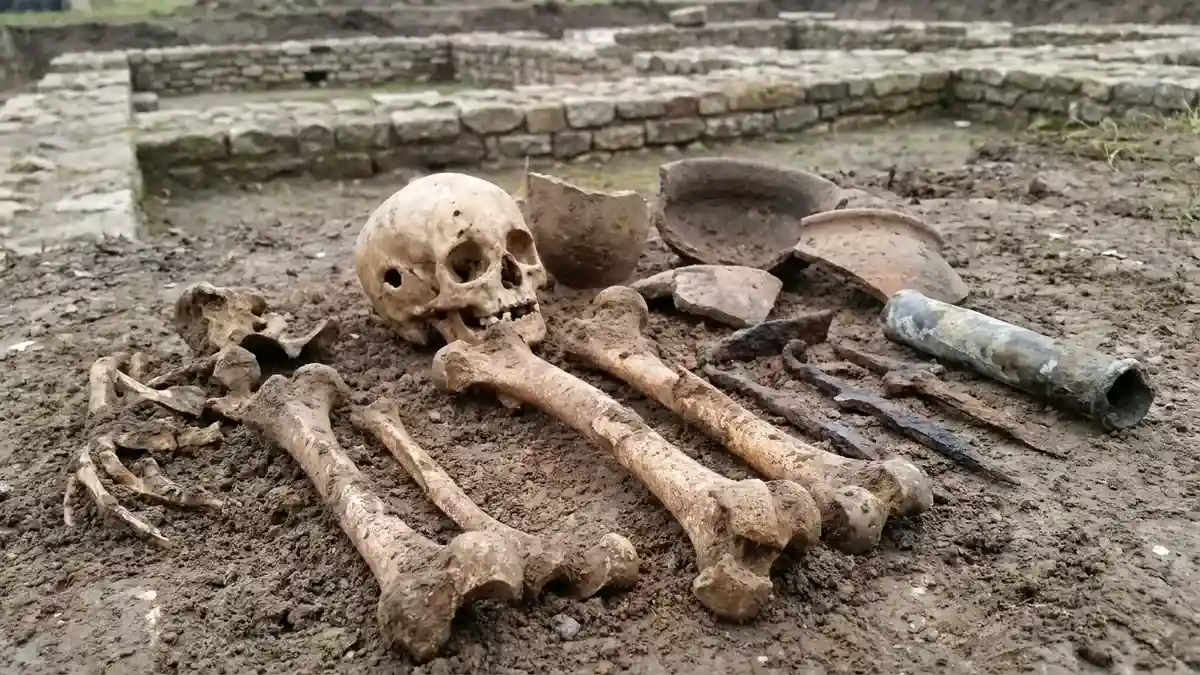
**Roman Cemetery Excavation Reveals Frontier Life in Northern Britain** Archaeologists have uncovered hundreds of Roman graves at Brougham in Cumbria, painting a vivid picture of diverse burial practices on the edge of the Roman Empire. This large-scale excavation along the A66 corridor offers rare insights into how soldiers, civilians, and families honored their dead nearly … Read more

Bronze Age Hilltop Farm Rewrites UK Upland History

**Bronze Age Hilltop Farm Rewrites UK Upland History** Archaeologists have uncovered a remarkably preserved Bronze Age settlement high in England’s Cheviot Hills, revealing organized farming and community life more than 4,400 years ago. The discovery at Harden Quarry in Northumberland National Park challenges previous ideas about when and how early farmers colonized rugged upland landscapes … Read more

1,900-Year-Old Roman Vial Reveals Feces in Ancient Medicine

**1,900-Year-Old Roman Vial Reveals Feces in Ancient Medicine** Archaeologists have uncovered the first direct physical proof that ancient Romans used human feces as a key ingredient in medical treatments. Chemical analysis of residue inside a small glass vial from a tomb in Pergamon, Turkey, confirms a surprising mixture of fecal matter and thyme oil. This … Read more