Young Workers Hit Hardest in 17th Century Basel Plague Outbreak
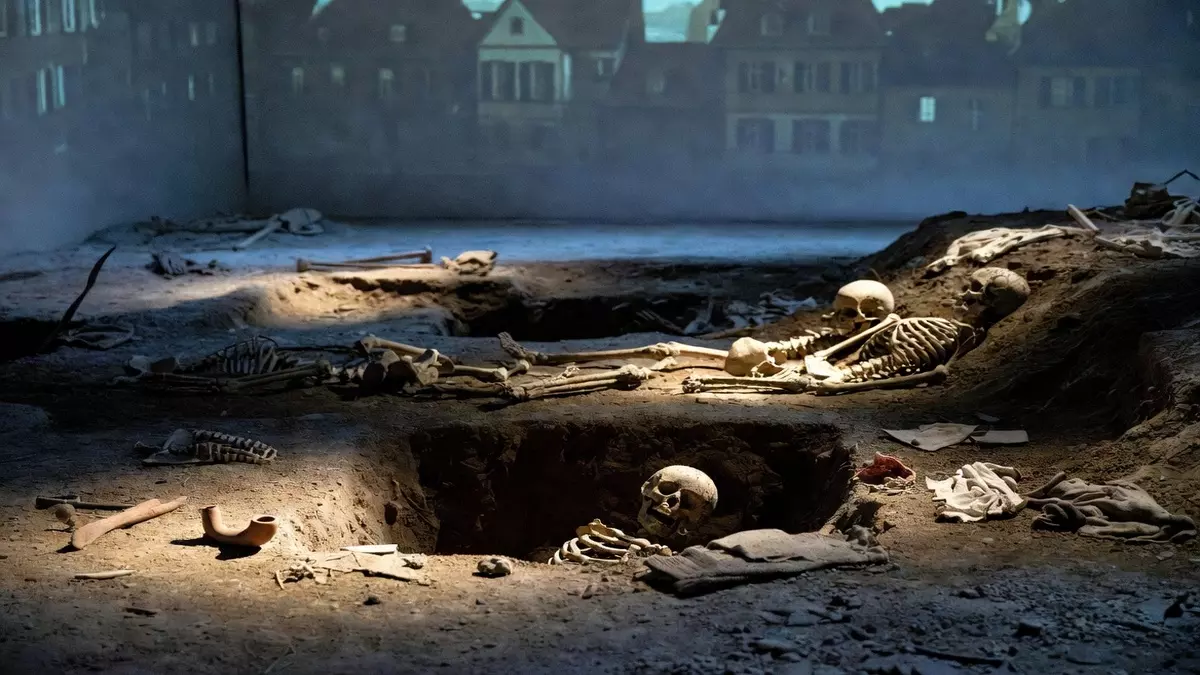
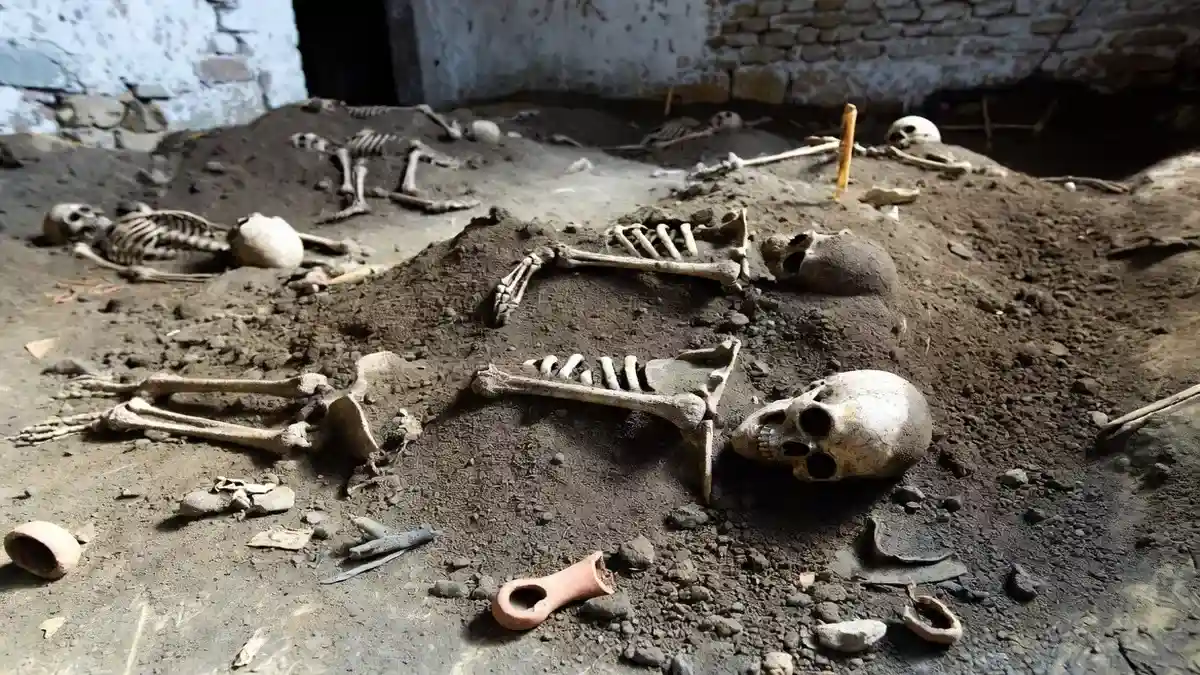
**Young Workers Hit Hardest in 17th Century Basel Plague Outbreak** A powerful new study from Basel, Switzerland, reveals the human cost of one of the city’s final plague epidemics in striking detail. By examining remains from a 17th-century hospital cemetery, researchers have uncovered how age, social status, and daily hardships shaped survival during the deadly … Read more
3,000 Years of Genetic Stability in Ancient Low Countries

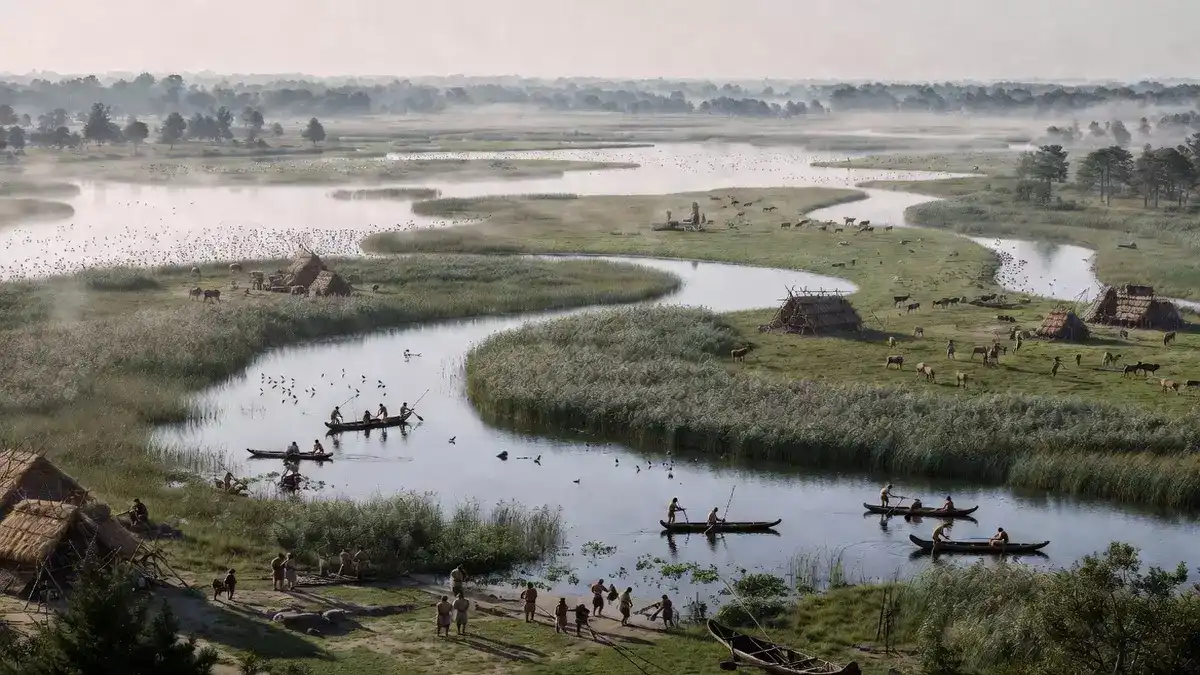
**3,000 Years of Genetic Stability in Ancient Low Countries** Ancient DNA research is rewriting the story of prehistoric Europe, and a major new study from the Low Countries reveals an unexpected chapter of remarkable continuity. While much of the continent experienced waves of migration and rapid genetic turnover, communities in what is now the Netherlands, … Read more

Prehistoric Polish Farmers Master New Crops and Strategies

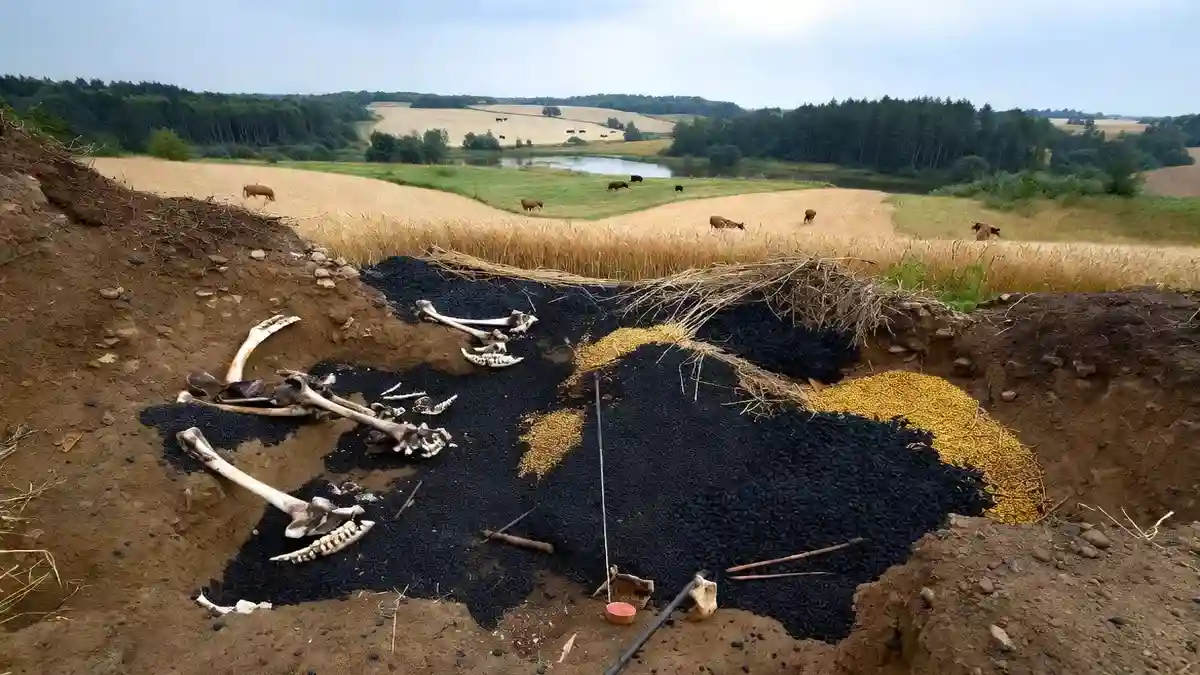
**Prehistoric Polish Farmers Master New Crops and Strategies** Ancient communities in north-central Poland demonstrated remarkable adaptability, transforming their diets and farming practices over more than 3,000 years. A groundbreaking study from the Kuyavia region reveals how Neolithic and Bronze Age societies navigated environmental challenges, cultural shifts, and social changes through clever adjustments in crop choices, … Read more

Young Workers Hit Hardest by Basel’s 17th Century Plague

**Young Workers Hit Hardest by Basel’s 17th Century Plague** A new archaeological study from Basel, Switzerland, reveals the devastating human cost of one of the city’s final plague outbreaks in the late 1600s. Researchers examining remains from a makeshift hospital cemetery found that young laborers suffered disproportionately high death rates, shedding light on how social … Read more

Archaeologists Transform Extreme Exploration Research

**Archaeologists Transform Extreme Exploration Research** Archaeologists are bringing their expertise to some of the most inhospitable places on Earth and beyond, revealing profound insights into how humans survive and thrive in environments where we seemingly don’t belong. From the International Space Station orbiting 250 miles above our planet to the frozen slopes of Mount Everest, … Read more

Mass Grave in Jordan Confirms Justinian Plague Victims

**Mass Grave in Jordan Confirms Justinian Plague Victims** Archaeologists have uncovered powerful new evidence of one of history’s deadliest pandemics through a mass grave in ancient Jerash, Jordan. The discovery provides the first biomolecular confirmation of victims from the Plague of Justinian in the Eastern Mediterranean, revealing how this catastrophic outbreak overwhelmed communities and exposed … Read more

Ancient DNA Rewrites Fall of Rome with Small Migrations

**Ancient DNA Rewrites Fall of Rome with Small Migrations** A major ancient DNA study is transforming our understanding of the fall of the Roman Empire in Central Europe. Instead of massive invasions by Germanic tribes, researchers found evidence of smaller, gradual movements by families and local groups that slowly reshaped the population over centuries. This … Read more

7,000-Year-Old Beaver Pit Reveals Neolithic Fur Hunting

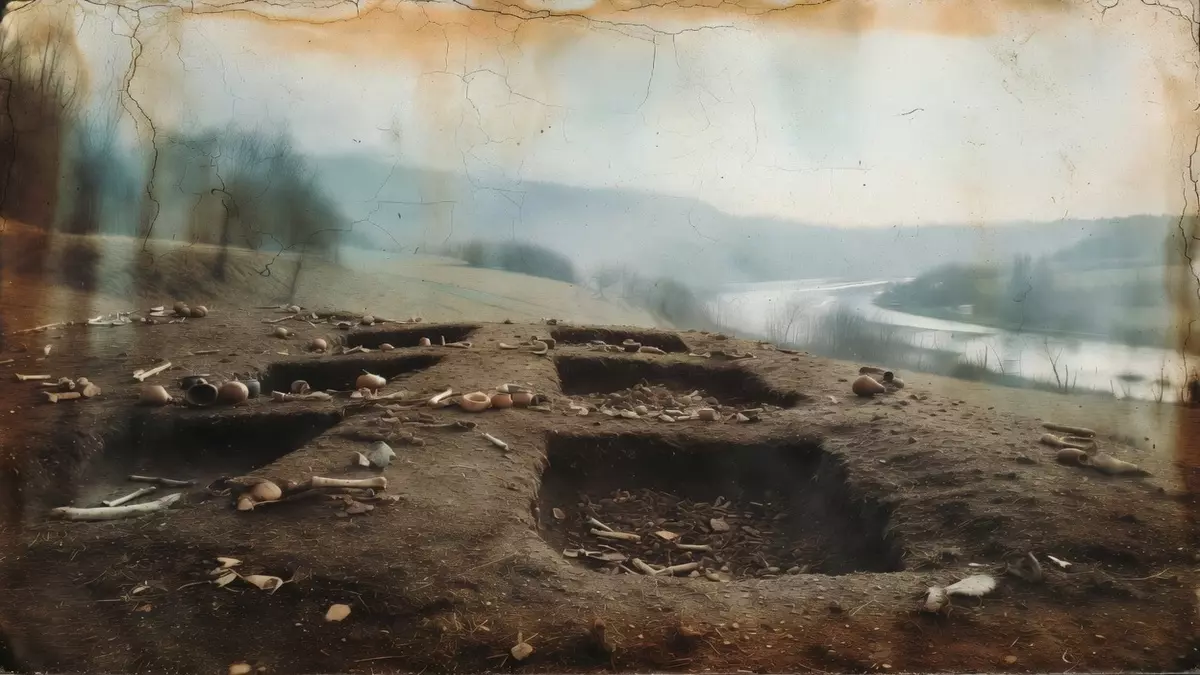
**7,000-Year-Old Beaver Pit Reveals Neolithic Fur Hunting** Archaeologists in Germany have made a fascinating discovery that sheds new light on the daily lives and resourcefulness of Europe’s earliest farmers. A 7,000-year-old pit crammed with beaver bones near the town of Alsleben points to organized hunting practices focused on valuable fur, revealing how Neolithic communities crafted … Read more

1,000 Hidden Nottingham Caves Discovered Beneath English Streets

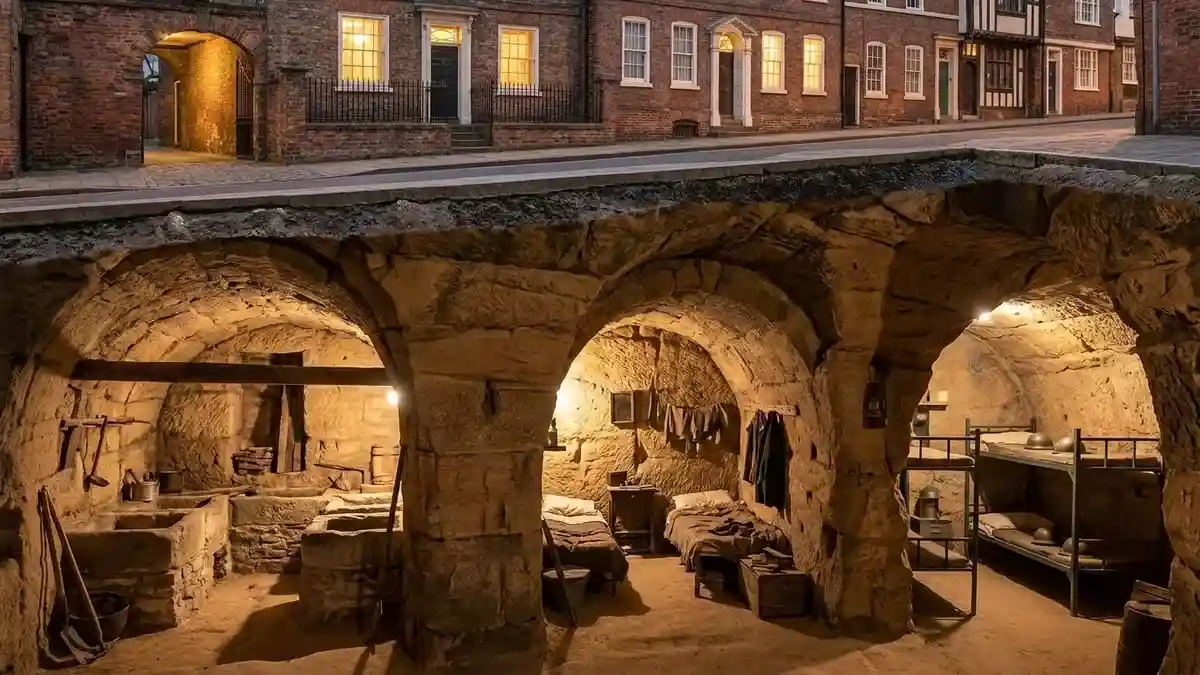
1,000 Hidden Nottingham Caves Discovered Beneath English Streets Deep beneath the bustling modern streets of Nottingham, England, lies a sprawling, subterranean world that has fascinated historians for centuries. In a major archaeological milestone, researchers have officially recorded the 1,000th cave in this massive underground network. This historic achievement is the culmination of decades of meticulous … Read more

6,000 Years of Human Life Found in Spain’s Highest Prehistoric Cave

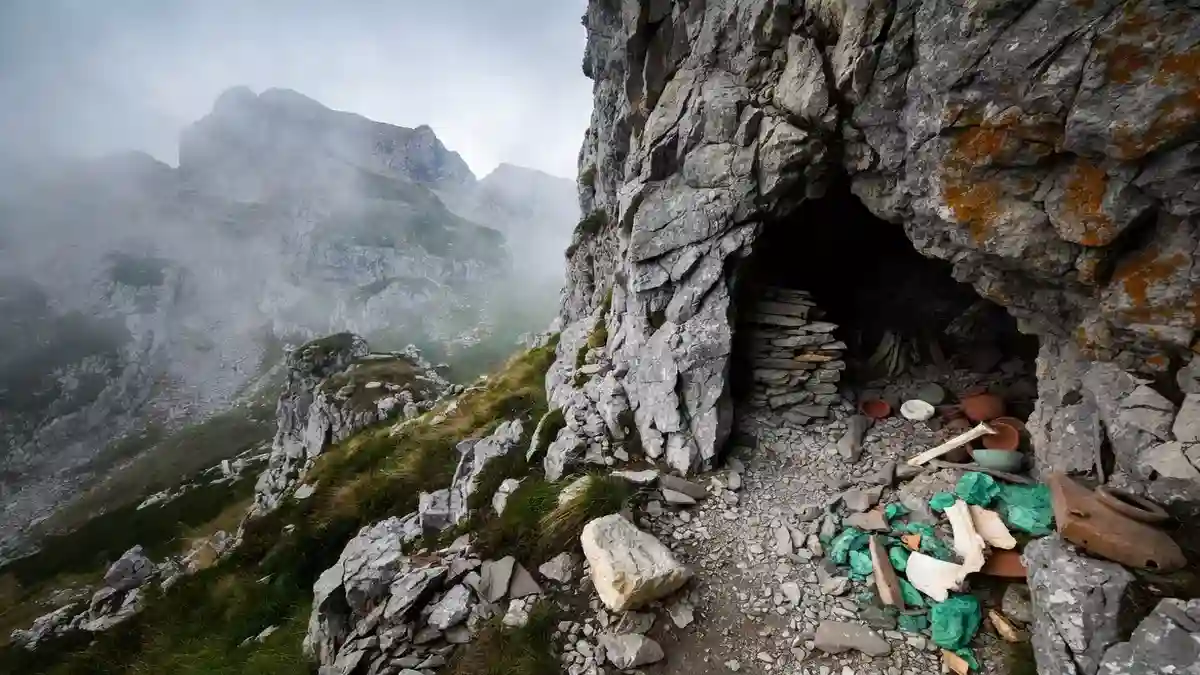
**6,000 Years of Human Life Found in Spain’s Highest Prehistoric Cave** Archaeologists have uncovered remarkable evidence of 6,000 years of repeated human occupation in the highest known prehistoric cave in Spain’s Pyrenees mountains. This groundbreaking discovery at Cova 338 challenges long-held ideas about high-altitude environments and reveals how ancient communities thrived in harsh, elevated landscapes … Read more