
Table of Contents
**Arabic Digital Archive Unlocks Ancient Cuneiform for Modern Readers**
A groundbreaking digital initiative is bridging thousands of years of history with today’s Arabic-speaking audiences. Researchers from Iraq, the United Kingdom, and Sweden have created a new Arabic-language platform that makes one of the world’s largest collections of ancient cuneiform texts accessible like never before. This effort is transforming how people in the Middle East and beyond can connect with the earliest written records of human civilization.
The project opens doors to fascinating insights from ancient Mesopotamia—modern-day Iraq—where scribes first pressed wedge-shaped symbols into clay tablets more than 5,000 years ago. These records document everything from epic tales and legal codes to everyday business deals, offering an unparalleled window into early societies.
Arabic Digital Archive Unlocks Ancient Cuneiform for Modern Readers
### The Birth of Writing: Understanding Cuneiform’s Legacy
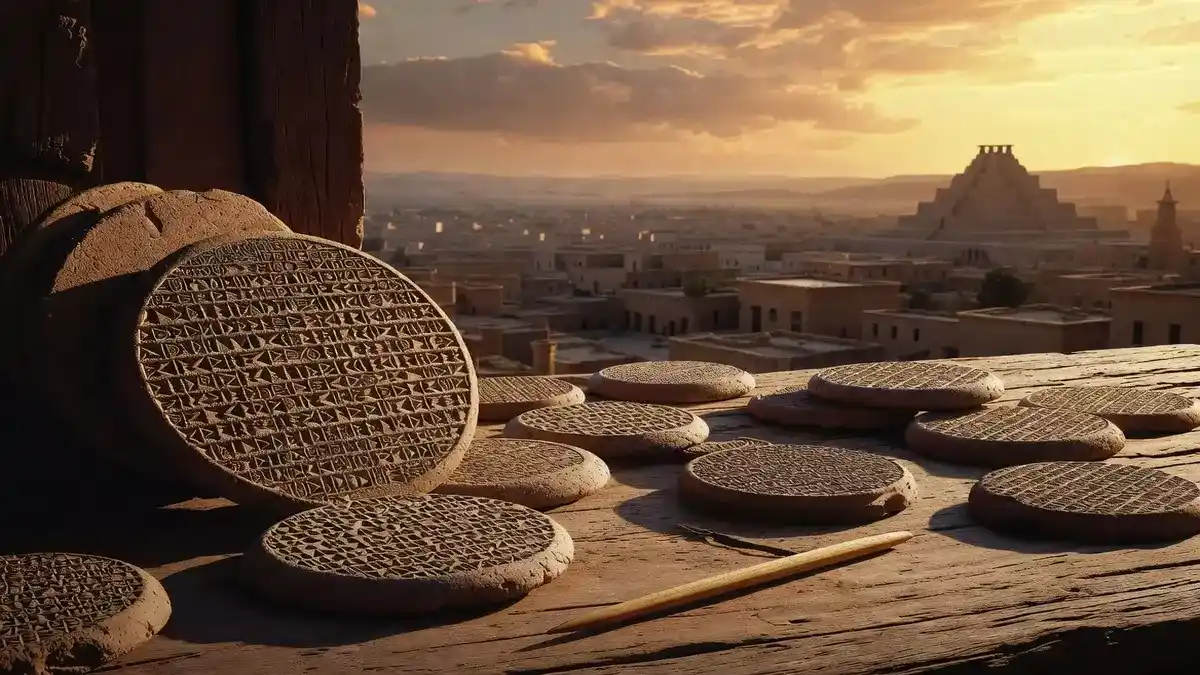
Cuneiform represents one of humanity’s most important inventions. Emerging around 3200 BCE in southern Mesopotamia, it predates alphabetic scripts by over a millennium. Scribes used reed styluses to create wedge-shaped marks on wet clay tablets that were then baked or dried for durability.
These tablets captured the full spectrum of ancient life: trade contracts, royal decrees, medical prescriptions, astronomical observations, religious hymns, and literary masterpieces. Because clay survives well in arid conditions, hundreds of thousands of tablets have endured, forming the backbone of our knowledge about the Sumerians, Akkadians, Babylonians, and Assyrians.

For many in the West, names like the Epic of Gilgamesh or the Code of Hammurabi are familiar. Yet for Arabic speakers in the cradle of this civilization, direct access has been limited—until now. This new platform changes that by removing language barriers that have long kept these treasures distant from their cultural heirs.
### Launch of the CDLI Arabic Interface
The initiative is part of the Cuneiform Digital Library Initiative (CDLI), a long-running effort to digitize and share ancient texts globally. The new Arabic version comes through the Access to Cuneiform Texts project, known as CDLI-ACT.

Collaborators include the University of Al-Qadisiyah in Iraq, the University of York in the UK, and Lund University in Sweden. Their joint work has produced a fully functional Arabic interface that allows users to browse, search, and study these ancient documents in their native language.
Dr. Émilie Pagé-Perron from the University of York’s Archaeology Data Service highlighted how cuneiform texts reveal detailed information about law, literature, science, religion, and economic systems that shaped early human development. Professor Haider Aqeel Al-Qaragholi from Al-Qadisiyah emphasized the project’s importance for reconnecting regional scholars and students with their heritage.
The platform is available at cdli.earth/ar, with additional project details on the main CDLI site.
### Why Access Matters: Overcoming Historical Barriers
Many cuneiform tablets reside in major Western museums today, including the British Museum and the Louvre. During the 19th and early 20th centuries, large collections were excavated and exported from Iraq and surrounding areas. While this preserved the artifacts, it also created significant challenges for local researchers.
Most scholarly catalogs, translations, and studies have historically been published in English, German, or French. This linguistic gap has restricted opportunities for Arabic-speaking students and academics to engage deeply with primary sources from their own region’s history.
The CDLI-ACT project directly addresses this issue. By developing high-quality Arabic resources, it empowers a new generation of scholars in Iraq and across the Middle East to study these texts without needing advanced proficiency in European languages.
Rune Rattenborg from Lund University noted that the initiative helps modern communities reconnect with writings created in their ancestral lands millennia ago. This cultural repatriation through digital means strengthens identity and educational opportunities in the region where cuneiform originated.
### Major Translation Efforts and Content Scope
The team plans to translate approximately 70,000 lines of cuneiform text into Arabic. This ambitious undertaking covers a rich variety of materials:
– **Literary works**: Including portions of the Epic of Gilgamesh, which follows a king’s quest for immortality after losing his friend Enkidu.
– **Legal texts**: Such as the famous Code of Hammurabi, inscribed nearly 4,000 years ago, which established rules for justice, trade, and social order in Babylonian society.
– **Administrative records**: Thousands of tablets detailing temple economies, taxation, and international diplomacy.
– **Scientific documents**: Astronomical observations, mathematical calculations, and medical treatments that demonstrate advanced ancient knowledge.
– **Royal inscriptions**: Chronicles of kings, military campaigns, and building projects.
Importantly, the project provides both scholarly translations for researchers and more accessible versions for general readers and educators. This dual approach ensures the content benefits students, teachers, historians, and curious individuals alike.
### Digital Preservation for Future Generations
Beyond translation, the project prioritizes long-term digital archiving. The Archaeology Data Service at the University of York serves as a secure repository, ensuring these digitized texts remain available for decades to come.
This focus on preservation is crucial. Many physical tablets face risks from environmental factors, conflict, or simple aging. Digital versions create a backup that can be studied without handling fragile originals, while high-resolution images and metadata allow detailed analysis from anywhere in the world.
The collaboration between Iraqi, British, and Swedish institutions also builds international partnerships that strengthen cultural heritage efforts in Mesopotamia.
### Broader Impact on Middle Eastern Education and Research
This Arabic cuneiform platform arrives at a time of growing interest in digital humanities across the Middle East. Universities in Iraq and neighboring countries can now integrate these primary sources into curricula more easily.
Students can explore how ancient Mesopotamian innovations in writing, law, and science influenced later civilizations—including contributions to mathematics, astronomy, and storytelling that echo in modern culture.
The project also supports tourism and cultural awareness. As more people discover these texts online, interest in visiting Iraqi museums and archaeological sites may increase, aiding economic recovery and heritage preservation efforts in the region.
### Connecting Past and Present: Cuneiform’s Relevance Today
Cuneiform texts offer more than historical facts—they provide human stories that resonate across time. From bureaucratic complaints about lazy workers to poetic reflections on mortality, these tablets reveal people not so different from ourselves.
In an era when cultural heritage often faces threats, initiatives like CDLI-ACT demonstrate the power of technology to protect and share the past. They remind us that knowledge belongs to everyone, regardless of geography or language.
As the archive grows, it will likely inspire new research discoveries, artistic interpretations, and educational programs. Future expansions could include interactive tools, virtual exhibits, or AI-assisted translation features to make the material even more engaging.
### The Road Ahead for Cuneiform Studies
The launch of this Arabic interface marks an important milestone, but the work continues. Researchers aim to expand the collection, improve search functions, and develop teaching materials tailored for different age groups and expertise levels.
International cooperation will remain key. By combining local knowledge with global expertise in digital archiving, the project sets a model for similar efforts with other ancient scripts and cultural collections.
For anyone fascinated by ancient history, this development offers an exciting opportunity to explore primary sources that shaped our world. Whether you’re a student in Baghdad, a researcher in Europe, or a curious reader in the United States, the stories preserved in cuneiform are now more reachable than ever.
**Conclusion**
The new Arabic platform for the Cuneiform Digital Library Initiative represents a significant step forward in democratizing access to humanity’s earliest written heritage. Through dedicated international collaboration, researchers have created a valuable resource that honors Mesopotamia’s contributions while empowering Arabic speakers to engage directly with their ancestral legacy. As thousands of texts become available in Arabic, this digital archive promises to enrich education, inspire research, and strengthen cultural connections between the ancient past and the present day. The project stands as a powerful example of how technology can preserve and share our shared human story for generations to come.
### FAQ: Common Questions About the New Cuneiform Arabic Platform
**Q: What is the Cuneiform Digital Library Initiative (CDLI)?**
A: CDLI is a major international project that digitizes and provides open access to ancient Mesopotamian texts. The new Arabic interface makes these resources available to a much wider audience in the Middle East.
**Q: When did cuneiform writing begin?**
A: Cuneiform emerged more than 5,000 years ago around 3200 BCE in ancient Mesopotamia, now part of modern Iraq. It is one of the earliest known writing systems.
**Q: Which famous texts are included in the archive?**
A: The collection features works like the Epic of Gilgamesh, the Code of Hammurabi, royal inscriptions, medical recipes, and thousands of administrative and legal documents.
**Q: Who created the Arabic version of the platform?**
A: The CDLI-ACT project is a collaboration between the University of Al-Qadisiyah in Iraq, the University of York in the UK, and Lund University in Sweden.
**Q: How many lines of text will be translated into Arabic?**
A: Researchers plan to translate approximately 70,000 lines, covering myths, letters, scientific observations, and more, with both academic and general-reader versions.
**Q: Where can I access the Arabic cuneiform platform?**
A: Visit https://cdli.earth/ar to explore the new interface and start discovering these ancient texts.
**Q: Why is this project important for Iraq and the Middle East?**
A: It returns scholarly access to primary sources from the region where writing began, supporting local education, cultural identity, and heritage preservation efforts.