
Table of Contents
9 Ancient Teeth Reveal Diversity Among Europe’s Earliest Neanderthals
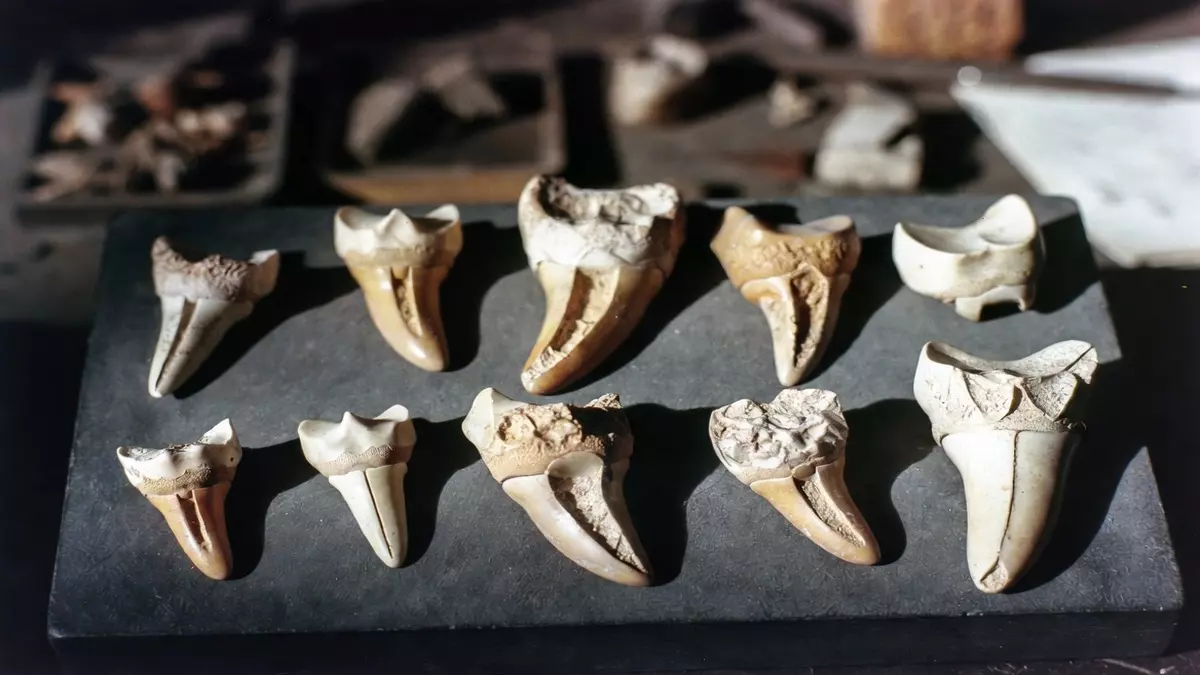
A detailed new study of 250,000-year-old fossil teeth from the Payre site in southeastern France is reshaping our understanding of early Neanderthal evolution. The research reveals surprising regional diversity and variation within Europe’s Middle Pleistocene human populations, showing that Neanderthals developed along more complex paths than previously thought.
The analysis of nine teeth from the Payre site demonstrates that these ancient humans did not follow a simple, linear evolutionary progression. Instead, different groups across Europe developed distinct dental features while maintaining shared ancestral traits. This discovery provides valuable new evidence about how climate shifts, geographic isolation, and population movements shaped our closest extinct relatives.

9 Ancient Teeth Reveal Diversity Among Europe’s Earliest Neanderthals
### The Significance of the Payre Fossil Teeth
The Payre site, located in the Rhône Valley region of France, has yielded important Middle Pleistocene fossils dating to Marine Isotope Stage 7 (MIS 7), a period around 250,000 years ago. This era was marked by significant climate fluctuations that affected habitats across Europe. Human fossils from this time are relatively rare, making the Payre teeth especially valuable for understanding Neanderthal origins.

A team led by researchers from the Centro Nacional de Investigación sobre la Evolución Humana (CENIEH) in Spain used advanced techniques to re-examine the teeth. High-resolution micro-CT scans and geometric morphometric analysis allowed them to study both external shapes and internal structures, including enamel-dentine boundaries and tissue proportions. These modern methods revealed details invisible in earlier studies of the same fossils.
The results show a fascinating mix of traits. Some teeth display features similar to later classic Neanderthals, while others align more closely with earlier Middle Pleistocene populations. This internal variation within a single site suggests that early Neanderthal groups in Europe were more diverse than many researchers previously assumed.
### What the Teeth Tell Us About Neanderthal Evolution
Neanderthals (Homo neanderthalensis) are our closest extinct relatives, known for their robust build, large brains, and sophisticated tool use. However, their evolutionary story in Europe involved multiple waves of migration, isolation, and interaction with other archaic human groups.
The Payre teeth provide a rare snapshot from a critical transitional period:
– Teeth from lower (older) layers show simpler, more primitive dental shapes often linked to earlier European populations.
– Teeth from upper (more recent) layers display more advanced Neanderthal characteristics.
This vertical variation within the site mirrors broader patterns seen across Europe. Some Payre specimens share similarities with fossils from Biache-Saint-Vaast and Montmaurin-La Niche in France. Others show connections to the famous Sima de los Huesos collection from Atapuerca in Spain, which represents an earlier stage of human evolution in Europe.
Such mixed signals suggest that regional populations developed independently for thousands of years before occasional contact and gene flow occurred. This challenges older models that portrayed Neanderthal evolution as a straightforward progression across the continent.
### Climate Change and Neanderthal Population Dynamics
Europe during the Middle Pleistocene experienced dramatic environmental shifts. Glacial and interglacial cycles repeatedly altered landscapes, forcing human groups to adapt, migrate, or become isolated in refugia areas.
These climate-driven changes likely created the perfect conditions for regional diversity. Populations separated by ice sheets, rivers, or mountain ranges developed unique local traits. When conditions improved, groups reconnected, leading to the blended features seen in sites like Payre.
The Payre teeth perfectly illustrate this dynamic. Their combination of ancestral and more derived traits reflects the complex population history of early Neanderthals navigating an unstable Ice Age Europe.
### Advanced Technology Unlocks New Secrets from Old Fossils
One of the most encouraging aspects of this research is how new technology breathed fresh life into previously studied fossils. The Payre teeth were discovered years ago, but modern imaging techniques provided previously unavailable internal data.
Micro-CT scanning creates detailed 3D models of teeth without damaging them. Geometric morphometrics then allows precise measurement and comparison of shapes. This combination reveals subtle differences in crown morphology, root structure, and tissue distribution that help distinguish between closely related populations.
The study demonstrates the continuing value of museum collections. Older fossils, when re-examined with current methods, can yield surprising new insights and help resolve long-standing debates in human evolution research.
### How Payre Fits Into the Broader Neanderthal Story
The Payre site adds important context to other key Middle Pleistocene locations:
– **Sima de los Huesos (Spain)**: Contains hundreds of fossils showing early Neanderthal-like traits.
– **Biache-Saint-Vaast (France)**: Features more derived Neanderthal characteristics.
– **Montmaurin-La Niche (France)**: Shows intermediate forms.
Together, these sites paint a picture of mosaic evolution, where different traits appeared at different times and places rather than uniformly across Europe. The Payre teeth help bridge some of these gaps and support the idea of structured regional populations rather than a single pan-European group.
This regional diversity likely contributed to Neanderthals’ adaptability. By the time classic Neanderthals emerged around 130,000 years ago, they possessed a rich genetic and cultural toolkit developed through thousands of years of varied experiences across the continent.
### Implications for Understanding Human Evolution
This research has wider significance for paleoanthropology. It reinforces the growing consensus that human evolution in Europe was complex and multi-regional. Similar patterns of diversity appear in studies of ancient DNA and other skeletal features.
The findings also highlight the importance of climate as a driver of human evolution. Repeated environmental pressures during the Ice Age encouraged innovation in tool-making, hunting strategies, and social organization — traits that helped Neanderthals thrive for hundreds of thousands of years.
For the public, these discoveries make ancient humans feel more relatable. The people at Payre were not a uniform group marching toward a predetermined future. They were diverse communities adapting to changing worlds, much like humans today.
### Neanderthal Life in Middle Pleistocene Europe
Around 250,000 years ago, early Neanderthals lived as skilled hunters and gatherers. They used sophisticated stone tools, controlled fire, and likely had complex social structures. The Payre region would have offered a mix of forested areas and open landscapes, supporting diverse game animals and plant resources.
Dental evidence suggests varied diets and lifestyles. Tooth wear patterns and microscopic scratches can reveal information about food preparation and processing techniques. The variation seen in the Payre sample may reflect differences in local environments and available resources across generations.
### Future Research Directions
While the Payre study provides important new data, many questions remain. Larger sample sizes from additional sites will help clarify the full range of dental variation. Ancient DNA analysis, when possible on these fossils, could provide genetic confirmation of the relationships suggested by tooth morphology.
Continued excavation at Payre and similar sites may yield more complete skeletons, offering additional insights into body proportions, health conditions, and daily life. New dating techniques and climate modeling will also refine our timeline of Neanderthal evolution.
### Why These Discoveries Continue to Matter
Studies like this remind us that the human story is incredibly deep and complex. Neanderthals were not primitive cavemen but capable, adaptable people who survived harsh conditions for far longer than our own species has existed so far. Understanding their diversity helps us appreciate the rich tapestry of human evolution.
As research techniques improve, we continue to uncover surprising details about our ancient relatives. Each fossil tooth, bone fragment, or DNA sequence adds color to the picture of how modern humans eventually emerged from this complex European landscape.
**Conclusion**
The reassessment of Payre fossil teeth reveals remarkable regional diversity among Europe’s earliest Neanderthals around 250,000 years ago. Rather than evolving in a straight line, these ancient populations developed distinct traits shaped by climate changes, geographic isolation, and occasional contact between groups.
This discovery enriches our understanding of Neanderthal evolution and highlights the power of modern scientific methods to extract new information from long-studied fossils. As researchers continue investigating sites across Europe, we move closer to a more nuanced and complete story of our closest extinct cousins.
The Payre teeth stand as important witnesses to a dynamic period in human prehistory — a time when different Neanderthal communities adapted to a changing world in their own unique ways. Their story reminds us of the deep roots of human resilience and adaptability that continue to define our species today.
**FAQ**
**Q: How old are the Payre fossil teeth?**
A: The teeth date to approximately 250,000 years ago, during Marine Isotope Stage 7 of the Middle Pleistocene.
**Q: How many teeth were analyzed in the study?**
A: Researchers examined nine teeth from the Payre site in southeastern France using advanced 3D scanning techniques.
**Q: What makes the Payre teeth significant?**
A: They show a mix of primitive and more advanced Neanderthal features, revealing regional diversity and complex evolutionary patterns in early Neanderthal populations.
**Q: What methods did scientists use to study the teeth?**
A: The team used micro-CT scanning and geometric morphometric analysis to examine both external shapes and internal dental structures.
**Q: Did all the Payre teeth show the same traits?**
A: No. There was notable variation both within the Payre sample and when compared to other European sites, suggesting regional population differences.
**Q: How does climate affect Neanderthal evolution?**
A: Repeated Ice Age climate shifts caused population isolation and reconnection, driving regional adaptations and contributing to the diversity seen in fossils like those from Payre.
**Q: What other sites show similar Neanderthal variation?**
A: Important comparative sites include Sima de los Huesos in Spain, Biache-Saint-Vaast, and Montmaurin-La Niche in France.