
Table of Contents
**700-Year-Old Mummy Reveals Scarlet Fever in Pre-Columbian Americas**
Archaeologists and scientists have made a stunning discovery that rewrites the timeline of infectious diseases in the Western Hemisphere. DNA extracted from a 700-year-old mummy in Bolivia confirms that the bacterium behind scarlet fever and strep throat was already circulating among Indigenous populations in South America long before European explorers arrived.
This breakthrough, based on advanced ancient DNA analysis, challenges previous assumptions about when and how certain pathogens reached the Americas. It highlights the power of modern science to uncover hidden chapters of human health history preserved in mummified remains.
700-Year-Old Mummy Reveals Scarlet Fever in Pre-Columbian Americas
### The Remarkable Find from Bolivia’s Altiplano
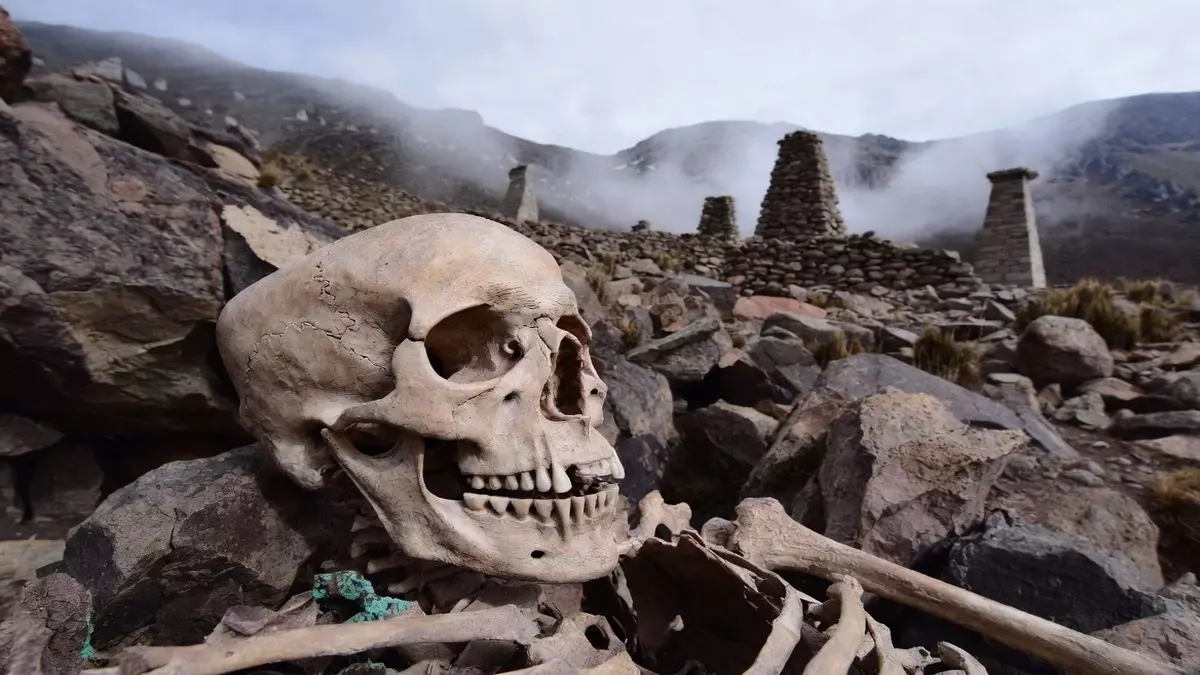
The ancient remains come from the Bolivian highlands, a region known for its cold, dry climate that naturally preserves soft tissues and genetic material. The skull and associated remains, housed at the National Museum of Archaeology in La Paz, likely originated from a *chullpa* — a distinctive above-ground burial tower used by pre-Inca cultures during the Late Intermediate Period.
This era, spanning the time between the decline of the Tiwanaku state and the rise of the Inca Empire, saw significant cultural and social developments across the Andean highlands. The young man lived between 1283 and 1383 CE, placing him firmly in the pre-Columbian period, centuries before Christopher Columbus’s voyages.
Researchers from Eurac Research and international collaborators were initially investigating microbial DNA preserved within the mummified tissue when they made their unexpected discovery inside one of the teeth.
### Groundbreaking Identification of Streptococcus pyogenes
Using sophisticated techniques designed for highly fragmented ancient DNA, the team successfully reconstructed a near-complete genome of *Streptococcus pyogenes*, also known as group A Streptococcus (GAS). This is the first time this bacterium has been definitively identified in ancient human remains anywhere in the world.
*Streptococcus pyogenes* is responsible for common illnesses like strep throat and the more serious scarlet fever, which historically caused high mortality rates among children before antibiotics became available in the 1940s. The ancient Bolivian strain shows striking genetic similarities to modern versions, particularly those causing throat infections rather than skin or invasive diseases.
The genome reconstruction did not rely on modern reference sequences, a significant technical achievement given the degraded state of ancient genetic material. This independent approach strengthens confidence in the results and opens new possibilities for studying other historical pathogens.
### Genetic Insights into the Bacterium’s Deep History
Analysis of the reconstructed genome revealed that this South American lineage diverged from other known strains approximately 10,000 years ago. This timing aligns with the period when early human groups were first settling the Andean region, encountering new environments, animals, and ecosystems.
Such findings suggest the bacterium has a much longer and more complex evolutionary history with humans than previously documented. The presence of key disease-related genes similar to those in contemporary strains indicates that the pathogen’s ability to cause illness has ancient roots.
To broaden their understanding, the researchers re-examined older DNA datasets. They identified previously overlooked traces of *Streptococcus pyogenes* in 35 ancient European individuals dating back about 4,000 years. They also found a related Streptococcus species in 200-year-old gorilla remains from Africa, hinting at deeper evolutionary connections across species and continents.
### Life and Health in the Ancient Andes
Bone analysis indicates the young man suffered from below-average nutritional health, a common challenge in high-altitude environments with limited resources. During this period, populations in the Altiplano were becoming denser and more mobile due to social and economic changes. These conditions likely facilitated the spread of infectious diseases and reduced individual resistance.
While scientists cannot confirm whether this particular individual died from a strep-related illness, the presence of the bacterium confirms it was actively circulating among Indigenous communities. This adds crucial context to our understanding of pre-Columbian health, showing that certain infectious diseases were already part of the human experience in the Americas.
**Key Health and Environmental Factors:**
– High-altitude living with resource limitations
– Increasing population density and mobility
– Natural mummification preserving DNA and tissues
– Tooth sampling providing protected microbial DNA
### Why This Discovery Changes Disease History
For years, many historians and scientists assumed that diseases like scarlet fever were introduced to the Americas through European contact, contributing to devastating population declines after 1492. This Bolivian mummy provides definitive evidence that group A strep was already present and evolving in South America hundreds of years earlier.
The finding does not diminish the tragic impact of new pathogens brought by Europeans, but it refines our understanding of pre-existing disease landscapes. Indigenous populations faced their own set of endemic health challenges long before colonial encounters.
This research also demonstrates how ancient DNA studies can bridge gaps in the historical record. Written accounts from the pre-Columbian Andes are limited, making biomolecular evidence from mummies especially valuable for reconstructing past health conditions.
### Advances in Ancient DNA Technology
The successful recovery and analysis of *Streptococcus pyogenes* DNA represents a major step forward in paleomicrobiology. The methods used here — optimized for ancient, fragmented genetic material — allow researchers to identify pathogens without modern reference bias.
Such techniques are particularly important in high-altitude Andean contexts, where cold and dryness create ideal preservation conditions. Similar approaches could be applied to other mummies and remains across the Americas to build a more comprehensive picture of ancient infectious diseases.
The study, published in *Nature Communications*, sets a new standard for investigating historical pathogens and their long-term relationships with human populations.
### Cultural Context of Chullpa Burials
*Chullpas* served as important burial structures for many Andean cultures. These stone towers, often located in highland landscapes, reflected complex beliefs about death, ancestry, and the afterlife. Multiple individuals were sometimes interred in the same tower over generations, creating communal ancestral sites.
The environmental conditions around these structures — arid, cold, and at high elevation — helped preserve not only human remains but also associated microbes. This preservation offers scientists a unique opportunity to study ancient health in ways not possible in more temperate climates.
### Implications for Modern Medicine and Public Health
Understanding the deep evolutionary history of *Streptococcus pyogenes* has relevance beyond archaeology. Scarlet fever and strep infections remain concerns today, with some strains showing increasing antibiotic resistance. Ancient genomes provide baseline data for tracking how these bacteria have changed over time and adapting current treatments.
This Bolivian strain’s genetic profile, rich in throat-infection-related genes, may help researchers better predict and respond to future outbreaks. Comparative studies with modern strains could reveal patterns of adaptation and virulence.
### Broader Picture of Pre-Columbian Health in the Andes
The Late Intermediate Period was a time of political fragmentation and cultural innovation in the Andes. Communities adapted to high-altitude living through advanced agricultural techniques, trade networks, and social organization. Health challenges, including infectious diseases, were part of this dynamic environment.
The discovery of group A strep adds to growing evidence of diverse microbial experiences among ancient Andean peoples. Other studies have identified tuberculosis, Chagas disease, and various parasites, painting a complex portrait of pre-Columbian health.
As more mummies and remains are studied with non-invasive or minimally destructive methods, our knowledge of ancient American societies will continue to expand.
### Future Research Directions
Scientists plan to expand this work by examining additional mummies and remains from different periods and regions. Identifying more ancient *Streptococcus pyogenes* genomes could help trace migration patterns of both humans and their associated microbes.
Interdisciplinary collaboration between archaeologists, geneticists, microbiologists, and anthropologists will be key to interpreting these findings within their full cultural and environmental contexts.
### Conclusion: A New Chapter in Human-Pathogen History
The 700-year-old Bolivian mummy has revealed a surprising truth: the bacterium causing scarlet fever and strep throat was already thriving in the Americas long before European contact. This discovery enriches our understanding of pre-Columbian health and demonstrates the remarkable resilience of Indigenous communities who navigated complex disease environments for centuries.
By bringing ancient DNA evidence to light, researchers are filling critical gaps in medical history and highlighting the deep connections between humans, their environments, and the microscopic world. As technology advances, more such revelations are likely, offering fresh perspectives on our shared past and valuable lessons for present-day health challenges.
This single tooth from a young man who lived on the Altiplano continues to speak across the centuries, reminding us of the enduring interplay between humanity and infectious disease.
### FAQ: Questions About the Bolivian Mummy and Ancient Scarlet Fever
**How old is the mummy and where was it found?**
The remains date to between 1283 and 1383 CE, making them about 700 years old. They come from the Bolivian Altiplano highlands, likely from a *chullpa* burial tower.
**What bacterium was discovered and what diseases does it cause?**
Researchers identified *Streptococcus pyogenes* (group A strep), which causes strep throat, scarlet fever, and other infections. This is the first confirmed ancient genome of this pathogen.
**Does this mean scarlet fever existed in the Americas before Europeans?**
Yes. The evidence clearly shows the bacterium was present and circulating among Indigenous populations centuries before European arrival in 1492.
**How was the ancient DNA successfully analyzed?**
Scientists used specialized techniques for fragmented ancient genetic material to reconstruct a near-complete genome directly from the tooth sample without relying on modern references.
**What does the genetic divergence date suggest?**
The Bolivian strain separated from other lineages around 10,000 years ago, aligning with early human settlement in the Andes and adaptation to new environments.
**Could the young man have died from strep infection?**
It is possible but not confirmed. Bone analysis shows signs of nutritional stress, which could have increased vulnerability to infections common in denser populations.
**Why is this discovery important for modern science?**
It provides baseline genetic data on pathogen evolution, improves understanding of historical disease spread, and may inform current research on antibiotic-resistant strep strains.