
Table of Contents
**1,900-Year-Old Roman Vial Reveals Feces in Ancient Medicine**
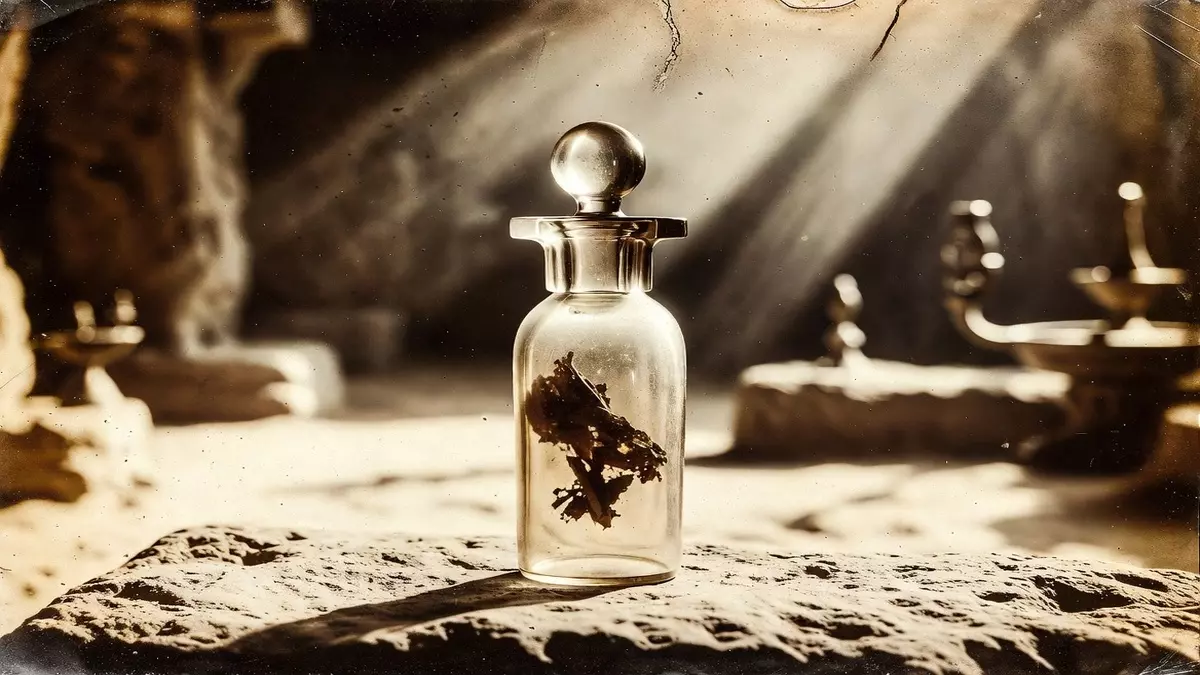
Archaeologists have uncovered the first direct physical proof that ancient Romans used human feces as a key ingredient in medical treatments. Chemical analysis of residue inside a small glass vial from a tomb in Pergamon, Turkey, confirms a surprising mixture of fecal matter and thyme oil. This discovery from a major center of Roman medicine offers a fascinating and sometimes unsettling look at practical healing practices nearly two thousand years ago.
The findings bridge ancient medical texts with tangible archaeological evidence, showing how Roman healers combined unpleasant ingredients with aromatic herbs to create effective—and more tolerable—remedies. It challenges modern assumptions about ancient hygiene and highlights the sophisticated, if unconventional, approaches to health in the Roman Empire.
1,900-Year-Old Roman Vial Reveals Feces in Ancient Medicine
### The Discovery in Pergamon’s Ancient Tomb
Pergamon stood as one of the premier medical hubs in the Roman world during the second and third centuries CE. Home to the famous Sanctuary of Asclepius and linked to the influential physician Galen, the city attracted patients and scholars seeking advanced treatments.
A sealed glass unguentarium recovered from a tomb in this historic location held the crucial evidence. These small, delicate vessels typically appear in Roman graves and settlements, often interpreted as containers for perfumes, oils, or cosmetics. In this case, dark brown flakes clinging to the interior raised questions that laboratory science would soon answer.
Researchers at the Bergama Archaeology Museum noticed similar residues in other stored vials, but this particular example preserved enough material for thorough testing. A tiny sample underwent gas chromatography and mass spectrometry, powerful techniques that identify molecular signatures even after centuries of burial.
### Chemical Proof of Human Feces in Medicine
The analysis detected two key biomarkers: coprostanol and 24-ethylcoprostanol. These compounds form during cholesterol processing in the digestive systems of certain animals. Their specific ratio clearly indicated a human origin rather than animal dung.
Alongside these fecal markers, scientists identified aromatic molecules, most notably carvacrol—the primary active component in thyme essential oil. This deliberate combination of feces and thyme directly echoes descriptions in ancient medical writings, where strong-smelling herbs masked unpleasant odors in remedies.
The pairing was no accident. Roman physicians understood the importance of patient compliance and sensory experience. Thyme’s pungent, herbal fragrance helped make foul-smelling preparations more acceptable, turning potentially repulsive treatments into something patients might actually use.
### Galen, Dioscorides, and Roman Medical Traditions
This archaeological find gains extra significance because of Pergamon’s connection to Galen, one of antiquity’s most famous doctors. Galen documented various dung-based treatments for inflammation, wounds, infections, and even reproductive issues. Other writers like Dioscorides and Pliny the Elder described similar recipes using excrement mixed with herbs.
Until now, historians debated whether these accounts described real practices or served as symbolic or theoretical suggestions. The unguentarium residue provides concrete confirmation that at least some healers followed through on these formulations in everyday medical care.
Roman medicine blended observation, tradition, and experimentation. Dung was valued for its supposed antimicrobial properties or “drawing” abilities in poultices and ointments. While modern science recognizes certain components in feces (such as bacteria or metabolites) that might have limited therapeutic effects, the ancient rationale differed greatly from today’s understanding of hygiene and microbiology.
### Unguentaria: More Than Just Perfume Bottles
Small glass unguentaria were ubiquitous across the Roman Empire. Their elegant shapes and portability made them ideal for storing precious liquids and pastes. Most examples found in graves suggest they accompanied the deceased as offerings for the afterlife or personal possessions.
This study expands our view of their use. Some clearly held complex medicinal concoctions rather than simple fragrances. In Roman culture, the lines between cosmetics, hygiene products, and therapeutic medicines often blurred. A sweetly scented ointment might serve multiple purposes—social grooming, wound care, or internal treatment depending on preparation and dosage.
The sealed nature of this particular vial helped preserve the residue, protecting it from complete degradation over nearly two millennia. Organic materials usually break down quickly, making direct evidence of such remedies extremely rare.
### Odor Control and Patient Experience in Antiquity
The presence of thyme highlights a sophisticated approach to managing the sensory aspects of medicine. Ancient practitioners paid close attention to smell, which carried both diagnostic value and symbolic meaning. Foul odors often signaled disease, while pleasant fragrances represented health and purity.
By masking the earthy, unpleasant scent of fecal matter with thyme, healers demonstrated practical psychology. Patients were more likely to accept and apply treatments that didn’t immediately repel them. This attention to detail reveals a patient-centered element in Roman medicine that goes beyond simple recipe-following.
Cultural discomfort with fecal matter in modern times has likely discouraged deeper investigation into these practices. Yet the archaeological and textual evidence together paint a more complete picture of how Romans addressed illness using available materials.
### Broader Context of Dung-Based Remedies
Using animal and human waste in medicine was not unique to Rome. Many ancient cultures worldwide incorporated dung into healing traditions, from Egyptian papyri to traditional Chinese and Indian systems. Romans drew on Greek precedents while developing their own extensive pharmacopeia.
In a world without antibiotics or advanced sterilization, healers worked with what nature provided. Feces contain diverse microbial communities and chemical compounds that, in specific contexts, might have offered benefits—though often through mechanisms different from those understood today.
The Pergamon unguentarium stands out as the first direct chemical confirmation in the Roman world. Previous studies relied entirely on written sources, which could be misinterpreted or exaggerated. Laboratory analysis now grounds these historical accounts in physical reality.
### Implications for Understanding Roman Daily Life and Health
This discovery enriches our knowledge of Roman pharmacology and material culture. It shows that medical preparations could be complex, multi-ingredient mixtures requiring skill to compound. Healers likely maintained workshops or gathered ingredients carefully, combining local herbs with more challenging components.
The tomb context suggests the vial may have belonged to the deceased or served as a grave good intended for use in the afterlife. Medicine and ritual frequently intertwined in Roman funerary practices.
For scholars of ancient technology, the find underscores the value of re-examining museum collections with modern scientific methods. Residues once overlooked can yield transformative insights when subjected to advanced chemical testing.
### Challenges and Future Research Directions
Organic residues present significant analytical challenges due to degradation over time. The success in this case depended on the vial remaining sealed and the relatively good preservation conditions in the tomb. Future studies may employ even more sensitive techniques to detect similar traces in other artifacts.
Cultural and ethical considerations also play a role. Research into such topics requires sensitivity, balancing scientific curiosity with respect for ancient beliefs and modern sensibilities. As analytical methods improve, more evidence of unconventional Roman remedies will likely emerge.
Interdisciplinary collaboration between archaeologists, chemists, and historians proves essential. Each field brings unique perspectives that together create a fuller understanding of the past.
### Why This Matters for Modern Audiences
Learning about ancient medical practices fascinates people because it reveals both similarities and differences with today’s world. While we no longer use feces in standard treatments, the story highlights humanity’s long quest to combat disease using available resources and creativity.
It also prompts reflection on how cultural taboos evolve. What seemed practical and logical to Romans may seem shocking today, just as some modern practices might puzzle future generations. The discovery humanizes ancient healers, showing them as resourceful professionals navigating the limitations of their era.
For visitors to museums like Bergama, this research adds new layers of meaning to displayed artifacts. A simple glass vial transforms from a decorative object into a window onto real medical history.
### Connecting Text and Artifact in Roman Studies
One of the study’s greatest strengths is how it unites laboratory results with classical texts. Written sources gain credibility when matched with physical evidence, while artifacts gain context from historical descriptions. This approach exemplifies best practices in archaeological science.
Pergamon’s rich heritage as a medical center makes it an ideal location for such a find. The city’s legacy, including Galen’s extensive writings, continues to influence interpretations of Roman healthcare.
As more tombs and settlements undergo detailed residue analysis, researchers expect to uncover additional surprises about daily health practices across the empire.
### Conclusion: A Remarkable Window into Roman Healing
The 1,900-year-old unguentarium from Pergamon provides the first concrete evidence that human feces played a role in Roman medicine, thoughtfully combined with thyme to improve its usability. This small artifact carries a big story about innovation, practicality, and the blurred boundaries between different aspects of ancient life.
By confirming long-debated textual accounts through chemistry, the discovery deepens our appreciation for Roman medical knowledge and the everyday realities of healing in antiquity. It reminds us that our ancestors faced illness with resourcefulness and ingenuity, even when solutions seem unconventional by today’s standards.
As science continues to unlock secrets from the past, artifacts like this vial help bridge ancient and modern worlds, showing the enduring human drive to understand and treat the body. The fragrant yet earthy remedy inside that Roman glass bottle speaks volumes about resilience, adaptation, and the complex history of medicine.
### FAQ: Roman Medicine and the Feces Discovery
**What is an unguentarium?**
A small glass vial commonly used in the Roman Empire to hold oils, perfumes, cosmetics, or medicinal preparations. Many have been found in tombs and settlements.
**How did researchers confirm human feces in the vial?**
Gas chromatography and mass spectrometry detected specific biomarkers (coprostanol and 24-ethylcoprostanol) whose ratios indicated human digestive origins.
**Why add thyme to fecal medicine?**
Thyme’s strong aromatic compounds, particularly carvacrol, masked the unpleasant smell, making the remedy more acceptable to patients as described in ancient medical texts.
**Which famous Roman physician is linked to Pergamon?**
Galen, one of antiquity’s most influential doctors, worked and studied in Pergamon and documented dung-based treatments for various conditions.
**Does this mean Romans regularly used feces in medicine?**
It confirms that such practices existed and followed written recipes, though the frequency is difficult to determine. Boundaries between different types of remedies were fluid.
**Why is this finding important for archaeology?**
It provides the first direct chemical evidence for dung-based medicine in the Roman world, validating historical texts and highlighting the value of residue analysis on artifacts.