
Table of Contents
**DNA Confirms Rare Dwarfism in 12,000-Year-Old Italian Teen**
Archaeologists and geneticists have made a remarkable discovery that pushes back the timeline of the earliest known genetic diagnosis in a modern human. A teenage girl who lived more than 12,000 years ago in southern Italy suffered from a rare form of dwarfism, revealed through ancient DNA analysis. This finding not only identifies the specific genetic cause of her condition but also sheds light on compassion and social support within Stone Age hunter-gatherer communities.
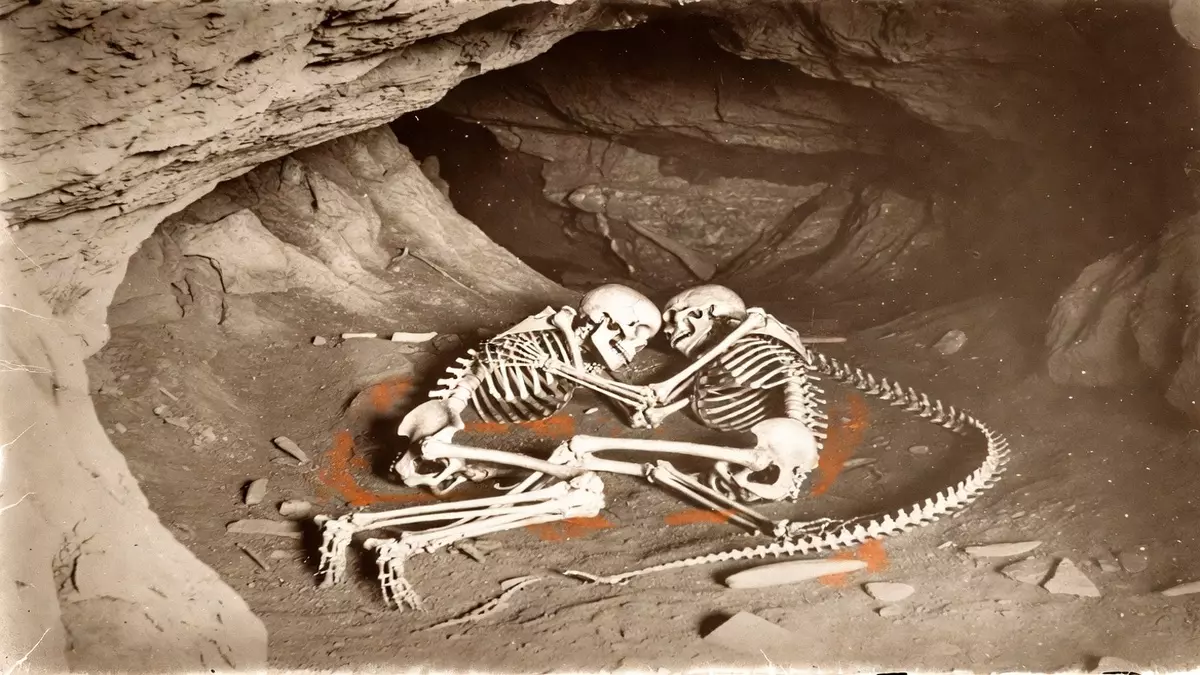
The double burial from Grotta del Romito cave tells a powerful human story: a mother and daughter buried in a tender embrace, both affected by mutations in the same gene. Their remains offer a window into prehistoric life, family bonds, and how communities cared for individuals with disabilities during the challenging transition out of the Ice Age.
DNA Confirms Rare Dwarfism in 12,000-Year-Old Italian Teen
### The Discovery at Grotta del Romito
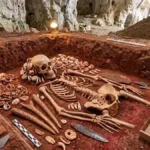
In 1963, excavators uncovered a poignant double burial in Grotta del Romito, a limestone cave in Calabria, southern Italy. Two skeletons lay intertwined, suggesting a close relationship. For decades, researchers assumed one was male, but new genetic testing has rewritten that narrative.
The younger individual, nicknamed Romito 2, was a teenage girl who stood only about 110 centimeters (roughly 3 feet 7 inches) tall. Her adult companion, Romito 1, measured around 145 centimeters (about 4 feet 9 inches), notably shorter than typical adults of the period. Neither skeleton showed signs of traumatic injury, pointing instead to a congenital condition.
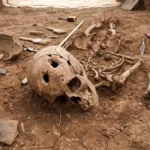
Advanced DNA extracted from the inner ear bones provided definitive answers. Both were female and first-degree relatives—most likely mother and daughter. This intimate family burial from the late Pleistocene/early Holocene period now stands as a landmark case in paleogenomics.
### Unraveling the Genetic Cause: NPR2 Mutation
The breakthrough came from identifying a homozygous mutation in the NPR2 gene in Romito 2. This mutation causes acromesomelic dysplasia, Maroteaux type (AMDM), a rare skeletal disorder leading to severe shortening of the limbs while the torso remains relatively normal. Romito 1 carried only one copy of the mutated gene, resulting in milder short stature.
This represents the oldest confirmed genetic diagnosis of a skeletal dysplasia in an anatomically modern human. The genetic profile perfectly matches clinical observations seen in living patients with the same condition, validating both ancient and modern medical understanding.
Researchers combined expertise from paleogenomics, clinical genetics, and physical anthropology. Teams from the University of Vienna, Sapienza University of Rome, and Liège University Hospital Centre collaborated on the study, published in the *New England Journal of Medicine*.
### Life and Survival in the Mesolithic Era
Romito 2 lived during a transformative time. Around 12,000 years ago, Europe was emerging from the last Ice Age. Hunter-gatherer groups belonging to the Villabruna genetic cluster were expanding across the continent from southern refugia.
Despite severe physical limitations that would have affected mobility, reaching, and daily tasks, Romito 2 survived into her teenage years. This longevity strongly suggests her community and family provided dedicated support—assisting with food gathering, protection, and daily care. In a world where survival depended on mobility and resource acquisition, such cooperation highlights remarkable social bonds and empathy among prehistoric peoples.
The absence of trauma on both skeletons further supports a picture of care rather than neglect. Their burial together in an embrace reinforces the idea of enduring family ties that transcended physical challenges.
### Broader Context of Rare Diseases in Prehistory
This case demonstrates that rare genetic disorders have existed throughout human history, not just as products of modern environments or pollution. Co-author Dr. Adrian Daly emphasized that conditions affecting growth and stature have always posed challenges, yet ancient DNA now allows us to trace them directly.
Rare diseases like AMDM occur when both copies of a critical gene are mutated. NPR2 plays a key role in regulating bone growth through signaling pathways. Homozygous individuals experience profound effects, while carriers may show subtler traits, as seen with Romito 1.
The study opens exciting possibilities. Ancient genome analysis can now identify other hidden genetic conditions, helping researchers understand the full spectrum of human variation and health across millennia. It also bridges clinical medicine with archaeology, showing how tools developed for today’s patients can illuminate the past.
### Social Implications: Care and Inclusion in Hunter-Gatherer Societies
The survival of Romito 2 challenges stereotypes about prehistoric life as relentlessly harsh and unforgiving toward the vulnerable. Her ability to reach adolescence in a mobile foraging society implies deliberate community investment—perhaps through sharing resources, carrying her during moves, or adapting group activities.
Such evidence adds to a growing body of research showing that Paleolithic and Mesolithic groups practiced forms of social support. From healed injuries in other fossils to artistic depictions and careful burials, the archaeological record reveals humanity’s long tradition of compassion.
This Italian case is particularly compelling because it involves a genetic condition present from birth, requiring long-term care. It suggests that family and band-level cooperation was sophisticated enough to accommodate significant disabilities, enhancing group resilience and social cohesion.
### Scientific Techniques Powering the Breakthrough
Extracting usable DNA from 12,000-year-old bones is a major technical achievement. The inner ear region often preserves genetic material better due to dense bone structure. High-throughput sequencing and careful contamination controls allowed researchers to generate reliable profiles.
Physical anthropology provided complementary data: measurements of limb proportions, joint morphology, and overall stature aligned precisely with the genetic diagnosis. This multidisciplinary integration strengthens confidence in the results and sets a model for future studies.
The Villabruna genetic affinity places the Romito individuals within a key population that contributed ancestry to later European groups, offering additional insights into post-glacial migrations and adaptations.
### Connections to Modern Medicine and Genetics
Today, individuals with NPR2-related disorders still face daily obstacles, from mobility issues to social stigma. Emerging treatments targeting related growth pathways bring hope for better management. The ancient case underscores the continuity of these challenges while celebrating scientific progress.
By confirming the mutation’s effects thousands of years ago, researchers gain perspective on how such conditions persisted in small, isolated populations. It also raises questions about genetic diversity, founder effects, and natural selection in prehistoric Europe.
This research highlights the value of studying ancient DNA not just for ancestry but for functional medical insights. As more genomes become available, scientists anticipate diagnosing additional rare diseases, potentially revealing patterns in human evolutionary health.
### The Significance of Grotta del Romito
Grotta del Romito is a treasure trove for understanding early Holocene Italy. The cave contains evidence of repeated human occupation, rock art, and multiple burials. The double burial of Romito 1 and 2 stands out for its emotional character and now, its genetic importance.
Such sites help reconstruct the lifeways of people adapting to warming climates, changing vegetation, and new resource opportunities. The care shown to Romito 2 fits within a broader narrative of human adaptability and social intelligence.
### Looking Ahead: Future Ancient DNA Research
This study paves the way for expanded paleogenetic investigations into health and disease. As techniques improve and more samples are analyzed ethically, we can expect discoveries about everything from infectious diseases to metabolic disorders in the deep past.
Collaborations between archaeologists, geneticists, and clinicians will continue to yield rich results, humanizing our ancestors and informing contemporary discussions about disability, inclusion, and medical history.
### Conclusion: A Touching Story of Ancient Resilience
The 12,000-year-old case of Romito 2 reveals far more than a genetic mutation. It illuminates a young girl’s life, her family’s love, and her community’s support amid physical challenges in a demanding Stone Age world. Through ancient DNA, we gain not only scientific data but a profoundly human connection across vast time.
This discovery enriches our understanding of prehistoric societies while reminding us that vulnerability and care are timeless aspects of the human experience. As genetic technologies advance, more hidden stories from our past will emerge, deepening appreciation for the resilience, compassion, and complexity of our ancestors.
The embrace preserved in Grotta del Romito continues to speak across millennia—a testament to enduring family bonds and the shared humanity that links us to the distant past.
### FAQ: Rare Dwarfism and Ancient DNA in Prehistoric Italy
**What condition did Romito 2 have?**
She had acromesomelic dysplasia, Maroteaux type, caused by a homozygous mutation in the NPR2 gene, leading to severe limb shortening and short stature.
**How were the two individuals related?**
Genetic analysis confirmed they were first-degree relatives—likely mother and daughter—both female, buried together in an embrace.
**Why is this genetic diagnosis significant?**
It represents the earliest known confirmed genetic diagnosis of a skeletal disorder in an anatomically modern human, proving rare diseases existed deep in prehistory.
**Did Romito 2 receive care from her community?**
Yes. Surviving to adolescence despite major mobility limitations strongly indicates support from family and group members for food, protection, and daily needs.
**What genetic group did they belong to?**
Both were part of the Villabruna cluster, hunter-gatherers who expanded across Europe from southern refugia after the last Ice Age.
**How does this research help modern medicine?**
It validates clinical understanding of NPR2 mutations and demonstrates how ancient DNA can uncover hidden genetic conditions, potentially guiding future treatments.