
Table of Contents
**Nottingham Hits 1,000 Underground Caves Milestone**
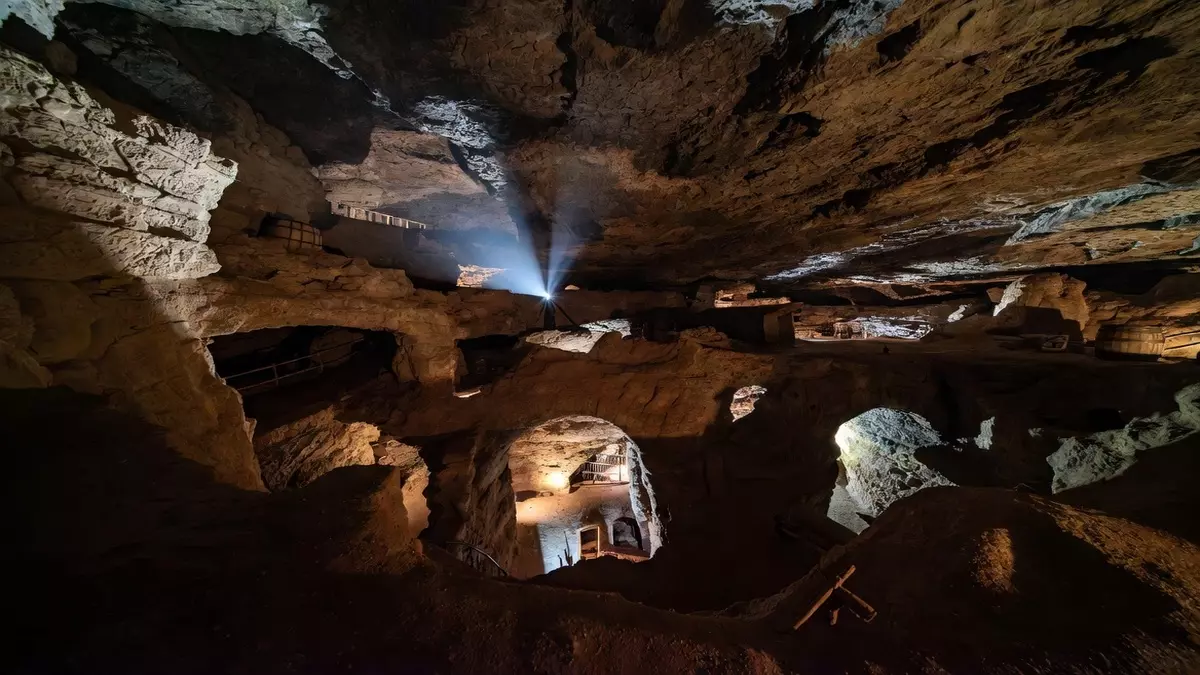
Nottingham, England, has achieved a remarkable archaeological milestone by documenting its 1,000th underground cave beneath the city streets. This impressive total reflects centuries of human ingenuity in carving into the soft sandstone bedrock, creating a hidden network that supported daily life, industry, and survival through many eras of British history.
The landmark achievement highlights Nottingham’s unique geology and rich subterranean heritage. What began as practical excavations for storage and shelter has evolved into one of the most extensive urban cave systems in the United Kingdom, offering fascinating insights into how residents adapted to their environment over more than a thousand years.
Nottingham Hits 1,000 Underground Caves Milestone

### The Long Journey to Recording 1,000 Caves
Systematic documentation of Nottingham’s caves started in the late 2000s, when archaeologists had recorded roughly 425 known sites. Since then, dedicated research combining historical records, fieldwork, and redevelopment surveys has more than doubled that number. Recent years have seen an acceleration, with dozens of new caves added annually as experts review old maps, property deeds, and municipal archives.
City archaeologist Scott Lomax has played a central role in this effort. His team continues to process hundreds of additional historical references, suggesting the total will keep growing. Each new entry adds depth to our understanding of how generations shaped the landscape beneath their feet.

### Why Nottingham’s Sandstone Made Cave-Building Possible
The city sits atop soft, easily carved sandstone, a geological gift that encouraged underground construction from early times. Historical accounts as far back as the ninth century described Nottingham as a “house of caves,” indicating the practice was already well established in the first millennium.
Medieval residents expanded the network for practical purposes. Caves served as cool storage rooms, workshops, and places of refuge. As the city grew, later periods brought new functions. During the 19th century, rapid urbanization led to cave dwellings carved beneath overcrowded neighborhoods. Industrial activities, such as tanning and malting, also utilized underground spaces for their consistent temperatures and humidity control.

### Famous Areas and Everyday Underground Life
One particularly evocative site lies beneath the former Broadmarsh shopping district in the Drury Hill and Narrow Marsh area. Here, families once lived in cave-like rooms dug directly into the rock, a testament to the housing pressures of industrial-era Britain. These modest dwellings provide a poignant glimpse into the lives of working-class residents who made the most of limited surface space.
Pub cellars represent another common use. Many historic public houses feature extensive underground chambers perfect for storing beer barrels at ideal cool temperatures. Some of these spaces remain connected to active businesses today, quietly continuing their original purpose.
During World War II, parts of the cave network transformed into air raid shelters, protecting civilians during the Blitz. This wartime adaptation added yet another chapter to the caves’ long story of resilience and utility.
### Modern Challenges and Opportunities
Today, many caves lie beneath private properties, often unknown to current owners until historical research brings them to light. While some property owners express concerns about structural stability, assessments generally show the systems are remarkably sound. In several cases, inspected caves have been safely converted into modern recreational rooms, wine cellars, or storage areas.
Archaeologists emphasize the importance of early mapping before any construction or renovation work. This proactive approach helps prevent accidental damage and ensures that significant sites receive proper protection or documentation.
Nottingham’s City of Caves attraction allows visitors to experience these underground wonders firsthand. Sections of former industrial and residential caves beneath the Broadmarsh area offer guided tours, connecting the public directly with the city’s hidden history.
### Recent Discoveries During Urban Development
Ongoing construction and redevelopment projects continue to reveal previously unrecorded chambers. Recent finds include an 18th-century sand mine, a 19th-century beer cellar, and extending tunnel systems that push beyond earlier boundaries. Each discovery contributes fresh details to the evolving picture of Nottingham’s subterranean landscape.
The caves are not uniformly distributed. Some remain sealed for safety, while others feature protected entrances. Their varied conditions reflect the city’s changing needs across different historical periods—from medieval craftwork to industrial production and wartime protection.
### Historical Significance and Cultural Value
The expansion of the recorded cave total underscores how deeply underground features are woven into Nottingham’s identity. These spaces tell stories of adaptation, innovation, and survival. From early medieval storage to 19th-century housing solutions and 20th-century shelters, the caves mirror broader social and economic shifts in English urban history.
The sandstone bedrock not only enabled construction but also preserved many sites remarkably well. Tool marks, graffiti, and architectural details from centuries ago remain visible in many locations, offering direct physical connections to past generations.
This milestone also demonstrates the value of persistent archaeological research. What started as a modest catalog has become a major resource for historians, urban planners, and the public. It sets an example for other cities built on similar geology to investigate and document their own hidden heritage.
### Looking Ahead: More Caves Still to Be Found
With hundreds of records still awaiting full investigation, experts anticipate the number will continue rising. New technologies and careful examination of historic documents will likely uncover additional sites. The pattern of discoveries suggests many more caves remain undocumented beneath modern Nottingham.
Preservation efforts focus on balancing urban development with heritage protection. By mapping and assessing caves early, the city can safeguard these irreplaceable features while allowing responsible growth.
Public interest in Nottingham’s caves remains strong. The combination of mystery, history, and accessibility makes them a compelling attraction for both locals and tourists interested in Britain’s underground past.
### Broader Context of British Subterranean Heritage
Nottingham’s achievement stands out within the wider landscape of British cave systems. While other cities have notable underground features, few match the scale and continuity documented here. The caves complement above-ground heritage sites, creating a three-dimensional picture of the city’s development.
This work also contributes to academic research on urban archaeology, medieval industry, and 19th-century living conditions. It provides valuable data for understanding how communities responded to environmental opportunities and challenges across time.
### Conclusion: Celebrating Nottingham’s Hidden World
Reaching 1,000 recorded caves marks a proud milestone for Nottingham and British archaeology. These underground spaces represent centuries of human creativity and resilience, carved into the sandstone by generations seeking practical solutions to daily needs.
From medieval workshops and Victorian dwellings to wartime shelters and modern attractions, the caves embody the city’s layered history. As research continues and more sites come to light, Nottingham’s subterranean heritage will keep revealing new stories about the people who shaped—and were shaped by—this remarkable underground world.
This achievement invites everyone to appreciate the hidden dimensions of our cities. Beneath busy streets and modern buildings lies a fascinating legacy waiting to be explored and preserved for future generations. Nottingham’s 1,000 caves stand as a powerful reminder of how deeply the past remains connected to the present.
### FAQ: Nottingham’s Underground Caves Milestone
**How many caves have been recorded in Nottingham?**
The city has now documented 1,000 underground caves, more than doubling the number known in the late 2000s through ongoing research and fieldwork.
**Why could people carve so many caves in Nottingham?**
The city sits on soft sandstone that is relatively easy to excavate, making it ideal for creating storage rooms, dwellings, and workshops across centuries.
**What were the caves used for historically?**
Uses included medieval storage and workshops, 19th-century housing and industry, beer cellars for pubs, and air raid shelters during World War II.
**Are the caves safe beneath modern buildings?**
Most are structurally stable according to assessments. Many have been safely adapted for contemporary use, while others are mapped and monitored during development.
**Can visitors explore Nottingham’s caves?**
Yes. The City of Caves attraction offers public access to preserved sections, providing an immersive experience of the city’s underground history.
**Will more caves be discovered in the future?**
Absolutely. Hundreds of historical records remain under review, and new finds continue to emerge during construction projects, suggesting the total will keep growing.