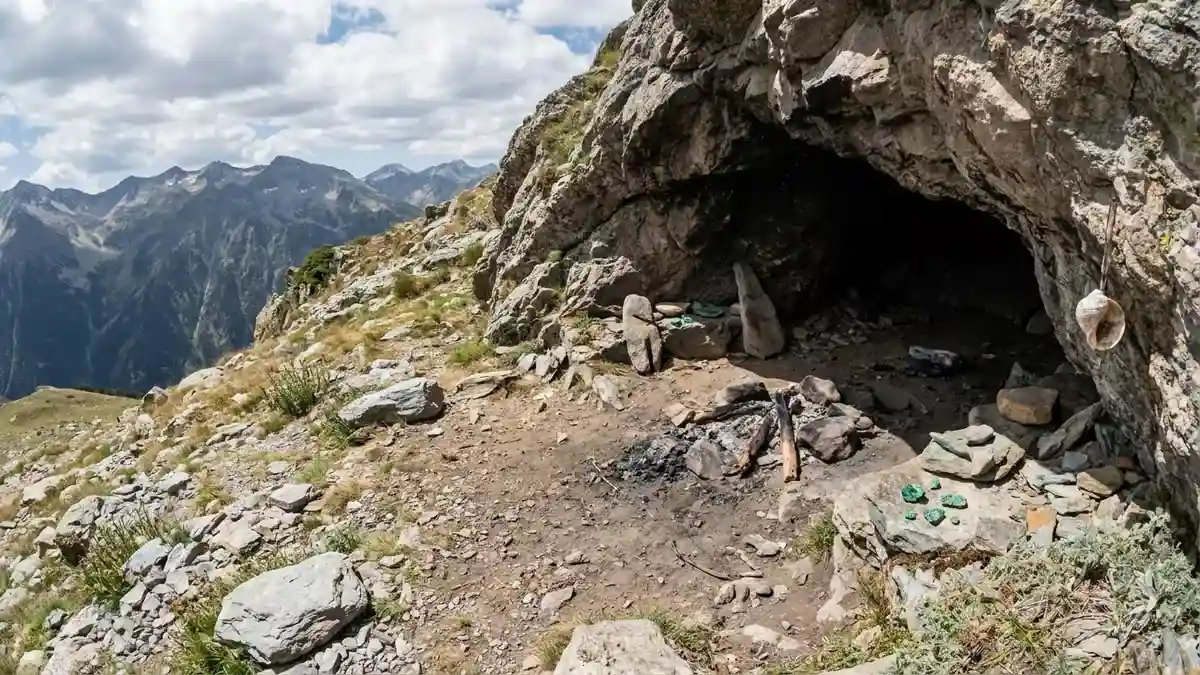
Prehistoric High-Altitude Life: 6,000 Years of Occupation in the Pyrenees

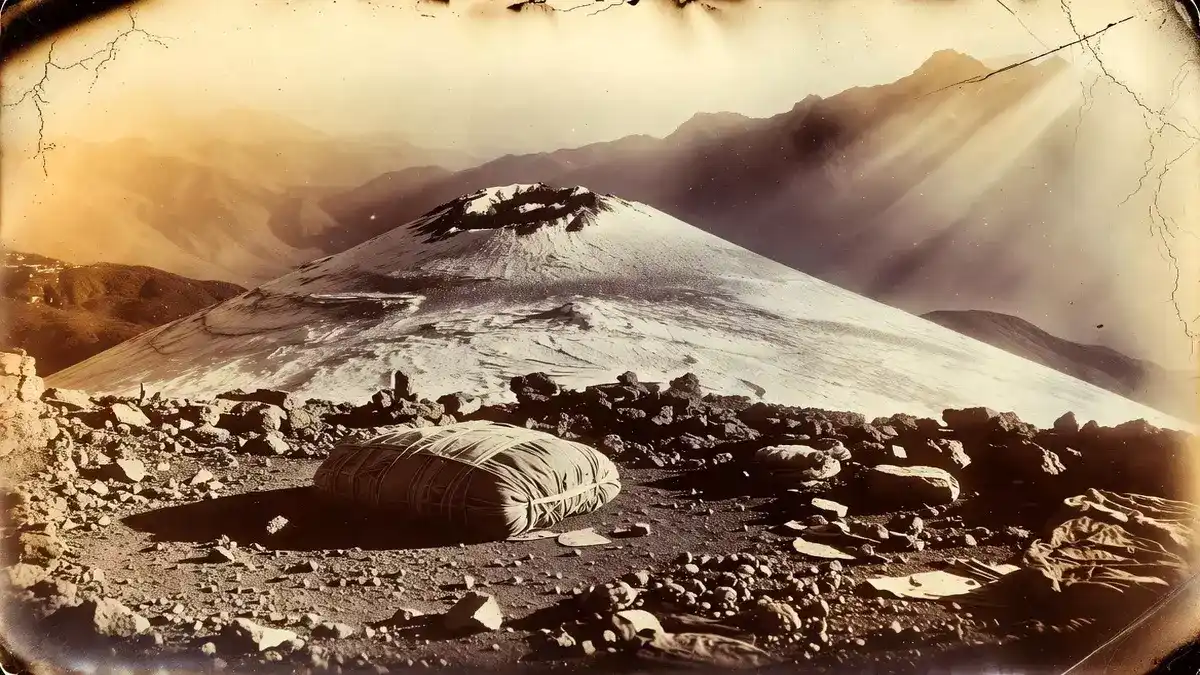
Prehistoric High-Altitude Life: 6,000 Years of Occupation in the Pyrenees For decades, the conventional wisdom in archaeology was that prehistoric humans viewed the high-altitude regions of the Pyrenees as hostile, marginal zones, visited only by chance or in extreme circumstances. A groundbreaking discovery at “Cova 338” in Spain’s Núria Valley is now completely overturning that … Read more
Elite Anglo-Saxon Burials and Sacrificed Horse Found Near Sizewell

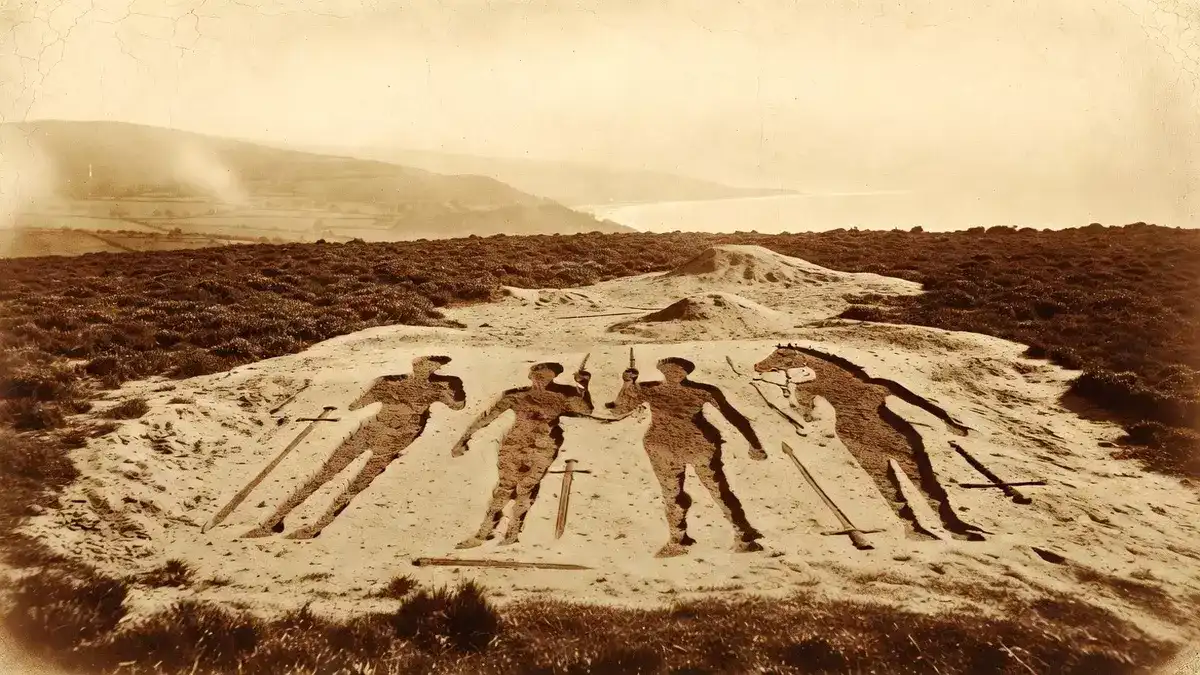
**Elite Anglo-Saxon Burials and Sacrificed Horse Found Near Sizewell** Archaeologists have uncovered a remarkable early medieval cemetery in Suffolk, eastern England, revealing high-status burial practices from the sixth and seventh centuries. The discovery, made during surveys for the Sizewell C nuclear power project, includes at least 11 burial mounds and a range of graves that … Read more

Ancient Finnish Ochre Trade Reveals Prehistoric Social Networks

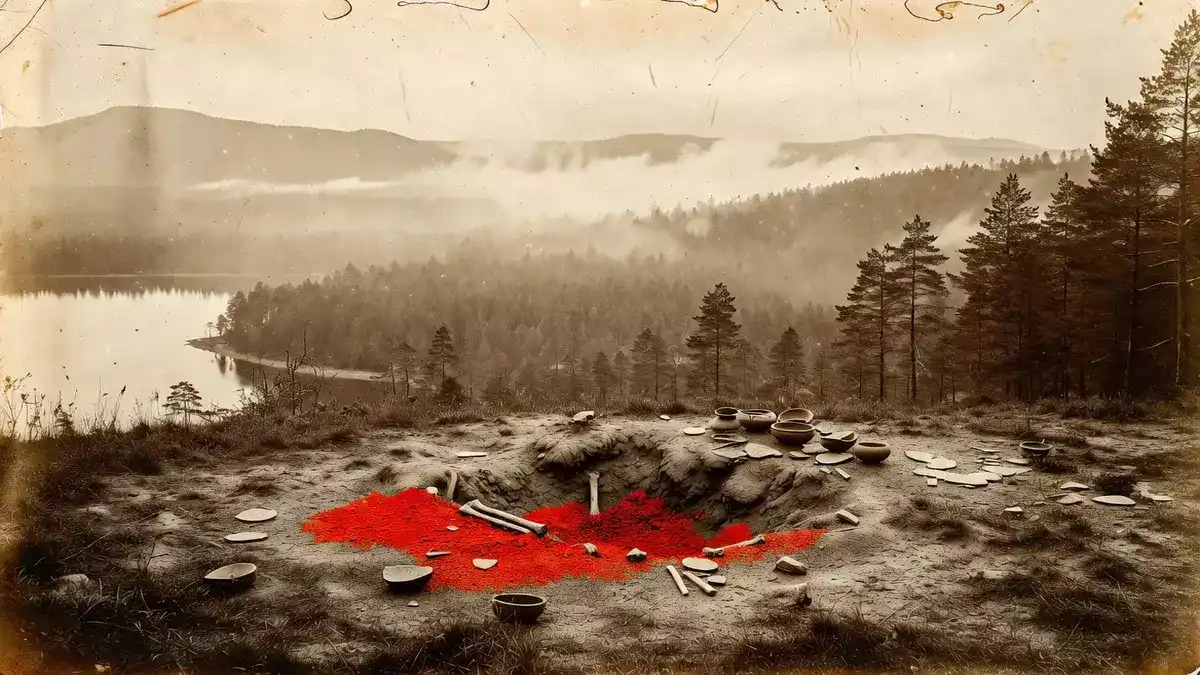
**Ancient Finnish Ochre Trade Reveals Prehistoric Social Networks** Archaeologists have uncovered compelling evidence of sophisticated social connections among ancient hunter-gatherers in Finland through the chemical analysis of red ochre. Between 6,000 and 5,500 years ago, members of the Typical Comb Ware culture used this vibrant iron-rich pigment not just for decoration, but as a powerful … Read more

First Deliberate Mummification Found in Inca Child Sacrifices

**First Deliberate Mummification Found in Inca Child Sacrifices** Archaeologists have made a startling discovery that reshapes our understanding of Inca religious rituals. Using advanced CT scans, researchers have identified the first clear evidence of deliberate mummification performed on a child victim of the capacocha sacrifice. This practice, long known from Spanish colonial accounts, involved offering … Read more

Severe Droughts Forced Ancient Bison Hunters to Abandon Montana Site

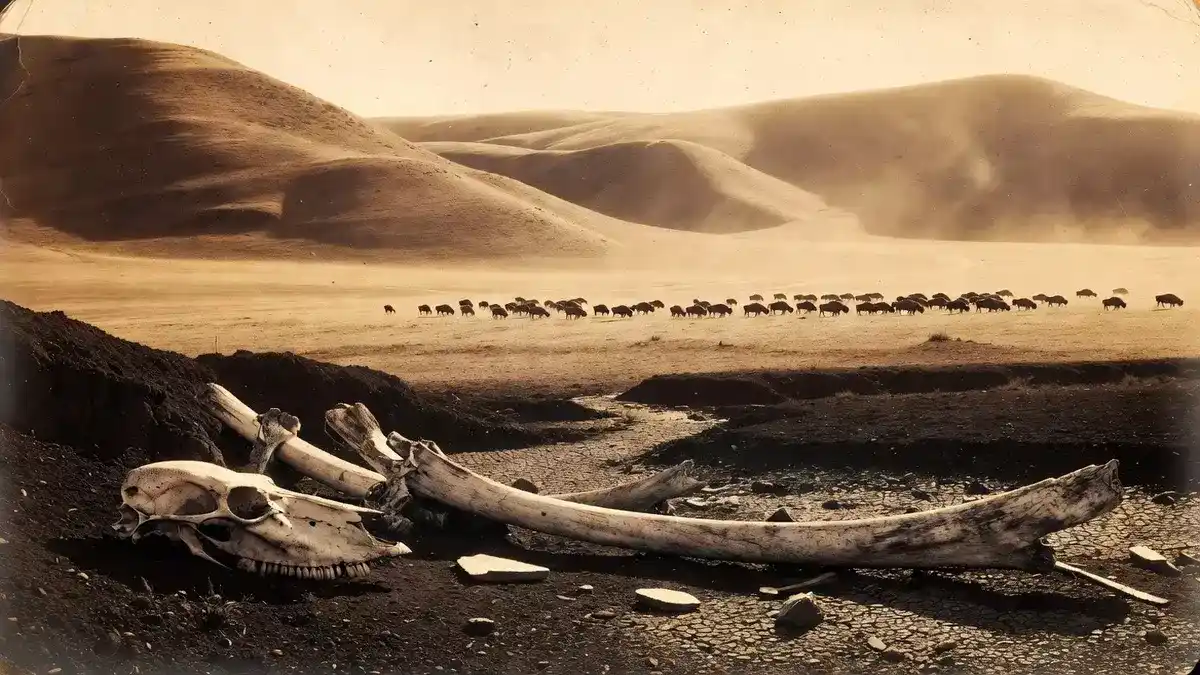
**Severe Droughts Forced Ancient Bison Hunters to Abandon Montana Site** Around 1,100 years ago, Indigenous bison hunters in central Montana suddenly stopped using a reliable kill and processing site they had returned to for roughly 700 years. New archaeological and paleoecological research reveals that severe droughts played a major role in this abandonment, even though … Read more

7,000-Year-Old Beaver Bones Reveal Neolithic Fur Hunting

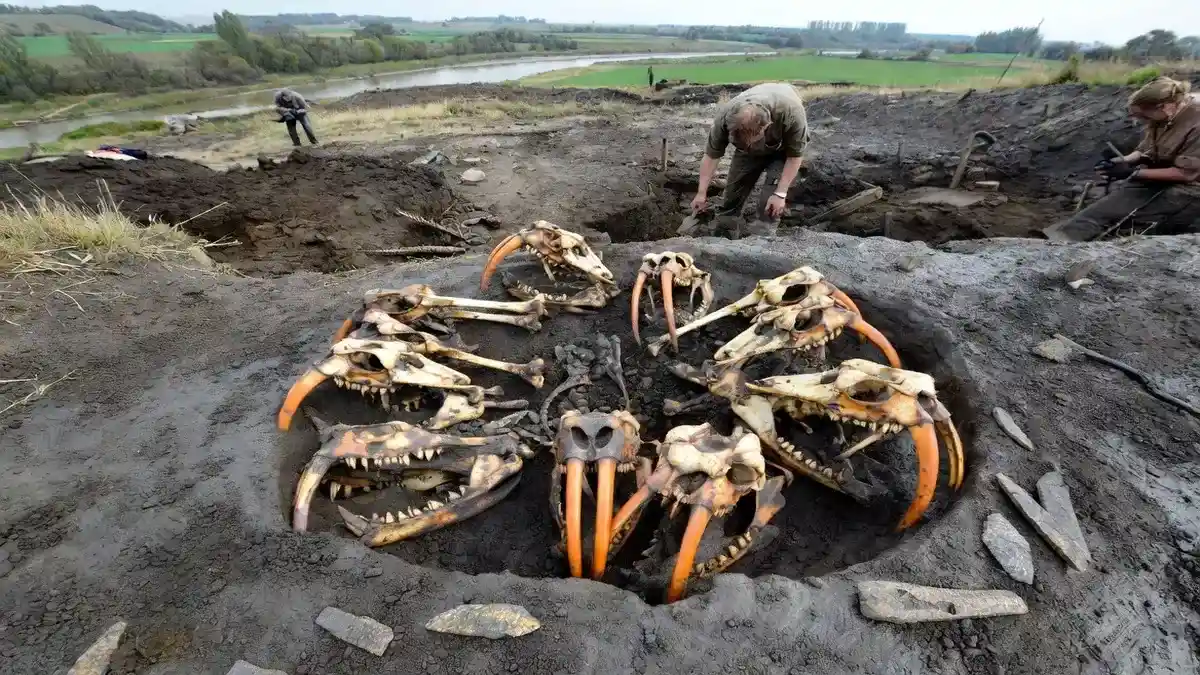
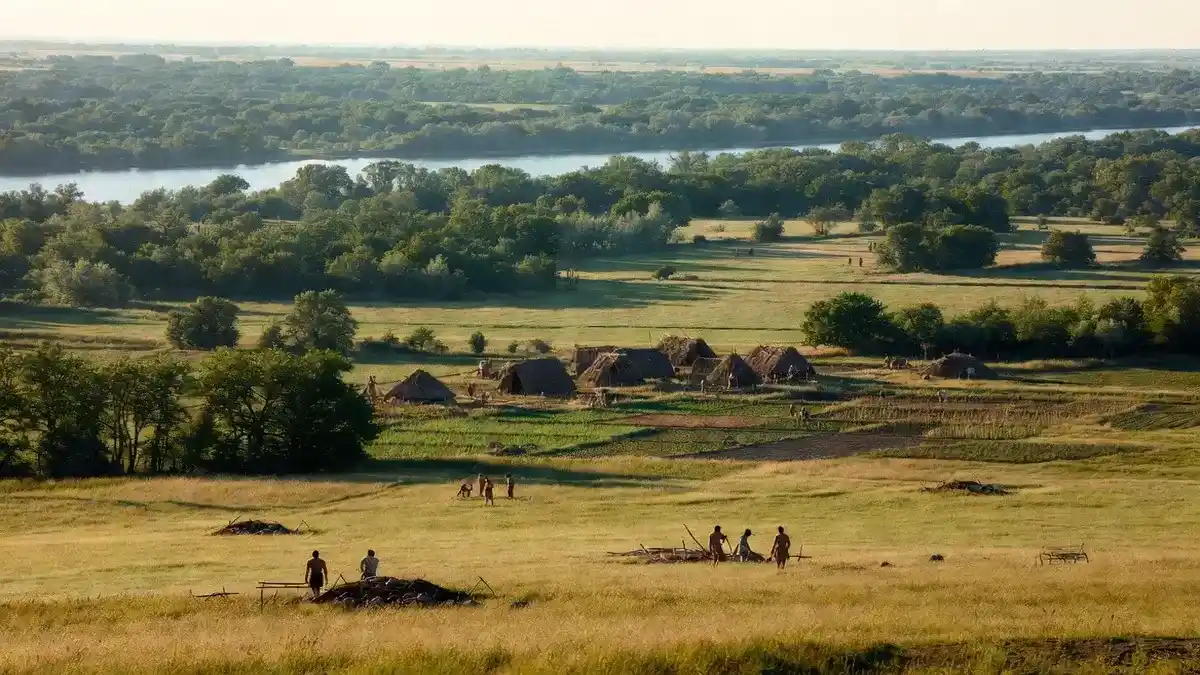
**7,000-Year-Old Beaver Bones Reveal Neolithic Fur Hunting** Archaeologists in Germany have made a fascinating discovery that sheds new light on the daily lives and resource strategies of Europe’s earliest farmers. Near the town of Alsleben in Saxony-Anhalt, researchers uncovered a small pit filled with the remains of at least 12 beavers, dating back approximately 7,000 … Read more

Largest Viking Age Coin Hoard Ever Found in Norway

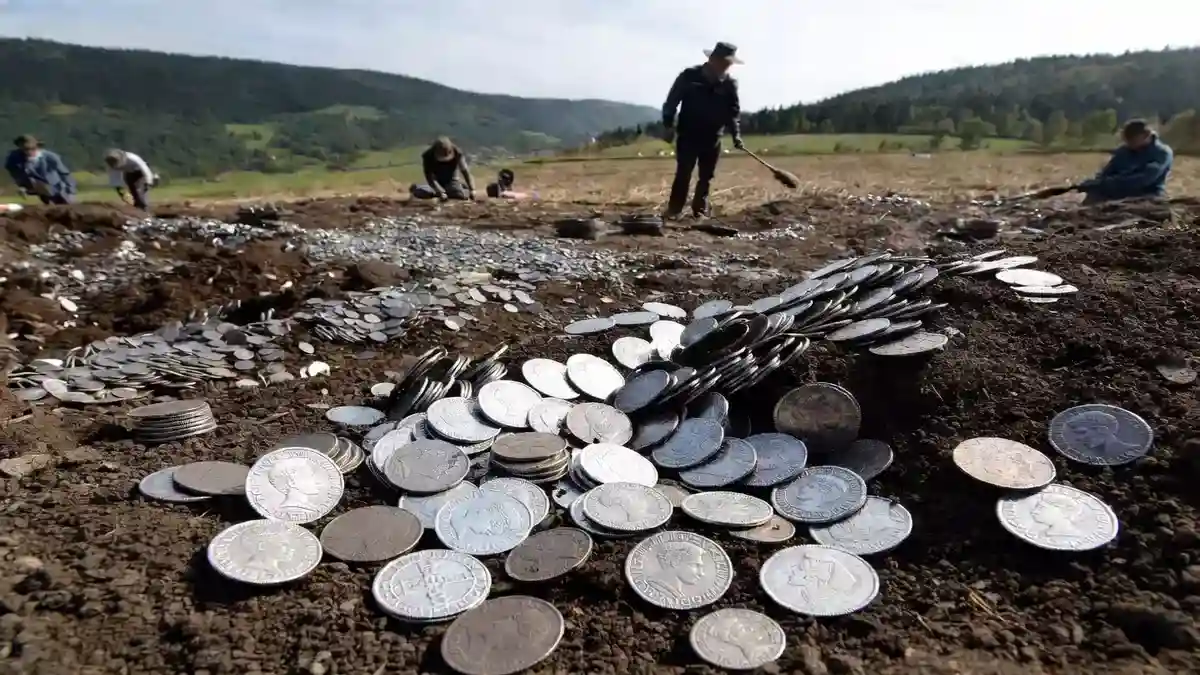
**Record 3,150 Viking Coins Found in Norway Hoard** Archaeologists in Norway have unearthed the largest Viking Age coin hoard ever discovered in the country, pulling more than 3,150 silver pieces from a quiet field near Rena. This extraordinary find offers a stunning snapshot of 11th-century trade, wealth, and daily life during the final chapter of … Read more

Mysterious Ancient Tunnel Discovered Beneath Jerusalem

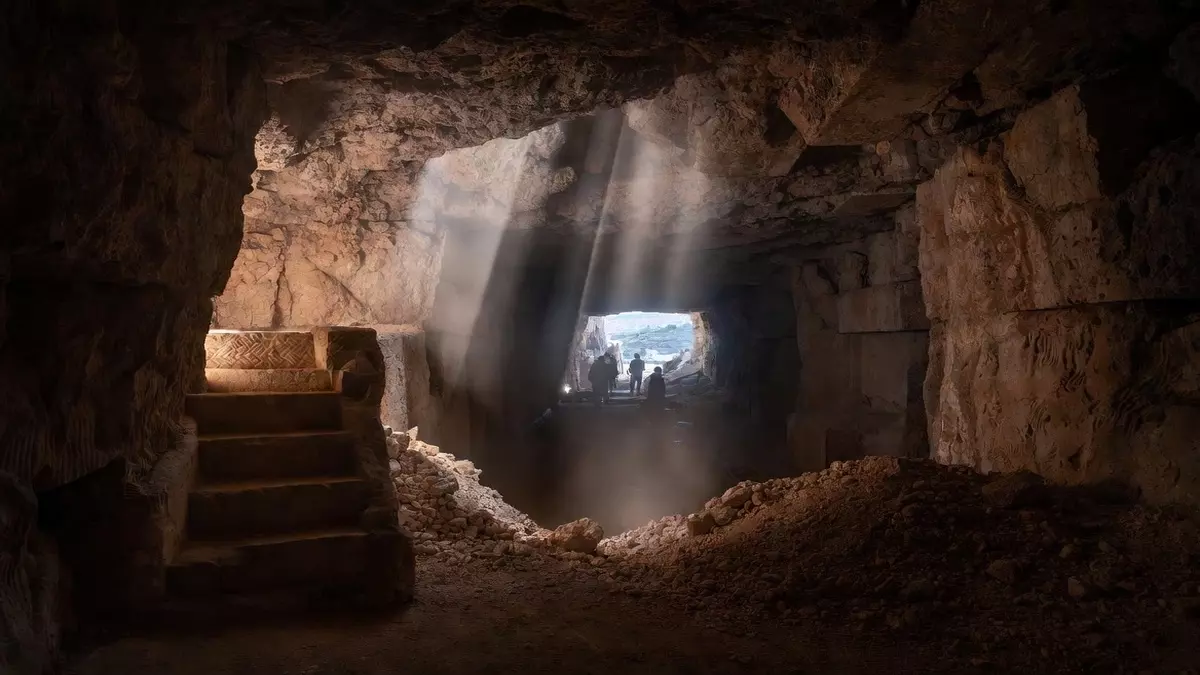
**Mysterious Ancient Tunnel Discovered Beneath Jerusalem** Archaeologists working north of Kibbutz Ramat Rachel in Jerusalem have uncovered a large, enigmatic underground tunnel carved deep into bedrock, sparking intense curiosity and debate about its origins and purpose. This unexpected find during routine development excavations adds another layer of mystery to the ancient city’s already rich archaeological … Read more

Medieval Danes Buried Closer to God Despite Leprosy

**Medieval Danes Buried Closer to God Despite Leprosy** A new archaeological study from medieval Denmark reveals that wealth and family connections often mattered more than illness when it came to burial placement. Even individuals showing clear signs of leprosy or tuberculosis were laid to rest in prestigious spots near church walls or inside sacred buildings. … Read more

Neolithic Graves Reveal Flexible Gender Roles in Ancient Europe

**Neolithic Graves Reveal Flexible Gender Roles in Ancient Europe** A groundbreaking Neolithic study from eastern Hungary is reshaping our understanding of gender roles in prehistoric Europe. By examining 125 adult skeletons from two nearby settlements, researchers have uncovered evidence that while gender influenced daily work and burial practices, these roles were often more flexible than … Read more