
Table of Contents
**Medieval Danes Buried Closer to God Despite Leprosy**
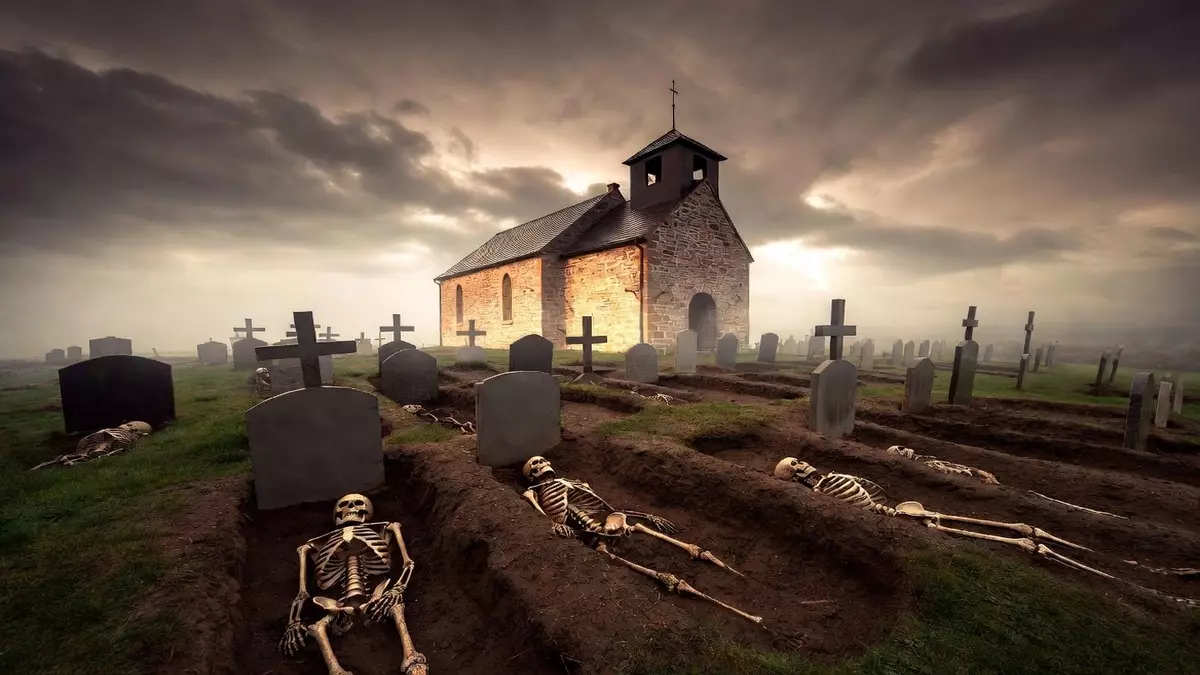
A new archaeological study from medieval Denmark reveals that wealth and family connections often mattered more than illness when it came to burial placement. Even individuals showing clear signs of leprosy or tuberculosis were laid to rest in prestigious spots near church walls or inside sacred buildings. These prime locations, long associated with spiritual closeness to God, were typically reserved for the affluent or well-connected. The findings challenge popular notions of widespread stigma and exclusion for those suffering from chronic diseases in the Middle Ages.
Researchers analyzed nearly 1,000 skeletons from five Danish cemeteries spanning the 11th to 16th centuries. Their work sheds light on how social status, religious beliefs, and health intertwined in death, offering a nuanced view of medieval Christian communities in northern Europe.
Medieval Danes Buried Closer to God Despite Leprosy

### Understanding Medieval Burial Practices
In medieval Europe, where you were buried carried deep symbolic meaning. Plots closest to the church—especially along the walls or within the building itself—were considered holier ground. Families paid premium prices for these spots, believing proximity to sacred spaces improved chances for salvation and eternal rest. This system reflected both genuine faith and social hierarchy, with donations to the church often securing better resting places for generations.
The study, published in *Frontiers in Environmental Archaeology*, used grave location as a reliable proxy for socioeconomic status. By mapping burials against skeletal evidence of disease, the team could test whether visible illnesses like leprosy led to marginalization even in death.

Leprosy, caused by *Mycobacterium leprae*, dramatically altered facial features, hands, and feet, making sufferers instantly recognizable. Tuberculosis, spread through the air in crowded conditions, left more subtle bone changes but was widespread due to poor sanitation and dense living. Both carried moral and spiritual connotations in Christian teachings, sometimes viewed as divine punishment or tests of faith.
**Åsted Church** in Denmark, a typical medieval stone church where burial location reflected status and piety.
### Scale and Scope of the Research

The project examined 939 adult skeletons from five cemeteries dating between approximately 1050 and 1536 CE. Three sites were in urban centers, where trade, population growth, and close quarters increased disease risk. Two were in rural parishes, where lifestyles revolved around farming, with different patterns of nutrition and exposure.
Detailed cemetery maps allowed precise recording of each burial’s position. Researchers documented bone lesions characteristic of leprosy (such as facial destruction and limb changes) and tuberculosis (often affecting the spine or joints). They then applied statistical survival analysis to compare age at death and health outcomes between affected and unaffected individuals.
This large-scale, contextual approach provides one of the most comprehensive views yet of how disease intersected with social structures in medieval Scandinavia.
### Key Findings: Status Over Stigma
The results largely contradict assumptions of systematic exclusion. People with skeletal signs of leprosy were buried in high-status areas near churches just as frequently as those without visible disease. A similar pattern held for tuberculosis, suggesting that family wealth, social standing, and religious devotion frequently outweighed health status when arranging burials.
One notable exception appeared in the town of Ribe. There, roughly one-third of individuals in lower-status peripheral graves showed tuberculosis signs, compared to only about 12% in elite monastery or church burials. Researchers attribute this to differences in living conditions—urban poor faced higher exposure risks—rather than deliberate shunning based on illness.
At the urban cemetery of Drotten, over half of all burials occupied prestigious zones, and a high proportion of those showed tuberculosis markers. Interestingly, survival analysis revealed that people with tuberculosis bone changes often lived longer than those without. This makes sense: chronic but non-fatal cases had more time for the disease to affect the skeleton, increasing visibility in archaeological records. No such survival difference appeared for leprosy cases.
These patterns indicate that medieval Danish communities did not automatically relegate the sick to “bad” burial grounds. Instead, practical factors like economics and established family plots played larger roles.
### Disease in Daily Medieval Life
Leprosy and tuberculosis were formidable challenges in the Middle Ages. Leprosy hospitals, known as leprosaria, existed outside many towns to isolate sufferers, yet the Danish evidence shows that not everyone with the disease ended up separated in death. Some families apparently maintained ties and secured respectable burials despite visible symptoms.
Tuberculosis thrived in growing medieval towns where people lived cheek-by-jowl. Poor ventilation, malnutrition, and limited medical knowledge allowed it to spread easily. Yet the study suggests that even those affected could maintain social standing if they came from higher strata.
Urban versus rural differences mattered. Town dwellers encountered more infectious diseases due to trade routes and crowding, while rural populations dealt with injuries from hard labor and periodic famines. The research highlights how environment shaped health outcomes across Denmark.
**Map of Denmark** showing the medieval cemetery sites included in the study, illustrating the geographic spread of the research.
### Challenging Myths About Medieval Attitudes
Popular culture often portrays the Middle Ages as a time of fear-driven ostracism toward the diseased. Images of lepers ringing bells to warn others or being driven from towns dominate modern perceptions. While isolation measures certainly existed, this Danish evidence paints a more compassionate or pragmatic picture in death.
Burial near the church depended heavily on wealth, kinship networks, and prior donations rather than disease status alone. This aligns with Christian teachings emphasizing care for the sick and equality before God. Wealthy families could afford ongoing support and prestigious interments, regardless of illness.
The presence of leprosaria influenced some patterns. Certain urban cemeteries showed fewer leprosy cases, likely because affected individuals were buried at dedicated hospital grounds. This separation was institutional rather than purely punitive.
### Limitations and Future Directions
Skeletal evidence has inherent constraints. Many people died from infections before bones developed diagnostic lesions, meaning disease prevalence is likely underestimated. Ancient DNA analysis, now becoming more common, could identify more cases and trace bacterial strains, offering deeper insights into transmission and evolution of these pathogens.
The study also notes that not all social attitudes are visible in bones or burial plots. Written records, where available, could complement the archaeological data in future work.
Despite these limits, the large sample size and detailed spatial analysis make this one of the strongest studies on disease and status in medieval northern Europe.
### Broader Context of Medieval Danish Society
Denmark during this period experienced significant changes: Christianization strengthened, towns grew through Hanseatic trade, and the Church became a central economic and spiritual force. Cemeteries around churches served as community focal points, where the living honored the dead and reinforced social bonds.
The research adds to growing evidence that medieval societies were more complex and varied in their responses to illness than stereotypes suggest. Care for the sick, including through religious institutions, coexisted with practical concerns about contagion.
Comparative studies across Europe show regional differences. Scandinavian contexts, with their strong kinship ties and evolving Christian practices, may have allowed greater flexibility in burial customs compared to some other regions.
### Modern Relevance and Lessons
Today, as societies grapple with infectious diseases, stigma, and healthcare inequality, medieval insights feel surprisingly relevant. The Danish findings remind us that social support networks and economic resources have long influenced how illness is experienced and remembered.
Advances in bioarchaeology continue to humanize the past, revealing ordinary people’s struggles and resilience. This study enriches our understanding of how faith, family, and fortune shaped medieval lives right up to the grave.
**Conclusion**
The examination of medieval Danish cemeteries demonstrates that leprosy and tuberculosis did not automatically relegate individuals to marginal burials. Rich or well-connected Christians were often interred closer to God—near church walls or within sacred spaces—regardless of visible disease. This nuanced picture challenges simplistic views of medieval exclusion and highlights the enduring importance of status, wealth, and religious devotion in shaping final resting places.
By integrating osteological analysis with detailed spatial mapping, researchers have uncovered a more compassionate and pragmatic side of medieval society. These insights not only deepen our knowledge of Denmark’s past but also prompt reflection on how communities today balance health concerns with dignity and inclusion. As scientific techniques advance, we can expect even richer stories to emerge from the silent bones of the past.
**FAQ**
**Q: Did medieval Danes exclude people with leprosy from good burials?**
A: No. The study found that individuals with leprosy were buried in high-status locations near churches as often as healthy people, suggesting status and family ties mattered more than illness.
**Q: How common were leprosy and tuberculosis in medieval Denmark?**
A: Both were present, with tuberculosis more widespread in urban areas due to crowding. However, skeletal evidence likely underestimates true rates since many died before bones were affected.
**Q: What made a burial plot “high-status” in medieval times?**
A: Locations closest to the church building or inside it were considered holier and more expensive. These spots were believed to bring spiritual benefits and reflected wealth or donations to the church.
**Q: Why did some people with tuberculosis live longer?**
A: Survival analysis showed that those with visible bone changes from tuberculosis often survived longer with the chronic infection, giving the disease more time to affect the skeleton.
**Q: How does this study challenge common views of the Middle Ages?**
A: It counters ideas of universal fear and ostracism, showing that pragmatic social and economic factors frequently determined burial treatment rather than disease stigma alone.
**Q: What methods did researchers use?**
A: They combined skeletal analysis for disease signs, detailed cemetery mapping for burial locations, and statistical survival analysis on 939 adults from five sites spanning 1050–1536 CE.
**Q: What does this mean for understanding medieval Christianity?**
A: It suggests that ideals of charity and equality before God influenced practices, allowing many sick individuals from higher social ranks to receive honorable burials despite their conditions.
This research continues to illuminate the complex realities of life and death in medieval Europe, offering valuable perspective on how societies have long navigated illness, faith, and social hierarchy.